Spiritual and religiousSouth AsiaHindu
Pitri Paksha
In its own language: पितृ पक्ष (Pitṛ pakṣa)
A sixteen-day Hindu period for honoring ancestors through food offerings and rites.

Hindus observe Pitri Paksha to pay homage to their paternal ancestors. The period falls in the waning lunar fortnight of Bhadrapada or Ashvin. Families perform Shraddha rituals, offering cooked rice balls and water to ensure the souls of their forebathers find peace.
When is Pitri Paksha kept?
Pitri Paksha is kept in September or October, during the dark fortnight of the Hindu lunar month.
Pitri Paksha is a sacred fortnight dedicated to remembering those who came before. Hindus believe this time allows ancestral spirits to visit their living descendants. Families gather to offer meals and prayers, seeking blessings for health and prosperity while ensuring their forebathers rest in peace.
Origins and meaning
The tradition stems from the belief that the sun’s movement southward opens a path for ancestors to return home. According to legend, the warrior Karna received permission to perform rites for his lineage after death, establishing this period. Hindus view it as a debt repayment to their three preceding generations. Performing these duties ensures the soul reaches heaven and grants moksha, or liberation, to both the living and the dead.
Rituals and offerings
Men typically lead the Shraddha ceremony, often wearing a dhoti and a ring of darbha grass. They offer pindas, which are balls of rice and barley mixed with ghee and sesame seeds. Water is poured alongside these offerings. A crow eating the food signifies acceptance by the ancestors. Families also feed cows and dogs, and provide meals to priests. These acts honor the spirit world and maintain cosmic balance.
Food traditions
Specific dishes form the core of the offerings. Cooked rice, lentils, and sweet kheer are essential. Lapsi, a wheat porridge, and yellow gourds are also prepared. The food is served on banana leaves or cups made from dried leaves. Vessels used are often silver or copper. These meals are placed on rooftops or near rivers. The preparation follows strict rules to ensure spiritual efficacy and proper respect for the guests.
Regional observances
In Bengal, the final day, Mahalaya, marks the start of Durga Puja celebrations. People wake at dawn to listen to hymns about the goddess Durga. In other regions, pilgrims travel to holy cities like Gaya and Varanasi. Thousands gather on riverbanks to perform rites together. The Gaya fair becomes a major site for these ancestral ceremonies during this specific lunar window.
How Pitri Paksha is kept
Male relatives perform Shraddha rites, usually on the banks of rivers or at home. They bathe, wear traditional clothing, and invoke ancestors using a ring of grass. Offerings include rice balls, water, and specific foods like kheer and lapsi. Crows, cows, and dogs are fed to symbolize the acceptance of these gifts by the spirit world. Priests recite scriptures to guide the souls toward peace.
When and where
It occurs annually during the waning fortnight of the Hindu lunar months Bhadrapada or Ashvin. This usually aligns with September or October. The period ends on Sarvapitri Amavasya, the new moon day.
It is observed across India and Nepal. Major gatherings occur in holy cities like Gaya, Varanasi, and Haridwar. Pilgrims travel to these sites to perform rites on riverbanks, particularly along the Ganges and Falgu rivers.
What Pitri Paksha means
The ritual acknowledges the bond between generations. It repays a spiritual debt owed to ancestors. By honoring them, families seek protection, longevity, and knowledge. The act reinforces lineage ties and reminds the living of their place in the cycle of life and rebirth.
On the table
- Kheer
- Lapsi
- Rice
- Dal
- Yellow gourd


Questions people ask about Pitri Paksha
When is Pitri Paksha kept?
Pitri Paksha is kept in September or October, during the dark fortnight of the Hindu lunar month.
What is Pitri Paksha?
It is a sixteen-day Hindu period dedicated to honoring paternal ancestors. Families perform Shraddha rituals, offering food and water to ensure the souls of their forebathers find peace and reach heaven.
Who performs the rituals?
Male relatives, usually the eldest son, conduct the Shraddha ceremonies. They offer cooked rice balls and water to invoke the ancestors. In some cases, a daughter’s son may perform rites if no male heir is present.
Why is it considered inauspicious?
The period involves death rites and mourning practices. Hindus avoid starting new ventures or auspicious events during this time. The focus remains entirely on paying respects to those who have passed away.
See also
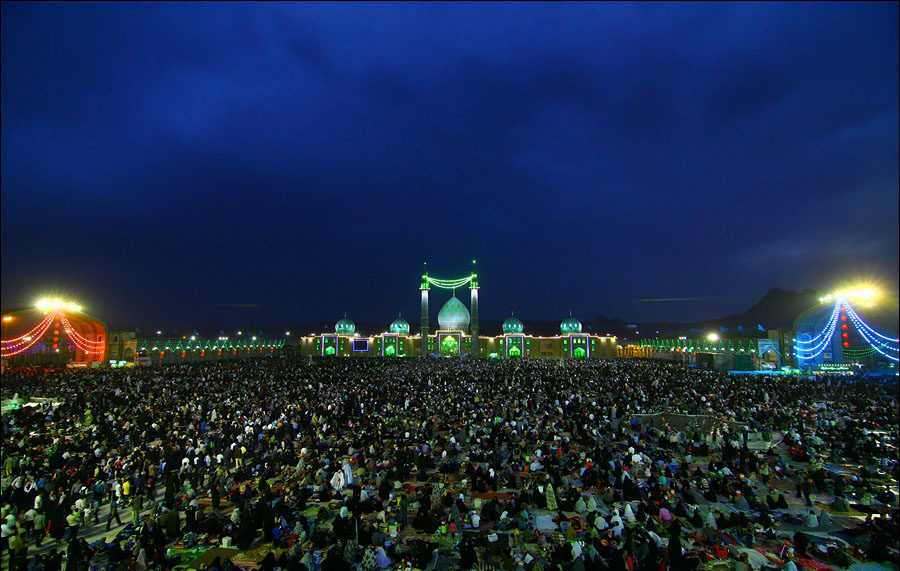 Mid-Sha'banAn Islamic night of prayer, remembrance, and seeking divine forgiveness.
 DiwaliA five-day festival of lights celebrated across India and its diaspora to mark the victory of light over darkness.
 MawlidAn annual festival marking the birth of the Prophet Muhammad, marked by poetry, processions and feasts.
 HoliA spring festival of colours and bonfires that marks the end of winter and the triumph of good over evil.
Good reading and sources
- Mahalaya 2022: Here's all you need to know about the auspicious dayHindustan Times, Article
- The ritual of ancestral worshipThe Hindu, Article
- Mahalaya 2022: Here's all you need to know about the auspicious dayHindustan Times, Article
- The ritual of ancestral worshipThe Hindu, Article
- Pitru Paksha on WikipediaEncyclopedia
- More photos on Wikimedia CommonsPhotos and video
- Wikidata recordOpen data
The facts on this page come from the Wikipedia article "Pitru Paksha", written by its contributors and used under the CC BY-SA 4.0 licence, and from its Wikidata record (CC0). EveryParampara rewrote the text in its own words, with AI assistance, and compares every page with the article to make sure no passage is copied. It may be reused under the same CC BY-SA 4.0 licence with a link back.
It may contain mistakes. Traditions differ from one family, village and community to the next, and the people who keep them know them best. If something is wrong, tell us. Last refreshed 2026-10-04.
More from India
All the traditions of India 🇳🇵 Nepal and 1 moreTibetan prayer flagLung ta / Darchog
Colorful cloth banners printed with mantras, hung in high places to spread blessings on the wind.Spiritual
🇳🇵 Nepal and 1 moreTibetan prayer flagLung ta / Darchog
Colorful cloth banners printed with mantras, hung in high places to spread blessings on the wind.Spiritual
 🇮🇳 IndiaTheyyam
A sacred ritual dance and divine invocation from North Malabar in IndiaSpiritual
🇮🇳 IndiaTheyyam
A sacred ritual dance and divine invocation from North Malabar in IndiaSpiritual
 🇮🇳 India and 5 morePretaप्रेत
Offerings and rites for spirits enduring deep hunger across Asian traditions.Spiritual
🇮🇳 India and 5 morePretaप्रेत
Offerings and rites for spirits enduring deep hunger across Asian traditions.Spiritual
 🇮🇳 India and 1 moreNazar battuनज़र बट्टू / نظر بٹو
A protective custom in South Asia using deliberate flaws or charms to deflect the evil eye.Spiritual
🇮🇳 India and 1 moreNazar battuनज़र बट्टू / نظر بٹو
A protective custom in South Asia using deliberate flaws or charms to deflect the evil eye.Spiritual
The same idea elsewhere
Remembering the ancestors compared 🇮🇪 Ireland and 5 moreHalloween
An annual observance on 31 October marking the eve of All Saints' Day, rooted in Christian tradition and Celtic heritageFestival · Sweets given and shared
🇮🇪 Ireland and 5 moreHalloween
An annual observance on 31 October marking the eve of All Saints' Day, rooted in Christian tradition and Celtic heritageFestival · Sweets given and shared
 🇮🇷 Iran and 7 moreNowruzنوروز
The Iranian new year at the March equinox, kept with fire, greenery and picnicsSeasonal
🇮🇷 Iran and 7 moreNowruzنوروز
The Iranian new year at the March equinox, kept with fire, greenery and picnicsSeasonal
 🇮🇱 Jerusalem, Israel and 1 moreHanukkahחֲנֻכָּה
An eight-day Jewish festival marking the rededication of the Second Temple in Jerusalem and the miracle of a single day'Festival
🇮🇱 Jerusalem, Israel and 1 moreHanukkahחֲנֻכָּה
An eight-day Jewish festival marking the rededication of the Second Temple in Jerusalem and the miracle of a single day'Festival
 🇮🇱 Jerusalem, IsraelSukkotסוכות
A seven-day autumn Jewish festival of temporary booths, harvest prayers and hospitalitySpiritual
🇮🇱 Jerusalem, IsraelSukkotסוכות
A seven-day autumn Jewish festival of temporary booths, harvest prayers and hospitalitySpiritual