Spiritual and religiousSouth AsiaBuddhistIndigenous and traditional
Tibetan prayer flag
In its own language: Lung ta / Darchog
Colorful cloth banners printed with mantras, hung in high places to spread blessings on the wind.

Tibetan prayer flags are rectangular cloths strung across mountain passes and temple roofs. They carry printed prayers and images that the wind is believed to carry as blessings of peace and compassion to all beings.
When is Tibetan prayer flag kept?
Tibetan prayer flag is kept on annually on the Tibetan New Year, or when old flags fade from sun exposure.
Tibetan prayer flags are colorful cloth banners printed with sacred texts and symbols. Hung in high places like mountain peaks, they rely on the wind to carry blessings of peace and compassion into the surrounding landscape. The practice reflects a deep belief in the interconnectedness of all life.
Origins and history
The tradition likely began within the Bon religion, where shamans used plain colored cloths. Later, Buddhist legends linked the practice to the Buddha, who supposedly wrote prayers on battle standards. By the eighth century, these ideas reached Tibet. The Indian monk Atisha brought the specific method of printing mantras on cloth to the region around the eleventh century. During the Cultural Revolution, the practice was suppressed, though many designs survived. Today, various styles appear throughout the Tibetan cultural sphere.
Styles and colors
Two main types exist: horizontal Lung ta, meaning Wind Horse, and vertical Darchog, or flagstaffs. Horizontal flags feature five squares connected along one edge, usually strung diagonally between rocks or poles. Vertical flags attach to wooden poles. Traditional sets use five colors representing the elements. Blue stands for sky, white for air, red for fire, green for water, and yellow for earth. This color scheme supports traditional medicine beliefs about balancing health and harmony through natural forces.
Symbols and mantras
Each flag displays a central image of a horse carrying three flaming jewels, symbolizing speed and the shift from bad luck to good fortune. Surrounding this are hundreds of mantras dedicated to various deities. The corners show four animals: the dragon, garuda, tiger, and snow lion. These represent strength and protection. The central mantra Om mani padme hum appears frequently, embodying compassion and wisdom. Wishes for long life often accompany these sacred texts.
Meaning and care
Tibetans believe the wind carries the prayers written on the flags to all beings, spreading goodwill without needing to send them to distant gods. As sunlight fades the ink, the prayers become part of the universe. People replace faded flags to welcome change and acknowledge the cycle of life. Old cloths must be treated with respect, never placed on the ground or worn. Burning them is the proper way to dispose of worn-out banners.
How Tibetan prayer flag is kept
People hang horizontal strings of five-colored squares across mountain trails, temple roofs, and high passes. Vertical flags stand on poles near cairns or homes. The best time to install new flags is on sunny mornings during the Tibetan New Year. When the ink fades from sun and rain, the old cloths are removed and burned respectfully. New ones replace them to renew hopes for peace and compassion.
When and where
Usually replaced annually on the Tibetan New Year, or whenever the printed images fade significantly from weather exposure.
Most common in Tibet, Nepal, and northern India. Found at high elevations like mountain passes, monastery walls, and rocky outcrops where winds blow freely.
What Tibetan prayer flag means
The flags do not ask gods for help but instead let the wind distribute blessings naturally. Fading ink represents the acceptance of change and impermanence. Replacing old flags honors the ongoing cycle of life and the connection between all living things.
Questions people ask about Tibetan prayer flag
When is Tibetan prayer flag kept?
Tibetan prayer flag is kept on annually on the Tibetan New Year, or when old flags fade from sun exposure.
Where is Tibetan prayer flag kept?
Tibetan prayer flag belongs to the traditions of Nepal and India.
Who keeps Tibetan prayer flag?
As our sources describe it, Tibetan prayer flag is kept by Tibetans. Many other communities and families now share it too.
See also
 Fire templeA consecrated sanctuary where Zoroastrians tend sacred fires and gather for worship
 PretaOfferings and rites for spirits enduring deep hunger across Asian traditions.
 TheyyamA sacred ritual dance and divine invocation from North Malabar in India
 Prayer wheelA cylindrical wheel spun in Tibetan Buddhist practice to accumulate merit and wisdom
Good reading and sources
- Prayer flag on WikipediaEncyclopedia
- More photos on Wikimedia CommonsPhotos and video
- Wikidata recordOpen data
The facts on this page come from the Wikipedia article "Prayer flag", written by its contributors and used under the CC BY-SA 4.0 licence, and from its Wikidata record (CC0). EveryParampara rewrote the text in its own words, with AI assistance, and compares every page with the article to make sure no passage is copied. It may be reused under the same CC BY-SA 4.0 licence with a link back.
It may contain mistakes. Traditions differ from one family, village and community to the next, and the people who keep them know them best. If something is wrong, tell us. Last refreshed 2026-10-05.
More from Nepal
All the traditions of Nepal 🇳🇵 Nepal and 1 moreMani stone
Inscribed stones placed along trails in Tibetan Buddhist regions as devotional offerings.Spiritual
🇳🇵 Nepal and 1 moreMani stone
Inscribed stones placed along trails in Tibetan Buddhist regions as devotional offerings.Spiritual
 🇨🇳 China and 3 moreButter lampདཀར་མེ (Tibetan)
A lit candle made from clarified yak butter, kept in Tibetan Buddhist temples to aid meditation and symbolize enlightenmSpiritual
🇨🇳 China and 3 moreButter lampདཀར་མེ (Tibetan)
A lit candle made from clarified yak butter, kept in Tibetan Buddhist temples to aid meditation and symbolize enlightenmSpiritual
 🇮🇳 Mathura, India and 4 moreKrishna Janmashtamiकृष्णजन्माष्टमी
A Hindu festival celebrating the birth of Krishna with fasting, singing and night vigilsSpiritual
🇮🇳 Mathura, India and 4 moreKrishna Janmashtamiकृष्णजन्माष्टमी
A Hindu festival celebrating the birth of Krishna with fasting, singing and night vigilsSpiritual
 🇮🇳 Varanasi, India and 1 moreNaga Panchamiनागपञ्चमी (Nāgapañcamī)
A day of worship for serpent deities and cobras, observed by Hindus, Jains, and Buddhists across South Asia.Spiritual
🇮🇳 Varanasi, India and 1 moreNaga Panchamiनागपञ्चमी (Nāgapañcamī)
A day of worship for serpent deities and cobras, observed by Hindus, Jains, and Buddhists across South Asia.Spiritual
The same idea elsewhere
Remembering the ancestors compared 🇮🇱 Jerusalem, IsraelSukkotסוכות
A seven-day autumn Jewish festival of temporary booths, harvest prayers and hospitalitySpiritual
🇮🇱 Jerusalem, IsraelSukkotסוכות
A seven-day autumn Jewish festival of temporary booths, harvest prayers and hospitalitySpiritual
 🇯🇵 Kyoto, JapanTorii鳥居
A traditional Japanese gate marking the entrance to a Shinto shrine and separating the sacred from the mundane.Spiritual
🇯🇵 Kyoto, JapanTorii鳥居
A traditional Japanese gate marking the entrance to a Shinto shrine and separating the sacred from the mundane.Spiritual
 🇲🇲 Bagan, MyanmarNat worshipနတ်
Veneration of guardian spirits and nature deities alongside Buddhism in MyanmarSpiritual
🇲🇲 Bagan, MyanmarNat worshipနတ်
Veneration of guardian spirits and nature deities alongside Buddhism in MyanmarSpiritual
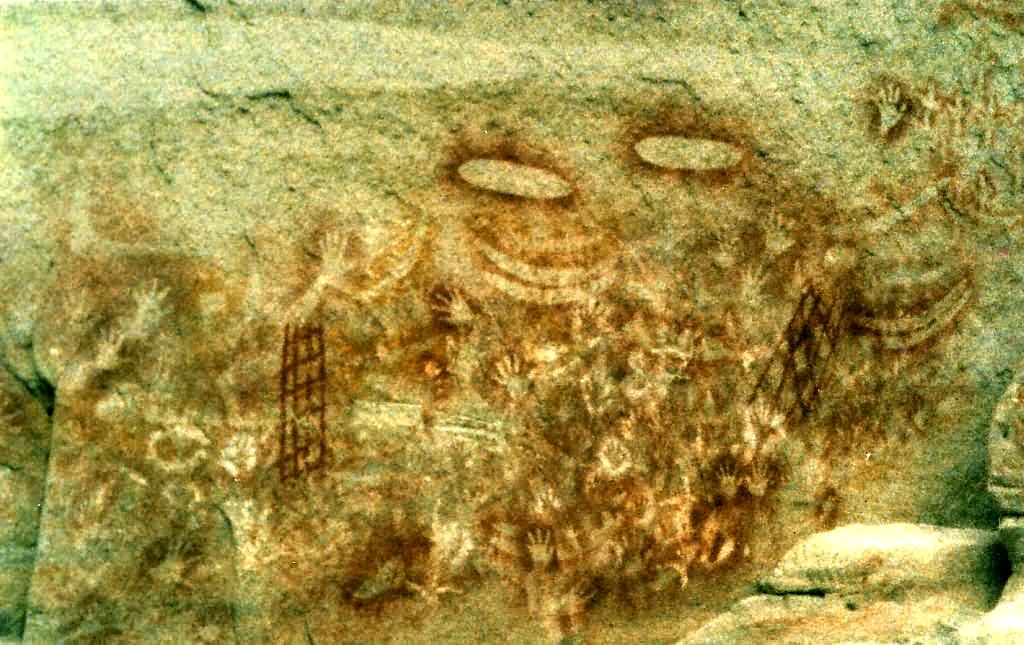 🇦🇺 AustraliaThe Dreaming
A living spiritual worldview and law connecting Aboriginal Australians to ancestors, land, and community.Spiritual
🇦🇺 AustraliaThe Dreaming
A living spiritual worldview and law connecting Aboriginal Australians to ancestors, land, and community.Spiritual