Seasons, harvest and the calendarEuropeChristian
Plough Monday
England's old start of the farming year, kept with ploughs, straw bears and sword dances

Plough Monday is the old opening of the English farming year, kept on the Monday after Twelfth Night in early January. Villagers once lit candles in church, then hauled a plough from house to house for money, and today morris, molly and sword dance teams in East Anglia and Yorkshire carry the day on.
When is Plough Monday marked?
Plough Monday is kept as part of Epiphany and Three Kings, which is on Wednesday, 6 January 2027.
Plough Monday marks the start of the farming year in England. It falls on the Monday after Twelfth Night, and for centuries people kept it with candles, processions and a plough pulled from door to door. Village communities made it a day of dancing, plays and collecting money. It faded in the twentieth century, then returned in new forms.
What it is
Plough Monday opened the working year on the land in England. It came on the Monday after Twelfth Night, so it sat in early January, once the Christmas season had closed. For farming households this was the moment to return to the fields and begin ploughing. The day carried two sides: a church blessing on the men and their work, and, later, a rowdy round of visiting, music and money collecting. It was never one fixed custom. Different counties gave it different names, different costumes and different ways of asking for coins at the door.
Origins and the church
In England the start of the ploughing season was marked long before the day had a settled name. A plough race at Carlton in Lindrick in Nottinghamshire is recorded in the late 1200s, and by the 1400s such customs had gathered on one Monday. A Cambridgeshire document dated 1529 holds the earliest known use of the name Plough Monday. Parishes burned plough lights, candles lit for the farmworkers, through Lincolnshire, Northamptonshire and East Anglia. An injunction against unnecessary candles in churches stopped the practice in 1538. It returned briefly under Mary I. By the end of Elizabeth I's reign the religious observance had ceased.
Plough gangs and plays
Once the church side was gone, the private side grew. Groups dragged a plough from door to door and asked for money. They went by many local names, among them Plough Boys, Bullocks, Lads, Jacks, Stots and Witches, and they wore costumes, sometimes with a man or boy in women's clothing. Musicians came along, plus a figure called the Bessy, an old woman or a boy playing one, and a fool. The plough itself had pet names too: fond, fool, stot and white. In Leicestershire, Lincolnshire, Nottinghamshire and Rutland the gang performed a mummers' play, the Plough Play.
Decline and revival
Plough Monday customs thinned during the 1800s. Machines took over farm work, so there were fewer labourers and they were paid better, and begging in winter lost its point. The noise and menace of some plough gangs also drew complaints, and the authorities pressed them to stop or calm down. A few customs lasted into the 1930s but none continued past the start of the Second World War. After the war, the Church of England and the Royal Agricultural Society of England tried to build up Plough Sunday as a Christian feast, and had little success. From the 1960s the second British folk revival brought the day back, with a plough procession at Balsham in 1972 and molly dancing at Cambridge in 1977.
Straw bears and swords
Two revivals are well known. In Cambridgeshire, men and boys at Ramsey and Whittlesey once wrapped themselves in straw on Plough Monday or the day after and went dancing door to door as straw bears. That stopped around the First World War and returned at Whittlesey in 1980, helped by an Ashley Hutchings album that reprinted G. C. Moore Smith's 1909 account. The Straw Bear Festival now falls on the Saturday nearest Plough Monday. At Goathland in North Yorkshire, a plough procession, mummers' play and longsword dance were once performed. The dance disappeared around 1868 and came back for Plough Monday in 1923.
How Plough Monday is kept
A farming family began the day at church, where a plough light burned for the workers. Later a gang hauled a plough through the village. They stopped at houses, performed or sang, and collected coins. A Bessy and a fool went with them, and musicians played. In some counties the gang staged a Plough Play. Money raised at first went to the parish; in later centuries it paid for food and drink at a finish-up feast. Sword dancers at Goathland performed on the Saturday after, and their takings now go to a hospital and a lifeboat station.
When and where
The day falls on the Monday that follows Twelfth Night, which places it in the first half of January. In the past it also opened the ploughing season in England. Its date moves each year with the church calendar, and the Straw Bear Festival at Whittlesey is held on the Saturday closest to it.
Plough Monday belongs to England. It is strongest in the east, in East Anglia and the eastern counties, and it also has a long record in Yorkshire and the north east. Customs have been noted in Warwickshire, Worcestershire and Cornwall as well. Towns that keep or have kept it include Whittlesey, Ramsey and Balsham in Cambridgeshire and Goathland in North Yorkshire.
What Plough Monday means
For country people the day stood for the return to work after Christmas and for the hope of a good year's crops. The church's plough lights asked a blessing on those who worked the land. When the church side faded, the plough itself carried the meaning: a tool of daily labour hauled through the streets, shown at every door, and used to ask neighbours for help through the hard winter months. For today's dancers and singers it marks a place in the year and a link to the villages that kept it.

Days Plough Monday is marked
Questions people ask about Plough Monday
When is Plough Monday marked?
Plough Monday is kept as part of Epiphany and Three Kings, which is on Wednesday, 6 January 2027.
What is Plough Monday?
It is the old opening of the English farming year, kept on the Monday after Twelfth Night in early January. Villages marked it with candles in church, then with a plough pulled from house to house and money collected at the doors. Many customs lapsed in the twentieth century and some have since returned.
Where is it kept?
In England, above all in the east: Cambridgeshire, Norfolk, Suffolk and the surrounding counties, with long-standing customs too in Yorkshire and the north east. It has also been recorded in Warwickshire, Worcestershire and Cornwall. Whittlesey, Ramsey, Balsham and Goathland are among the places tied to it.
Why did it stop and then return?
Mechanised farming left fewer and better-paid labourers, so winter door-to-door collecting had less purpose, and complaints about rowdy gangs brought pressure from the authorities. The last customs ran into the 1930s. From the 1960s the second British folk revival, and local teams, brought morris, molly and sword dancing back to the day.
What is a straw bear?
A man or boy wrapped in a layer of straw who danced at doors for money in the Cambridgeshire villages of Ramsey and Whittlesey on Plough Monday or the day after. The custom stopped around the First World War and was revived at Whittlesey in 1980. Schoolchildren at Ramsey now build a bear on the day.
See also
 Advent wreathAn evergreen ring of candles lit week by week in the lead-up to Christmas
 May DayA traditional European festival welcoming summer with greenery, dances and bonfires
 Yule logA log kept burning on the hearth through the twelve days of Christmas, for luck
 BeltaneA Gaelic first-of-summer festival of bonfires, May flowers and feasting on 1 May
Good reading and sources
- Balsham to mark 50 years since Plough Monday revivalBBC, Article
- Balsham to mark 50 years since Plough Monday revivalBBC, Article
The facts on this page come from the Wikipedia article "Plough Monday", written by its contributors and used under the CC BY-SA 4.0 licence, and from its Wikidata record (CC0). EveryParampara rewrote the text in its own words, with AI assistance, and compares every page with the article to make sure no passage is copied. It may be reused under the same CC BY-SA 4.0 licence with a link back.
It may contain mistakes. Traditions differ from one family, village and community to the next, and the people who keep them know them best. If something is wrong, tell us. Last refreshed 2026-10-05.
More from the United Kingdom
All the traditions of the United Kingdom 🇮🇪 Ireland and 1 moreImbolcLá Fhéile Bríde
A Gaelic festival heralding spring and honoring Saint Brigid with woven rush crossesSeasonal · Feasts and festival meals
🇩🇪 Hamburg, Germany and 2 moreAdvent wreathAdventskranz
An evergreen ring of candles lit week by week in the lead-up to ChristmasSeasonal
🇮🇪 Dublin, Ireland and 3 moreMay Day
A traditional European festival welcoming summer with greenery, dances and bonfiresSeasonal · Feasts and festival meals
🇬🇧 United Kingdom and 5 moreYule log
A log kept burning on the hearth through the twelve days of Christmas, for luckSeasonal
🇮🇪 Ireland and 1 moreImbolcLá Fhéile Bríde
A Gaelic festival heralding spring and honoring Saint Brigid with woven rush crossesSeasonal · Feasts and festival meals
🇩🇪 Hamburg, Germany and 2 moreAdvent wreathAdventskranz
An evergreen ring of candles lit week by week in the lead-up to ChristmasSeasonal
🇮🇪 Dublin, Ireland and 3 moreMay Day
A traditional European festival welcoming summer with greenery, dances and bonfiresSeasonal · Feasts and festival meals
🇬🇧 United Kingdom and 5 moreYule log
A log kept burning on the hearth through the twelve days of Christmas, for luckSeasonal
The same idea elsewhere
All of this kind 🇮🇷 Iran and 7 moreNowruzنوروز
The Iranian new year at the March equinox, kept with fire, greenery and picnicsSeasonal
🇮🇷 Iran and 7 moreNowruzنوروز
The Iranian new year at the March equinox, kept with fire, greenery and picnicsSeasonal
 🇯🇵 JapanKadomatsu門松
A Japanese New Year gateway decoration of pine and bamboo where a visiting deity can restSeasonal
🇹🇭 ThailandThai solar calendarปฏิทินสุริยคติไทย
The official solar calendar of Thailand, numbered in the Buddhist EraSeasonal
🇯🇵 JapanKadomatsu門松
A Japanese New Year gateway decoration of pine and bamboo where a visiting deity can restSeasonal
🇹🇭 ThailandThai solar calendarปฏิทินสุริยคติไทย
The official solar calendar of Thailand, numbered in the Buddhist EraSeasonal
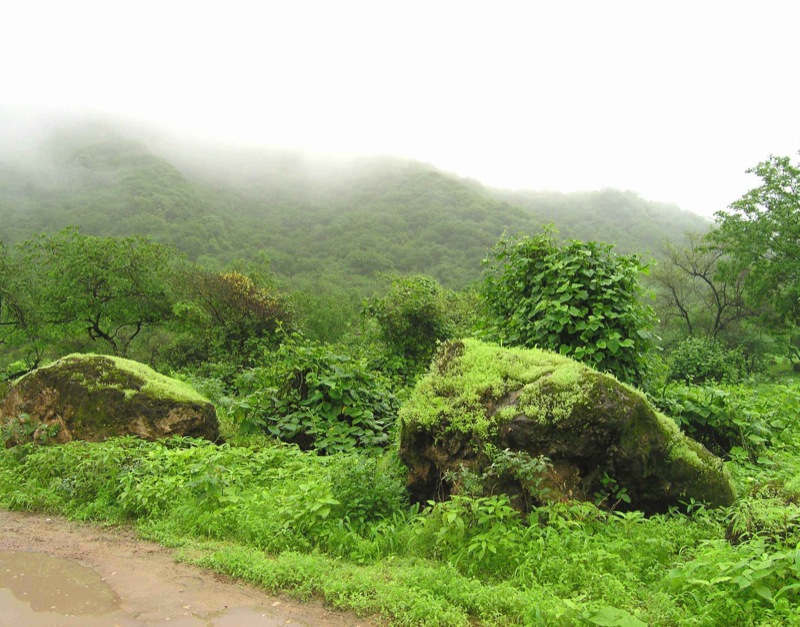 🇴🇲 Salalah, Oman and 3 moreKhareefخَرِيْف
The monsoon season of Dhofar and Al Mahrah, welcomed with a festival in SalalahSeasonal
🇴🇲 Salalah, Oman and 3 moreKhareefخَرِيْف
The monsoon season of Dhofar and Al Mahrah, welcomed with a festival in SalalahSeasonal