Festivals and celebrationsNorth AmericaChristianSecular and civic
Quebec Winter Carnival
In its own language: Carnaval de Québec
A midwinter celebration of snow, outdoor sports and caribou in Quebec City.

Quebec Winter Carnival is a large seasonal gathering celebrated each winter in Quebec City, Canada, before the start of Lent. Running across several weeks in late January and February, the event brings crowds outdoors for snow sculpting, athletic contests, lively music and warm local drinks.
When is Quebec Winter Carnival kept?
Quebec Winter Carnival is kept on annually in late January and February.
Rooted in North American colonial habits of gathering when cold weather stopped farm work, the Quebec Winter Carnival turns freezing temperatures into a communal celebration. Inhabitants of Quebec City and travelers from afar take to snow-covered parks and historic streets before Lent begins. People dress warmly, play outdoor sports, watch artists carve giant snow blocks, and celebrate around an enormous Ice Palace alongside their beloved snowman figure, Bonhomme.
Origins and history
Winter gatherings in early colonial North America offered relief when farm labour paused during the freeze. In 1894, Quebec City organized its first formal winter carnival. The gathering was paused during both World Wars and the Great Depression, surfacing only occasionally until the mid-twentieth century. Under Mayor Wilfrid Hamel in 1955, civic leaders relaunched the carnival as an annual event to boost winter travel. That inaugural modern edition established the patterned sash as an official emblem and gave the celebration a permanent rhythm that continues to draw hundreds of thousands of visitors each year.
The figure of Bonhomme
At the heart of the celebration reigns Bonhomme, a giant snowman wearing a red stocking cap and a traditional woven arrow sash known as the ceinture fléchée. This sash pays homage to French-Canadian and Métis clothing heritage. Bonhomme arrived in early 1955, receiving the civic keys at the Saint-Louis Gate from the mayor. Serving as the symbolic ruler of the festival, the seven-foot snowman resides at the majestic Ice Palace. Small plastic effigy tags bearing Bonhomme's likeness are sold across the city, giving wearers entry to the main festival grounds and celebrations.
Festivities and snow sports
Celebrations unfold primarily across the Plains of Abraham, where visitors explore an open-air amusement park beside the Citadel. Master carvers compete in regional, national and international snow sculpture contests, transforming massive blocks into temporary art. Thrill-seekers join the classic snow bath in swimwear or test themselves in ice canoeing, dog sledding, snowshoeing and outdoor hockey tournaments. Guests gather at the Ice Palace for open-air dance parties, watch grand masquerade balls at the Château Frontenac, and warm themselves during chilly days by sharing cups of Caribou, a heated alcoholic drink.
Citywide feasts and customs
Carnival traditions extend well beyond the primary park into downtown streets, where bars and eateries construct outdoor winter patios. Local restaurateurs take part in partner campaigns, serving multi-course menus of appetizers, hearty mains and desserts at set prices. Community leaders gather for annual business luncheons, while public auctions raise funds to support the festivities. Across the historic quarters, decorated avenues fill with locals and travelers enjoying complimentary outdoor brunches and breakfasts, turning the freezing season into a shared feast.
How Quebec Winter Carnival is kept
The festival opens with a ceremony at the Ice Palace, attended by civic leaders and crowds wearing Bonhomme admission effigies. Over multiple days, participants flock to the Plains of Abraham for snow sculpture displays, winter sports such as ice canoeing and snowshoeing, and outdoor dance parties. Brave revelers join the freezing snow bath in swimwear. In the evenings, masquerade balls take place at the Château Frontenac, while restaurants throughout Quebec City serve special fixed-price menus alongside hot cups of Caribou.
When and where
The carnival takes place annually in late January and February, leading up to the Christian season of Lent. Specific dates vary slightly each year, usually spanning ten or more days of midwinter festivities.
The celebration is held across Quebec City, Canada. Major activities center on the Plains of Abraham and the Ice Palace near the Citadel, while festivities and decorated patios spread throughout the historic streets.
What Quebec Winter Carnival means
The carnival represents resilience and warmth in the face of harsh northern winters, continuing early colonial customs of resting from agricultural labor. The arrowed sash, or ceinture fléchée, worn by Bonhomme and participants, honors French-Canadian and Métis cultural heritage, while the snowman figure embodies joyful hospitality and community spirit during the coldest months.
On the table
- Caribou


Questions people ask about Quebec Winter Carnival
When is Quebec Winter Carnival kept?
Quebec Winter Carnival is kept on annually in late January and February.
What is the Quebec Winter Carnival?
It is a major pre-Lenten midwinter festival held in Quebec City, Canada. Dating in its modern annual format to 1955, it features ice palaces, snow sculpture competitions, cold-weather sporting events, dance parties and regional foods.
Who is Bonhomme?
Bonhomme is a seven-foot snowman who serves as the emblem and host of the carnival. He wears a red stocking cap and a traditional French-Canadian arrowed sash, residing symbolically in the Ice Palace during the festivities.
What traditional drink is served during the carnival?
Participants traditionally drink Caribou, a warm alcoholic beverage enjoyed outdoors to fend off the cold while taking in the sports tournaments, dance parties and ice sculptures.
See also
 Christmas crackerA decorative paper tube pulled apart with a bang during Christmas dinner
 MimounaA Maghrebi Jewish celebration marking the end of Passover with sweets and open doors
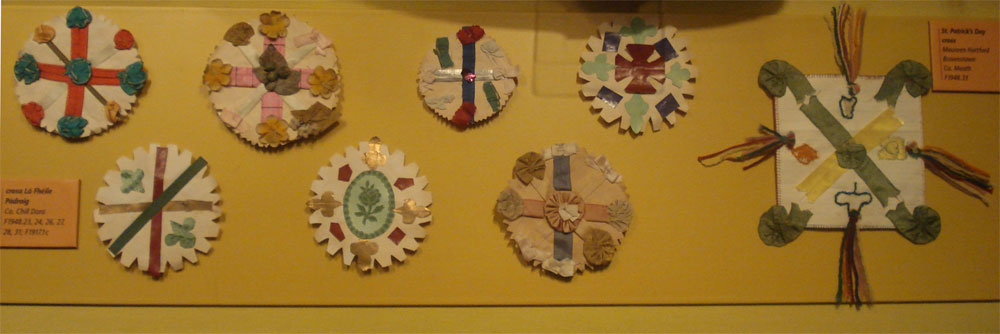 Saint Patrick's DayAn annual Irish holiday of parades, church services, green dress and shamrocks
 Mummers' playA comic folk drama of staged combat, death, and revival by an eccentric doctor
Good reading and sources
- The world’s largest ice festival features massive, stunning sculptures. See picsHindustan Times, Article
- The world’s largest ice festival features massive, stunning sculptures. See picsHindustan Times, Article
- Quebec Winter Carnival on WikipediaEncyclopedia
- More photos on Wikimedia CommonsPhotos and video
- Wikidata recordOpen data
The facts on this page come from the Wikipedia article "Quebec Winter Carnival", written by its contributors and used under the CC BY-SA 4.0 licence, and from its Wikidata record (CC0). EveryParampara rewrote the text in its own words, with AI assistance, and compares every page with the article to make sure no passage is copied. It may be reused under the same CC BY-SA 4.0 licence with a link back.
It may contain mistakes. Traditions differ from one family, village and community to the next, and the people who keep them know them best. If something is wrong, tell us. Last refreshed 2026-10-04.
More from Canada
All the traditions of Canada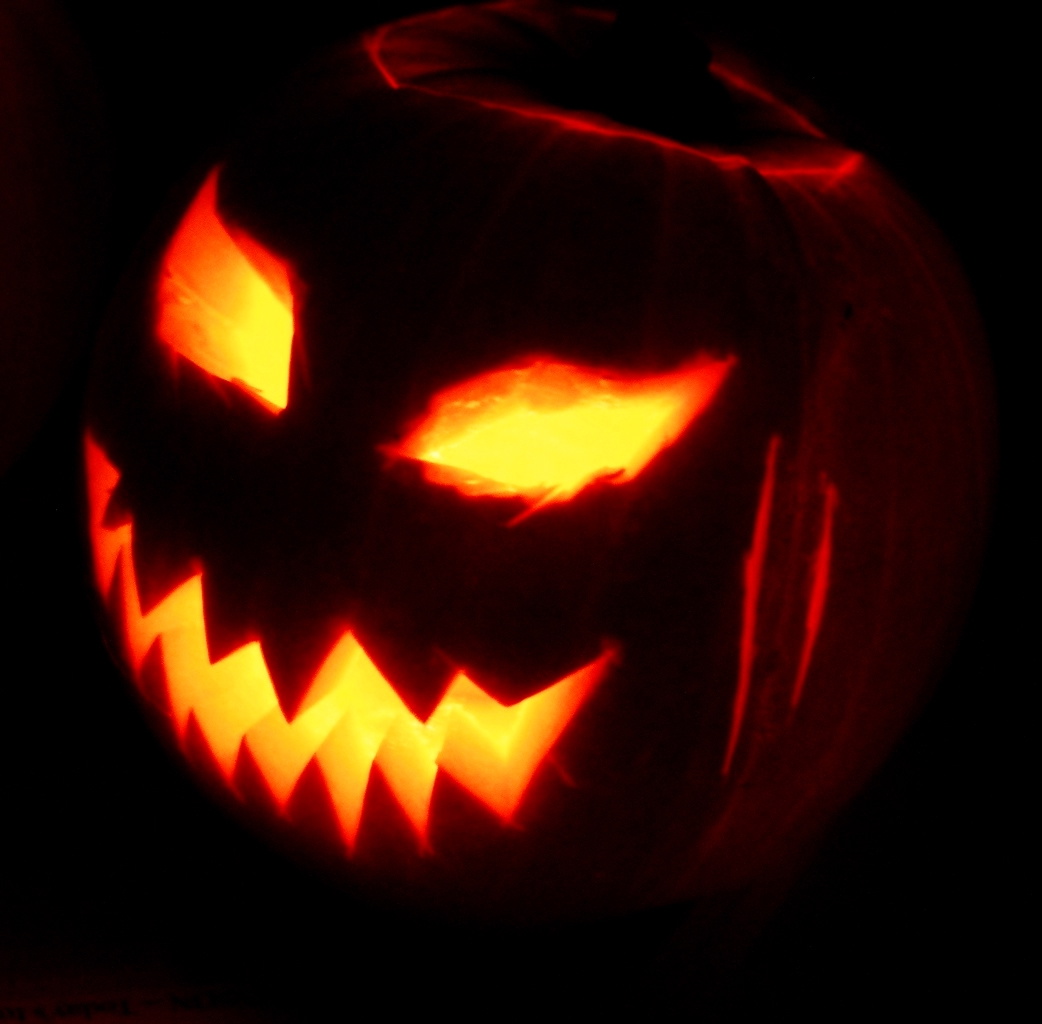 🇮🇪 Ireland and 5 moreHalloween
An annual observance on 31 October marking the eve of All Saints' Day, rooted in Christian tradition and Celtic heritageFestival · Sweets given and shared
🇮🇪 Ireland and 5 moreHalloween
An annual observance on 31 October marking the eve of All Saints' Day, rooted in Christian tradition and Celtic heritageFestival · Sweets given and shared
 🇮🇳 Kolkata, India and 5 moreNavaratriनवरात्रि (Navarātri)
A nine-night Hindu festival honoring the goddess Durga and her nine forms through prayer, fasting, and dance.Festival · Fasting and breaking the fast
🇬🇧 London, United Kingdom and 5 moreChristmas cracker
A decorative paper tube pulled apart with a bang during Christmas dinnerFestival · Dinner
🇲🇦 Morocco and 4 moreMimounaמִימוּנָה
A Maghrebi Jewish celebration marking the end of Passover with sweets and open doorsFestival · Dinner
🇮🇳 Kolkata, India and 5 moreNavaratriनवरात्रि (Navarātri)
A nine-night Hindu festival honoring the goddess Durga and her nine forms through prayer, fasting, and dance.Festival · Fasting and breaking the fast
🇬🇧 London, United Kingdom and 5 moreChristmas cracker
A decorative paper tube pulled apart with a bang during Christmas dinnerFestival · Dinner
🇲🇦 Morocco and 4 moreMimounaמִימוּנָה
A Maghrebi Jewish celebration marking the end of Passover with sweets and open doorsFestival · Dinner
The same idea elsewhere
Midwinter and the longest night compared 🇩🇪 Hamburg, Germany and 2 moreAdvent wreathAdventskranz
An evergreen ring of candles lit week by week in the lead-up to ChristmasSeasonal
🇩🇪 Hamburg, Germany and 2 moreAdvent wreathAdventskranz
An evergreen ring of candles lit week by week in the lead-up to ChristmasSeasonal
 🇭🇺 Mohács, HungaryBusójárás
A six-day winter carnival of carved wooden masks, folk music, and parades in MohácsFestival
🇭🇺 Mohács, HungaryBusójárás
A six-day winter carnival of carved wooden masks, folk music, and parades in MohácsFestival
 🇬🇧 United Kingdom and 4 moreSaffron bun
A golden, spiced yeast roll flavoured with saffron, baked for festive and holy daysTable custom · Tea-time and snacking customs
🇬🇧 United Kingdom and 4 moreSaffron bun
A golden, spiced yeast roll flavoured with saffron, baked for festive and holy daysTable custom · Tea-time and snacking customs
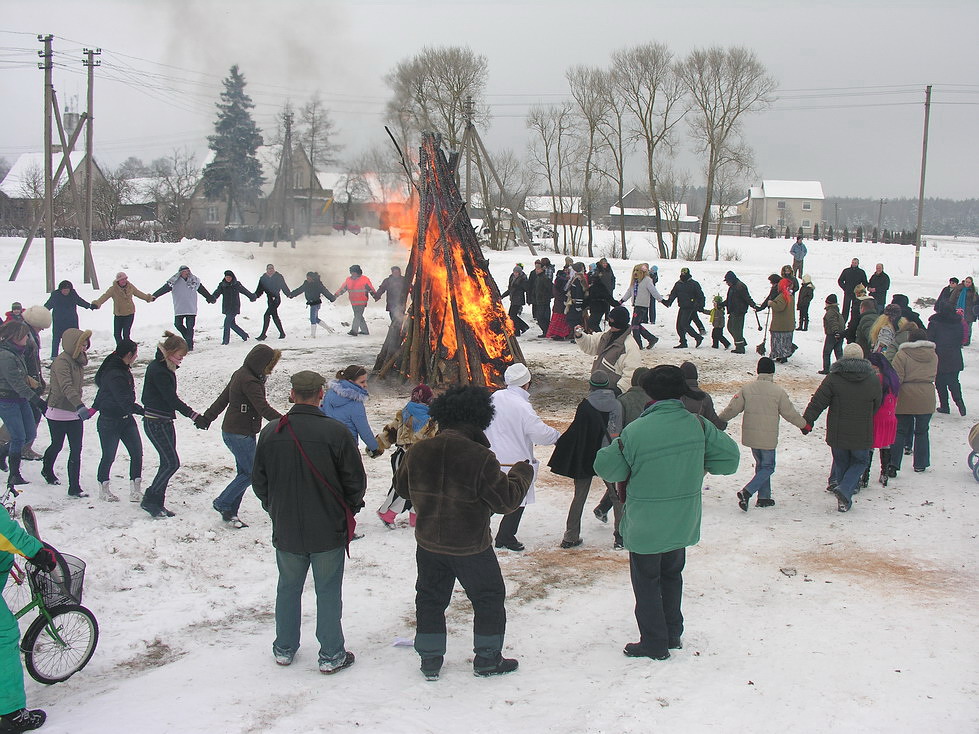 🇱🇹 LithuaniaUžgavėnės
A Lithuanian winter-ending festival of masks, mock battles and pancakesFestival
🇱🇹 LithuaniaUžgavėnės
A Lithuanian winter-ending festival of masks, mock battles and pancakesFestival