Festivals and celebrationsEuropeChristianSecular and civic
Christmas cracker
A decorative paper tube pulled apart with a bang during Christmas dinner

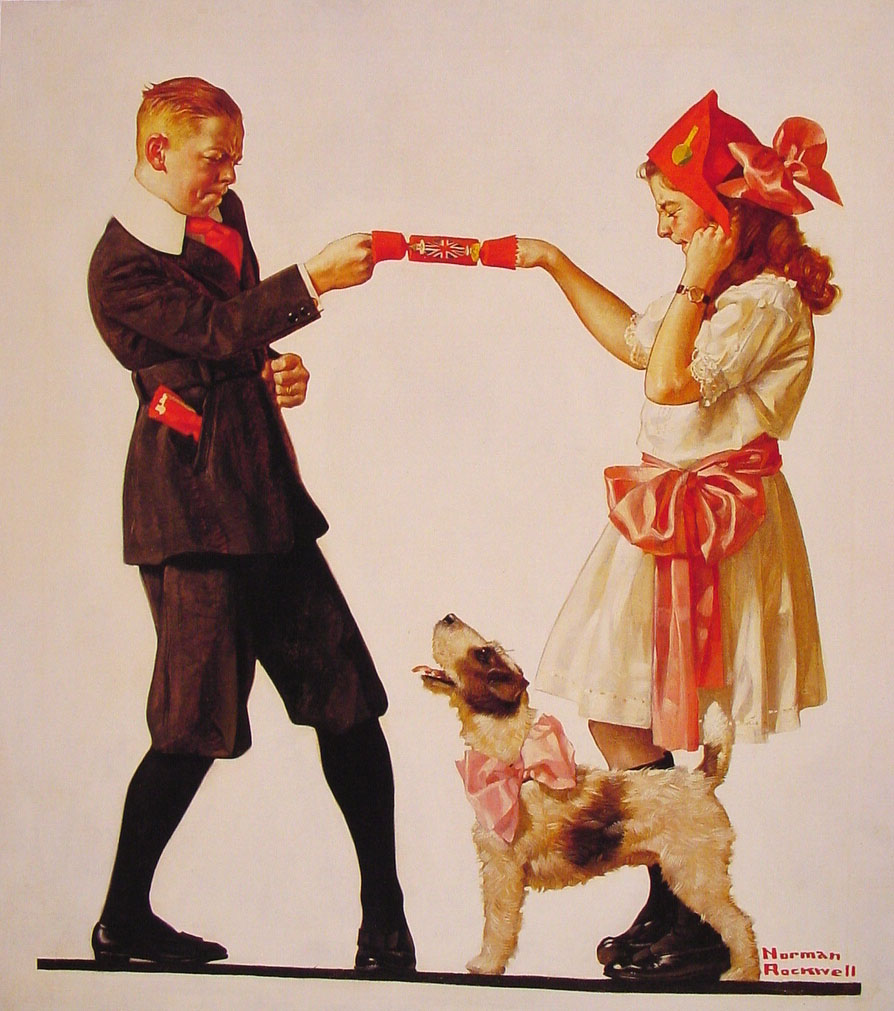
Christmas crackers are festive paper tubes pulled apart by two people at Christmas meals and parties across Britain, Ireland, and Commonwealth nations. Each snap reveals a paper crown, a short joke or riddle, and a small novelty prize.
When is Christmas cracker marked?
Christmas cracker is kept as part of Christmas, which is on Friday, 25 December 2026.
During festive winter gatherings, two people grip opposite ends of a brightly wrapped cardboard cylinder and pull. The tube snaps open with a light crack, scattering a paper crown, a novelty toy, and a printed joke onto the table. This playful custom is a fixture of holiday meals in Britain, Ireland, and across the Commonwealth, turning formal dinners into moments of shared laughter.
The table ritual
Crackers are placed beside plates at festive meals or passed around during holiday parties. Two diners grasp opposite ends of the cylinder and tug firmly. Friction against a treated cardboard strip triggers a small chemical snap, dividing the tube into uneven pieces. In one customary rule, the person left holding the larger central section claims the contents, though guests often simply keep their own. Diners immediately slip on the colourful tissue-paper crowns and read aloud the jokes, riddles, or trivia strips discovered inside.
Origins in London
London confectioner Tom Smith developed the novelty in 1847. He originally packaged bon-bon sweets in twisted paper, later adding printed romantic messages inside the wrappers to boost flagging interest. The idea for the sound mechanism came when he heard a fireplace log crackle. Enlarging the wrapper to fit a friction-based noise strip, Smith renamed the invention the Cosaque before it became known simply as a cracker. Later, his son Walter introduced paper crowns and small toys to help their wares stand out against emerging rivals.
Crowns and contents
Inside each tube sits a tissue paper hat shaped like a royal crown, which diners wear throughout the meal. Folklorists connect this headwear tradition to ancient Roman Saturnalia revels, where celebrants also wore decorative headgear. Alongside the crown, the tube holds a small plastic novelty, a miniature toy, or a piece of jewellery. A slip of paper printed with a motto, riddle, or humorous line completes the surprise, giving the table a collective prompt for conversation.
How Christmas cracker is kept
Two people at a table each take one end of the wrapped tube and pull until it breaks with a snapping sound. One participant wins the larger centre piece containing the surprises. The enclosed tissue paper crown is placed on the head, the prize is kept, and the enclosed riddle or joke is read out to the table.
When and where
People pull crackers during Christmas dinner and holiday gatherings in late December, as well as during Knut's parties in Sweden at the close of the festive season.
The practice is widespread across dining tables in the United Kingdom and Ireland, as well as Commonwealth nations including Australia, Canada, New Zealand, and South Africa, alongside Swedish festive parties.
What Christmas cracker means
Wearing the paper crowns during dinner is thought to reflect ancient Roman Saturnalia festivities, where revellers wore special head coverings. Pulling the crackers invites spontaneous fun, breaking the formality of a holiday banquet with small surprises, lighthearted jokes, and shared laughter around the table.


Days Christmas cracker is marked
Questions people ask about Christmas cracker
When is Christmas cracker marked?
Christmas cracker is kept as part of Christmas, which is on Friday, 25 December 2026.
What is a Christmas cracker?
It is a decorative cardboard cylinder wrapped in colourful paper that snaps open when pulled apart by two people, revealing a paper hat, a prize, and a joke.
What is found inside a Christmas cracker?
Each cracker contains a crown-shaped tissue paper hat to wear at dinner, a small toy or novelty trinket, and a paper strip bearing a joke, riddle, or piece of trivia.
Who invented the Christmas cracker?
London confectioner Tom Smith invented crackers in 1847. He adapted his paper-wrapped sweets by adding a small friction snap inspired by the sound of a crackling fireplace log.
See also
 Advent wreathAn evergreen ring of candles lit week by week in the lead-up to Christmas
 MatarikiThe Māori New Year marked by the midwinter rising of the Pleiades cluster
 HalloweenAn annual observance on 31 October marking the eve of All Saints' Day, rooted in Christian tradition and Celtic heritage
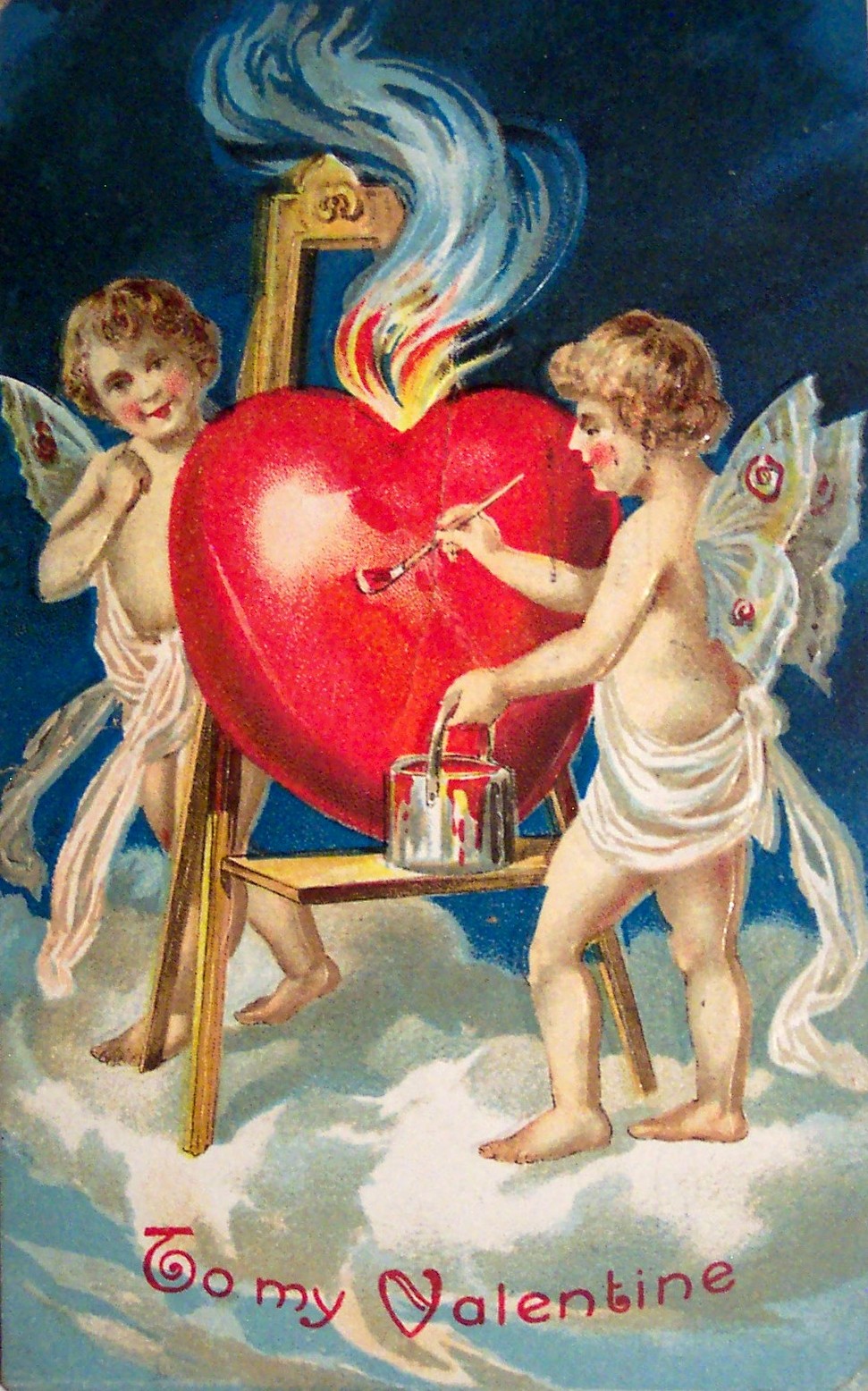 Valentine's DayA Christian feast day and cultural celebration of love kept on February 14 in many countries.
Good reading and sources
- Christmas cracker on WikipediaEncyclopedia
- More photos on Wikimedia CommonsPhotos and video
- Wikidata recordOpen data
The facts on this page come from the Wikipedia article "Christmas cracker", written by its contributors and used under the CC BY-SA 4.0 licence, and from its Wikidata record (CC0). EveryParampara rewrote the text in its own words, with AI assistance, and compares every page with the article to make sure no passage is copied. It may be reused under the same CC BY-SA 4.0 licence with a link back.
It may contain mistakes. Traditions differ from one family, village and community to the next, and the people who keep them know them best. If something is wrong, tell us. Last refreshed 2026-10-04.
More from the United Kingdom
All the traditions of the United Kingdom 🇮🇹 Rome, Italy and 4 moreChristmas
A festival of Jesus's birth, kept on 25 December with gifts, lights and shared mealsFestival
🇮🇹 Rome, Italy and 4 moreChristmas
A festival of Jesus's birth, kept on 25 December with gifts, lights and shared mealsFestival
 🇨🇦 Canada and 2 moreMummering
A festive midwinter custom of disguised visits, music and playful guessing gamesFestival · Tea-time and snacking customs
🇬🇧 United Kingdom and 4 moreValentine's Day
A Christian feast day and cultural celebration of love kept on February 14 in many countries.Festival
🇨🇦 Canada and 2 moreMummering
A festive midwinter custom of disguised visits, music and playful guessing gamesFestival · Tea-time and snacking customs
🇬🇧 United Kingdom and 4 moreValentine's Day
A Christian feast day and cultural celebration of love kept on February 14 in many countries.Festival
 🇮🇪 Ireland and 4 moreTrick-or-treating
A custom where children visit homes in costume to ask for treats or face a playful prank.Festival · Sweets given and shared
🇮🇪 Ireland and 4 moreTrick-or-treating
A custom where children visit homes in costume to ask for treats or face a playful prank.Festival · Sweets given and shared
The same idea elsewhere
Midwinter and the longest night compared 🇵🇪 Cusco, Peru and 4 moreIntiinti (Quechua)
The Inca sun deity, honoured with temples, offerings and the June festival Inti RaymiSpiritual
🇵🇪 Cusco, Peru and 4 moreIntiinti (Quechua)
The Inca sun deity, honoured with temples, offerings and the June festival Inti RaymiSpiritual
 🇮🇷 Iran and 5 moreYaldā Nightشب یلدا
A solstice night of poetry, fruit and family, kept from Iran through Central AsiaFestival · Dinner
🇮🇷 Iran and 5 moreYaldā Nightشب یلدا
A solstice night of poetry, fruit and family, kept from Iran through Central AsiaFestival · Dinner
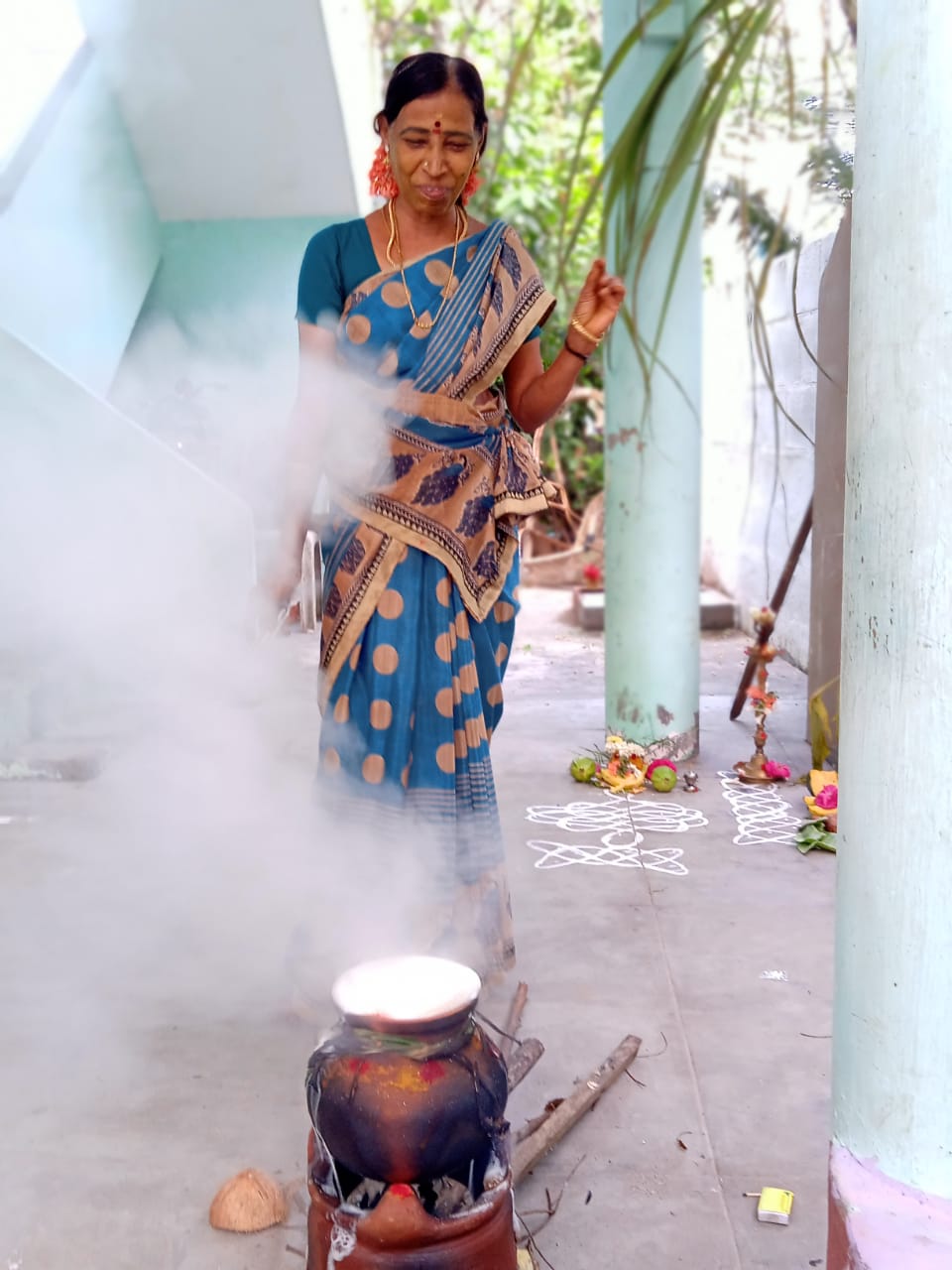 🇮🇳 India and 5 morePongal
Three or four days of boiling rice, garlanded cattle and thanks to the sunSeasonal · Sweets given and shared
🇮🇳 India and 5 morePongal
Three or four days of boiling rice, garlanded cattle and thanks to the sunSeasonal · Sweets given and shared
 🇨🇳 Shanghai, China and 1 moreJiaozi餃子
Crescent Chinese dumplings filled with meat or vegetables, eaten for fortune and feastsTable custom · Breakfast
🇨🇳 Shanghai, China and 1 moreJiaozi餃子
Crescent Chinese dumplings filled with meat or vegetables, eaten for fortune and feastsTable custom · Breakfast