Spiritual and religiousSouth AsiaHinduBuddhist
Sacred groves of India
Communal forest sanctuaries across India where religious belief protects biodiversity and local resources.

Sacred groves are small patches of natural vegetation in India that communities protect through religious custom. These areas serve as habitats for rare plants and animals while providing spiritual spaces linked to local deities and ancestral traditions.
When is Sacred groves of India kept?
Sacred groves of India is kept on year-round.
Sacred groves are protected forest patches maintained by local communities in India. People view these woods as the homes of deities or nature spirits. The tradition forbids hunting and logging within their boundaries. This practice preserves biodiversity and offers a space for spiritual connection with the natural world.
Origins and history
The practice of protecting forests appears in ancient Hindu, Jain, and Buddhist texts. Early writings describe sacred tree groves, bamboo forests, and deer parks. The Vrukshayurveda, an ancient treatise on plant life, links ecological conservation with mystical beliefs. Historical records also mention these sites in classical works like Kalidasa's Vikramuurvashiiya. Over time, the tradition evolved to include various types of forests, from penance groves to goddess forests.
How it is kept
Communities manage these groves through strict rules against hunting and wood chopping. Villagers often take turns guarding the area. Some uses like collecting honey or deadwood are allowed if done sustainably. Modern legislation under the Wild Life Protection Amendment Act of 2002 provides government protection for some community-held lands. NGOs also collaborate with locals to ensure the survival of these natural sanctuaries against urbanization and resource exploitation.
Religious beliefs
Groves are typically associated with a presiding deity, often a nature spirit or guardian. In Kerala and Karnataka alone, over one thousand deities link to these sites. Ritualistic dances like Theyyam in Kerala and Nagmandalam in Karnataka honor these spirits. Folk tales and mythology surround the guardians of the groves. Planting specific trees like tulasi, bilva, or banyan is believed to bring spiritual merit and divine reward to the planter.
Ecological role
These groves act as biodiversity hotspots, sheltering species extinct in surrounding areas. They reduce soil erosion and prevent desertification, particularly in regions like Rajasthan. Many groves contain ponds and streams that recharge aquifers and meet local water needs. In urban settings, they function as green lungs. The vegetation serves as a repository for Ayurvedic medicines and replenishable resources like fruits.
How Sacred groves of India is kept
Communities enforce taboos against hunting and logging. Local members guard the groves, sometimes rotating duties. Sustainable collection of honey and deadwood may occur. Modern laws and NGO support help preserve these areas from development and overuse.
When and where
Observed year-round as permanent protected spaces.
Scattered across India, from Rajasthan's scrub forests to Kerala's rainforests. Significant numbers exist in Himachal Pradesh and Meghalaya.
What Sacred groves of India means
Groves represent sanctuaries for flora and fauna, reflecting a deep spiritual respect for nature. They embody the connection between human habitation and divine presence in the landscape, serving as living temples for local deities.


Questions people ask about Sacred groves of India
When is Sacred groves of India kept?
Sacred groves of India is kept on year-round.
Where is Sacred groves of India kept?
Sacred groves of India belongs to the traditions of India, and is tied most closely to Delhi.
Who keeps Sacred groves of India?
As our sources describe it, Sacred groves of India is kept by Local Indian communities. Many other communities and families now share it too.
See also
 TheyyamA sacred ritual dance and divine invocation from North Malabar in IndiaChota Char DhamFour Himalayan shrines in Uttarakhand, visited in one season each year
 Kailash Mansarovar YatraA high-altitude pilgrimage to Mount Kailash and Lake Manasarovar in Tibet
 PretaOfferings and rites for spirits enduring deep hunger across Asian traditions.
Good reading and sources
The facts on this page come from the Wikipedia article "Sacred groves of India", written by its contributors and used under the CC BY-SA 4.0 licence, and from its Wikidata record (CC0). EveryParampara rewrote the text in its own words, with AI assistance, and compares every page with the article to make sure no passage is copied. It may be reused under the same CC BY-SA 4.0 licence with a link back.
It may contain mistakes. Traditions differ from one family, village and community to the next, and the people who keep them know them best. If something is wrong, tell us. Last refreshed 2026-10-06.
More from India
All the traditions of India
🇮🇳 IndiaTheyyam
A sacred ritual dance and divine invocation from North Malabar in IndiaSpiritual
🇮🇳 Badrinath, IndiaChota Char Dham
Four Himalayan shrines in Uttarakhand, visited in one season each yearSpiritual
🇮🇳 India and 1 moreKailash Mansarovar Yatraकैलाश मानसरोवर यात्रा (Hindi); ཀཱའི་ལ་ཤ་མན་ས་རོ་ཝར་ཡ་ཏྲ། (Tibetan)
A high-altitude pilgrimage to Mount Kailash and Lake Manasarovar in TibetSpiritual
🇮🇳 India and 5 morePretaप्रेत
Offerings and rites for spirits enduring deep hunger across Asian traditions.Spiritual
The same idea elsewhere
Remembering the ancestors compared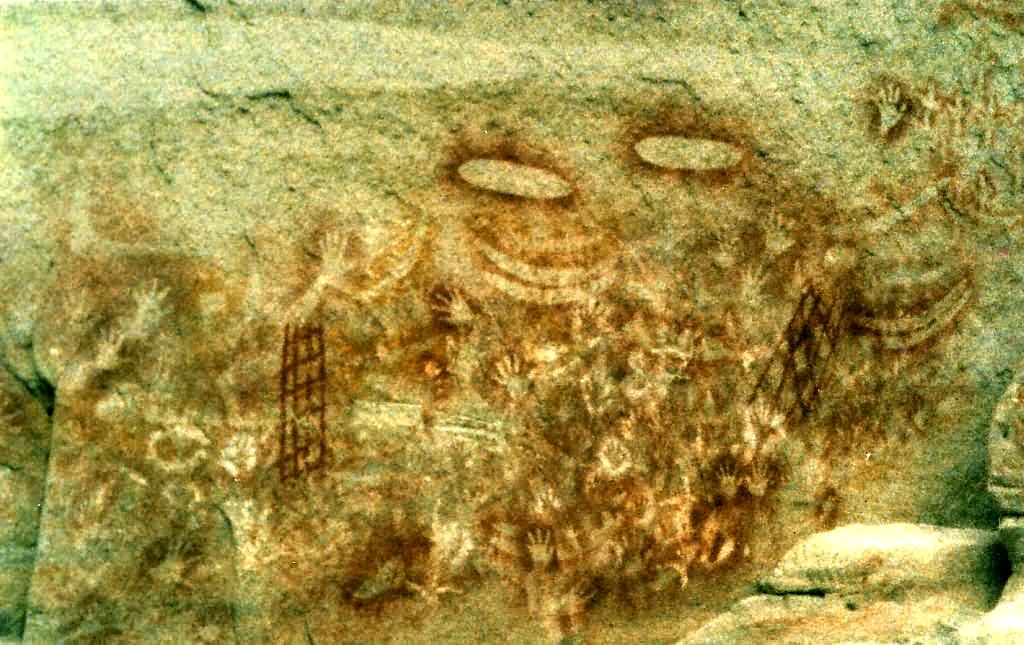 🇦🇺 AustraliaThe Dreaming
A living spiritual worldview and law connecting Aboriginal Australians to ancestors, land, and community.Spiritual
🇦🇺 AustraliaThe Dreaming
A living spiritual worldview and law connecting Aboriginal Australians to ancestors, land, and community.Spiritual
 🇮🇱 Jerusalem, IsraelSukkotסוכות
A seven-day autumn Jewish festival of temporary booths, harvest prayers and hospitalitySpiritual
🇮🇱 Jerusalem, IsraelSukkotסוכות
A seven-day autumn Jewish festival of temporary booths, harvest prayers and hospitalitySpiritual
 🇬🇪 Tbilisi, Georgia and 4 moreGeorgian polyphonic singing
Several voices at once, sung without instruments at Georgian feasts and weddingsPerformance
🇬🇪 Tbilisi, Georgia and 4 moreGeorgian polyphonic singing
Several voices at once, sung without instruments at Georgian feasts and weddingsPerformance
 🇮🇪 Ireland and 2 moreJack-o'-lantern
A carved pumpkin lantern lit with a candle to brighten and protect Halloween nightsFolklore
🇮🇪 Ireland and 2 moreJack-o'-lantern
A carved pumpkin lantern lit with a candle to brighten and protect Halloween nightsFolklore