Festivals and celebrationsMiddle EastZoroastrianSecular and civic
Sadeh
In its own language: سده
An ancient midwinter festival of fire, light, and the approach of spring

Sadeh is an ancient Iranian midwinter festival marking one hundred days and nights until spring. Zoroastrian communities and people across Iran and Tajikistan build large outdoor bonfires at dusk, dancing in circles, praying, and sharing roasted meats to celebrate fire and the revival of warmth.
When is Sadeh in 2027?
Sadeh 2027 is on Saturday, 30 January 2027. Other years: 2026, Friday, 30 January 2026; 2028, Sunday, 30 January 2028.
Sadeh is an ancient Iranian festival held in the heart of winter, exactly fifty days before Nowruz. Meaning hundred in Persian, it notes the hundred days and nights remaining before spring arrives. Communities come together at dusk to light open-air bonfires, dance hand in hand, and share meals. The ritual honors fire and divine light while symbolically driving away cold, frost, and dark spirits.
The discovery of fire
According to Persian myth, the legendary ruler King Hushang founded the custom. While ascending a mountain, he hurled a flint stone at a snake. The rock struck another stone, generating sparks that ignited the first flame. Rejoicing at the revelation of fire, Hushang praised God for this gift of divine light and commanded people to venerate it. Historically dating back to the Achaemenid Empire, the festival has long highlighted the sacredness of fire, energy, and warmth. In early Zoroastrian theology, this holy light is understood to dwell within the hearts of all living beings.
Bonfires and community circles
Preparations traditionally begin with collecting fuel for the pyre. In Zoroastrian custom, young men journey into nearby desert hills to harvest camel thorn shrubs, marking a recognized passage toward adult life. At sunset, families and neighbors assemble around large wood piles in open grounds or temple courtyards. After prayers, the fire is set alight. Participants hold hands to create wide circles, dancing around the blaze and singing. In past centuries, women carried embers back to revive their own hearth fires, sharing the temple blessing across each home.
Feasting and donations
Sharing meals forms a vital part of the gathering. Communities prepare stews and roasted dishes made from sacrificial lamb, beef, or poultry, distributing generous portions to those in need. In historical times, festivities extended over three full days with lavish royal banquets, fireworks displays, and music. In tenth-century Isfahan, ruler Mardavij arranged grand bonfires along both banks of the Zayandeh River, freeing flocks of birds into illuminated night skies. Today, public feasts and outdoor gatherings continue to bring people together over plates of warm roasted meat and donated food.
Modern observances
Sadeh remains an official observance in Tajikistan and is kept widely across Iran, especially in Yazd, Kerman, and Tehran. Zoroastrians hold dedicated ceremonies at sites such as the Chak-Chak mountain shrine near Yazd, where legend says a royal princess sought sanctuary in the seventh century. For many modern Iranians of various backgrounds, the holiday offers a secular occasion to honor ancestral heritage and the cycle of nature. In recent years, public gatherings and rooftop fires have taken place in dozens of cities, uniting local neighborhoods in joint celebration.
How Sadeh is kept
On the eve of Sadeh, participants gather desert brush and firewood. As dusk falls, people assemble in open spaces, public parks, or fire temples. Religious prayers are recited before the central woodpile is ignited. Once the bonfire blazes, men and women join hands, forming large rings to dance and sing beside the flames. Afterward, families share festive meals of roasted lamb, chicken, and beef, while donating cooked portions to neighbors and the poor.
When and where
Sadeh falls on 10 Bahman in the Iranian solar calendar, which corresponds to 29, 30, or 31 January. The date occurs exactly fifty days, or one hundred combined days and nights, before the Persian New Year at the spring equinox.
The festival is celebrated across Iran, with notable observances in Yazd, Kerman, Tehran, and Isfahan, as well as at the Chak-Chak fire temple. It is also officially observed in Tajikistan and within Iranian diaspora communities abroad.
What Sadeh means
Sadeh represents the power of warmth and light against winter frost and darkness. The name signifies the hundred days and nights until spring. The blaze symbolizes divine illumination, the revival of the sun, and protection for sleeping plant roots. The undying flame also stands for deep devotion to ancestral lands and the triumph of life over destruction.
On the table
- Roasted lamb
- Roasted beef
- Roasted chicken


Days Sadeh is marked
Sadeh dates: 2026, 2027, 2028
| Year | Sadeh date |
|---|---|
| 2026 | Friday, 30 January 2026 |
| 2027 | Saturday, 30 January 2027 |
| 2028 | Sunday, 30 January 2028 |
Questions people ask about Sadeh
When is Sadeh in 2027?
Sadeh 2027 is on Saturday, 30 January 2027. Other years: 2026, Friday, 30 January 2026; 2028, Sunday, 30 January 2028.
What is Sadeh?
Sadeh is an ancient Iranian midwinter celebration. It centers on lighting massive outdoor bonfires to welcome the return of warmth and mark the upcoming arrival of spring.
Where is the tradition observed?
Sadeh is celebrated throughout Iran, particularly in cities like Yazd, Kerman, Isfahan, and Tehran. It is also an official holiday in Tajikistan and is kept by Zoroastrians worldwide.
Why do people light bonfires for Sadeh?
The fire honors light as a gift from God. Symbolically, the heat dispels cold and frost, protects plant roots from freezing, and assists the sun in regaining strength before spring.
See also
 NowruzThe Iranian new year at the March equinox, kept with fire, greenery and picnics
 Yaldā NightA solstice night of poetry, fruit and family, kept from Iran through Central Asia
 Chaharshanbe SuriAn Iranian festival of fire and renewal celebrated on the eve of the final Wednesday before spring.
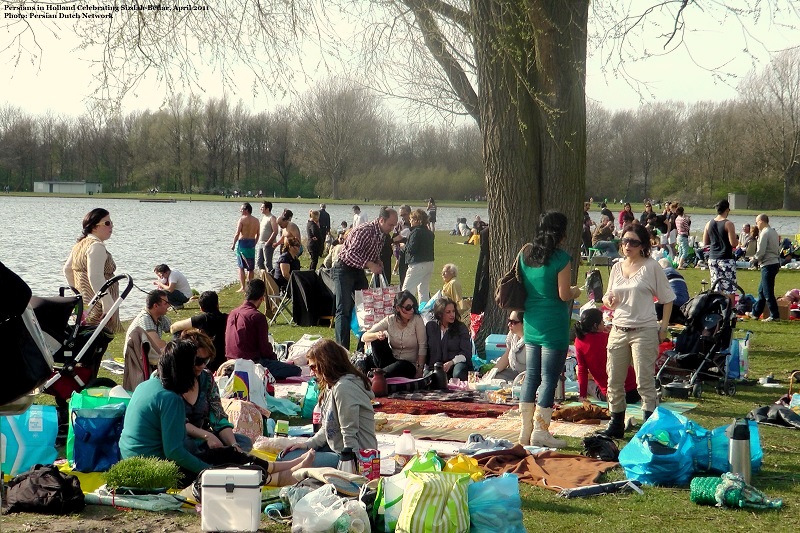 Sizdah BedarAn open-air picnic holiday concluding the Iranian New Year celebrations
Good reading and sources
- اولین جشن رسمی سده در تاجیکستانBBC, Article
- Sadeh/Sada celebrationUNESCO, Heritage listing
- Celebrating the Sadeh festivalDawn, Article
- اولین جشن رسمی سده در تاجیکستانBBC, Article
- Sadeh/Sada celebrationUNESCO, Article
- Celebrating the Sadeh festivalDawn, Article
- Sadeh on WikipediaEncyclopedia
- More photos on Wikimedia CommonsPhotos and video
- Wikidata recordOpen data
The facts on this page come from the Wikipedia article "Sadeh", written by its contributors and used under the CC BY-SA 4.0 licence, and from its Wikidata record (CC0). EveryParampara rewrote the text in its own words, with AI assistance, and compares every page with the article to make sure no passage is copied. It may be reused under the same CC BY-SA 4.0 licence with a link back.
It may contain mistakes. Traditions differ from one family, village and community to the next, and the people who keep them know them best. If something is wrong, tell us. Last refreshed 2026-10-04.
More from Iran
All the traditions of Iran
🇮🇷 Iran and 5 moreYaldā Nightشب یلدا
A solstice night of poetry, fruit and family, kept from Iran through Central AsiaFestival · Dinner
🇮🇷 Isfahan, Iran and 4 moreChaharshanbe Suriچهارشنبهسوری
An Iranian festival of fire and renewal celebrated on the eve of the final Wednesday before spring.Festival · Tea-time and snacking customs
🇮🇷 Iran and 4 moreSizdah Bedarسیزدهبدر
An open-air picnic holiday concluding the Iranian New Year celebrationsFestival
 🇮🇷 Amol, Iran and 3 moreTirganتیرگان (Tirgān)
An ancient Iranian summer festival of water, poetry and rainbow bands, kept on the thirteenth day of Tir.Festival · Feasts and festival meals
🇮🇷 Amol, Iran and 3 moreTirganتیرگان (Tirgān)
An ancient Iranian summer festival of water, poetry and rainbow bands, kept on the thirteenth day of Tir.Festival · Feasts and festival meals
The same idea elsewhere
Midwinter and the longest night compared 🇺🇦 Ukraine and 7 moreKoliadaКоляда
A traditional winter caroling and solstice festival kept across Slavic EuropeFestival
🇺🇦 Ukraine and 7 moreKoliadaКоляда
A traditional winter caroling and solstice festival kept across Slavic EuropeFestival
 🇬🇧 United Kingdom and 4 moreMummers' play
A comic folk drama of staged combat, death, and revival by an eccentric doctorPerformance
🇬🇧 United Kingdom and 4 moreMummers' play
A comic folk drama of staged combat, death, and revival by an eccentric doctorPerformance
 🇮🇳 Mathura, India and 5 moreHoliहोली (Hindi)
A spring festival of colours and bonfires that marks the end of winter and the triumph of good over evil.Festival
🇮🇳 Mathura, India and 5 moreHoliहोली (Hindi)
A spring festival of colours and bonfires that marks the end of winter and the triumph of good over evil.Festival
 🇫🇷 France and 5 moreCandlemas
A Christian feast of candle blessings marking the end of the Christmas seasonSpiritual
🇫🇷 France and 5 moreCandlemas
A Christian feast of candle blessings marking the end of the Christmas seasonSpiritual