Festivals and celebrationsMiddle EastZoroastrianSecular and civic
Sizdah Bedar
In its own language: سیزدهبدر
An open-air picnic holiday concluding the Iranian New Year celebrations
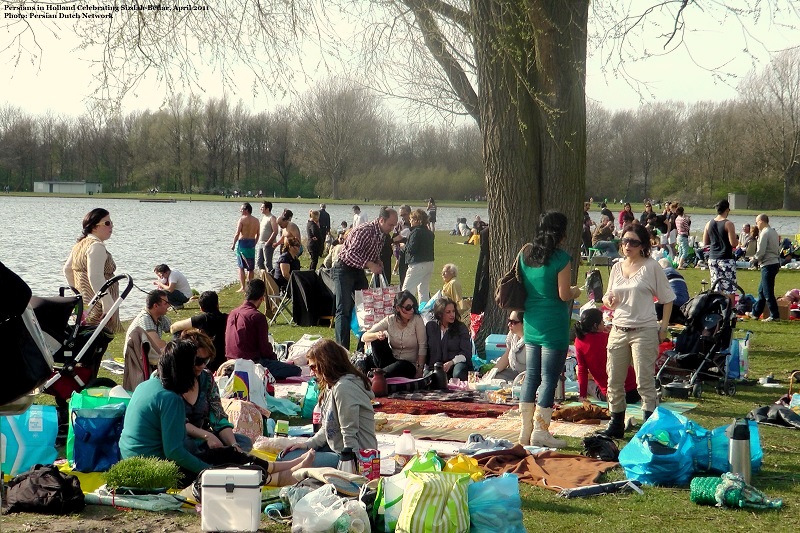
Sizdah Bedar is an outdoor holiday celebrated in Iran and among Persian communities to mark the close of the New Year season. Families gather in parks and green meadows to picnic, play pranks, and cast sprouted greens into running water for good fortune.
When is Sizdah Bedar in 2027?
Sizdah Bedar 2027 is on Friday, 2 April 2027. Other years: 2026, Thursday, 2 April 2026; 2028, Saturday, 1 April 2028.
Sizdah Bedar, also called Nature Day, brings families together across Iran and the wider diaspora to enjoy the open countryside. Taking place near the start of April, this gathering concludes the festive period of the Persian New Year. People step outside to picnic in gardens, meadows, and parks, leaving behind bad luck, wishing for prosperity, and connecting with the natural world as the fresh agricultural season begins.
Time in the outdoors
Families pack food and head into fields, river valleys, and public parks to spend the entire day outside. The celebration marks a transition back to everyday routines after nearly two weeks of seasonal festivities. Gathering under the open sky offers a chance to welcome warmer weather, share communal meals, and enjoy games. Communities living abroad often organize these outdoor picnics on nearby weekend dates. People bring along household ornaments and festive decorations from the prior weeks, preparing to complete the rituals that formally conclude the spring holiday period.
Ancient links to rain
Historical references connect this custom to ancient Iranian beliefs surrounding rain and agriculture. In the traditional calendar, the thirteenth day belonged to Tishtariah or Tir, an angel associated with rainfall and divine generosity. According to early accounts, ancient farmers traveled into open plains and waterways to ask this rain deity to triumph over the demon of drought. Dancing, rejoicing, and singing accompanied these requests for moisture to nourish newly planted crops. While specific written mentions appear mainly from the Qajar era onward, earlier epic works also note this particular calendar date.
Greens and lighthearted jokes
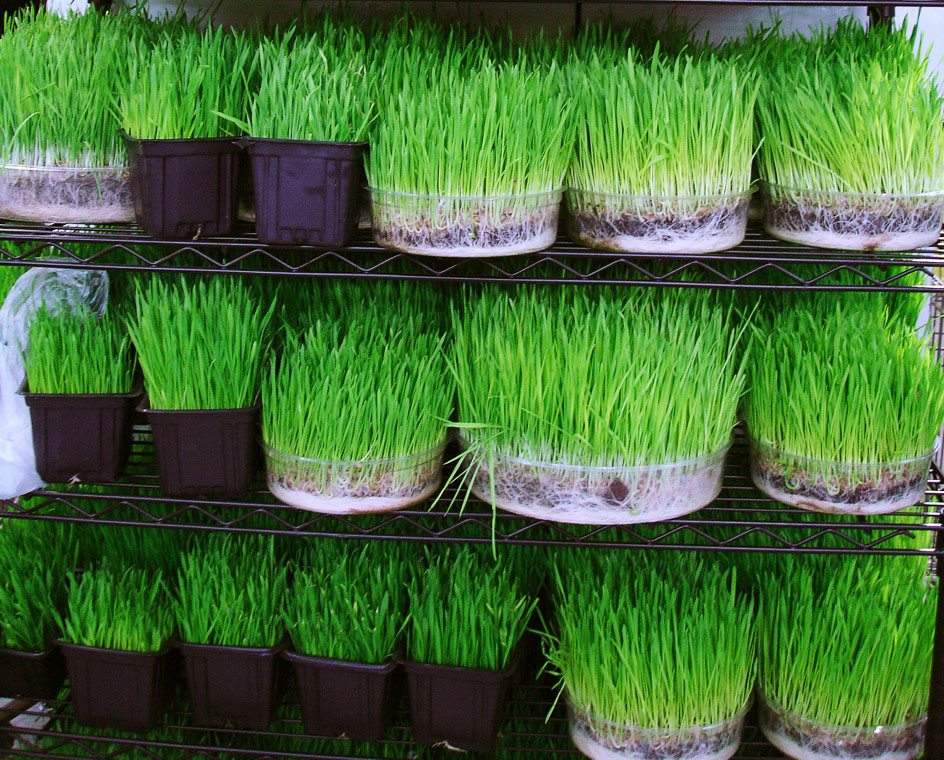
A central ritual involves the sprouted lentils or wheat, known as sabzeh, which decorated the household table during the new year. Picnickers tie knots in the green blades while making personal wishes, especially unmarried individuals seeking romance or marriage. At the conclusion of the outing, people cast these sprouts into moving streams or rivers to carry away misfortune. The day also features playful deception known as the Lie of the Thirteenth. Similar to April Fools pranks, these humorous tricks have amused communities across the region since the era of the Achaemenid Empire.
Dishes and refreshing drinks
Picnickers enjoy customary refreshments suited for open-air dining. A staple offering is sekanjabin, a traditional beverage blended from vinegar, honey, and occasionally mint. People dip crisp lettuce leaves directly into this sweet and sour syrup, a practice thought to foster physical health in the months ahead. Another widespread dish is ash-e doogh, a thick yogurt soup hailing from Ardabil and the northwestern Azeri areas. This warm, savory soup is shared widely across Iran, Azerbaijan, and Turkey, serving as a comforting meal during spring outings.
How Sizdah Bedar is kept
People head out in the morning with picnic baskets, carpets, and sprouted greens to find space in parks, fields, or riverbanks. Groups spend the afternoon eating, socializing, and playing lighthearted practical jokes. Before heading home, attendees tie knots in the stems of their sprouted greens while silently making wishes. Finally, they cast the sprouts into moving water so the current carries away ill fortune, officially ending the seasonal holiday cycle.
When and where
The holiday falls on 2 April in standard years, aligning with Farvardin 13 on the Iranian solar calendar. While people in Iran celebrate on this exact date, diaspora communities often host their gatherings on the closest weekend.
Celebrations occur in open public parks, countryside plains, and along rivers across Iran. Persian communities also gather in outdoor spaces across countries like Turkey, Azerbaijan, and the Netherlands.
What Sizdah Bedar means
Leaving the house represents shedding ominous influences tied to the number thirteen and welcoming natural blessings. Casting sprouted greens into running water symbolises renewal and releasing negativity, while knotting green blades embodies hope for romance, health, and favorable circumstances in the coming year.
On the table
- Sekanjabin
- Lettuce with sekanjabin
- Ash-e doogh
Flavours: Mint

Days Sizdah Bedar is marked
Sizdah Bedar dates: 2026, 2027, 2028
| Year | Sizdah Bedar date |
|---|---|
| 2026 | Thursday, 2 April 2026 |
| 2027 | Friday, 2 April 2027 |
| 2028 | Saturday, 1 April 2028 |
Questions people ask about Sizdah Bedar
When is Sizdah Bedar in 2027?
Sizdah Bedar 2027 is on Friday, 2 April 2027. Other years: 2026, Thursday, 2 April 2026; 2028, Saturday, 1 April 2028.
What is Sizdah Bedar?
It is an Iranian outdoor holiday where people gather with friends and family for picnics in nature, marking the final day of the spring New Year festivities.
Why do people throw sprouted greens into rivers?
Throwing the New Year sprouted greens into moving water is believed to wash away bad fortune and invite renewal for the upcoming months.
What traditional foods are eaten during the picnic?
People enjoy fresh lettuce dipped in sekanjabin, a mint, vinegar, and honey syrup, alongside ash-e doogh, a traditional yogurt soup.
See also
 NowruzThe Iranian new year at the March equinox, kept with fire, greenery and picnics
 Yaldā NightA solstice night of poetry, fruit and family, kept from Iran through Central Asia
 Chaharshanbe SuriAn Iranian festival of fire and renewal celebrated on the eve of the final Wednesday before spring.
 HıdırellezA spring festival marking the meeting of two prophets, celebrated across Turkey and the Balkans.
Good reading and sources
- Sizdah Be-dar on WikipediaEncyclopedia
- More photos on Wikimedia CommonsPhotos and video
- Wikidata recordOpen data
The facts on this page come from the Wikipedia article "Sizdah Be-dar", written by its contributors and used under the CC BY-SA 4.0 licence, and from its Wikidata record (CC0). EveryParampara rewrote the text in its own words, with AI assistance, and compares every page with the article to make sure no passage is copied. It may be reused under the same CC BY-SA 4.0 licence with a link back.
It may contain mistakes. Traditions differ from one family, village and community to the next, and the people who keep them know them best. If something is wrong, tell us. Last refreshed 2026-10-04.
More from Iran
All the traditions of Iran
🇮🇷 Iran and 5 moreYaldā Nightشب یلدا
A solstice night of poetry, fruit and family, kept from Iran through Central AsiaFestival · Dinner
🇮🇷 Isfahan, Iran and 4 moreChaharshanbe Suriچهارشنبهسوری
An Iranian festival of fire and renewal celebrated on the eve of the final Wednesday before spring.Festival · Tea-time and snacking customs
 🇮🇷 Yazd, Iran and 1 moreSadehسده
An ancient midwinter festival of fire, light, and the approach of springFestival · Feasts and festival meals
🇮🇷 Yazd, Iran and 1 moreSadehسده
An ancient midwinter festival of fire, light, and the approach of springFestival · Feasts and festival meals
 🇮🇷 Amol, Iran and 3 moreTirganتیرگان (Tirgān)
An ancient Iranian summer festival of water, poetry and rainbow bands, kept on the thirteenth day of Tir.Festival · Feasts and festival meals
🇮🇷 Amol, Iran and 3 moreTirganتیرگان (Tirgān)
An ancient Iranian summer festival of water, poetry and rainbow bands, kept on the thirteenth day of Tir.Festival · Feasts and festival meals
The same idea elsewhere
Spring and renewal compared 🇰🇷 Jeju, South KoreaGut굿
Sacred rites of song, dance, and spirit communion performed by Korean shamansSpiritual
🇰🇷 Jeju, South KoreaGut굿
Sacred rites of song, dance, and spirit communion performed by Korean shamansSpiritual
 🇦🇱 Elbasan, Albania and 3 moreDita e Verës
An Albanian spring festival of bonfires, sweets and nature renewal on March 14Seasonal
🇦🇱 Elbasan, Albania and 3 moreDita e Verës
An Albanian spring festival of bonfires, sweets and nature renewal on March 14Seasonal
 🇧🇬 Bulgaria and 4 moreKukeriкукери (kukeri)
Masked and belled figures who tour Bulgarian villages at New Year to drive off harmSpiritual
🇧🇬 Bulgaria and 4 moreKukeriкукери (kukeri)
Masked and belled figures who tour Bulgarian villages at New Year to drive off harmSpiritual
 🇺🇦 Ukraine and 7 moreEgg decorating
Decorating eggs with dye, wax and carving, kept at Easter, Nowruz and springCraft
🇺🇦 Ukraine and 7 moreEgg decorating
Decorating eggs with dye, wax and carving, kept at Easter, Nowruz and springCraft