Seasons, harvest and the calendarEast Asia
Sanfutie
In its own language: 三伏贴
A seasonal Chinese medicine practice applying herbal patches during peak summer heat
Sanfutie is a traditional Chinese healing custom dating back to the Qing dynasty. During sanfu, the warmest phase of the traditional calendar, practitioners place medicated patches on specific acupuncture points along the back to help soothe winter ailments.
When is Sanfutie kept?
Sanfutie is kept during sanfu, the warmest days of the traditional Chinese calendar.
Sanfutie is a seasonal practice in traditional Chinese medicine that uses herbal plasters placed on acupuncture points. Originating during the Qing dynasty, the custom follows the principle of treating winter illnesses during the summer. People seek this therapy during sanfu, the year's hottest stretch on the traditional calendar, taking advantage of midsummer warmth to treat conditions before colder weather returns.
Origins and seasonal timing
This therapeutic tradition took shape during the Qing dynasty and is guided by the concept of winter disease, summer cure. According to this framework, the most effective time to address conditions that worsen in cold weather is during the highest heat of summer. That period is known as sanfu, a distinct phase of peak heat on the Chinese calendar. Practitioners consider these sweltering days the ideal moment to apply remedies for long-term health.
Applying the patches
During a treatment session, a person receives four medicated plasters placed directly onto the back. Each plaster is roughly the size of a standard credit card and is carefully positioned over chosen acupuncture spots. All four patches are attached to the body at the same time. They stay on the skin for several minutes, with the exact duration depending on the particular medicinal components blended into each individual patch.
Targeting winter ailments
Sanfutie is designed specifically to target health conditions that flare up when the weather turns cold. One notable example of a winter disease addressed through this method is allergic rhinitis. By placing medicinal plasters on acupuncture points during the midsummer heatwaves, practitioners aim to ease recurring cold-season troubles. Because the therapy relies on the natural warmth of this window, people schedule their applications strictly around the hottest summer dates.
How Sanfutie is kept
To receive Sanfutie, a person visits a traditional Chinese medicine practitioner during the warmest days of the year. The practitioner places four credit-card-sized medicated patches onto selected acupuncture points across the patient's back. These plasters are applied simultaneously. The person rests while the patches remain on the skin for several minutes, with the exact timing determined by the ingredients in the mixture.
When and where
The treatment is held during sanfu, the warmest phase of the traditional Chinese calendar. These peak summer days provide the specific seasonal warmth required by the therapy.
Sanfutie is practiced within traditional Chinese medicine, where it originated in the Qing dynasty. Practitioners offer these seasonal patch treatments in clinics during the hottest summer period.
What Sanfutie means
The practice embodies the classical idea of curing winter diseases in summer. It reflects a traditional view of working in harmony with seasonal rhythms, using the intense heat of midsummer to strengthen the body against illnesses that typically arise during the cold winter months.
Questions people ask about Sanfutie
When is Sanfutie kept?
Sanfutie is kept during sanfu, the warmest days of the traditional Chinese calendar.
What is Sanfutie?
Sanfutie is a seasonal treatment in traditional Chinese medicine originating in the Qing dynasty. It involves placing medicated patches on acupuncture points on the back to help manage cold-weather illnesses.
How is the patch treatment applied?
Four patches roughly the size of credit cards are applied at once to specific points on the back. They remain on the skin for several minutes, depending on their medicinal ingredients.
What conditions does Sanfutie treat?
The method targets winter ailments under the principle of treating winter diseases in summer. One specific condition treated with these seasonal patches is allergic rhinitis.
See also
 Double Ninth FestivalAn autumn festival of mountain walks, chrysanthemum wine and ancestor remembrance
 Harvest festivalA thanks for the gathered crop, kept with church meals, songs and shared food
 Water lanternSmall lamps floated on water to honour the dead and ask for good fortune
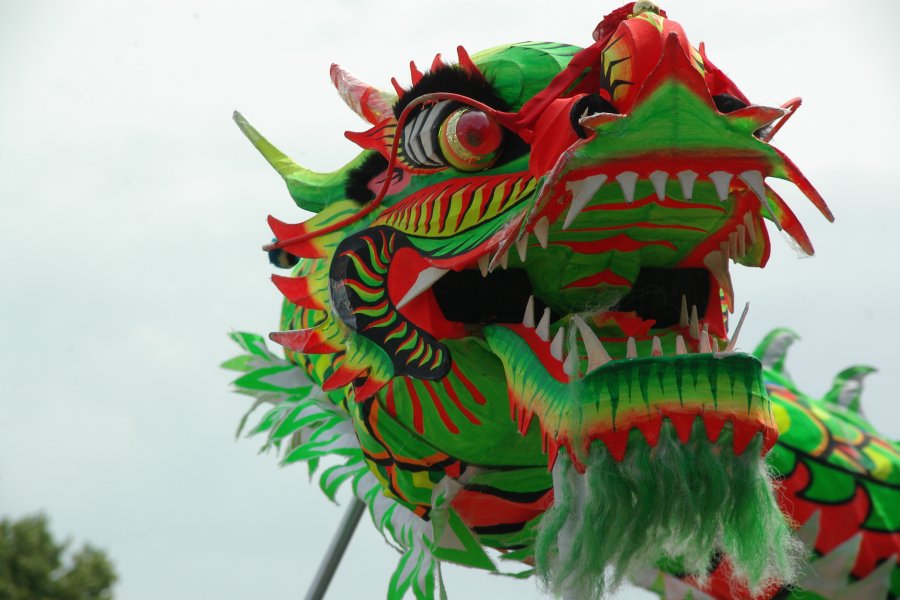 Dragon danceA long dragon puppet on poles, danced by a team at Chinese New Year and other festivals
Good reading and sources
The facts on this page come from the Wikipedia article "Sanfutie", written by its contributors and used under the CC BY-SA 4.0 licence, and from its Wikidata record (CC0). EveryParampara rewrote the text in its own words, with AI assistance, and compares every page with the article to make sure no passage is copied. It may be reused under the same CC BY-SA 4.0 licence with a link back.
It may contain mistakes. Traditions differ from one family, village and community to the next, and the people who keep them know them best. If something is wrong, tell us. Last refreshed 2026-10-07.
More from China
All the traditions of China
🇨🇳 China and 5 moreDouble Ninth Festival重陽節
An autumn festival of mountain walks, chrysanthemum wine and ancestor remembranceSeasonal · Tea-time and snacking customs
🇬🇧 United Kingdom and 5 moreHarvest festival
A thanks for the gathered crop, kept with church meals, songs and shared foodSeasonal · Feasts and festival meals
 🇲🇳 Mongolia and 2 moreTsagaan SarЦагаан сар
The Mongolian Lunar New Year festival of peace, elders, white foods and renewalSeasonal · Feasts and festival meals
🇲🇳 Mongolia and 2 moreTsagaan SarЦагаан сар
The Mongolian Lunar New Year festival of peace, elders, white foods and renewalSeasonal · Feasts and festival meals
 🇨🇳 ChinaGolden Week黄金周
Seven- or eight-day national holiday periods in China for travel and family visitsSeasonal
🇨🇳 ChinaGolden Week黄金周
Seven- or eight-day national holiday periods in China for travel and family visitsSeasonal
The same idea elsewhere
Healing, luck and protection compared 🇩🇪 Germany and 5 moreChristmas tree
A decorated evergreen or artificial tree placed indoors to mark the Christmas season.Festival
🇩🇪 Germany and 5 moreChristmas tree
A decorated evergreen or artificial tree placed indoors to mark the Christmas season.Festival
 🇫🇷 France and 5 moreCandlemas
A Christian feast of candle blessings marking the end of the Christmas seasonSpiritual
🇫🇷 France and 5 moreCandlemas
A Christian feast of candle blessings marking the end of the Christmas seasonSpiritual
 🇮🇪 Ireland and 2 moreJack-o'-lantern
A carved pumpkin lantern lit with a candle to brighten and protect Halloween nightsFolklore
🇮🇪 Ireland and 2 moreJack-o'-lantern
A carved pumpkin lantern lit with a candle to brighten and protect Halloween nightsFolklore
 🇺🇸 United States and 4 moreFriday the 13th
A Western folk superstition regarding the unluckiness of a Friday falling on the 13th.Folklore
🇺🇸 United States and 4 moreFriday the 13th
A Western folk superstition regarding the unluckiness of a Friday falling on the 13th.Folklore