Seasons, harvest and the calendarEast AsiaBuddhistIndigenous and traditional
Tsagaan Sar
In its own language: Цагаан сар
The Mongolian Lunar New Year festival of peace, elders, white foods and renewal

Tsagaan Sar is the Mongolian Lunar New Year, observed by Mongolic and Turkic communities across Mongolia, Russia and China. Families welcome the new year over three days with respectful greetings for elders, clean homes, peaceful reunions, and banquets of dumplings and dairy.
When is Tsagaan Sar in 2027?
Tsagaan Sar 2027 runs from 7 to 9 February 2027. The date follows the moon or a local calendar, so it can move by a day. Other years: 2028, 27 to 29 January 2028.
Tsagaan Sar, or the White Moon, is the Mongolian Lunar New Year. Held over the opening three days of the lunar calendar, the festival turns on renewal, hospitality and family respect. Relatives gather in traditional dress to greet their elders, share rich dairy dishes and steamed dumplings, and clear away old debts and grievances in favour of peace for the coming year.
The eve of Bituun
Celebrations begin on Bituun, the dark moon day before the new year arrives. Households clean every corner of their living spaces, while pastoral herders sweep out animal barns and shelters so everything meets the fresh year untainted. Families light altar candles for Buddhist enlightenment and place three pieces of ice outside the doorway to water the steed of the deity Palden Lhamo, who is believed to visit every home. Immediate relatives gather at dusk to dine on steamed buuz dumplings and dairy foods, taking care to settle outstanding debts and resolve old quarrels before dawn.
Greetings and family visits
On the first morning, family members gather at the home of their senior relative. People dress in traditional Mongolian garments and greet the eldest through a gesture known as zolgokh. A younger person extends their arms beneath the elbows of the elder to offer support, before both bow and the elder delivers a traditional sniff-kiss to each cheek. Greetings include holding long blue silk cloths called khadag and asking 'Amar baina uu?', which wishes peaceful life. The head of the household receives these formal respects from every family member except their spouse.
Feasting and white foods
Food plays a central role during the holiday. Mongolians prepare large spreads days in advance, crafting mountains of steamed meat dumplings called buuz and frying decorative pastries known as ul boov. These pastries are stacked into tiered towers that symbolise the sacred Mount Sumeru or Shambhala. Tables are filled with tsagaan idee, the 'white foods' of dairy and sweetened rice, alongside sheep mutton, sheep tail and fermented airag. The white colour of these dairy dishes reflects purity of spirit and goodwill, setting an auspicious tone for the entire year ahead.
History and revival
Early Mongol rulers marked the lunar turning using the twelve-year animal cycle. The Secret History of the Mongols describes Genghis Khan offering gold gifts to elders and wearing fresh robes at the new year, while Marco Polo recorded thirteenth-century courts clad in white robes to attract good fortune. Following the death of Khorloogiin Choibalsan in 1952, the socialist authorities banned the festival and promoted a secular herders' holiday instead. Tsagaan Sar returned to full public observance following the 1990 Democratic Revolution, reclaiming its central place in Mongol cultural life.
How Tsagaan Sar is kept
Preparations start on Bituun, the dark moon eve, when families clean dwellings, set ice outside for the deity Palden Lhamo's mount, and clear unpaid debts. On the first day, relatives put on traditional clothes and visit the family elder. Younger kin perform the zolgokh greeting by supporting the elder's elbows, offering blue silk scarves, and asking after their peace. The host family shares large platters of buuz dumplings, boiled sheep meat, dairy items, and airag. Visits continue over three days as people exchange gifts, honour relations, and make amends.
When and where
Tsagaan Sar takes place during the first three days of the opening month of the Mongolian lunisolar calendar. The precise dates are calculated using the Tegus Buyantu astrological system, typically falling between late January and early March.
The festival is kept across Mongolia, as well as in autonomous Mongol regions in northern China and Russian republics including Buryatia, Kalmykia, Tuva and Altai.
What Tsagaan Sar means
Tsagaan Sar centres on whiteness, peace, and renewal. The colour white, showcased in dairy foods and gifts, stands for unblemished intent and good fortune. By stepping forward with open palms, resolving disputes, and seeking elder blessings, people purge discord from the old year and foster harmony for the year to come.
On the table
- buuz
- ul boov
- tsagaa
- berees
- boortsog
- airag

Days Tsagaan Sar is marked
Tsagaan Sar dates: 2027, 2028
| Year | Tsagaan Sar date |
|---|---|
| 2027 | 7 to 9 February 2027 |
| 2028 | 27 to 29 January 2028 |
This date follows the moon or a local calendar and can move by a day, so check with a local source nearer the time.
Questions people ask about Tsagaan Sar
When is Tsagaan Sar in 2027?
Tsagaan Sar 2027 runs from 7 to 9 February 2027. The date follows the moon or a local calendar, so it can move by a day. Other years: 2028, 27 to 29 January 2028.
What is Tsagaan Sar?
Tsagaan Sar, meaning White Moon, is the Mongolian Lunar New Year. It is a major holiday celebrated by Mongolic and Turkic peoples to welcome the new year with hospitality, family visits, peaceful reconciliation, and feasts of dairy and dumplings.
What is the zolgokh greeting?
Zolgokh is a formal arm-supporting greeting used during the holiday. A younger person places their hands beneath an elder relative's elbows to display respect and assistance, while the elder offers a sniff-kiss on both cheeks.
What foods are eaten during the festival?
Families eat steamed beef or mutton dumplings called buuz, boiled sheep meat, rice with curds or raisins, fried boortsog, and fermented airag. They also build towers of shoe-sole pastries called ul boov to represent sacred realms.
See also
 LosarThe Tibetan Buddhist New Year festival of renewal, offerings, and family feasts
 NowruzThe Iranian new year at the March equinox, kept with fire, greenery and picnics
 MaslenitsaA seven-day Eastern Slavic festival of pancakes and bonfires marking the end of winter before Lent.
 Qingming FestivalA spring custom of sweeping family graves and honouring ancestors across East Asia.
Good reading and sources
- Evaluation of nominations for inscription in 2011 on the Representative List of the Intangible Cultural Heritage of Humanity (item 13 on theUNESCO, Heritage listing
- Who is celebrating the Chinese Lunar New Year of the Snake and how?Al Jazeera, Article
- Evaluation of nominations for inscription in 2011 on the Representative List of the Intangible Cultural Heritage of Humanity (item 13 on theUNESCO, Article
- Who is celebrating the Chinese Lunar New Year of the Snake and how?Al Jazeera, Article
- Tsagaan Sar on WikipediaEncyclopedia
- More photos on Wikimedia CommonsPhotos and video
- Wikidata recordOpen data
The facts on this page come from the Wikipedia article "Tsagaan Sar", written by its contributors and used under the CC BY-SA 4.0 licence, and from its Wikidata record (CC0). EveryParampara rewrote the text in its own words, with AI assistance, and compares every page with the article to make sure no passage is copied. It may be reused under the same CC BY-SA 4.0 licence with a link back.
It may contain mistakes. Traditions differ from one family, village and community to the next, and the people who keep them know them best. If something is wrong, tell us. Last refreshed 2026-10-04.
More from Mongolia
All the traditions of Mongolia
🇧🇹 Bhutan and 4 moreLosarལོ་གསར་
The Tibetan Buddhist New Year festival of renewal, offerings, and family feastsSeasonal · Feasts and festival meals
 🇨🇳 Hong Kong, China and 5 moreLunar New Year
New year festivals dated by the moon, kept from East Asia to the Middle EastFestival
🇨🇳 Hong Kong, China and 5 moreLunar New Year
New year festivals dated by the moon, kept from East Asia to the Middle EastFestival
 🇲🇳 Ölgii, Mongolia and 3 moreHunting with eagles
The Central Asian tradition of hunting foxes and hares from horseback with golden eagles.Game
🇲🇳 Ölgii, Mongolia and 3 moreHunting with eagles
The Central Asian tradition of hunting foxes and hares from horseback with golden eagles.Game
 🇲🇳 Ulaanbaatar, Mongolia and 2 moreMongolian wrestlingBökh
A traditional folk wrestling style of the Mongols, kept as a central part of Naadam festivals across Mongolia and neighbGame
🇲🇳 Ulaanbaatar, Mongolia and 2 moreMongolian wrestlingBökh
A traditional folk wrestling style of the Mongols, kept as a central part of Naadam festivals across Mongolia and neighbGame
The same idea elsewhere
New Year compared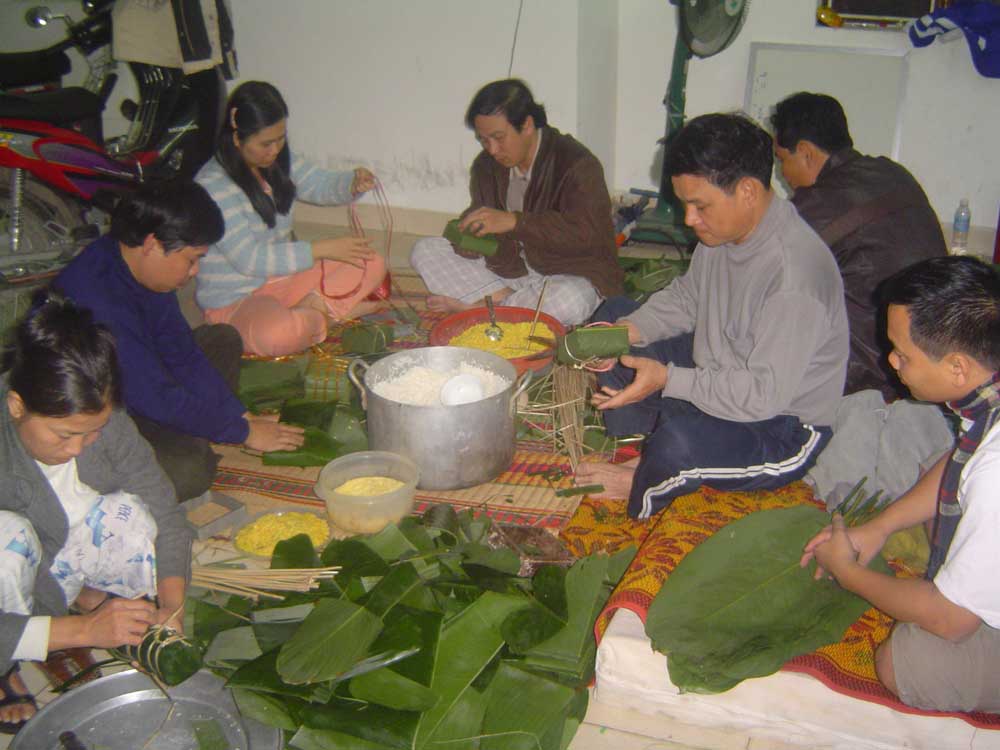 🇻🇳 VietnamTếtTết Nguyên Đán
The Vietnamese festival of the lunar new year, welcoming spring with family gatheringsFestival · Feasts and festival meals
🇻🇳 VietnamTếtTết Nguyên Đán
The Vietnamese festival of the lunar new year, welcoming spring with family gatheringsFestival · Feasts and festival meals
 🇦🇿 AzerbaijanNovruzNovruz Bayramı
The Azerbaijani spring equinox festival of bonfires, sweets and sprouted wheatSeasonal · Feasts and festival meals
🇦🇿 AzerbaijanNovruzNovruz Bayramı
The Azerbaijani spring equinox festival of bonfires, sweets and sprouted wheatSeasonal · Feasts and festival meals
 🇮🇳 Guwahati, IndiaBohag Bihu
A multi-day Assamese New Year festival of cattle rites, music, gifts and feastsSeasonal · Feasts and festival meals
🇮🇳 Guwahati, IndiaBohag Bihu
A multi-day Assamese New Year festival of cattle rites, music, gifts and feastsSeasonal · Feasts and festival meals
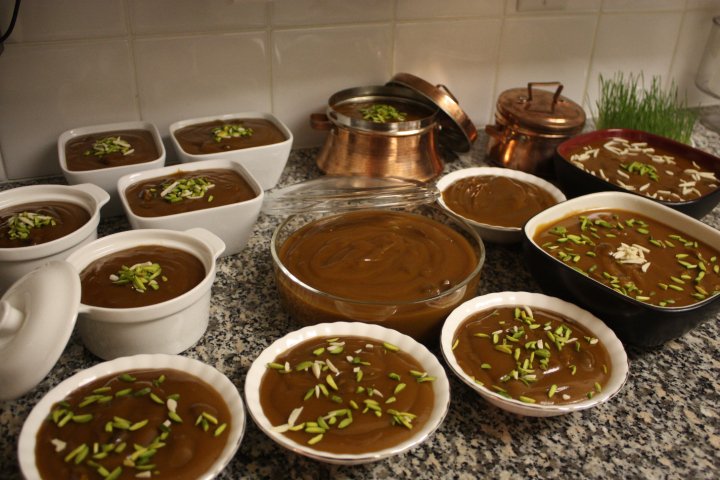 🇮🇷 Ashtian, Iran and 5 moreSamanuسمنو
A sweet sprouted-wheat paste stirred through the night for NowruzTable custom · Sweets given and shared
🇮🇷 Ashtian, Iran and 5 moreSamanuسمنو
A sweet sprouted-wheat paste stirred through the night for NowruzTable custom · Sweets given and shared