Seal carving
In its own language: 篆刻
The Chinese craft of engraving characters and personal emblems into stone stamping seals

Seal carving is an East Asian craft originating in China, where artisans incise characters into the base of seals. Practised by craftsmen and scholar-artists across centuries, these carved stamps authenticate calligraphy, paintings, and official documents.
Seal carving, known in Chinese as zhuanke, is the traditional practice of incising characters into the flat bottom of a stamp. Originating in ancient China before spreading across East Asia, the craft transforms stone, metal, and bone into practical markers of identity. Carvers shape ancient scripts into balanced compositions, producing impressions that authenticate personal letters, official records, and works of calligraphy or painting.
origins and history
The practice dates back to the Shang dynasty, when government officials used seals on animal bone, bronze, and pottery to signify rank. During this early period, artisans worked with oracle bone characters and later Zhou dynasty scripts like dazhuan and jinwen. Under the Qin dynasty, Chancellor Li Si standardized writing into the formal xiaozhuan seal script, which brickmakers and tilers stamped onto architectural materials. As the Song dynasty began, scholar-artists embraced the medium, using carved seals to mark completed paintings and scrolls.
materials and stones
Early carvers relied on sturdy substances such as cast bronze, ceramic clay, and animal bone. From the Song era onward, softer quarried stones became the preferred medium for carvers, enabling finer and more expressive cutting. Famous materials include Qingtian stone from Zhejiang and Shoushan stone from Fujian. During the Qing dynasty, carvers also adopted Balin stone sourced from Mongolia. These fine-grained mineral blocks allowed craftsmen to cut delicate strokes directly into the base without losing crisp definition during stamping.
schools and styles
Over the centuries, distinct artistic traditions emerged across China. The Zhe School, connected with the Xiling Seal Art Society in Zhejiang, gained prominence during the Ming and Qing dynasties alongside the Hui School of Anhui. In the late Qing dynasty and Republican period, the Hai School developed in Shanghai, shaping modern cutting techniques. Renowned masters such as Xu Wei, Wu Changshuo, Sha Menghai, and Qi Baishi contributed individual styles, blending precise typographic balance with vigorous, deliberate knife work.
what it means
A finished seal functions both as a legal hallmark and as an aesthetic companion to fine art. In traditional painting and calligraphy, the red ink impression of a seal balances ink-wash compositions and verifies authorship. Beyond displaying names, titles, or dates, the engraved script reflects the personality of the maker and the owner. The craft requires deep familiarity with archaic characters, uniting the precision of sculpture with the flow of classic Chinese calligraphy.
How Seal carving is kept
Artisans and scholars select fine stone blocks, such as Qingtian, Shoushan, or Balin stone, to prepare the flat stamping surface. The carver plans the layout of archaic seal characters, reversing the design so the stamped mark reads correctly. Using specialized cutting tools, the artist carves away the negative space or incises the character lines directly into the bottom face. The completed base is dipped into red paste and stamped onto calligraphy scrolls, ink paintings, or documents to confirm authenticity and add visual balance.
When and where
Seal carving is practised continuously throughout the year rather than on specific calendar days. Artists and craftsmen cut seals whenever a new piece of calligraphy, painting, or official document requires an authenticating stamp.
Originating in China, seal cutting spread across East Asia. Historical regional centers include Zhejiang, Anhui, Fujian, and the city of Shanghai, where regional carving schools developed.
What Seal carving means
A carved seal represents authority, identity, and artistic completion. Early seals symbolized political power and administrative office. Over time, the mark evolved into an emblem of personal integrity and aesthetic taste. Stamping a red seal onto a scroll signifies ownership or creation, creating harmony between the written text and the carved archaic script.
Questions people ask about Seal carving
What is seal carving?
Seal carving, or zhuanke, is the traditional Chinese craft of cutting characters into the bottom face of a stamp. These seals are pressed in ink to sign documents, paintings, and calligraphy.
Where did seal carving originate?
The craft originated in China during the Shang dynasty, where officials used bone and bronze stamps. The tradition later expanded throughout China and spread across East Asia.
What materials are used to make seals?
Early artisans used animal bone, copper bronze, and pottery. From the Song dynasty onward, carvers primarily used soft stones such as Qingtian stone from Zhejiang, Shoushan stone from Fujian, and Balin stone from Mongolia.
How are carved seals used in art?
In Chinese calligraphy and painting, an artist presses a red ink seal onto the paper to sign the work, verify its authenticity, and provide visual balance to the black ink brushwork.
See also
 CeladonGreen-glazed pottery first made in China, valued for colours that echo jade
 Shell moneyTraditional currency made from cowries, ground clam beads, and carved sea shells
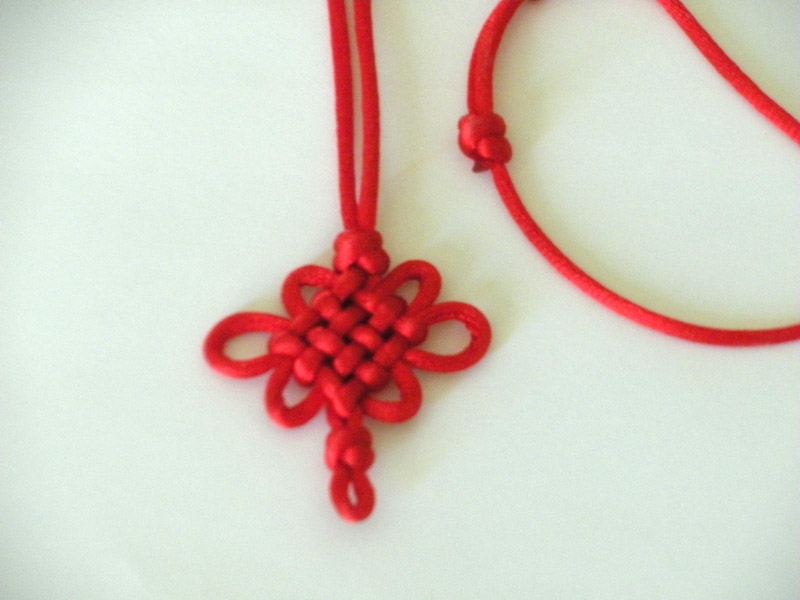 Chinese knottingA folk craft of cord tied into lucky shapes, made in China and given as charms
 BarkclothCloth beaten from tree bark across Africa, Asia and the Pacific
Good reading and sources
The facts on this page come from the Wikipedia article "Seal carving", written by its contributors and used under the CC BY-SA 4.0 licence, and from its Wikidata record (CC0). EveryParampara rewrote the text in its own words, with AI assistance, and compares every page with the article to make sure no passage is copied. It may be reused under the same CC BY-SA 4.0 licence with a link back.
It may contain mistakes. Traditions differ from one family, village and community to the next, and the people who keep them know them best. If something is wrong, tell us. Last refreshed 2026-10-06.
More from China
All the traditions of China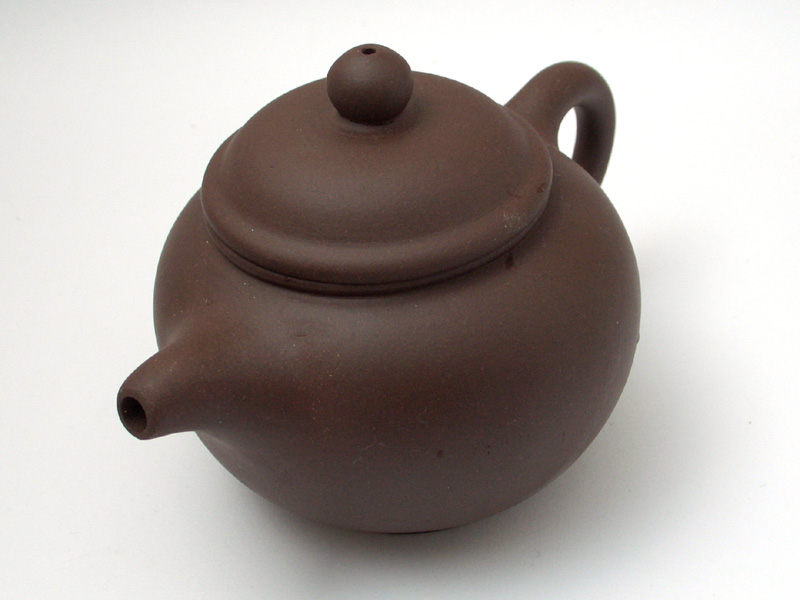 🇨🇳 Yixing, ChinaYixing clay teapot紫砂
Handcrafted Chinese purple clay teapots that season with every brewCraft · Tea, coffee and drinking ceremonies
🇺🇬 Uganda and 4 moreBarkcloth
Cloth beaten from tree bark across Africa, Asia and the PacificCraft
🇵🇬 Papua New Guinea and 5 moreShell money
Traditional currency made from cowries, ground clam beads, and carved sea shellsCraft
🇨🇳 Yixing, ChinaYixing clay teapot紫砂
Handcrafted Chinese purple clay teapots that season with every brewCraft · Tea, coffee and drinking ceremonies
🇺🇬 Uganda and 4 moreBarkcloth
Cloth beaten from tree bark across Africa, Asia and the PacificCraft
🇵🇬 Papua New Guinea and 5 moreShell money
Traditional currency made from cowries, ground clam beads, and carved sea shellsCraft
 🇰🇷 South Korea and 2 moreNajeonchilgi나전칠기
A Korean craft of inlaying mother-of-pearl onto lacquered wood to create decorative objects.Craft
🇰🇷 South Korea and 2 moreNajeonchilgi나전칠기
A Korean craft of inlaying mother-of-pearl onto lacquered wood to create decorative objects.Craft
The same idea elsewhere
All of this kind 🇮🇷 Shiraz, Iran and 1 moreKhatamخاتم
A Persian inlay craft that builds geometric patterns from thousands of tiny cut piecesCraft
🇮🇷 Shiraz, Iran and 1 moreKhatamخاتم
A Persian inlay craft that builds geometric patterns from thousands of tiny cut piecesCraft
 🇮🇪 Galway, Ireland and 1 moreBrigid's crossCros Bhríde
A cross of woven rushes or straw, made for Saint Brigid's Day on the first of FebruaryCraft
🇮🇪 Galway, Ireland and 1 moreBrigid's crossCros Bhríde
A cross of woven rushes or straw, made for Saint Brigid's Day on the first of FebruaryCraft
 🇦🇺 AustraliaBark painting
Ochre pictures on flattened tree bark, an Aboriginal art form of northern AustraliaCraft
🇦🇺 AustraliaBark painting
Ochre pictures on flattened tree bark, an Aboriginal art form of northern AustraliaCraft
 🇺🇸 United States and 1 moreDreamcatcherᐊᓴᐱᑫᔒᓐᐦ (asabikeshiinh)
A hand-woven hoop from Anishinaabe tradition, hung above a cradle to protect a childCraft
🇺🇸 United States and 1 moreDreamcatcherᐊᓴᐱᑫᔒᓐᐦ (asabikeshiinh)
A hand-woven hoop from Anishinaabe tradition, hung above a cradle to protect a childCraft