Seasons, harvest and the calendarEuropeSecular and civic
Sechseläuten
In its own language: Sächsilüüte
Zurich's spring festival marked by guild parades and the burning of a snowman effigy

Sechseläuten is an annual spring festival in Zurich, Switzerland, held every April. Guilds parade in historic dress before burning an explosive-filled snowman effigy called the Böögg, whose detonation is said to predict the summer weather.
When is Sechseläuten in 2027?
Sechseläuten 2027 is on Monday, 19 April 2027. Other years: 2026, Monday, 20 April 2026; 2028, Monday, 17 April 2028.
Sechseläuten is Zurich's traditional spring festival, observed each year in mid-April. Organized largely by the city's trade guilds, the celebration marks the shift from winter to longer daylight working hours. The main event features grand costume parades followed by the burning of an explosive-packed snowman effigy called the Böögg. The speed at which the figure explodes serves as a lighthearted forecast for the upcoming summer.
Origins in working hours
The custom began in the Middle Ages to mark the change to summer working schedules. During the winter months, artisans worked only as long as natural daylight lasted. In the summer period, which began after the spring equinox, city law permitted workers to stop when the Fraumünster church bells rang at six in the evening. This switch was warmly welcomed, since it granted laborers leisure time before sunset. Guilds initially celebrated by holding feasts and marches across the city. The name Sechseläuten directly reflects this custom, translating in the local Swiss German dialect to the six o'clock ringing of the bells.
The Böögg and weather forecasting
The burning of an effigy joined the festival later. In Zurich folklore, a Böögg was once a carnival monster or bogey figure made of rags to frighten children. Neighborhood groups later burned similar figures to mark disasters or urban changes. In 1892, guilds took charge of the custom, reshaping the doll into a snowman to represent winter. In 1902, organizers merged the parade with the official burning at the lakeside. Today, the figure contains firecrackers and explosives. According to popular belief, a fast explosion forecasts a warm, sunny summer, whereas a long, slow burn indicates a damp and chilly season.
Guild processions and nocturnal visits
Celebrations span two days, opening on Sunday with a children's costume march called the Kinderumzug. On Monday afternoon, Zurich's twenty-six guilds parade in historical dress, accompanied by brass bands, horse-drawn wagons, and mounted riders. Marchers play a traditional march believed to have Russian origins. Once the pyre is ignited at six o'clock, riders gallop circles around the blaze. Guild members gather for private lunches and dinners, followed by the Auszug at night. During this custom, delegations travel between different guildhalls across the city, trading humorous speeches, gifts, and formal toasts until late in the evening.
How Sechseläuten is kept
Festivities begin on Sunday with a children's costume parade. On Monday, members of Zurich's twenty-six guilds dress in historic attire, marching through the streets with musical bands, floats, and mounted riders toward Sechseläutenplatz. At six in the evening, a massive pyre is lit beneath the Böögg while horsemen gallop around the flames. Spectators time how long it takes for the head to detonate. After banquets, guild delegations make nighttime visits to other guildhalls, exchanging toasts and gifts.
When and where
The festival takes place every year on the third Monday of April. Originally celebrated immediately after the vernal equinox, the date was permanently shifted in 1952. A children's parade takes place on the preceding Sunday.
Sechseläuten is observed in the Swiss city of Zurich. Guilds parade through the city centre to Sechseläutenplatz, an open square beside Lake Zurich in front of the Zurich Opera House.
What Sechseläuten means
The festival represents the departure of winter and the arrival of brighter spring days. Historically, it celebrated the summer work schedule, which gave workers daylight after work. The snowman effigy embodies winter itself. Watching how swiftly the effigy's head explodes acts as a lighthearted oracle, where a fast burst promises a sunny summer, while a slow burn predicts cold rain.


Sechseläuten dates: 2026, 2027, 2028
| Year | Sechseläuten date |
|---|---|
| 2026 | Monday, 20 April 2026 |
| 2027 | Monday, 19 April 2027 |
| 2028 | Monday, 17 April 2028 |
Questions people ask about Sechseläuten
When is Sechseläuten in 2027?
Sechseläuten 2027 is on Monday, 19 April 2027. Other years: 2026, Monday, 20 April 2026; 2028, Monday, 17 April 2028.
What is Sechseläuten?
Sechseläuten is an annual spring festival celebrated in Zurich, Switzerland. Organized primarily by local trade guilds, the event features costumed parades, music, and the symbolic burning of a snowman effigy called the Böögg to welcome the summer season.
What does the Böögg represent?
The Böögg represents the passing of winter. Constructed as an explosive-stuffed snowman, the effigy is burned at the center of the festival. Tradition holds that the faster its head explodes, the warmer and sunnier the upcoming summer will be.
Why does the festival have this name?
The name comes from Zurich German and refers to bells ringing at six o'clock. Historically, church bells sounded at six in the evening after the spring equinox to signal the end of the workday, granting medieval laborers evening daylight.
See also
 LosarThe Tibetan Buddhist New Year festival of renewal, offerings, and family feasts
 UgadiA South Indian New Year feast celebrating life with sweet, sour, and bitter tastes
 May DayA traditional European festival welcoming summer with greenery, dances and bonfires
 Tsagaan SarThe Mongolian Lunar New Year festival of peace, elders, white foods and renewal
Good reading and sources
- Sechseläuten on WikipediaEncyclopedia
- More photos on Wikimedia CommonsPhotos and video
- Wikidata recordOpen data
The facts on this page come from the Wikipedia article "Sechseläuten", written by its contributors and used under the CC BY-SA 4.0 licence, and from its Wikidata record (CC0). EveryParampara rewrote the text in its own words, with AI assistance, and compares every page with the article to make sure no passage is copied. It may be reused under the same CC BY-SA 4.0 licence with a link back.
It may contain mistakes. Traditions differ from one family, village and community to the next, and the people who keep them know them best. If something is wrong, tell us. Last refreshed 2026-10-04.
More from Switzerland
All the traditions of Switzerland 🇨🇭 SwitzerlandChalandamarz
A bell-ringing march on the first of March that sends winter out of the Grisons valleysSeasonal
🇨🇭 SwitzerlandChalandamarz
A bell-ringing march on the first of March that sends winter out of the Grisons valleysSeasonal
 🇦🇹 Austria and 4 moreAlmabtrieb
An Alpine autumn custom of leading decorated cattle from high pastures to valley barnsSeasonal · Feasts and festival meals
🇦🇹 Austria and 4 moreAlmabtrieb
An Alpine autumn custom of leading decorated cattle from high pastures to valley barnsSeasonal · Feasts and festival meals
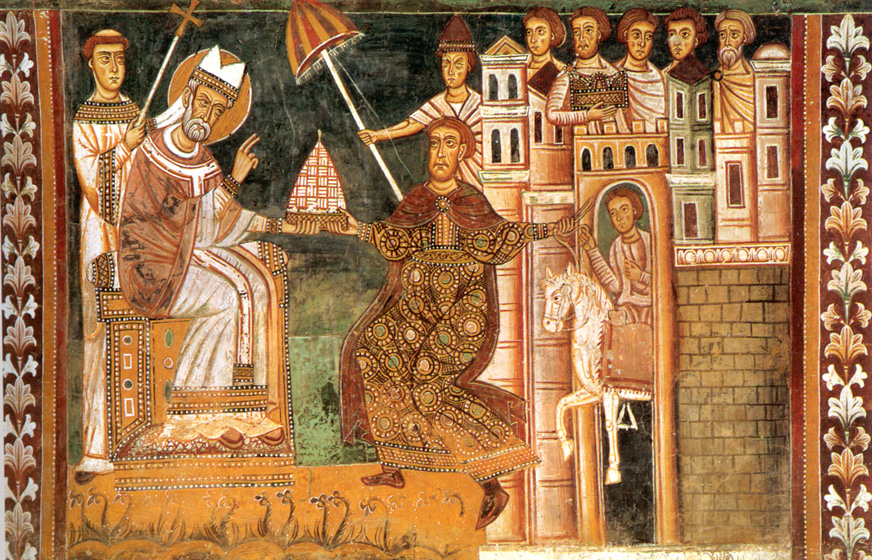 🇩🇪 Germany and 5 moreSaint Sylvester's Day
A Christian feast day and year-end celebration marked across Europe and beyondSeasonal · Dinner
🇩🇪 Germany and 5 moreSaint Sylvester's Day
A Christian feast day and year-end celebration marked across Europe and beyondSeasonal · Dinner
 🇩🇪 Saalfeld, Germany and 5 moreEaster egg treeOstereierbaum
A German springtime custom of dressing living trees and branches with blown eggsFestival
🇩🇪 Saalfeld, Germany and 5 moreEaster egg treeOstereierbaum
A German springtime custom of dressing living trees and branches with blown eggsFestival
The same idea elsewhere
Spring and renewal compared 🇺🇸 United States and 5 moreMother's Day
A worldwide annual celebration dedicated to mothers, maternal bonds and family careHome
🇺🇸 United States and 5 moreMother's Day
A worldwide annual celebration dedicated to mothers, maternal bonds and family careHome
 🇮🇷 Iran and 7 moreNowruzنوروز
The Iranian new year at the March equinox, kept with fire, greenery and picnicsSeasonal
🇮🇷 Iran and 7 moreNowruzنوروز
The Iranian new year at the March equinox, kept with fire, greenery and picnicsSeasonal
 🇮🇱 Jerusalem, IsraelPassoverפסח
A Jewish spring festival celebrating freedom from slavery with ritual mealsSpiritual · Dinner
🇮🇱 Jerusalem, IsraelPassoverפסח
A Jewish spring festival celebrating freedom from slavery with ritual mealsSpiritual · Dinner
 🇮🇳 Mathura, India and 5 moreHoliहोली (Hindi)
A spring festival of colours and bonfires that marks the end of winter and the triumph of good over evil.Festival
🇮🇳 Mathura, India and 5 moreHoliहोली (Hindi)
A spring festival of colours and bonfires that marks the end of winter and the triumph of good over evil.Festival