Dress and adornmentSouth AsiaHinduJain
Sindoor
In its own language: सिंदूर
A red powder worn in the hair parting by many married Hindu women

Sindoor is a red or orange-red powder worn in the parting of the hair by married Hindu women across South Asia, where it is read as a sign of marriage and of good fortune. It is given at the wedding in a rite called sindoor daan and worn afterwards in daily life, at festivals and by Jain women in some cities.
When is Sindoor marked?
Sindoor is kept as part of Durga Puja, which runs from 17 to 20 October 2026.
Sindoor is a red powder that many married Hindu women in South Asia wear along the centre parting of their hair. The parting is called the maang. Putting it on marks a woman as married and is held to be auspicious. The first application happens at the wedding, when the groom does it; after that she does it herself.
What it is
Sindoor is a cosmetic powder in shades of red, from bright orange-red to deep maroon, that a woman puts along the line where her hair is divided. In Hindi that parting is the maang, and Sanskrit texts call it the simandarekha. Hindu households treat the mark as auspicious and read it as public news of a marriage. A bindi, the dot worn on the forehead, is a different thing: unmarried women may wear bindis in various colours but not sindoor in the parting. Widows give up both, which tells others that their husband has died. The custom is common in cities and villages, though details differ from region to region.
Origins and history
The oldest Hindu texts do not mention sindoor. According to scholarly review, the Vedas, the Upanishads, the Ramayana, the Mahabharata and the Grihya Sutras, which describe domestic rites, are all silent on it as a marriage mark, so the custom appears to have been codified after the Vedic period. The first clear reference comes in Puranic literature, in the Brahmanda Purana, dated by scholars to roughly the fifth to tenth century CE. Its Lalita Sahasranama compares dust from the goddess Lalita's feet to vermilion on the hair parting. Later Puranic stories link vermilion with marital fidelity. Red pigment on the partings of terracotta figurines from the Indus Valley, and on Neolithic figurines from Mehrgarh, may hint at older practice.
Weddings and daily wear
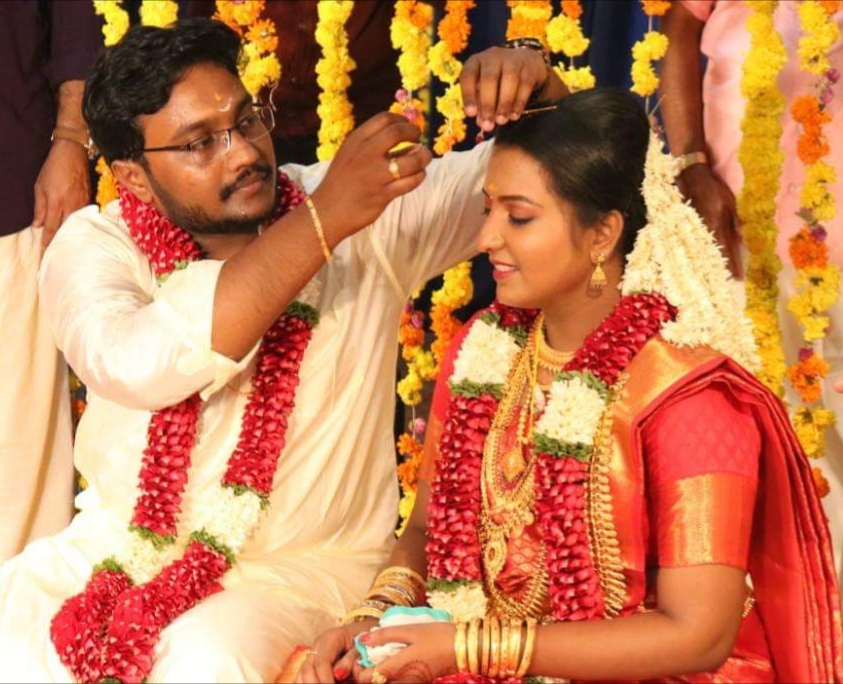
At a Hindu wedding the groom applies sindoor to his bride's parting in a rite often called sindoor daan, and some traditions call it sindoor danam. That is the first time she wears it. From then on she applies it herself, usually every day. Styles vary: many brides fill a straight centre parting, others leave only a red mark at the end of the line, and younger women sometimes draw a small triangle on the forehead. In South India a related colouring rite is known as pasupu kumkuma. Women also wear sindoor at festivals such as Durga Puja, and surveys suggest most married women from traditional families keep the custom.
Making and safety
Old recipes for sindoor mixed turmeric with slaked lime or alum, and sometimes other herbs. The lime starts a reaction with curcumin, the compound that gives turmeric its colour, and a bright red powder results. Because these materials are plant and mineral based, they are not poisonous, which matters for something worn on skin. Vermilion, ground from cinnabar ore, gives a stronger red and was used for ritual grades, but cinnabar carries mercury. Many commercial powders today are made with red lead or industrial dyes, plus fillers, scent and binders. Testing by the US Food and Drug Administration in 2008 found lead above safe limits in imported sindoor. Makers now offer plant-based versions coloured with hibiscus, marigold or red sandalwood.
Today and change
Sindoor is still a familiar sight in India, in towns and in the countryside, and it travels with families who move abroad. In Britain and the United States Hindu families often keep it for cultural gatherings, and many women there see it as a matter of choice rather than duty. Some women wear it lightly with Western clothes, treating it as jewellery, while others keep the full traditional line. Reform movements of the nineteenth century and, later, nationalist politics each gave the mark a new meaning, and arguments over whether it should be obligatory continue.
How Sindoor is kept
Within a Hindu wedding, the sindoor rite comes after the couple are joined. The groom takes the powder and lays it along his bride's hair parting, and guests watch this as the moment she becomes a married woman. Afterwards she keeps the line filled herself, day by day, and renews it before festivals. Widowhood reverses it: the sindoor is taken off, bangles are broken, and the bindi, nose ring and toe rings are removed, after which the widow wears plain white. The removal may be done by an elder woman of her husband's family. Jain women in some cities wear sindoor too, though Jain nuns are not allowed to.
When and where
There is no single fixed date. The first application belongs to the wedding day, whenever the couple marry, and daily wear follows from then on. Sindoor is also put on for festivals, especially Durga Puja. Whether a woman wears it, and how much, depends on region, family custom and her own preference.
India is its main home, and it is also worn in Bangladesh and Pakistan. Beyond South Asia it appears at Hindu weddings and cultural gatherings in Britain and America, where it is often a matter of choice. Within India it belongs to both rural and urban life, with regional differences in how it is applied. Jain women use it mostly in cities.
What Sindoor means
For the people who keep it, the red line is a sign of a living marriage and of good fortune. The parting is spoken of as a river of red, full of life; when the sindoor is wiped away, that river is imagined as dry and empty. The colour links a woman to the goddess, since the Lalita Sahasranama describes vermilion in divine terms, and later stories tie it to a wife's care for her husband's long life. Wearing it is also a public statement, read by neighbours and strangers alike.



Days Sindoor is marked
Questions people ask about Sindoor
When is Sindoor marked?
Sindoor is kept as part of Durga Puja, which runs from 17 to 20 October 2026.
What is sindoor?
A red or orange-red powder worn by married Hindu women along the parting in their hair. It is also called sindura in Sanskrit. People read it as a sign that a woman is married, and it is considered auspicious.
Who applies it first?
Her husband, at the wedding, in a rite known as sindoor daan or sindoor danam. After that the woman applies it herself, usually each day, and again for festivals such as Durga Puja.
Where is it worn?
Mainly in India, and also in Bangladesh and Pakistan. Hindu families living in Britain and the United States keep it at weddings and cultural events, often as a personal choice rather than an obligation.
What does it mean when a woman stops wearing it?
It usually means she is widowed. In many households an elder woman of the family takes the sindoor off, and the widow breaks her bangles and gives up her bindi, nose ring and toe rings, then dresses in white.
What is it made of?
Older recipes used turmeric with slaked lime or alum to make a red colour, and some used vermilion ground from cinnabar. Many modern powders are synthetic, and testing in 2008 found lead above safe limits in some imported sindoor. Plant-based versions also exist.
See also
 TurbanCloth wound around the head, worn for faith, rank, shade and identity
 SherwaniA long buttoned coat for men, worn at weddings and state occasions in South Asia
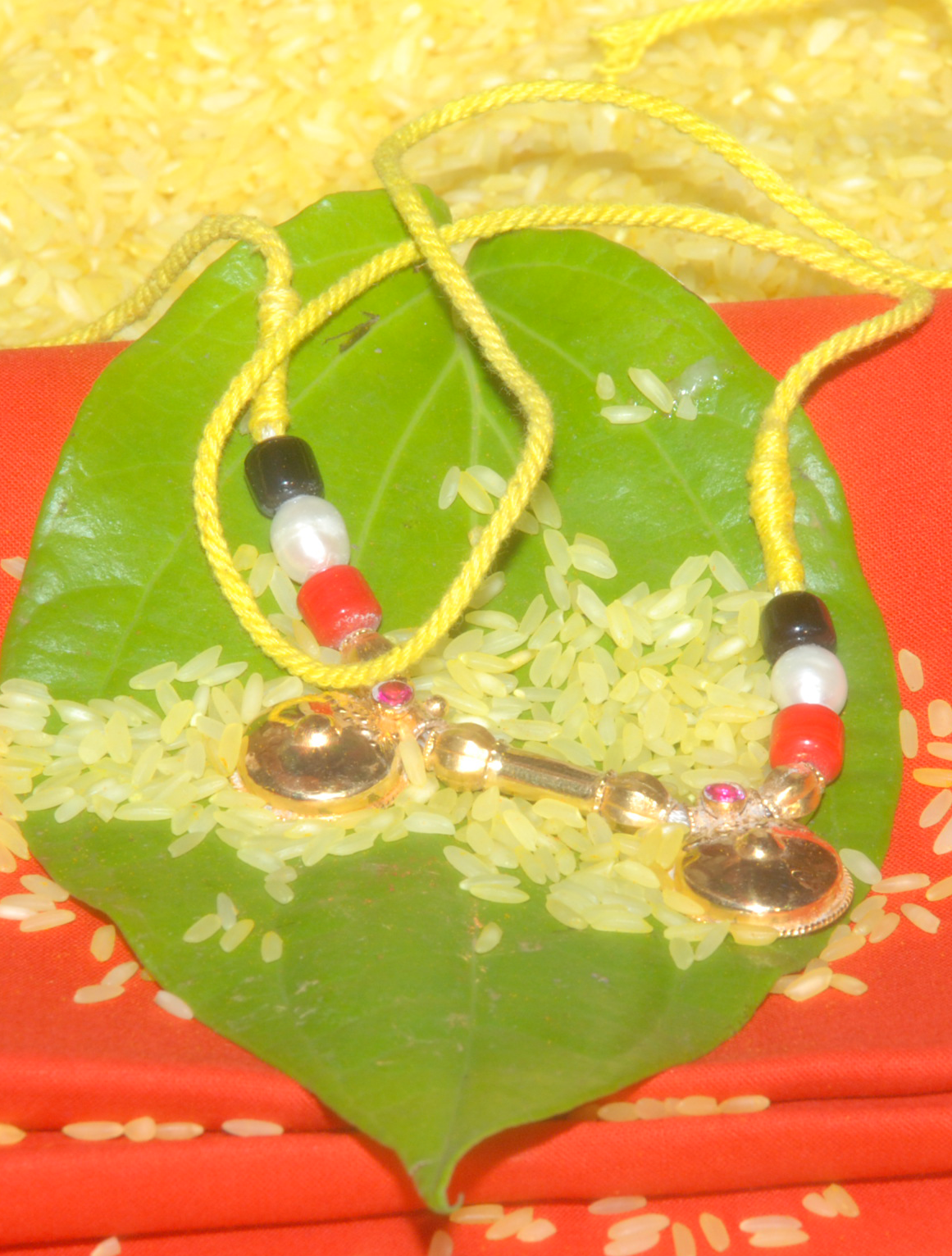 MangalasutraA necklace tied by the groom at a wedding, worn through married life
 DhotiA long unstitched cloth men wrap like trousers, for worship and formal days
Good reading and sources
- What is Sindoor? A peek into its history & significance in Hindu cultureDeccan Herald, Article
- Operation Sindoor: Weaponising Patriarchy in Nationalist RhetoricThe Hindu, Article
- What is Sindoor? A peek into its history & significance in Hindu cultureDeccan Herald, Article
- Operation Sindoor: Weaponising Patriarchy in Nationalist RhetoricThe Hindu, Article
- Sindoor on WikipediaEncyclopedia
- More photos on Wikimedia CommonsPhotos and video
- Wikidata recordOpen data
The facts on this page come from the Wikipedia article "Sindoor", written by its contributors and used under the CC BY-SA 4.0 licence, and from its Wikidata record (CC0). EveryParampara rewrote the text in its own words, with AI assistance, and compares every page with the article to make sure no passage is copied. It may be reused under the same CC BY-SA 4.0 licence with a link back.
It may contain mistakes. Traditions differ from one family, village and community to the next, and the people who keep them know them best. If something is wrong, tell us. Last refreshed 2026-10-05.
More from India
All the traditions of India
🇮🇳 Pune, India and 5 moreTurbanدولبند (dolband)
Cloth wound around the head, worn for faith, rank, shade and identityDress
🇮🇳 India and 2 moreMangalasutraमङ्गलसूत्रम् (maṅgalasūtram)
A necklace tied by the groom at a wedding, worn through married lifeDress
🇮🇳 Lucknow, India and 3 moreSherwani
A long buttoned coat for men, worn at weddings and state occasions in South AsiaDress
🇮🇳 Mumbai, India and 1 moreDhoti
A long unstitched cloth men wrap like trousers, for worship and formal daysDress
The same idea elsewhere
Weddings compared 🇼🇸 Samoa and 1 moreʻIe tōga
Precious woven mats exchanged in Samoan ceremonies to honor family ties and chiefly status.Dress
🇼🇸 Samoa and 1 moreʻIe tōga
Precious woven mats exchanged in Samoan ceremonies to honor family ties and chiefly status.Dress
 🇹🇱 Timor-LesteUma Lulik
Sacred ancestral clan houses and ritual shrines in East TimorSpiritual
🇹🇱 Timor-LesteUma Lulik
Sacred ancestral clan houses and ritual shrines in East TimorSpiritual
 🇮🇩 Indonesia and 2 moreKenduri
A communal prayer meal and gathering shared across Indonesia, Malaysia and BruneiSpiritual · Feasts and festival meals
🇮🇩 Indonesia and 2 moreKenduri
A communal prayer meal and gathering shared across Indonesia, Malaysia and BruneiSpiritual · Feasts and festival meals
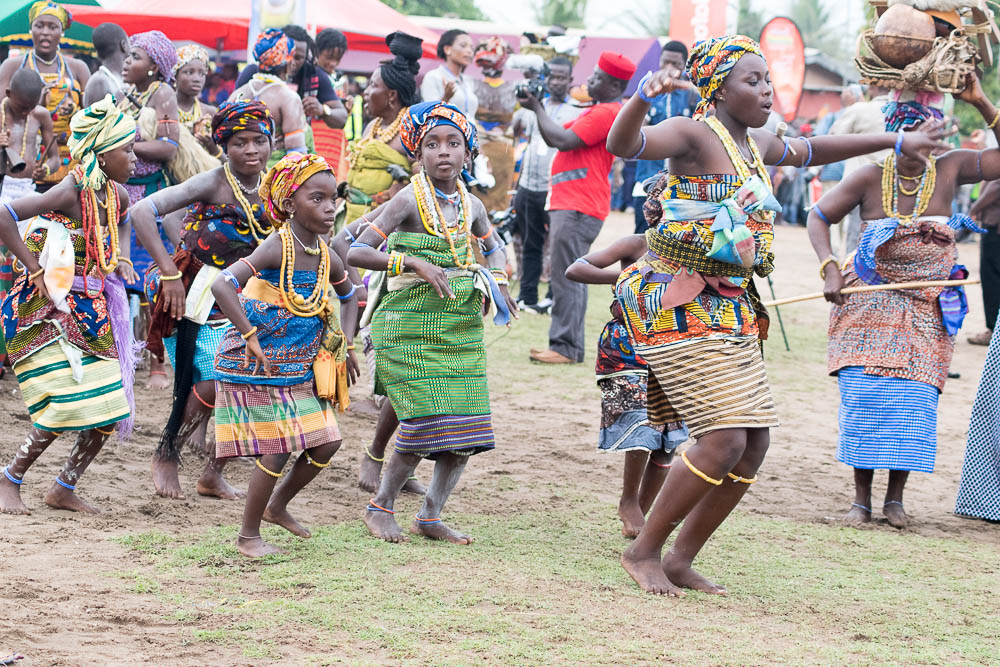 🇬🇭 Ghana and 2 moreAgbadza
An Ewe music and dance, born of war songs and kept for funerals, weddings and festivalsPerformance
🇬🇭 Ghana and 2 moreAgbadza
An Ewe music and dance, born of war songs and kept for funerals, weddings and festivalsPerformance