Folklore and beliefEuropePagan and ancientChristian
Russian superstitions
Everyday omens, etiquette rules, and household rituals observed across Russia

Russian superstitions are traditional beliefs and protective customs observed by people across Russia during daily routines, departures, and social gatherings. These practices include sitting in silence before a journey, interpreting bodily sensations, and avoiding unlucky actions like indoor whistling or leaving empty bottles on a table.
When is Russian superstitions kept?
Russian superstitions is kept during daily routines, travel, and social gatherings.
Russian superstitions shape everyday routines, hospitality manners, and social interactions across Russia. Many people follow these customs automatically to invite good fortune or keep misfortune away. Practised by both younger and older generations, the habits range from brief moments of quiet before leaving on a journey to small protective gestures against bad luck, reflecting a mixture of household folklore, ancient spirit lore, and social courtesy.
Travel and departure habits
Departing for a significant trip involves specific traditional steps. Before leaving the house, travellers and those wishing them farewell sit together in absolute silence for a brief moment. This quiet pause gives everyone an opportunity to reflect on any forgotten belongings or settle their thoughts before departing. Some people choose to sit directly on or right beside their packed luggage. Returning home immediately after leaving to retrieve a missed object is considered an unlucky sign. In contrast, departure accompanied by rain is welcomed as a positive indicator that the traveller will eventually return safely.
Everyday signs and sensations
Bodily twitches and small domestic accidents carry specific meanings in Russian folklore. A burning feeling in the ears or cheeks suggests that someone is speaking about you, usually unfavourably, while hiccups indicate that someone is thinking of you. Itching sensations also foretell events: an itchy right palm predicts receiving money or greeting an acquaintance, while an itchy left palm warns of paying money out. At meal times, dropping a fork or spoon signals an incoming female visitor, whereas a dropped knife announces a male guest. Finding a bay leaf inside a bowl of soup foretells incoming mail.
Hospitality and household rules
Table manners and domestic etiquette frequently intertwine with beliefs about luck and financial well-being. Whistling indoors is strictly avoided because it is believed to bring financial ruin and reckless spending. When sharing drinks, toasting with an empty cup brings misfortune unless the person finishes the entire bottle. Once a bottle is emptied, hosts remove it from the dining surface immediately rather than leaving it standing. Breaking glassware by accident is viewed as a sign of forthcoming good luck. To ward off mentioned misfortune, people knock on wood or spit over their shoulder.
Spirits and historical lore
Older folk beliefs recognised an unseen world populated by spirits known collectively as the unclean force. These entities included the domestic house spirit called the domovoi, who could act as a troublemaker if angered, and water spirits such as the rusalka. Peasant communities considered bathhouses, thresholds, and road crossroads particularly vulnerable to spiritual interference. Associated beliefs included the concept of spoiling, where magic or malevolent intentions were thought to cause illness or distress. While such spirit lore has faded from modern city life, its protective gestures still echo in cultural memory.
How Russian superstitions is kept
People observe these customs throughout ordinary life without formal ceremonies. When embarking on travel, family members and guests gather to sit quietly together for a few seconds before stepping outside. During conversations or dining, participants instinctively apply rules such as placing empty bottles below the table, avoiding indoor whistling, and tapping wood when discussing potential troubles. When physical signs occur, such as a fallen eyelash or an itchy palm, people acknowledge the omen by making wishes or playfully predicting near-future events.
When and where
These customs do not depend on a fixed calendar date or festive season. People observe them spontaneously during daily household routines, travels, meals, and unexpected physical occurrences throughout the entire year.
These traditions are practiced throughout Russia in both rural settlements and urban homes. They are also maintained across Russian-speaking diaspora communities worldwide, though familiarity with specific folk omens can vary by region and age.
What Russian superstitions means
These practices reflect a desire to maintain household harmony, welcome prosperity, and ward off unforeseen misfortunes. Everyday omens turn random occurrences into meaningful signs of social connection or future luck. Protective rituals offer people a sense of caution and shared comfort during moments of transition, such as embarking on a long journey or starting new ventures.


Questions people ask about Russian superstitions
When is Russian superstitions kept?
Russian superstitions is kept during daily routines, travel, and social gatherings.
What are Russian superstitions?
Russian superstitions are traditional folk beliefs, protective rituals, and social rules practiced in Russia. They interpret daily signs, bodily sensations, and domestic accidents while encouraging specific actions to invite luck and prevent misfortune.
Why do people sit down before a journey?
Travellers and their companions sit in silence for a moment before leaving home. This tradition helps calm the mind, allows travellers to remember forgotten items, and symbolically ensures a safe and successful journey.
Where are these customs observed?
These traditions are observed across Russia in private homes, workplaces, and public gatherings. Russian-speaking communities in neighbouring countries and abroad also preserve many of these everyday customs.
Why is whistling indoors avoided?
In Russian folklore, whistling inside a home is believed to bring financial misfortune and loss of wealth. People avoid it as a standard rule of household etiquette and domestic respect.
See also
 Friday the 13thA Western folk superstition regarding the unluckiness of a Friday falling on the 13th.
 Jack-o'-lanternA carved pumpkin lantern lit with a candle to brighten and protect Halloween nights
 Shoe throwingThe act of hurling footwear for sport, wedding luck, protest or overhead display.
 PolaznikThe first visitor to cross the threshold at Christmas, read as a sign of the year to come
Good reading and sources
- Superstitions of Russians on WikipediaEncyclopedia
- More photos on Wikimedia CommonsPhotos and video
- Wikidata recordOpen data
The facts on this page come from the Wikipedia article "Superstitions of Russians", written by its contributors and used under the CC BY-SA 4.0 licence, and from its Wikidata record (CC0). EveryParampara rewrote the text in its own words, with AI assistance, and compares every page with the article to make sure no passage is copied. It may be reused under the same CC BY-SA 4.0 licence with a link back.
It may contain mistakes. Traditions differ from one family, village and community to the next, and the people who keep them know them best. If something is wrong, tell us. Last refreshed 2026-10-07.
More from Russia
All the traditions of Russia 🇵🇱 Kraków, Poland and 5 moreTurońTuroń (Polish), Turoň (Slovak)
A shaggy horned beast led from house to house by carol singers at carnival timeFolklore
🇵🇱 Kraków, Poland and 5 moreTurońTuroń (Polish), Turoň (Slovak)
A shaggy horned beast led from house to house by carol singers at carnival timeFolklore
 🇲🇳 Mongolia and 3 moreOvooовоо (Cyrillic Mongolian); ᠣᠪᠤᠭᠠ (Traditional Mongol)
A stone cairn on a peak or pass, circled by travellers and honoured in sky worshipSpiritual
🇲🇳 Mongolia and 3 moreOvooовоо (Cyrillic Mongolian); ᠣᠪᠤᠭᠠ (Traditional Mongol)
A stone cairn on a peak or pass, circled by travellers and honoured in sky worshipSpiritual
 🇪🇬 Egypt and 5 moreTraditional tattooing
The ancient custom of marking the skin for protection, healing, status and sacred ritesDress
🇪🇬 Egypt and 5 moreTraditional tattooing
The ancient custom of marking the skin for protection, healing, status and sacred ritesDress
 🇮🇱 Israel and 4 moreTorah readingקריאת התורה
The public reading of the Torah scroll in synagogue, chanted to a special tuneSpiritual
🇮🇱 Israel and 4 moreTorah readingקריאת התורה
The public reading of the Torah scroll in synagogue, chanted to a special tuneSpiritual
The same idea elsewhere
Healing, luck and protection compared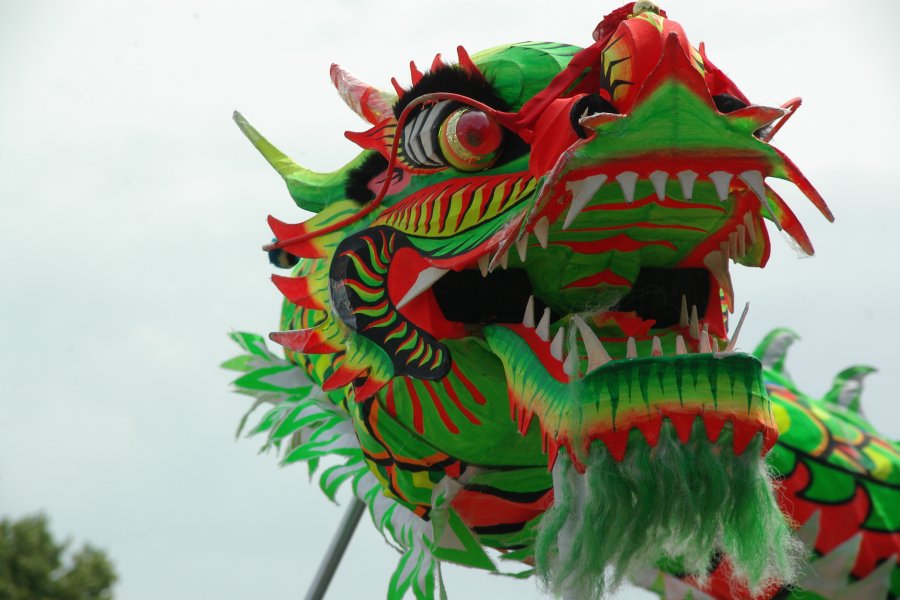 🇨🇳 China and 3 moreDragon dance舞龍 / 舞龙
A long dragon puppet on poles, danced by a team at Chinese New Year and other festivalsPerformance
🇺🇸 United States and 4 moreFriday the 13th
A Western folk superstition regarding the unluckiness of a Friday falling on the 13th.Folklore
🇨🇳 China and 3 moreDragon dance舞龍 / 舞龙
A long dragon puppet on poles, danced by a team at Chinese New Year and other festivalsPerformance
🇺🇸 United States and 4 moreFriday the 13th
A Western folk superstition regarding the unluckiness of a Friday falling on the 13th.Folklore
 🇮🇳 India and 4 moreWater lantern
Small lamps floated on water to honour the dead and ask for good fortuneFestival
🇵🇬 Trobriand Islands, Papua New GuineaTrobriand cricket
Cricket as played in the Trobriand Islands, with chants, dances and a feastGame
🇮🇳 India and 4 moreWater lantern
Small lamps floated on water to honour the dead and ask for good fortuneFestival
🇵🇬 Trobriand Islands, Papua New GuineaTrobriand cricket
Cricket as played in the Trobriand Islands, with chants, dances and a feastGame