Dress and adornmentEuropeSecular and civic
Swiss traditional costume
In its own language: Schweizer Trachten
Distinct regional festive dress worn across the cantons of Switzerland

Swiss traditional costumes are regional festive garments that took shape in the eighteenth century among rural communities across Switzerland. Today, people wear the specific dress of their home canton or birthplace during festivals, processions, and cultural gatherings following established regional customs.
When is Swiss traditional costume kept?
Swiss traditional costume is kept during festivals, processions, and commemorative gatherings.
Swiss traditional costumes, known locally as Trachten, are regional garments created by rural communities in the eighteenth century. Distinct to each canton and valley, these festive outfits stand apart from shifting modern fashion. They serve as symbols of local heritage, worn during civic celebrations, choral events, and folk gatherings to celebrate regional ties and craft traditions.
Origins and early emblems
Rural communities across Switzerland began developing distinctive festive clothing during the eighteenth century as an expression of local and social belonging. By the nineteenth century, daily wear shifted toward modern city styles, but regional clothing gained new meaning as a patriotic emblem. Artists depicted each canton as a costumed couple for prints and souvenirs. These paired representations soon walked in carnival parades, historical pageants, and national exhibitions, including the 1896 Swiss Village display in Geneva. That same year, cultural groups organized dedicated costume gatherings in Zurich, prompting historians to collect and preserve surviving garments as valuable historical records.
The twentieth-century revival
In the early twentieth century, heritage organisations worked to renew regional garments across the cantons. Women's associations in Vaud and Neuchâtel helped maintain historic patterns through the First World War. By 1926, enthusiasts established the national costume federation, aiming to promote sober, enduring styles for country women that lessened visible class divisions. Working alongside farming associations and home economics schools, the federation broadened its reach, while textile initiatives supported domestic fabric production. Massive processions at national exhibitions in Bern and Zurich marked peak public visibility before groups diversified to include folk singing, regional dancing, and craft preservation.
Rules and contemporary wear
Strict local rules guide how traditional clothing is made and worn today. According to standard customs, an outfit must not be rented, and a person wears only the pattern belonging to their place of birth or current residence. During official events, participants avoid mixing traditional pieces with everyday modern clothing. While costume federations maintain archives and organize gatherings, many people wear their cantonal dress independently for local festivals. The clothing remains closely associated with open-air museums, craft exhibitions, and cultural media, preserving distinct regional needlework and embroidery styles across the Swiss cantons.
How Swiss traditional costume is kept
Wearers select the costume specific to their place of origin or current residence. Cantonal associations set precise guidelines for crafting and assembling the components. Participants put on the complete regional outfit without mixing it with modern garments, especially for formal events. Across the country, costumed groups take part in federal festivals, historical processions, and leisure gatherings that feature folk singing and dance. Traditional textile techniques are maintained through dedicated craft networks and cultural demonstrations.
When and where
Swiss traditional dress is worn throughout the year during cantonal festivals, carnival processions, national exhibitions, and choral or dance gatherings rather than on a single set calendar date.
These garments belong to Switzerland and are worn across its cantons, from Appenzell and Bern to Zurich, Valais, and Geneva, with presence at cultural sites like the Ballenberg open-air museum.
What Swiss traditional costume means
Originally an expression of regional and rural identity, the costumes came to represent patriotic unity and cantonal pride. In twentieth-century revivals, standardized rural patterns also symbolized modesty and the erasure of social distinctions, connecting modern wearers to local heritage and craft history.
Questions people ask about Swiss traditional costume
When is Swiss traditional costume kept?
Swiss traditional costume is kept during festivals, processions, and commemorative gatherings.
What is a Swiss traditional costume?
It is a regional festive garment, known as a Tracht, that developed in eighteenth-century rural Switzerland. Each canton has distinct styles that reflect local heritage and historical dressmaking.
Can anyone wear any Swiss costume?
Custom dictates that a wearer only puts on the costume representing their place of birth or current residence. Standard practice also requires that costumes are owned rather than rented and never combined with modern clothes.
Who oversees the traditions of Swiss costumes?
The Swiss National Costume Federation, founded in 1926, along with cantonal associations, oversees standards for historical authenticity, craft preservation, and participation in cultural festivals.
See also
 DirndlA fitted dress with apron from the German-speaking Alps, worn for festivals and weddings.
 Pontifical Swiss GuardThe Swiss military corps charged with guarding the Pope and the Apostolic Palace
 Combat de ReinesAn annual Swiss pushing contest where Hérens cows compete for herd dominance
 SchwingenA traditional Swiss folk wrestling style fought in sawdust rings
Good reading and sources
- Swiss traditional costumes on WikipediaEncyclopedia
- More photos on Wikimedia CommonsPhotos and video
- Wikidata recordOpen data
The facts on this page come from the Wikipedia article "Swiss traditional costumes", written by its contributors and used under the CC BY-SA 4.0 licence, and from its Wikidata record (CC0). EveryParampara rewrote the text in its own words, with AI assistance, and compares every page with the article to make sure no passage is copied. It may be reused under the same CC BY-SA 4.0 licence with a link back.
It may contain mistakes. Traditions differ from one family, village and community to the next, and the people who keep them know them best. If something is wrong, tell us. Last refreshed 2026-10-07.
More from Switzerland
All the traditions of Switzerland
🇦🇹 Austria and 4 moreDirndl
A fitted dress with apron from the German-speaking Alps, worn for festivals and weddings.Dress
🇻🇦 Vatican City and 1 morePontifical Swiss GuardPontificia Cohors Helvetica
The Swiss military corps charged with guarding the Pope and the Apostolic PalaceCeremony
🇨🇭 SwitzerlandSchwingen
A traditional Swiss folk wrestling style fought in sawdust ringsGame
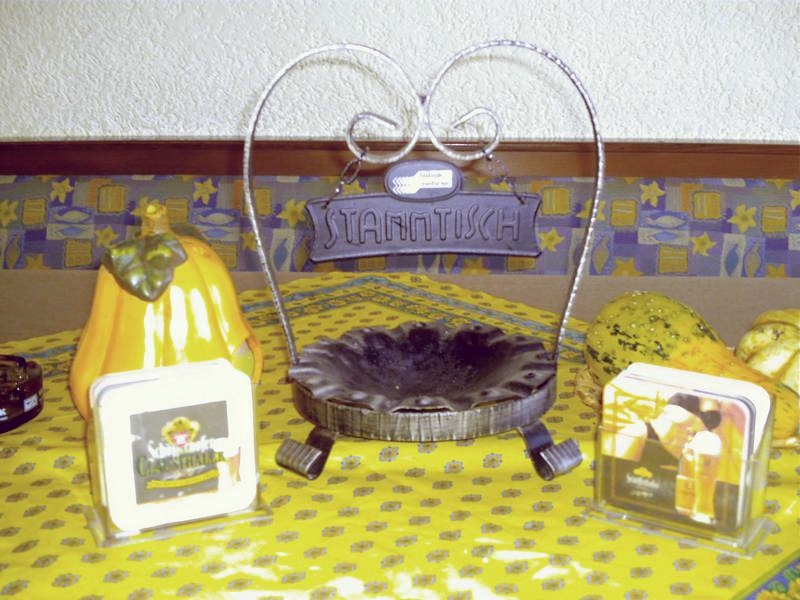 🇩🇪 Germany and 2 moreStammtisch
A weekly gathering of regulars at a reserved table in a pub or restaurant for conversation and community.Etiquette
🇩🇪 Germany and 2 moreStammtisch
A weekly gathering of regulars at a reserved table in a pub or restaurant for conversation and community.Etiquette
The same idea elsewhere
All of this kind 🇮🇳 Paithan, IndiaPaithani
A handwoven silk sari from Maharashtra, with a squared border and a peacock palluDress
🇮🇳 Paithan, IndiaPaithani
A handwoven silk sari from Maharashtra, with a squared border and a peacock palluDress
 🇮🇱 Israel and 1 moreTzitzitצִיצִית
Knotted ritual fringes worn on a four-cornered garment, a reminder of the commandmentsDress
🇮🇱 Israel and 1 moreTzitzitצִיצִית
Knotted ritual fringes worn on a four-cornered garment, a reminder of the commandmentsDress
 🇼🇸 Samoa and 1 moreʻIe tōga
Precious woven mats exchanged in Samoan ceremonies to honor family ties and chiefly status.Dress
🇼🇸 Samoa and 1 moreʻIe tōga
Precious woven mats exchanged in Samoan ceremonies to honor family ties and chiefly status.Dress
 🇪🇬 Egypt and 5 moreTraditional tattooing
The ancient custom of marking the skin for protection, healing, status and sacred ritesDress
🇪🇬 Egypt and 5 moreTraditional tattooing
The ancient custom of marking the skin for protection, healing, status and sacred ritesDress