Festivals and celebrationsEast AsiaShinto, Taoist and folk Chinese
Tenjin Matsuri
In its own language: 天神祭
A major Shinto festival in Osaka featuring a street procession and a river boat parade on the Okawa River.

The Tenjin Matsuri is one of Japan's three great summer festivals, held annually in Osaka to honour Sugawara no Michizane. It features a traditional street procession followed by a spectacular boat parade on the Okawa River, culminating in a fireworks display that reflects on the water.
When is Tenjin Matsuri kept?
Tenjin Matsuri is kept on annually on 24 and 25 July.
The Tenjin Matsuri is a historic Shinto festival in Osaka, Japan, dedicated to the deity Sugawara no Michizane. It is one of the three largest summer festivals in the country. The event combines religious rituals with public celebration, drawing thousands of visitors to witness its unique traditions.
Origins and history
Sugawara no Michizane was a scholar who died in exile in 903 after falling out of favour with the imperial court. Following his death, Japan suffered from droughts and epidemics, leading people to believe he had become the thunder god Tenjin. To calm his spirit, shrines were built across the country. The first recorded festival for Tenjin occurred in 987 at Kitano Tenmangū. In Osaka, the tradition began around 951, shortly after the local shrine was established. Over centuries, it grew into a symbol of the city's prosperity during the Edo period.
How it is kept
The festival takes place over two days in late July. On the first day, a sacred spear is floated down the Okawa River to determine where the temporary shrine will stand. A street procession then carries the enshrined deity from the main shrine to the riverbank. About one hundred groups join a boat parade on the water. The celebrations conclude with a ninety-minute fireworks display. The lights reflecting on the river give the event its nickname, the Festival of Fire and Water.
Food and drink
Visitors often enjoy seasonal foods while attending the festivities. Chilled somen noodles are a popular choice during the hot summer weather. Pike conger is another traditional dish associated with the event. These meals provide refreshment for those watching the processions or waiting for the evening fireworks. The food customs are simple and practical, suited to an outdoor summer gathering.
Meaning and modern changes
The festival honours a figure linked to scholarship and thunder. Many students visit the shrines during this time to pray for success in their upcoming examinations. The event has faced interruptions due to wars and the pandemic, but it resumed fully in 2023. Modern organizers have also introduced initiatives to reduce waste. In recent years, efforts have been made to exclude organized crime groups from sponsoring parts of the parade, aligning the festival with contemporary social standards.
How Tenjin Matsuri is kept
On 24 July, a student floats a sacred spear on the Okawa River to locate the temporary shrine. A street procession then moves the deity to the water. On 25 July, about one hundred boats participate in a river parade. The event ends with a long fireworks display over the water.
When and where
It is held annually on 24 and 25 July. Other shrines across Japan hold similar festivals on different dates, often around the 25th of various months.
The main event takes place in Osaka, centered around the Osaka Tenmangū Shrine and the Okawa River. Similar smaller festivals occur at Tenmangū shrines throughout Japan.
What Tenjin Matsuri means
The festival appeases the spirit of Sugawara no Michizane, who is seen as a god of thunder and learning. Cattle are also linked to him in myth, so worshippers sometimes pay respect to bull statues. Students attend to seek blessings for academic success.


Questions people ask about Tenjin Matsuri
When is Tenjin Matsuri kept?
Tenjin Matsuri is kept on annually on 24 and 25 July.
What is the Tenjin Matsuri?
It is one of Japan's three great summer festivals, held in Osaka to honour the deity Sugawara no Michizane. It features a street procession and a large boat parade on the Okawa River.
Why is it called the Festival of Fire and Water?
This name comes from the spectacular fireworks display that concludes the event. The lights reflect beautifully on the surface of the Okawa River during the boat parade.
See also
 HalloweenAn annual observance on 31 October marking the eve of All Saints' Day, rooted in Christian tradition and Celtic heritage
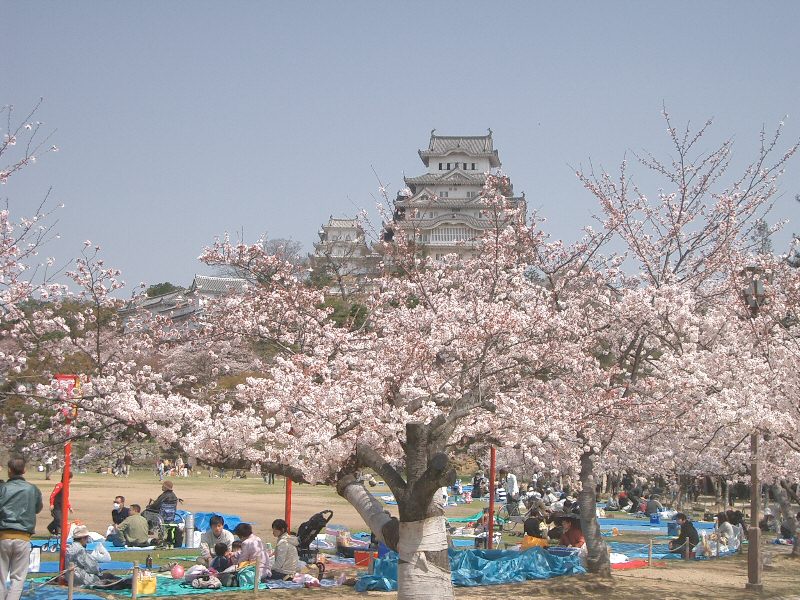 HanamiA Japanese spring custom of gathering under blooming cherry trees to eat, drink, and celebrate the fleeting beauty of th
 HinamatsuriA March festival in Japan where families display ornamental dolls to pray for the health and happiness of young girls.
 Buddha's BirthdayA festival marking the birth of Siddhartha Gautama, observed across Asia with temple rituals and community gatherings.
Good reading and sources
- Tenjin Matsuri on WikipediaEncyclopedia
- More photos on Wikimedia CommonsPhotos and video
- Wikidata recordOpen data
The facts on this page come from the Wikipedia article "Tenjin Matsuri", written by its contributors and used under the CC BY-SA 4.0 licence, and from its Wikidata record (CC0). EveryParampara rewrote the text in its own words, with AI assistance, and compares every page with the article to make sure no passage is copied. It may be reused under the same CC BY-SA 4.0 licence with a link back.
It may contain mistakes. Traditions differ from one family, village and community to the next, and the people who keep them know them best. If something is wrong, tell us. Last refreshed 2026-10-04.
More from Japan
All the traditions of Japan
🇮🇪 Ireland and 5 moreHalloween
An annual observance on 31 October marking the eve of All Saints' Day, rooted in Christian tradition and Celtic heritageFestival · Sweets given and shared
 🇯🇵 Aomori, JapanAomori Nebuta Matsuri青森ねぶた祭
A summer festival in Aomori featuring large warrior floats and dancing participants.Festival
🇯🇵 Aomori, JapanAomori Nebuta Matsuri青森ねぶた祭
A summer festival in Aomori featuring large warrior floats and dancing participants.Festival
 🇯🇵 Kishiwada, JapanKishiwada Danjiri Matsuri岸和田だんじり祭
A high-speed festival of wooden shrine floats pulled through Kishiwada, JapanFestival
🇯🇵 Kishiwada, JapanKishiwada Danjiri Matsuri岸和田だんじり祭
A high-speed festival of wooden shrine floats pulled through Kishiwada, JapanFestival
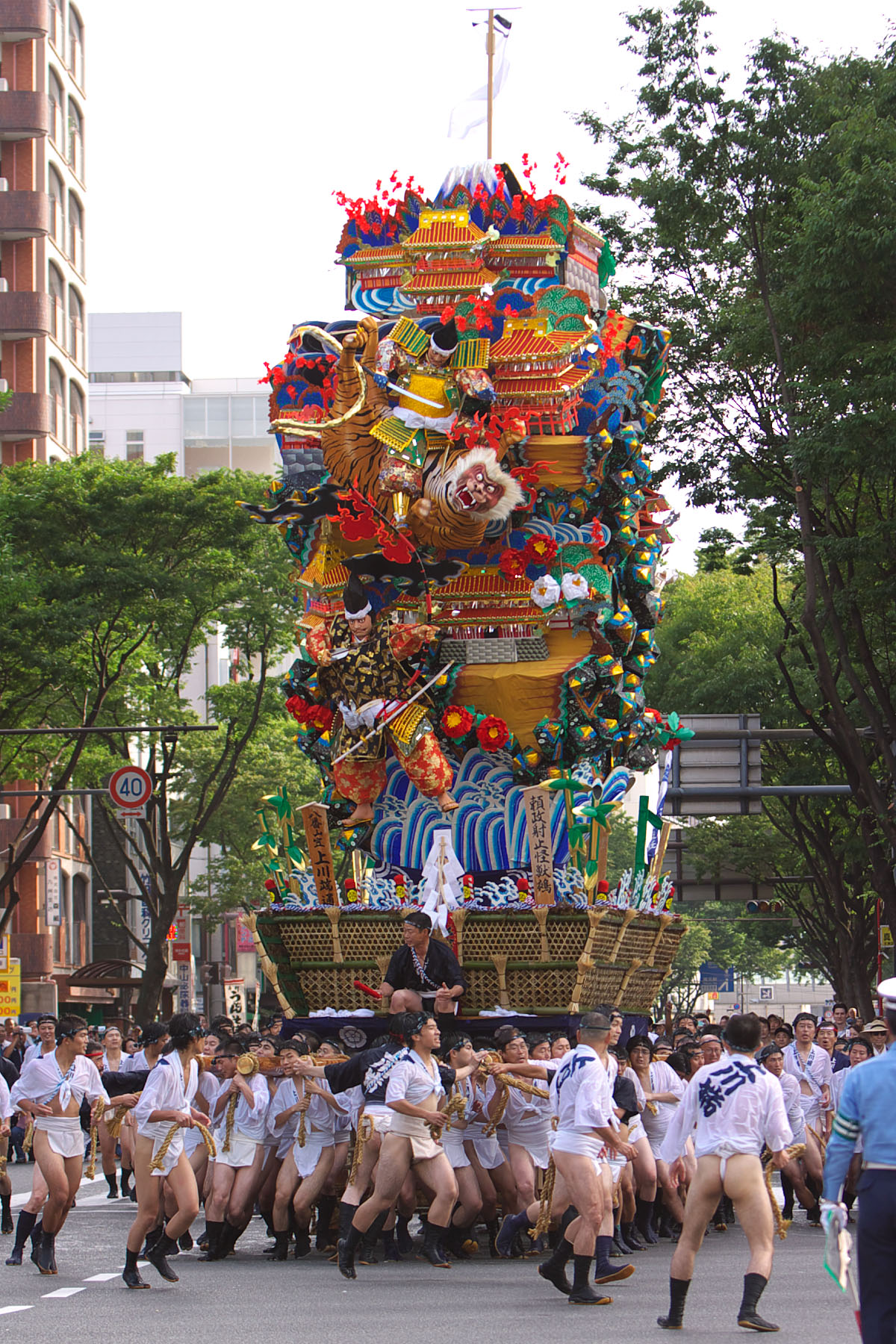 🇯🇵 Fukuoka, JapanHakata Gion Yamakasa博多祇園山笠
A July festival in Fukuoka featuring heavy float races through the streets of Hakata.Festival
🇯🇵 Fukuoka, JapanHakata Gion Yamakasa博多祇園山笠
A July festival in Fukuoka featuring heavy float races through the streets of Hakata.Festival
The same idea elsewhere
All of this kind 🇮🇹 Rome, Italy and 4 moreChristmas
A festival of Jesus's birth, kept on 25 December with gifts, lights and shared mealsFestival
🇮🇹 Rome, Italy and 4 moreChristmas
A festival of Jesus's birth, kept on 25 December with gifts, lights and shared mealsFestival
 🇬🇧 United Kingdom and 4 moreValentine's Day
A Christian feast day and cultural celebration of love kept on February 14 in many countries.Festival
🇬🇧 United Kingdom and 4 moreValentine's Day
A Christian feast day and cultural celebration of love kept on February 14 in many countries.Festival
 🇹🇷 Turkey and 5 moreEid al-Fitrعيد الفطر
The feast that ends Ramadan, opened with morning prayers, sweets and visits homeFestival · Feasts and festival meals
🇹🇷 Turkey and 5 moreEid al-Fitrعيد الفطر
The feast that ends Ramadan, opened with morning prayers, sweets and visits homeFestival · Feasts and festival meals
 🇩🇪 Germany and 5 moreChristmas tree
A decorated evergreen or artificial tree placed indoors to mark the Christmas season.Festival
🇩🇪 Germany and 5 moreChristmas tree
A decorated evergreen or artificial tree placed indoors to mark the Christmas season.Festival