Festivals and celebrationsEast AsiaBuddhist
Tsukimi
In its own language: 月見 (Tsukimi) / お月見 (Otsukimi)
A Japanese autumn festival honoring the harvest moon with seasonal foods and pampas grass decorations.

Tsukimi is a Japanese tradition of viewing the full autumn moon to celebrate the harvest. Originating in the Heian era among aristocrats, it involves displaying susuki grass and eating dango rice dumplings. The main celebration occurs on the fifteenth night of the eighth lunar month, with additional observances on the thirteenth night of the ninth month.
When is Tsukimi in 2027?
Tsukimi 2027 is on Wednesday, 15 September 2027. Other years: 2026, Friday, 25 September 2026; 2028, Tuesday, 3 October 2028.
Tsukimi is a Japanese autumn festival dedicated to viewing the harvest moon. People gather to admire the full moon while enjoying seasonal foods like dango and chestnuts. Decorations of pampas grass are displayed to honor the celestial body and pray for a bountiful harvest.
Origins and history
The custom began during the Heian period among Japanese aristocrats who were influenced by the Chinese Mid-Autumn Festival. These nobles would hold moon-viewing parties, often on boats, reciting poetry under the full moon. The calendar shift in 1684 moved the full moon from the thirteenth to the fifteenth day of the month. While some adopted the new date, others kept the old traditions, leading to multiple viewing nights throughout the Edo period.
How it is kept
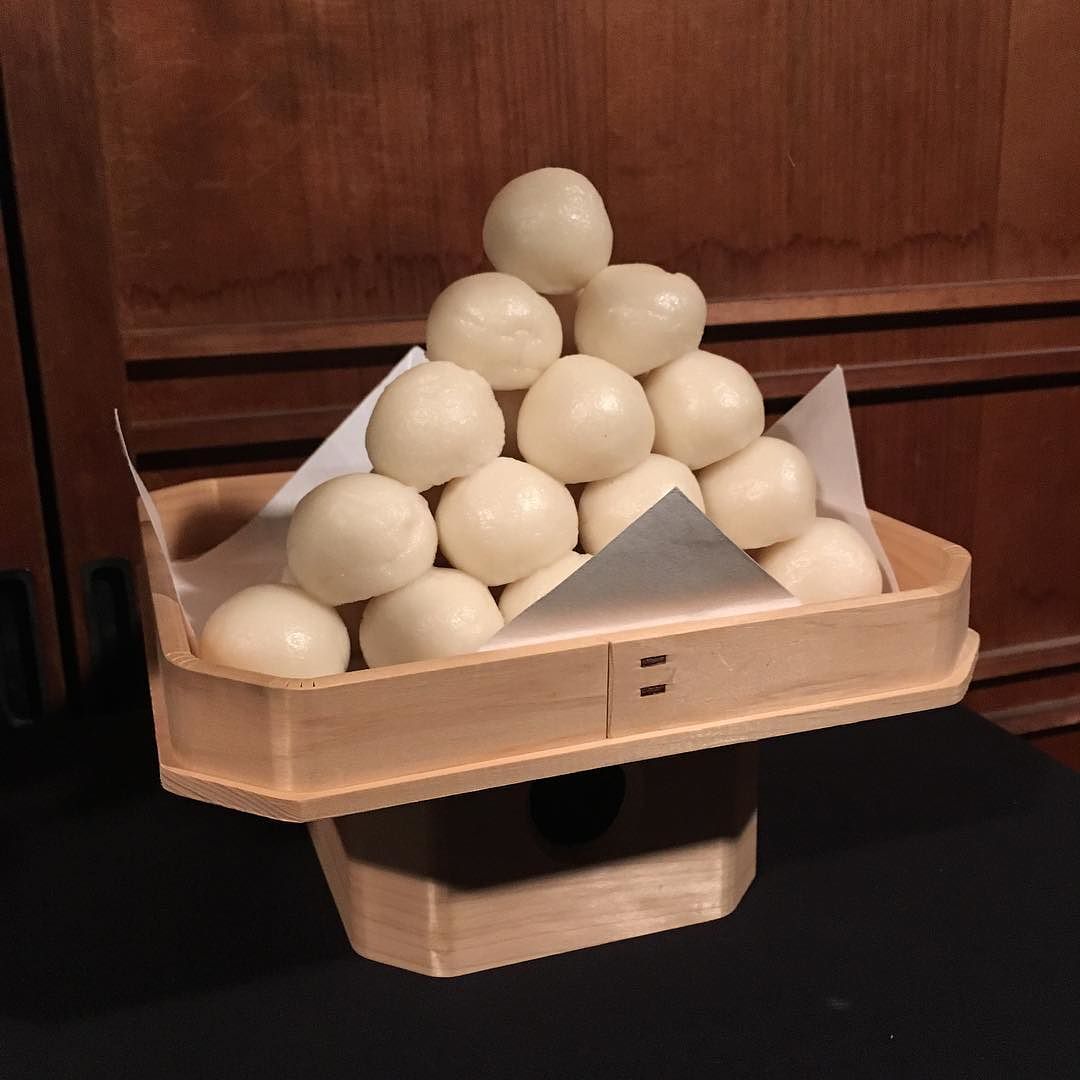
Families and friends gather outdoors or on verandas to view the moon. They set up tables decorated with susuki, or Japanese pampas grass, which symbolizes the harvest. Offerings of seasonal produce are placed before the moon. People eat Tsukimi dango, white rice dumplings stacked in pyramids, along with other dishes like taro and edamame. Even if the sky is cloudy, known as mugetsu or ugetsu, gatherings often continue.
Food and offerings
Specific foods are offered to the moon depending on the viewing night. Sweet potatoes are associated with the full moon on Jūgoya, leading to the name Imomeigetsu. Chestnuts and beans are offered during the waxing moon on Jūsan'ya, called Mamemeigetsu and Kurimeigetsu respectively. Other common items include soba noodles topped with raw eggs, known as Tsukimi soba, and sake served as a drink offering.
How Tsukimi is kept
People gather to view the moon, setting up displays of susuki grass and seasonal foods. They eat dango rice dumplings and offer sweet potatoes or chestnuts to the moon. Gatherings may occur on multiple evenings, including when the moon is not visible.
When and where
The main event falls on the 15th day of the 8th lunar month, usually in September or October. A secondary viewing occurs on the 13th day of the 9th lunar month.
The tradition is primarily observed throughout Japan. Specific events take place in cities like Osaka and Tokyo, often at temples or public spaces with clear views of the sky.
What Tsukimi means
Tsukimi honors the beauty of the autumn moon and celebrates the harvest. It is a time for prayer and gratitude for abundant crops. The display of susuki grass represents the golden hues of the harvest season and serves as an offering to the celestial body.
On the table
- Tsukimi dango
- Sweet potatoes
- Chestnuts
- Beans
- Taro
- Edamame
- Sake
- Tsukimi soba

Tsukimi dates: 2026, 2027, 2028
| Year | Tsukimi date |
|---|---|
| 2026 | Friday, 25 September 2026 |
| 2027 | Wednesday, 15 September 2027 |
| 2028 | Tuesday, 3 October 2028 |
Questions people ask about Tsukimi
When is Tsukimi in 2027?
Tsukimi 2027 is on Wednesday, 15 September 2027. Other years: 2026, Friday, 25 September 2026; 2028, Tuesday, 3 October 2028.
What is Tsukimi?
Tsukimi is a Japanese festival for viewing the autumn harvest moon. It involves decorating with pampas grass and eating seasonal foods like dango to celebrate the moon's beauty and pray for a good harvest.
What food is eaten during Tsukimi?
The most common food is Tsukimi dango, white rice dumplings. Other offerings include sweet potatoes, chestnuts, beans, taro, and edamame. Noodles topped with raw eggs are also traditional.
Why is pampas grass used?
Susuki, or Japanese pampas grass, is displayed as a decoration because its golden color resembles the harvest grain. It is placed near the moon-viewing area as an offering and symbol of the season.
See also
 HalloweenAn annual observance on 31 October marking the eve of All Saints' Day, rooted in Christian tradition and Celtic heritage
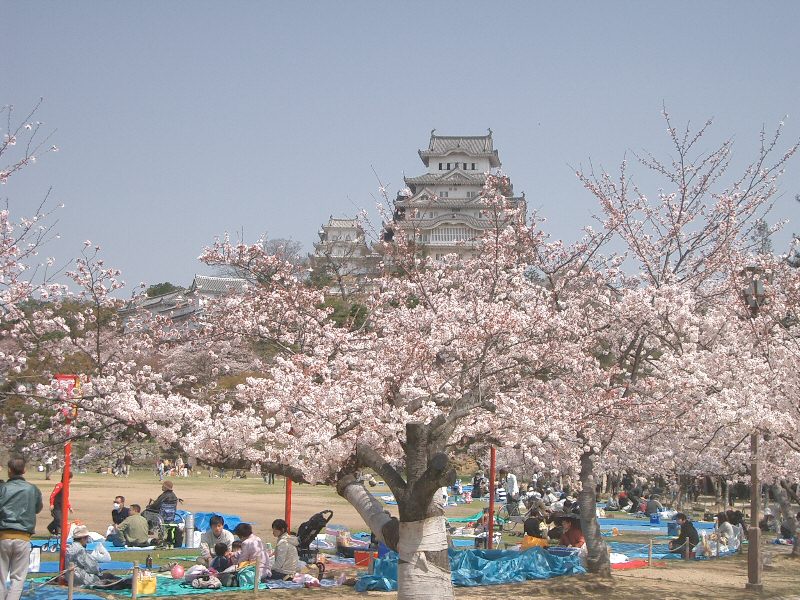 HanamiA Japanese spring custom of gathering under blooming cherry trees to eat, drink, and celebrate the fleeting beauty of th
 Buddha's BirthdayA festival marking the birth of Siddhartha Gautama, observed across Asia with temple rituals and community gatherings.
 TanabataA Japanese summer star festival of written wishes hung on leafy bamboo.
Good reading and sources
- Tsukimi on WikipediaEncyclopedia
- More photos on Wikimedia CommonsPhotos and video
- Wikidata recordOpen data
The facts on this page come from the Wikipedia article "Tsukimi", written by its contributors and used under the CC BY-SA 4.0 licence, and from its Wikidata record (CC0). EveryParampara rewrote the text in its own words, with AI assistance, and compares every page with the article to make sure no passage is copied. It may be reused under the same CC BY-SA 4.0 licence with a link back.
It may contain mistakes. Traditions differ from one family, village and community to the next, and the people who keep them know them best. If something is wrong, tell us. Last refreshed 2026-10-04.
More from Japan
All the traditions of Japan
🇮🇪 Ireland and 5 moreHalloween
An annual observance on 31 October marking the eve of All Saints' Day, rooted in Christian tradition and Celtic heritageFestival · Sweets given and shared
 🇮🇳 India and 4 moreWater lantern
Small lamps floated on water to honour the dead and ask for good fortuneFestival
🇮🇳 India and 4 moreWater lantern
Small lamps floated on water to honour the dead and ask for good fortuneFestival
 🇯🇵 Kishiwada, JapanKishiwada Danjiri Matsuri岸和田だんじり祭
A high-speed festival of wooden shrine floats pulled through Kishiwada, JapanFestival
🇯🇵 Kyoto, Japan and 4 moreHanami花見
A Japanese spring custom of gathering under blooming cherry trees to eat, drink, and celebrate the fleeting beauty of thFestival · Lunch
🇯🇵 Kishiwada, JapanKishiwada Danjiri Matsuri岸和田だんじり祭
A high-speed festival of wooden shrine floats pulled through Kishiwada, JapanFestival
🇯🇵 Kyoto, Japan and 4 moreHanami花見
A Japanese spring custom of gathering under blooming cherry trees to eat, drink, and celebrate the fleeting beauty of thFestival · Lunch
The same idea elsewhere
Harvest and thanksgiving compared 🇮🇳 Ayodhya, India and 7 moreDiwaliदीपावली (Dīpāvalī)
A five-day festival of lights celebrated across India and its diaspora to mark the victory of light over darkness.Festival · Feasts and festival meals
🇮🇳 Ayodhya, India and 7 moreDiwaliदीपावली (Dīpāvalī)
A five-day festival of lights celebrated across India and its diaspora to mark the victory of light over darkness.Festival · Feasts and festival meals
 🇮🇱 Jerusalem, IsraelSukkotסוכות
A seven-day autumn Jewish festival of temporary booths, harvest prayers and hospitalitySpiritual
🇮🇪 Ireland and 2 moreJack-o'-lantern
A carved pumpkin lantern lit with a candle to brighten and protect Halloween nightsFolklore
🇮🇱 Jerusalem, IsraelSukkotסוכות
A seven-day autumn Jewish festival of temporary booths, harvest prayers and hospitalitySpiritual
🇮🇪 Ireland and 2 moreJack-o'-lantern
A carved pumpkin lantern lit with a candle to brighten and protect Halloween nightsFolklore
 🇹🇱 Timor-LesteUma Lulik
Sacred ancestral clan houses and ritual shrines in East TimorSpiritual
🇹🇱 Timor-LesteUma Lulik
Sacred ancestral clan houses and ritual shrines in East TimorSpiritual