Spiritual and religiousSouth AsiaMuslim
Urs-e-Razavi
In its own language: عرس اعلی حضرت
A three-day annual Sufi gathering honouring the legacy of Imam Ahmad Raza Khan
Urs-e-Razavi is a three-day Islamic commemoration held for Imam Ahmad Raza Khan at Dargah Ala Hazrat in India. Observed by Sufi Sunni Muslims each Safar, the annual gathering features recitations, academic lectures, ritual offerings, and public discussions.
When is Urs-e-Razavi kept?
Urs-e-Razavi is kept on annually for three days from 23 to 25 Safar.
Urs-e-Razavi is an annual three-day Islamic observance that marks the passing of the scholar Imam Ahmad Raza Khan. Held primarily at Dargah Ala Hazrat, the gathering brings together Sufi Sunni Muslims for prayer, devotional rites, and academic discourses. Pilgrims and scholars assemble to honour his theological legacy, examine traditional teachings, and reflect on contemporary social challenges facing the wider Muslim community.
Gatherings and devotions
The three-day schedule includes congregational prayers, remembrance gatherings known as zikr, and devotional assemblies celebrating the Prophet, termed Mehfil-e-Milad. Participants take part in formal processions, ritual washing of the shrine known as the ghusl of the dargah, and communal supplications or dua. Scholars deliver speeches reviewing Islamic methodology and evaluating the contributions Ahmad Raza Khan made to the development of Sufism across the Indian subcontinent.
The Chadar Peshi offering
A central ritual during the event is the Chadar Peshi. In this ceremony, a ceremonial cloth known as a chadar is brought forward and placed over the tomb as an expression of respect and deep tribute. Offerings arrive from devotees and visiting groups across the globe. These tributes sometimes include ceremonial gifts sent by foreign leaders, demonstrating the broad international reach of the shrine and the reverence held for the scholar.
Discourse and international reach
Beyond devotional rituals, the event serves as a forum where religious figures discuss social and economic issues affecting Muslims. Topics have included legal matters such as court verdicts regarding marriage practices and efforts to address difficult living conditions. Because crowds at the main shrine became exceptionally large, shrine authorities distributed observances across several countries, including Pakistan, Bangladesh, Mauritius, South Africa, Turkey, the United Kingdom, and the United States.
How Urs-e-Razavi is kept
Over three days from 23 to 25 Safar, attendees take part in marches, ceremonial washing of the shrine, and recitation assemblies. Clerics lead prayers, deliver lectures on Sufi reforms and Islamic teachings, and examine community issues. Devotees perform the Chadar Peshi, presenting and laying decorated cloths over the tomb to honour Imam Ahmad Raza Khan.
When and where
Urs-e-Razavi takes place once every lunar year over three consecutive days, running from 23 to 25 Safar on the Islamic calendar.
The main observance takes place at Dargah Ala Hazrat in India. Due to large attendance, linked celebrations are also organized across countries including Pakistan, Bangladesh, South Africa, Mauritius, Turkey, the United Kingdom, and the United States.
What Urs-e-Razavi means
The observance honours the legacy and religious contributions of Imam Ahmad Raza Khan. Placing a cloth during Chadar Peshi conveys devotion and homage to his memory, while scholarly assemblies foster theological continuity and provide social guidance for the community.
Questions people ask about Urs-e-Razavi
When is Urs-e-Razavi kept?
Urs-e-Razavi is kept on annually for three days from 23 to 25 Safar.
What is Urs-e-Razavi?
It is an annual three-day Islamic commemoration marking the death anniversary of Imam Ahmad Raza Khan, observed primarily by Sufi Sunni Muslims.
Where does the observance take place?
The primary gathering is held at Dargah Ala Hazrat in India, with affiliated events also arranged in countries such as Pakistan, Bangladesh, South Africa, the United Kingdom, and the United States.
What is the Chadar Peshi ceremony?
Chadar Peshi is a devotional ritual where a decorative cloth, or chadar, is presented and draped over the tomb as a gesture of reverence and honor.
See also
 Eid al-FitrThe feast that ends Ramadan, opened with morning prayers, sweets and visits home
 Kailash Mansarovar YatraA high-altitude pilgrimage to Mount Kailash and Lake Manasarovar in TibetChota Char DhamFour Himalayan shrines in Uttarakhand, visited in one season each year
 TheyyamA sacred ritual dance and divine invocation from North Malabar in India
Good reading and sources
The facts on this page come from the Wikipedia article "Urs-e-Razavi", written by its contributors and used under the CC BY-SA 4.0 licence, and from its Wikidata record (CC0). EveryParampara rewrote the text in its own words, with AI assistance, and compares every page with the article to make sure no passage is copied. It may be reused under the same CC BY-SA 4.0 licence with a link back.
It may contain mistakes. Traditions differ from one family, village and community to the next, and the people who keep them know them best. If something is wrong, tell us. Last refreshed 2026-10-06.
More from India
All the traditions of India
🇮🇳 IndiaTheyyam
A sacred ritual dance and divine invocation from North Malabar in IndiaSpiritual
🇮🇳 India and 1 moreKailash Mansarovar Yatraकैलाश मानसरोवर यात्रा (Hindi); ཀཱའི་ལ་ཤ་མན་ས་རོ་ཝར་ཡ་ཏྲ། (Tibetan)
A high-altitude pilgrimage to Mount Kailash and Lake Manasarovar in TibetSpiritual
 🇮🇳 India and 5 morePretaप्रेत
Offerings and rites for spirits enduring deep hunger across Asian traditions.Spiritual
🇮🇳 India and 5 morePretaप्रेत
Offerings and rites for spirits enduring deep hunger across Asian traditions.Spiritual
The same idea elsewhere
Remembering the ancestors compared 🇮🇱 Jerusalem, IsraelSukkotסוכות
A seven-day autumn Jewish festival of temporary booths, harvest prayers and hospitalitySpiritual
🇮🇱 Jerusalem, IsraelSukkotסוכות
A seven-day autumn Jewish festival of temporary booths, harvest prayers and hospitalitySpiritual
 🇯🇵 Kyoto, JapanTorii鳥居
A traditional Japanese gate marking the entrance to a Shinto shrine and separating the sacred from the mundane.Spiritual
🇯🇵 Kyoto, JapanTorii鳥居
A traditional Japanese gate marking the entrance to a Shinto shrine and separating the sacred from the mundane.Spiritual
 🇲🇲 Bagan, MyanmarNat worshipနတ်
Veneration of guardian spirits and nature deities alongside Buddhism in MyanmarSpiritual
🇲🇲 Bagan, MyanmarNat worshipနတ်
Veneration of guardian spirits and nature deities alongside Buddhism in MyanmarSpiritual
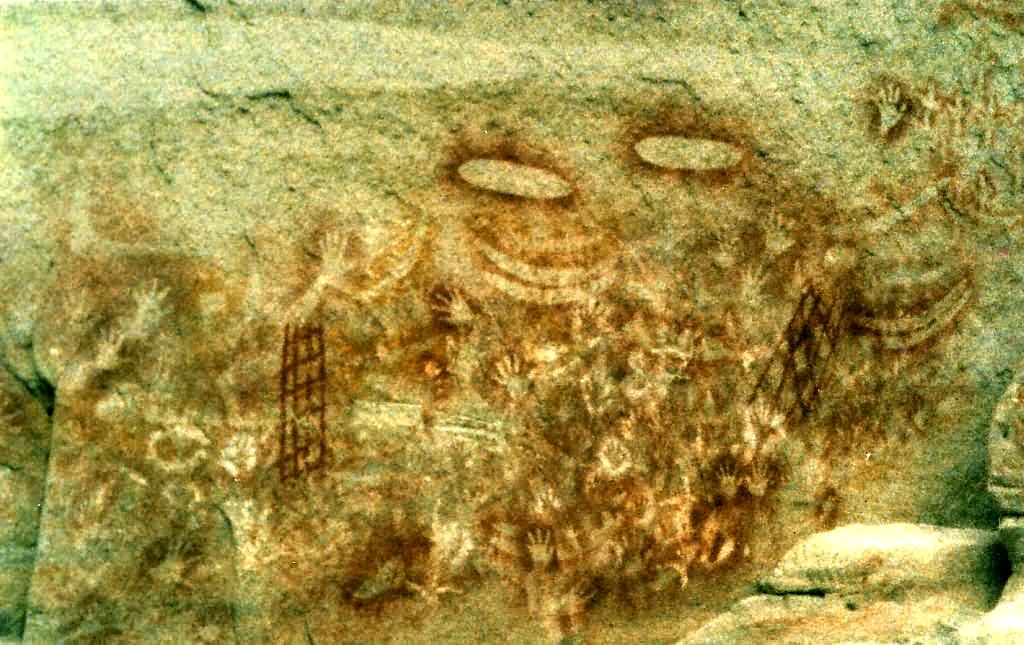 🇦🇺 AustraliaThe Dreaming
A living spiritual worldview and law connecting Aboriginal Australians to ancestors, land, and community.Spiritual
🇦🇺 AustraliaThe Dreaming
A living spiritual worldview and law connecting Aboriginal Australians to ancestors, land, and community.Spiritual