Seasons, harvest and the calendarSoutheast AsiaBuddhist
Cambodian New Year
In its own language: បុណ្យចូលឆ្នាំថ្មី ប្រពៃណីជាតិ
A three-day harvest festival marking the traditional solar new year across Cambodia

Cambodian New Year, or Choul Chnam Thmey, is a three-day celebration observed by Khmer communities in mid-April. Marking the close of the harvest before the rains arrive, families visit Buddhist shrines, perform acts of charity, wash statues and elders with scented water, and play lively folk games.
When is Cambodian New Year kept?
Cambodian New Year is kept on annually for three days starting on 13 or 14 April.
Cambodian New Year, known as Choul Chnam Thmey or Moha Sangkran, is an annual three-day celebration held in mid-April. Occurring right after the harvest and just before the monsoon rains, it gives farmers and families time to rest and rejoice. People gather at local temples, pay respect to elders, perform deeds of generosity, and join together in dancing and street games.
The three ceremonial days
Each day of the holiday has a dedicated purpose. The first day, Moha Sangkrant, marks the turn of the year, when families dress in fine clothes, burn incense at shrines, and wash themselves with holy water at different times of day. On the second day, Veareak Vanabat, people give alms to the homeless, low-income families, and household helpers, while also visiting monasteries to honour their ancestors. The final day, Veareak Laeung Sak, concludes the cycle as people cleanse sacred Buddha figures and bathe their parents and grandparents with fragrant water, exchanging blessings for good health, fortune, and guidance.
Rituals and temple offerings
During the festival, Buddhist grounds become bustling hubs of community life. Worshippers construct five mounds of sand, raising a large central dome to represent the celestial Valuka Chaitya stupa alongside four surrounding hillocks that honour the chief disciples of the Buddha. Another widespread custom, Srang Preah, involves pouring perfumed water or light chalk liquid over elders and neighbors. Alongside spiritual rites, people enjoy seasonal foods such as kralan, a sweet snack made by filling bamboo tubes with rice, peas or beans, coconut meat, and coconut milk, then slowly roasting them over open heat.
Community pastimes and games
When formal ceremonies conclude, street corners fill with traditional pastimes that test agility and bring neighbors together. Young people divide into teams for Chol Chhoung, tossing a fabric pouch back and forth while singing and dancing if hit. In Chap Kon Kleng, players act out a hen shielding her chicks against a predatory crow. Other favorites include Bos Angkunh, a target-tossing contest, Leak Kanseng, a circle-chasing game played with a rolled towel, and Bay Khom, a counting board game. People also enjoy Klah Klok, placing bets on rolling dice decorated with animals and items.
How Cambodian New Year is kept
Across three days, Khmer households clean themselves with blessed water, put on their best clothing, and visit Buddhist temples. They prostrate before images of the Buddha, offer food, and build symbolic sand stupas on monastery grounds. Families direct charity to those in need and hold memorial rites for departed ancestors. Younger relatives wash their parents and sacred statues with scented water to wash away misdeeds and seek blessings. In public squares and open streets, crowds come together to dance, sing, and play folk games.
When and where
The holiday begins on 13 or 14 April each year and lasts for three days. It marks the solar new year and coincides with the completion of the agricultural harvest, arriving before the wet season begins.
The festival is celebrated across Cambodia in homes, village squares, and Buddhist pagodas. Special cultural gatherings such as Angkor Sangkrant take place in Siem Reap, while Khmer communities abroad frequently gather during surrounding weekends.
What Cambodian New Year means
The rituals celebrate fresh beginnings, gratitude, and moral cleansing. Washing Buddha statues and pouring perfumed water over parents symbolizes scrubbing away past wrongdoings while earning happiness, health, and parental wisdom. Raising sand mounds honors Buddhist cosmology, while charity and ancestor rites express filial devotion, community care, and appreciation for the bounty of the completed harvest season.
On the table
- Kralan


Questions people ask about Cambodian New Year
When is Cambodian New Year kept?
Cambodian New Year is kept on annually for three days starting on 13 or 14 April.
What is Cambodian New Year?
It is the traditional solar new year celebration in Cambodia, marking the end of the harvest with three days of religious rites, family gatherings, charity, and street games.
What is the meaning behind washing elders with water?
Known as Srang Preah, pouring scented water over parents and grandparents is a gesture of deep respect. It cleanses misdeeds, brings good fortune, and invites elders to share blessings and advice.
What traditional games are played during the holiday?
People play games like Chol Chhoung, a singing and fabric-tossing game, Bos Angkunh, a target contest, and Chap Kon Kleng, where players mimic a hen protecting chicks from a crow.
See also
 Ghost FestivalA full-moon night in the seventh lunar month for feeding ghosts and guiding souls home
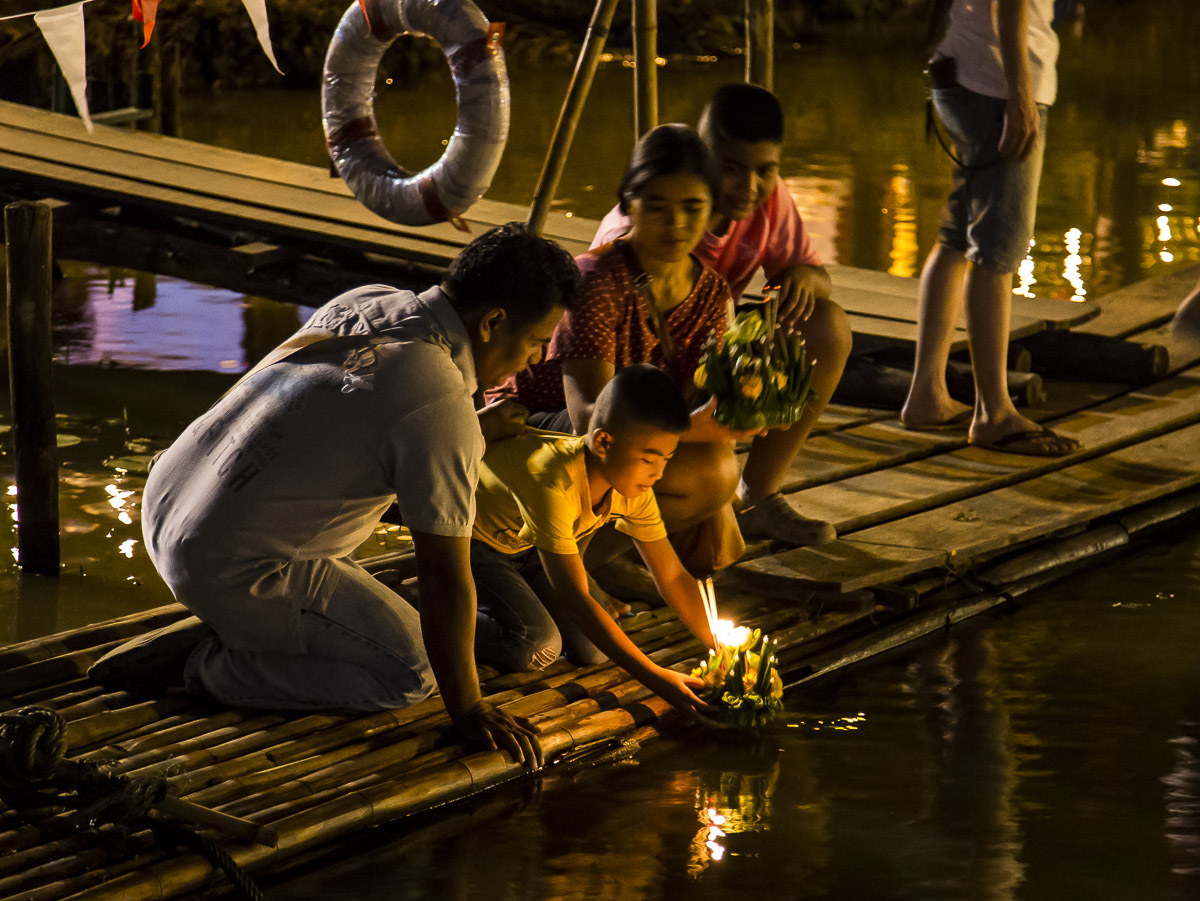 Loy KrathongA Thai festival of floating leaf baskets on rivers to honor water and release negativity.
 Royal Ploughing CeremonyA royal agricultural rite opening the rice season across mainland Southeast Asia
 LosarThe Tibetan Buddhist New Year festival of renewal, offerings, and family feasts
Good reading and sources
- Cambodian New Year on WikipediaEncyclopedia
- More photos on Wikimedia CommonsPhotos and video
- Wikidata recordOpen data
The facts on this page come from the Wikipedia article "Cambodian New Year", written by its contributors and used under the CC BY-SA 4.0 licence, and from its Wikidata record (CC0). EveryParampara rewrote the text in its own words, with AI assistance, and compares every page with the article to make sure no passage is copied. It may be reused under the same CC BY-SA 4.0 licence with a link back.
It may contain mistakes. Traditions differ from one family, village and community to the next, and the people who keep them know them best. If something is wrong, tell us. Last refreshed 2026-10-04.
More from Cambodia
All the traditions of Cambodia 🇮🇳 India and 5 morePretaप्रेत
Offerings and rites for spirits enduring deep hunger across Asian traditions.Spiritual
🇮🇳 India and 5 morePretaप्रेत
Offerings and rites for spirits enduring deep hunger across Asian traditions.Spiritual
 🇹🇭 Thailand and 7 moreSpirit house
A small roofed shrine on a pillar, kept in homes and villages across Southeast Asia to honour protective spirits.Spiritual
🇹🇭 Thailand and 7 moreSpirit house
A small roofed shrine on a pillar, kept in homes and villages across Southeast Asia to honour protective spirits.Spiritual
 🇨🇳 China and 5 moreMid-Autumn Festival中秋節
An annual harvest festival celebrating family reunions, full moons and mooncakesFestival · Sweets given and shared
🇹🇭 Chiang Mai, Thailand and 5 moreLoy Krathongลอยกระทง
A Thai festival of floating leaf baskets on rivers to honor water and release negativity.Festival
🇨🇳 China and 5 moreMid-Autumn Festival中秋節
An annual harvest festival celebrating family reunions, full moons and mooncakesFestival · Sweets given and shared
🇹🇭 Chiang Mai, Thailand and 5 moreLoy Krathongลอยกระทง
A Thai festival of floating leaf baskets on rivers to honor water and release negativity.Festival
The same idea elsewhere
New Year compared 🇮🇳 Ayodhya, India and 7 moreDiwaliदीपावली (Dīpāvalī)
A five-day festival of lights celebrated across India and its diaspora to mark the victory of light over darkness.Festival · Feasts and festival meals
🇮🇳 Ayodhya, India and 7 moreDiwaliदीपावली (Dīpāvalī)
A five-day festival of lights celebrated across India and its diaspora to mark the victory of light over darkness.Festival · Feasts and festival meals
 🇯🇵 JapanKadomatsu門松
A Japanese New Year gateway decoration of pine and bamboo where a visiting deity can restSeasonal
🇯🇵 JapanKadomatsu門松
A Japanese New Year gateway decoration of pine and bamboo where a visiting deity can restSeasonal
 🇺🇸 Chicago, United States and 4 moreKwanzaa
A seven-day African American celebration of heritage, family and community valuesFestival · Feasts and festival meals
🇺🇸 Chicago, United States and 4 moreKwanzaa
A seven-day African American celebration of heritage, family and community valuesFestival · Feasts and festival meals
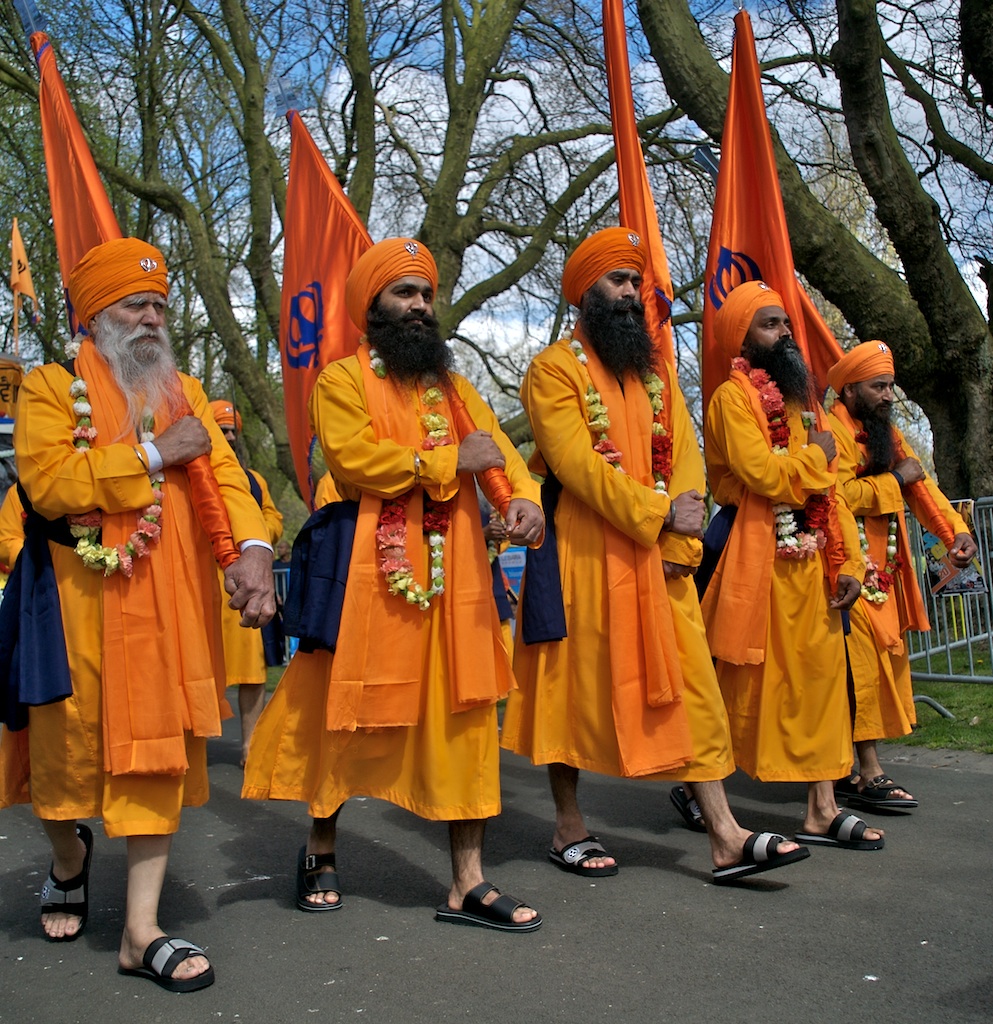 🇮🇳 Amritsar, India and 1 moreVaisakhi
A spring harvest and new year festival kept across India and Pakistan by Hindus and Sikhs.Festival
🇮🇳 Amritsar, India and 1 moreVaisakhi
A spring harvest and new year festival kept across India and Pakistan by Hindus and Sikhs.Festival