Traditions of Amritsar
The home of the Golden Temple, where a free kitchen feeds tens of thousands of people every day.
Amritsar was founded in the sixteenth century by the fourth Sikh Guru and grew around a sacred pool. The Harmandir Sahib, the Golden Temple, stands at its centre. It is a place of quiet devotion, hymn singing and one of the largest free meals in the world, open to everyone regardless of faith.

Seva and the langar
The community kitchen of the Golden Temple serves vegetarian meals of dal, roti and kheer to people seated on the floor in rows. Volunteers cut vegetables, roll dough and wash plates as service, called seva. Guru Granth Sahib is read through the day, and its hymns are sung in the sanctum from early morning.
The year here
Vaisakhi in April, which marks the founding of the Khalsa, brings processions and crowds. Gurpurab celebrates the birthdays of the Gurus, and Diwali, known as Bandi Chhor Divas here, lights the temple and the sacred pool with thousands of lamps. Food stalls sell kulcha and lassi in the lanes.
Signature traditions of Amritsar


A trail idea for Amritsar
- Harmandir Sahib before dawn Hear the early hymns as the book is carried in.
- The Guru Ka Langar hall Sit on the floor and eat, or help serve.
- Wagah border An evening flag-lowering ceremony shared by India and Pakistan.
Written by the EveryParampara desk with AI assistance. Opening hours, markets and festival dates change; check locally before travelling. Customs differ from place to place and family to family. If this is your tradition and we have it wrong, tell us.
 🇮🇳 Ayodhya, India and 7 moreDiwaliदीपावली (Dīpāvalī)
A five-day festival of lights celebrated across India and its diaspora to mark the victory of light over darkness.Festival · Feasts and festival meals
🇮🇳 Ayodhya, India and 7 moreDiwaliदीपावली (Dīpāvalī)
A five-day festival of lights celebrated across India and its diaspora to mark the victory of light over darkness.Festival · Feasts and festival meals
 🇮🇳 India and 1 morePhulkariਫੁਲਕਾਰੀ
Geometric and floral threadwork embroidered by Punjabi women on handwoven cotton.Craft
🇮🇳 India and 1 morePhulkariਫੁਲਕਾਰੀ
Geometric and floral threadwork embroidered by Punjabi women on handwoven cotton.Craft
 🇮🇳 Amritsar, India and 1 moreGatkaਗੱਤਕਾ (Gurmukhi) / گَتّکا (Shahmukhi)
A Sikh martial art of stick-fighting and sword dance from the Punjab region.Performance
🇮🇳 Amritsar, India and 1 moreGatkaਗੱਤਕਾ (Gurmukhi) / گَتّکا (Shahmukhi)
A Sikh martial art of stick-fighting and sword dance from the Punjab region.Performance
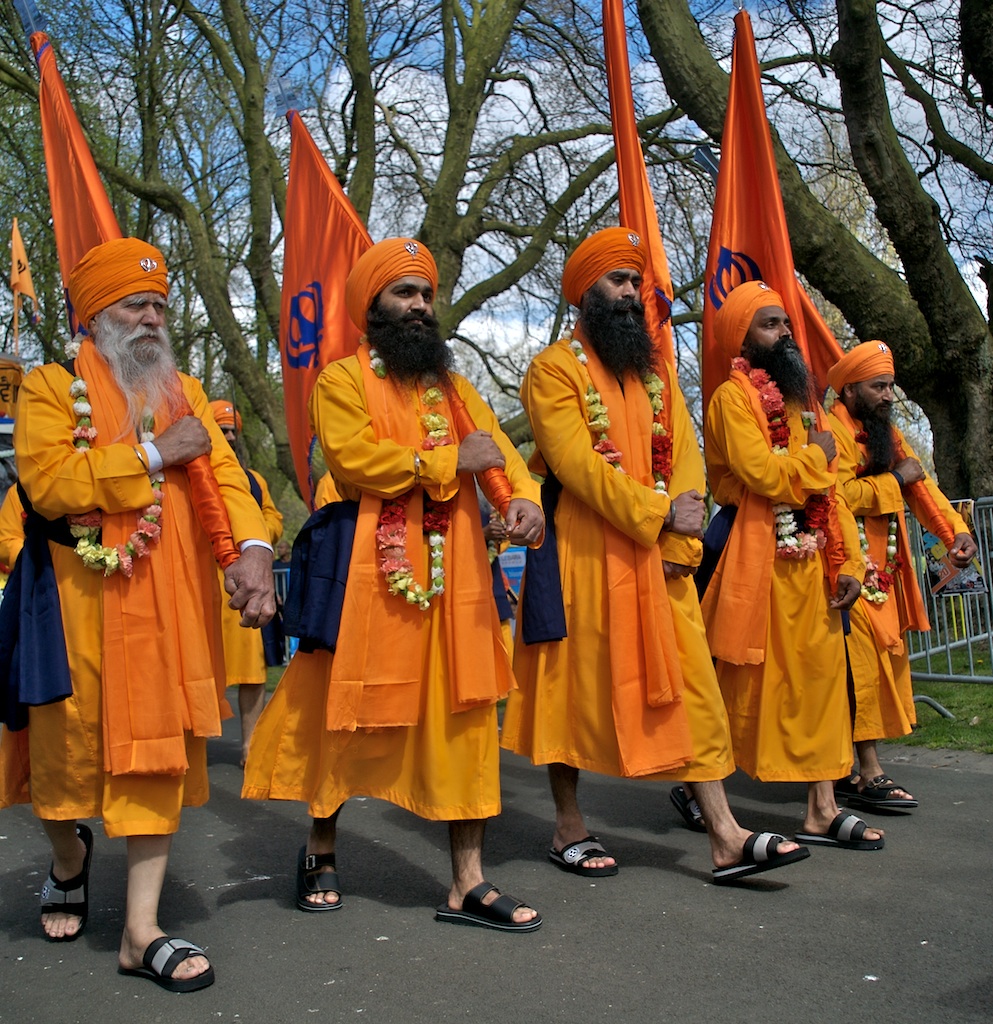 🇮🇳 Amritsar, India and 1 moreVaisakhi
A spring harvest and new year festival kept across India and Pakistan by Hindus and Sikhs.Festival
🇮🇳 Amritsar, India and 1 moreVaisakhi
A spring harvest and new year festival kept across India and Pakistan by Hindus and Sikhs.Festival
 🇮🇳 Pune, India and 5 moreTurbanدولبند (dolband)
Cloth wound around the head, worn for faith, rank, shade and identityDress
🇮🇳 Pune, India and 5 moreTurbanدولبند (dolband)
Cloth wound around the head, worn for faith, rank, shade and identityDress
 🇵🇰 Lahore, Pakistan and 1 moreBasant
A Punjabi spring festival marked by rooftop kite flying, yellow clothing and fairsFestival · Sweets given and shared
🇵🇰 Lahore, Pakistan and 1 moreBasant
A Punjabi spring festival marked by rooftop kite flying, yellow clothing and fairsFestival · Sweets given and shared
 🇮🇳 Amritsar, IndiaBandi Chhor Divasਬੰਦੀ ਛੋੜ ਦਿਵਸ
A Sikh festival of liberation marking the release of Guru Hargobind and fifty-two princes from Mughal imprisonment.Festival
🇮🇳 Amritsar, IndiaBandi Chhor Divasਬੰਦੀ ਛੋੜ ਦਿਵਸ
A Sikh festival of liberation marking the release of Guru Hargobind and fifty-two princes from Mughal imprisonment.Festival
Photo credits on this page
The small pictures above come from Wikimedia Commons under free licences. Some are cropped to fit.
- Diwali: Kalli navya, CC BY-SA 4.0, source
- Vaisakhi: Michael Clark, CC BY 2.0, source
- Langar: Harisingh at en.wikipedia, CC BY-SA 3.0, source
- Turban: pxhere, CC0, source
- Basant: Haseeb Ahmad Farooqi, CC BY-SA 4.0, source
- Bandi Chhor Divas: UrbanUrban_ru, CC BY-SA 2.0, source
- Phulkari: Sheebamadanloewinger, CC BY-SA 4.0, source
- Gurpurab: Gill Gagandeep, CC BY-SA 4.0, source
- Gatka: Simon Speed, Public domain, source