Festivals and celebrationsEuropeChristianPagan and ancient
Jul
Winter feasts, carols around the tree, and family gatherings across Denmark

Jul is the Danish midwinter celebration spanning December, blending historic Norse customs with Christian holiday rites. Families gather on Christmas Eve to enjoy a roast dinner, search for a hidden almond in cold rice pudding, and circle the tree singing carols.
When is Jul marked?
Jul is kept as part of Christmas Eve, which is on Thursday, 24 December 2026.
Jul is Denmark's midwinter festival, filling the month of December with communal meals, treats, and seasonal customs. Rooted in ancient Germanic Yule practices, the observance combined with Christian traditions after the country was Christianized in the eleventh century. The season peaks on Christmas Eve, when households assemble for church, share an elaborate roast dinner, dance together around a decorated spruce, and exchange presents.
The Christmas Eve meal
On the evening of 24 December, families sit down for their central feast of the season. The table typically features roast pork, duck, or goose alongside boiled potatoes, caramelized potatoes, red cabbage, and brown gravy. Dessert follows with risalamande, a cold rice pudding folded with whipped cream and covered in warm cherry sauce. A single whole almond is concealed inside the pudding bowl, and whoever finds it in their portion receives a small prize, often a sculpted marzipan pig. Some households prepare this dish using leftover porridge made the night before on Little Yule Eve, which is eaten warm with cinnamon, butter, and brown sugar.
Dancing around the tree
After dinner, or occasionally beforehand, everyone gathers around the lighted spruce. Family members join hands to dance in a circle while singing traditional hymns and carols, such as Nu er det jul igen. The tree itself is dressed with handmade pleated paper hearts, decorative paper cones stuffed with sweets, and strings of tiny Danish flags. Once the singing concludes, children or family members take turns distributing gifts from beneath the branches. The rest of the evening is spent opening packages, nibbling on confections, and sipping warm gløgg, a spiced mulled wine.
Feasting at Yule lunches
Social feasting extends well beyond a single night through long gatherings known as julefrokoster. Held with colleagues, classmates, or sports clubs in the weeks leading up to the holiday, and with relatives on the days right after Christmas, these meals can last for hours. Diners begin with open rye-bread sandwiches topped with pickled herring, shrimp, fried fish fillets, and remoulade. Courses of hot and cold meats follow, including fried meatballs, liver pâté, sausages, and braised cabbage. Throughout the feast, guests raise glasses of beer and schnaps, pausing their meals whenever a drinking toast of skål rings out across the room.
Holiday folklore and countdowns
December is guided by daily countdowns and mythical helpers. Children open Advent calendars filled with small gifts, chocolates, or pictures, and tune into daily twenty-four-episode television series that air each evening. According to local folklore, Santa Claus, known as Julemanden, travels by reindeer sleigh with assistance from household elves called nisser. Believed to inhabit barns and attics, these mischievous creatures are offered bowls of rice pudding or milk on Christmas Eve afternoon to ensure their goodwill. Families also decorate their shelves and framed pictures with paper cutout figures known as kravlenisser throughout the winter month.
How Jul is kept
Celebrations unfold across December with workplace feasts, Advent calendars, and sweet snacks. On 24 December, many attend afternoon church services where the Gospel of Luke is read. In the evening, relatives assemble for a large dinner of roast poultry or pork followed by risalamande. Afterwards, the group circles the decorated tree hand in hand, singing carols before unwrapping gifts. The gathering winds down with candy, nuts, and mulled wine. Family lunches with seafood, cold meats, beer, and schnaps continue over the public holidays on 25 and 26 December.
When and where
The season begins around the start of Advent in early December and continues until the new year. The main celebration occurs on Christmas Eve, 24 December, followed by official public holidays on 25 and 26 December.
The observance is kept in homes, churches, and workplaces across Denmark. Celebrations also take place in community halls and restaurants where extended groups gather for seasonal lunches.
What Jul means
Jul merges historic midwinter Norse festivities with Christian observance of the Nativity. The practices focus on family warmth, hospitality, and shared song during the darkest period of the year. Placing treats out for the household nisse preserves folk beliefs regarding domestic spirits, while singing around the evergreen tree honors light and community fellowship.
On the table
- Risalamande
- Gløgg
- Æbleskiver
- Pickled herring
- Pebernødder
- Klejner
- Brunkager
- Caramelized potatoes
Flavours: Cinnamon

Days Jul is marked
Questions people ask about Jul
When is Jul marked?
Jul is kept as part of Christmas Eve, which is on Thursday, 24 December 2026.
What is Jul?
Jul is the traditional Danish celebration of Christmas and midwinter. It combines ancient Germanic Yule customs with Christian holy day practices, featuring communal feasts, decorated trees, and festive countdowns throughout December.
What is the tradition of the almond in the pudding?
During Christmas Eve dessert, a whole almond is hidden inside a bowl of risalamande, a cold rice pudding with cherry sauce. The diner who discovers the almond in their bowl wins a small prize, traditionally a marzipan pig.
What happens during a Danish Yule lunch?
A julefrokost is a lengthy feast shared with coworkers, friends, or family. Diners eat open sourdough rye sandwiches topped with pickled herring, seafood, and warm meats, accompanied by beer, schnaps, and frequent celebratory toasts.
See also
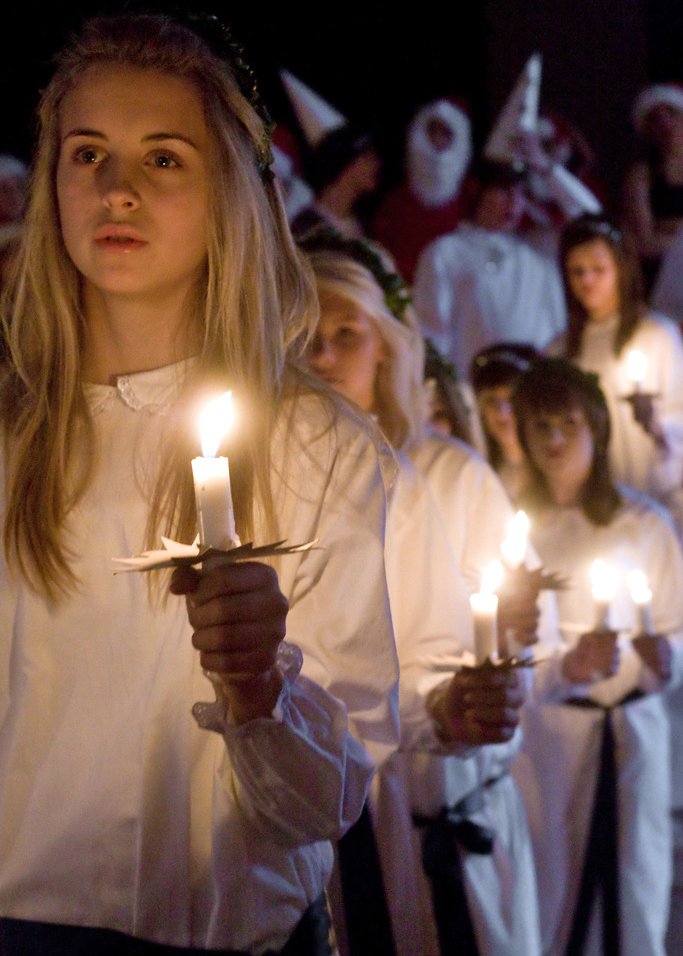 Saint Lucy's DayA December festival of light and song held across Scandinavia and Italy to honour a Christian martyr.
 RisalamandeA chilled Danish Christmas rice dessert with cream, chopped almonds and cherry sauce
 Saffron bunA golden, spiced yeast roll flavoured with saffron, baked for festive and holy days
 Advent calendarA daily countdown to Christmas using doors, images, or small gifts.
Good reading and sources
- Yule and Christmas in Denmark on WikipediaEncyclopedia
- More photos on Wikimedia CommonsPhotos and video
- Wikidata recordOpen data
The facts on this page come from the Wikipedia article "Yule and Christmas in Denmark", written by its contributors and used under the CC BY-SA 4.0 licence, and from its Wikidata record (CC0). EveryParampara rewrote the text in its own words, with AI assistance, and compares every page with the article to make sure no passage is copied. It may be reused under the same CC BY-SA 4.0 licence with a link back.
It may contain mistakes. Traditions differ from one family, village and community to the next, and the people who keep them know them best. If something is wrong, tell us. Last refreshed 2026-10-04.
More from Denmark
All the traditions of Denmark
🇸🇪 Stockholm, Sweden and 4 moreSaint Lucy's Day
A December festival of light and song held across Scandinavia and Italy to honour a Christian martyr.Festival · Breakfast
 🇳🇴 Norway and 3 moreJulebukkingGå julebukk
A Scandinavian Christmas custom where masked visitors go door to door for songs and treats.Festival
🇩🇪 Germany and 5 moreAdvent calendarAdventskalender
A daily countdown to Christmas using doors, images, or small gifts.Festival
🇳🇴 Norway and 3 moreJulebukkingGå julebukk
A Scandinavian Christmas custom where masked visitors go door to door for songs and treats.Festival
🇩🇪 Germany and 5 moreAdvent calendarAdventskalender
A daily countdown to Christmas using doors, images, or small gifts.Festival
 🇩🇰 Copenhagen, Denmark and 5 moreFastelavn
A pre-Lenten carnival in Northern Europe where children dress up, sing for treats, and break candy-filled barrels.Festival · Sweets given and shared
🇩🇰 Copenhagen, Denmark and 5 moreFastelavn
A pre-Lenten carnival in Northern Europe where children dress up, sing for treats, and break candy-filled barrels.Festival · Sweets given and shared
The same idea elsewhere
Midwinter and the longest night compared 🇵🇪 Cusco, Peru and 4 moreIntiinti (Quechua)
The Inca sun deity, honoured with temples, offerings and the June festival Inti RaymiSpiritual
🇵🇪 Cusco, Peru and 4 moreIntiinti (Quechua)
The Inca sun deity, honoured with temples, offerings and the June festival Inti RaymiSpiritual
 🇮🇷 Iran and 5 moreYaldā Nightشب یلدا
A solstice night of poetry, fruit and family, kept from Iran through Central AsiaFestival · Dinner
🇮🇷 Iran and 5 moreYaldā Nightشب یلدا
A solstice night of poetry, fruit and family, kept from Iran through Central AsiaFestival · Dinner
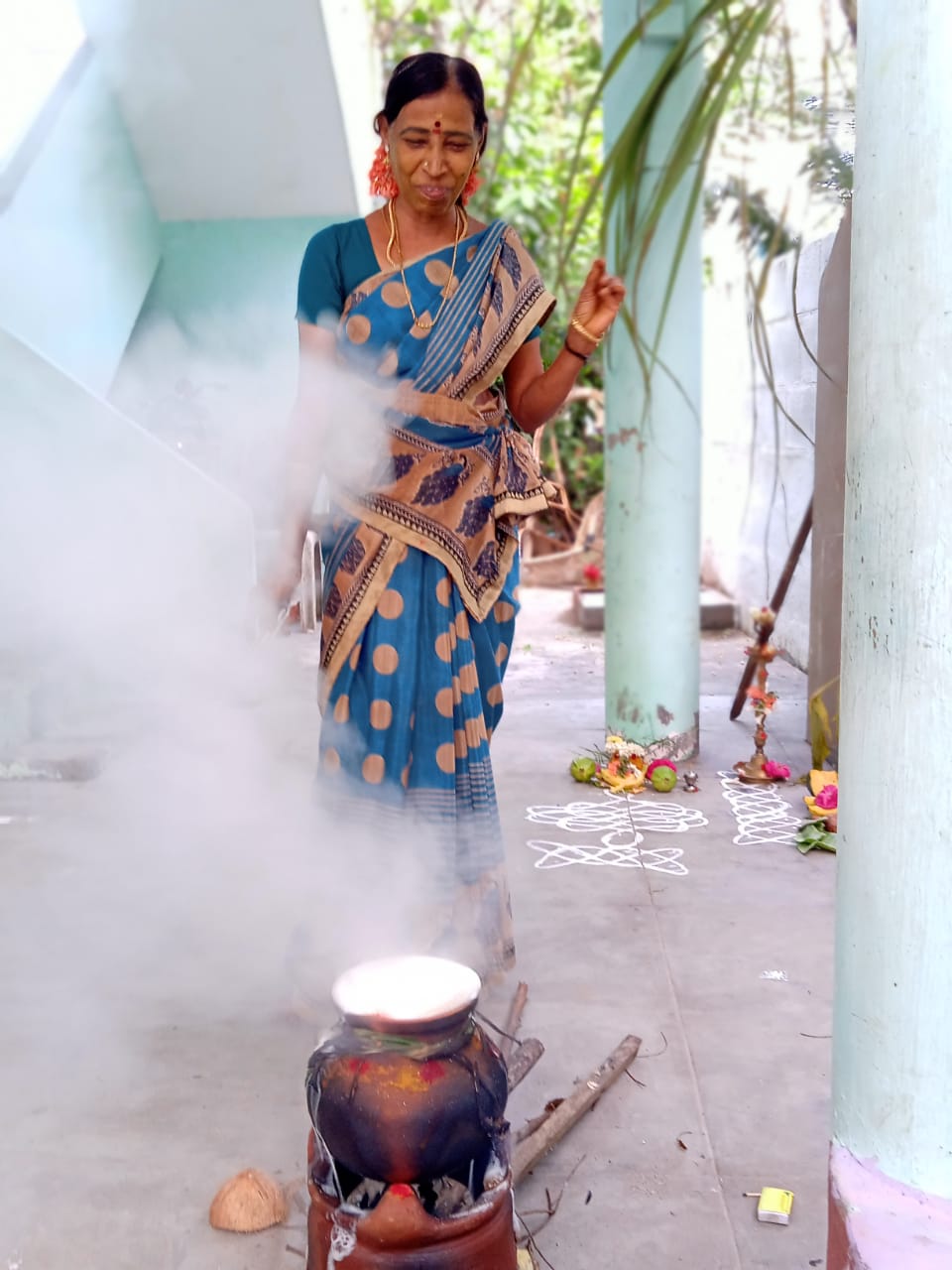 🇮🇳 India and 5 morePongal
Three or four days of boiling rice, garlanded cattle and thanks to the sunSeasonal · Sweets given and shared
🇮🇳 India and 5 morePongal
Three or four days of boiling rice, garlanded cattle and thanks to the sunSeasonal · Sweets given and shared
 🇨🇳 Shanghai, China and 1 moreJiaozi餃子
Crescent Chinese dumplings filled with meat or vegetables, eaten for fortune and feastsTable custom · Breakfast
🇨🇳 Shanghai, China and 1 moreJiaozi餃子
Crescent Chinese dumplings filled with meat or vegetables, eaten for fortune and feastsTable custom · Breakfast