Yunjin brocade
In its own language: 雲錦
A traditional Chinese silk brocade woven with coloured silk, gold and silver

Yunjin brocade is a traditional Chinese craft of weaving fine patterned silk with shuttle looms, based in the city of Nanjing. Named for designs as vivid as sky clouds, this craft blends coloured silk with precious gold and silver threads to produce smooth, detailed fabrics.
Yunjin brocade is an intricate Chinese silk-weaving tradition rooted in the city of Nanjing. Recognized as one of the three famous brocades of China, it combines dyed silk with strands of real gold and silver. Weavers use specialised shuttle techniques to create elaborate, cloud-like patterns on fabrics such as satin, creating textiles once prized by imperial courts and preserved today as a recognised cultural craft.
Origins and early growth
Brocade production in Nanjing began around the Three Kingdoms era in the third century. During the late Eastern Jin dynasty, General Liu Yu overcame the Later Qin kingdom based in Xi'an and relocated skilled artisans to Jiankang, the historical name for Nanjing. Many of these craftsmen specialised in brocade and had gathered methods from diverse minority ethnic groups. To manage and expand production, the Eastern Jin government created a dedicated brocade office in the city. This step formally established Nanjing as a premier weaving centre, combining weft-weaving practices refined through the Tang and Song dynasties.
Weaving methods and materials
The creation of yunjin relies on shuttle looms to interlace warp and weft threads into smooth, dense cloth. Artisans weave dyed silk together with fine threads of gold and silver to give the textile its distinctive sheen. During the Ming dynasty, local weavers introduced swivel weaving. This development allowed artisans to weave colourful, independent motifs directly onto base textiles such as satin. The finished cloth features delicate textures and intricate surface designs, requiring intense precision and coordination from the craftsmen who manage the complex loom mechanisms.
Imperial peak and recognition
The craft reached massive commercial scale under the Qing dynasty following the creation of the Jiangning Weaving Department in Nanjing. During its peak period, the city operated more than thirty thousand looms, providing livelihoods for nearly three hundred thousand people and serving as Nanjing's largest handicraft trade. The luxurious fabric supplied the imperial court with ceremonial attire, including dragon robes for rulers such as the Qianlong Emperor. In 2009, UNESCO inscribed Nanjing brocade on its representative list of intangible cultural heritage.
Cloud patterns and texture
The name yunjin translates directly into English as cloud brocade. The fabric earned this title because its luminous colours and flowing compositions resemble clouds floating in the sky. Counted among China's Three Famous Brocades, yunjin is celebrated for its graceful patterns, refined technique and soft surface feel. Weavers balance dense metallic threads with fine silk to ensure the finished textile maintains an elegant drape and radiant visual depth.
How Yunjin brocade is kept
Yunjin is produced on large shuttle looms where skilled weavers coordinate to control complex thread systems. Artisans apply weft-weaving and swivel-weaving techniques, interlacing fine dyed silk yarns with spun gold and silver threads. This method allows them to craft intricate multicoloured patterns over base weaves like satin. The craft continues through dedicated artisans and is preserved in institutions such as the Nanjing Yunjin Brocade Museum.
When and where
The craft belongs to Nanjing in China. Artisans originally gathered in the city from Xi'an during antiquity, establishing Nanjing as the long-standing heart of imperial brocade production.
What Yunjin brocade means
The name yunjin means cloud brocade, celebrating motifs that evoke the varied shapes and luminous hues of sky clouds. Incorporating genuine gold and silver into the weave historically symbolised imperial power and luxury, most visibly in dragon robes worn by Qing emperors.
Questions people ask about Yunjin brocade
What is Yunjin brocade?
Yunjin brocade, or cloud brocade, is a traditional luxury silk textile produced in Nanjing, China. It is made on shuttle looms using coloured silk alongside gold and silver threads to form cloud-like patterns.
Where did Yunjin brocade originate?
The craft developed in Nanjing, historically called Jiankang, after artisans from Xi'an moved there during the Eastern Jin period. It later flourished under dedicated imperial weaving offices in the city.
How is Yunjin brocade woven?
Artisans use shuttle weaving techniques derived from the Tang and Song dynasties. During the Ming dynasty, weavers added swivel-weaving methods to apply vibrant multicoloured designs directly onto base fabrics such as satin.
Why is it called cloud brocade?
The name comes from the finished silk's flowing designs and varied colours, which resemble the shifting patterns of clouds across the sky.
See also
 Shell moneyTraditional currency made from cowries, ground clam beads, and carved sea shells
 Manchu-Han Imperial FeastA grand multi-day banquet uniting Manchu and Han culinary traditions in China
 Chinese operaA sung, danced and acrobatic theatre from China, in over a hundred regional styles
 CujuAn ancient Chinese kicking game played without hands using a stuffed or air-filled ball
Good reading and sources
- Craftsmanship of Nanjing Yunjin brocadeUNESCO, Heritage listing
- Craftsmanship of Nanjing Yunjin brocadeUNESCO, Article
- Yunjin on WikipediaEncyclopedia
- More photos on Wikimedia CommonsPhotos and video
- Wikidata recordOpen data
The facts on this page come from the Wikipedia article "Yunjin", written by its contributors and used under the CC BY-SA 4.0 licence, and from its Wikidata record (CC0). EveryParampara rewrote the text in its own words, with AI assistance, and compares every page with the article to make sure no passage is copied. It may be reused under the same CC BY-SA 4.0 licence with a link back.
It may contain mistakes. Traditions differ from one family, village and community to the next, and the people who keep them know them best. If something is wrong, tell us. Last refreshed 2026-10-06.
More from China
All the traditions of China
🇵🇬 Papua New Guinea and 5 moreShell money
Traditional currency made from cowries, ground clam beads, and carved sea shellsCraft
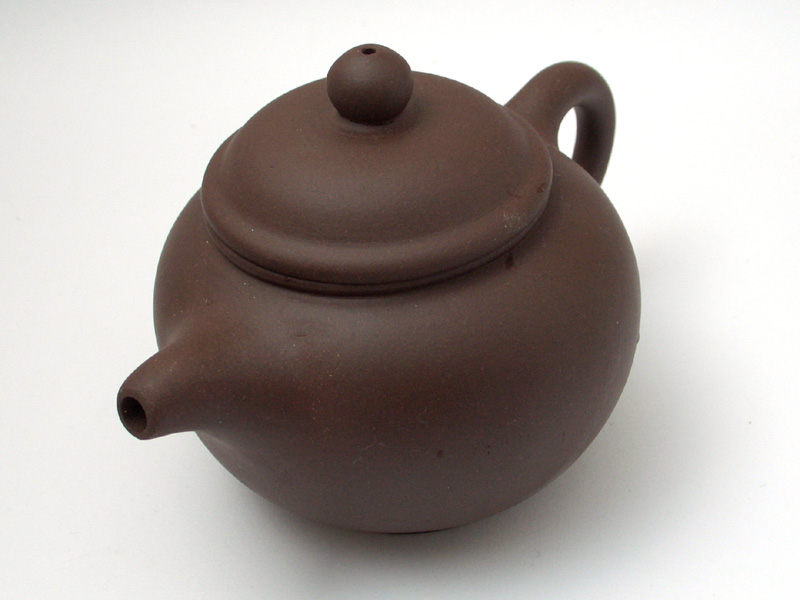 🇨🇳 Yixing, ChinaYixing clay teapot紫砂
Handcrafted Chinese purple clay teapots that season with every brewCraft · Tea, coffee and drinking ceremonies
🇨🇳 Yixing, ChinaYixing clay teapot紫砂
Handcrafted Chinese purple clay teapots that season with every brewCraft · Tea, coffee and drinking ceremonies
 🇺🇬 Uganda and 4 moreBarkcloth
Cloth beaten from tree bark across Africa, Asia and the PacificCraft
🇺🇬 Uganda and 4 moreBarkcloth
Cloth beaten from tree bark across Africa, Asia and the PacificCraft
 🇰🇷 South Korea and 2 moreNajeonchilgi나전칠기
A Korean craft of inlaying mother-of-pearl onto lacquered wood to create decorative objects.Craft
🇰🇷 South Korea and 2 moreNajeonchilgi나전칠기
A Korean craft of inlaying mother-of-pearl onto lacquered wood to create decorative objects.Craft
The same idea elsewhere
Royalty and coronation compared 🇮🇱 IsraelRosh Hashanahרֹאשׁ הַשָּׁנָה
The Jewish New Year marked by shofar horn blasts, prayer and sweet foodsSpiritual
🇮🇱 IsraelRosh Hashanahרֹאשׁ הַשָּׁנָה
The Jewish New Year marked by shofar horn blasts, prayer and sweet foodsSpiritual
 🇵🇪 Cusco, Peru and 4 moreIntiinti (Quechua)
The Inca sun deity, honoured with temples, offerings and the June festival Inti RaymiSpiritual
🇵🇪 Cusco, Peru and 4 moreIntiinti (Quechua)
The Inca sun deity, honoured with temples, offerings and the June festival Inti RaymiSpiritual
 🇸🇪 Mora, SwedenVasaloppet
A 90 km cross-country ski race from Sälen to Mora, run every March since 1922Game
🇹🇭 ThailandThai solar calendarปฏิทินสุริยคติไทย
The official solar calendar of Thailand, numbered in the Buddhist EraSeasonal
🇸🇪 Mora, SwedenVasaloppet
A 90 km cross-country ski race from Sälen to Mora, run every March since 1922Game
🇹🇭 ThailandThai solar calendarปฏิทินสุริยคติไทย
The official solar calendar of Thailand, numbered in the Buddhist EraSeasonal