Sweets given and shared
Sweets handed out at a birth, a wedding or a festival, and offered at a shrine.
Sweets matter in tradition as things given: handed out at a birth, brought to a wedding, sent to neighbours on a festival day, offered at a shrine. These pages are about the customs of giving and sharing sweets, not about how they are made. For dishes and recipes, see Thali.
Given, not just eaten
A box of sweets carried to a new house, shared after an exam result or distributed at a naming ceremony is a message: good news, goodwill, thanks. Who gives, who receives and how many are offered usually follow clear rules.
Offered to the sacred
Many faiths offer something sweet to a deity, a saint or the ancestors, then share it among the people present. The offering is part of the rite, and the sharing afterwards completes it.
Written by the EveryParampara desk with AI assistance. Background on Sweets given and shared (meal). Customs differ from place to place and family to family. If this is your tradition and we have it wrong, tell us.
 🇹🇷 Turkey and 5 moreEid al-Fitrعيد الفطر
The feast that ends Ramadan, opened with morning prayers, sweets and visits homeFestival · Feasts and festival meals
🇹🇷 Turkey and 5 moreEid al-Fitrعيد الفطر
The feast that ends Ramadan, opened with morning prayers, sweets and visits homeFestival · Feasts and festival meals
 🇮🇱 Jerusalem, Israel and 1 morePurimפּוּרִים
A lively Jewish festival of storytelling, shared food, masks and charityFestival · Feasts and festival meals
🇮🇱 Jerusalem, Israel and 1 morePurimפּוּרִים
A lively Jewish festival of storytelling, shared food, masks and charityFestival · Feasts and festival meals
 🇮🇱 IsraelMishloach manotמשלוח מנות
Food parcels exchanged on Purim, so everyone has plenty for the day's festive mealSpiritual · Feasts and festival meals
🇮🇱 IsraelMishloach manotמשלוח מנות
Food parcels exchanged on Purim, so everyone has plenty for the day's festive mealSpiritual · Feasts and festival meals
 🇮🇷 Mashhad, Iran and 7 moreIftarإفطار
The sunset meal that breaks the Ramadan fast, eaten with family and communityTable custom · Fasting and breaking the fast
🇮🇷 Mashhad, Iran and 7 moreIftarإفطار
The sunset meal that breaks the Ramadan fast, eaten with family and communityTable custom · Fasting and breaking the fast
 🇮🇱 Jerusalem, Israel and 1 moreSimchat Torahשִׂמְחַת תּוֹרָה
The day Jewish communities finish the Torah reading and start it again, with dancingSpiritual · Feasts and festival meals
🇮🇱 Jerusalem, Israel and 1 moreSimchat Torahשִׂמְחַת תּוֹרָה
The day Jewish communities finish the Torah reading and start it again, with dancingSpiritual · Feasts and festival meals
 🇱🇧 Beirut, Lebanon and 7 moreEid il-Burbaraعيد البربارة
A winter feast of costumes, sweet boiled wheat, and sprouting seeds across the LevantFestival · Feasts and festival meals
🇱🇧 Beirut, Lebanon and 7 moreEid il-Burbaraعيد البربارة
A winter feast of costumes, sweet boiled wheat, and sprouting seeds across the LevantFestival · Feasts and festival meals
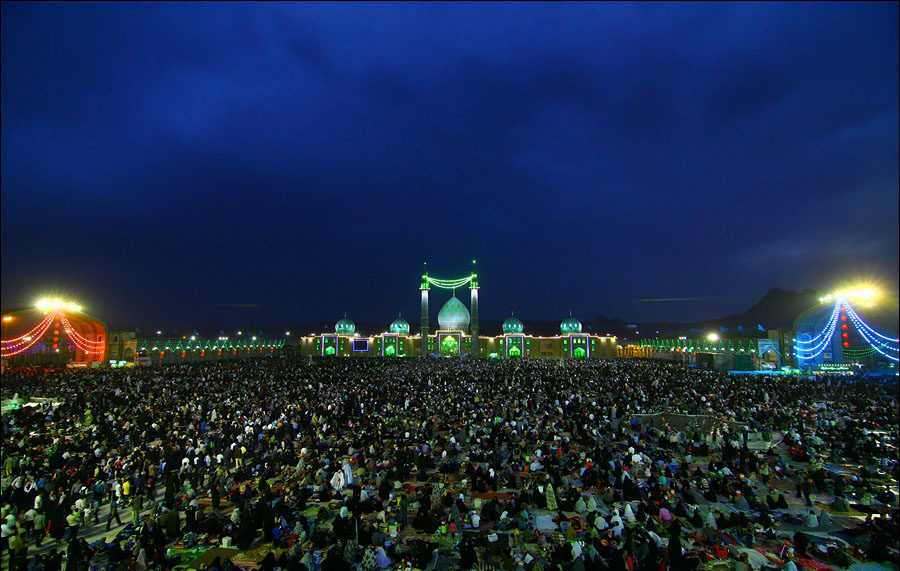 🇮🇷 Iran and 5 moreMid-Sha'banنصف شعبان
An Islamic night of prayer, forgiveness, ancestral remembrance and sweet offeringsSpiritual · Sweets given and shared
🇹🇷 Bursa, TurkeyLaylat al-Raghaibلَيْلَةُ الرّغائِب
An Islamic night of prayer and fasting at the beginning of the three sacred monthsSpiritual · Fasting and breaking the fast
🇵🇸 Jerusalem, Palestine and 1 moreThursday of the Deadخميس الأموات
A spring day of cemetery visits, prayer, and shared yellow breads across the LevantSpiritual · Sweets given and shared
🇮🇷 Iran and 5 moreMid-Sha'banنصف شعبان
An Islamic night of prayer, forgiveness, ancestral remembrance and sweet offeringsSpiritual · Sweets given and shared
🇹🇷 Bursa, TurkeyLaylat al-Raghaibلَيْلَةُ الرّغائِب
An Islamic night of prayer and fasting at the beginning of the three sacred monthsSpiritual · Fasting and breaking the fast
🇵🇸 Jerusalem, Palestine and 1 moreThursday of the Deadخميس الأموات
A spring day of cemetery visits, prayer, and shared yellow breads across the LevantSpiritual · Sweets given and shared
 🇮🇱 Meron, Israel and 1 moreUpsherinאָפּשערן
A boy's first haircut at three, the day his Jewish learning beginsRite of passage · Sweets given and shared
🇮🇱 Meron, Israel and 1 moreUpsherinאָפּשערן
A boy's first haircut at three, the day his Jewish learning beginsRite of passage · Sweets given and shared
Photo credits on this page
The small pictures above come from Wikimedia Commons under free licences. Some are cropped to fit.
- Eid al-Fitr: Mohammed Tawsif Salam, CC BY-SA 4.0, source
- Mishloach manot: Yoninah, CC BY 2.5, source
- Simchat Torah: No machine-readable author provided. Merlin assumed (based on copyrigh, CC BY 2.5, source
- Iftar: Shariful Islam (Masum), CC BY-SA 4.0, source
- Mid-Sha'ban: sayyed shahab-o- din vajedi, CC BY 4.0, source
- Purim: Unknown author, CC BY 2.5, source
- Eid il-Burbara: Durziil89, CC0, source
- Upsherin: Vered Peer, CC BY 4.0, source