Dress and adornmentSoutheast Asia
Áo gấm
A brocade tunic worn by Vietnamese men at ceremonies and festivals

The áo gấm is a men's brocade tunic from Vietnam. It follows the shape of the áo dài, using a heavier cloth, and men wear it for ceremonies, birthdays and festivals, on days when the women present wear an expensive áo dài.
When is Áo gấm kept?
Áo gấm is kept on ceremonial days, birthdays and festivals, when the women present wear an expensive áo dài.
In Vietnam, men wear the áo gấm for ceremonies, birthdays and festivals: a tunic of thick brocade, shaped like the áo dài but richer in its cloth. The áo the is a plainer men's tunic of the same family. The name is easy to explain, since gấm is the Vietnamese word for brocade.
What it is
The áo gấm is a tunic that men in Vietnam wear. Brocade, or gấm, gives it its name, and the cloth is thicker and heavier than the fabric of an ordinary áo dài, the tunic it is shaped after. Brocade is a woven cloth with a pattern built into the weave, and that pattern is what lifts the garment beyond plain dress. There is a related men's tunic, the áo the, plainer in its ornament; the áo gấm is the grander of the pair.
When it is worn
When these tunics come out, the day matters. A man puts one on for a ceremony, a birthday, a festival, or another event of the same weight. What marks those days is the company: the women present wear an expensive áo dài, and the brocade tunic answers them. So the áo gấm belongs to the dressy end of a man's wardrobe, not to the clothes worn through an ordinary week. The tunic is kept for those days alone.
A known saying
The brocade tunic is proverbial in Vietnam. One saying runs áo gấm đi đêm, about brocade taken out through the dark. It is used of someone who has wealth or talent but shows it too late, or in a place where it cannot be seen. The image is of finery carried where no one can admire it. People repeat the phrase as a caution about timing. The saying shows that the tunic's elegance is a familiar idea in Vietnamese.
How Áo gấm is kept
Men are the wearers. They bring the áo gấm out for ceremonies, birthdays, festivals and events of a similar kind, and it is the grander of the men's tunics, chosen when a day calls for more. The women at the same gathering wear an expensive áo dài, and the brocade answers that level of dress. That is the whole of it: the tunic is put on for the occasion and worn while it lasts.
When and where
There is no fixed date for the áo gấm. It appears when an occasion asks for it, whether that is a ceremony, a birthday or a festival. On the day itself it is worn while the event runs, and the women at the same gathering are in their expensive áo dài. No season or calendar day belongs to it.
Vietnam is the home of the áo gấm, and the tunic belongs to the dress of that country. No other country is named for it. It is kept wherever Vietnamese men dress for ceremonies, birthdays and festivals, and it stands beside the áo dài that the women wear at those same events.
What Áo gấm means
The áo gấm says something about standing. Brocade carries a pattern, and a man in the tunic is dressed for a grand occasion, at the same level as the women around him in their expensive áo dài. The tunic's elegance has entered the language, enough that a proverb uses it to talk about wealth or talent that goes unseen. To wear it is to be noticed, and being noticed is part of the point.
Questions people ask about Áo gấm
When is Áo gấm kept?
Áo gấm is kept on ceremonial days, birthdays and festivals, when the women present wear an expensive áo dài.
What is an áo gấm?
It is a Vietnamese tunic for men, cut like the áo dài but sewn from thicker, heavier brocade cloth. The word gấm means brocade, so the name says what it is. A similar men's tunic, the áo the, carries less ornament.
Where is it worn?
It belongs to Vietnam, and no other country is named for it. It appears at the ceremonies and celebrations where Vietnamese families gather, beside the áo dài that the women wear.
What does the saying áo gấm đi đêm mean?
It speaks of a brocade tunic worn where nobody can see it. The proverb is used of a person who has wealth or talent but shows it too late, or in a place where it goes unnoticed. It is a caution about timing.
See also
 Nón láA pointed leaf and bamboo hat worn across Vietnam for shelter, work and celebration
 Water lanternSmall lamps floated on water to honour the dead and ask for good fortune
 CeladonGreen-glazed pottery first made in China, valued for colours that echo jadeFaceThe shared social etiquette of honour, dignity and mutual respect across cultures
Good reading and sources
The facts on this page come from the Wikipedia article "Áo gấm", written by its contributors and used under the CC BY-SA 4.0 licence, and from its Wikidata record (CC0). EveryParampara rewrote the text in its own words, with AI assistance, and compares every page with the article to make sure no passage is copied. It may be reused under the same CC BY-SA 4.0 licence with a link back.
It may contain mistakes. Traditions differ from one family, village and community to the next, and the people who keep them know them best. If something is wrong, tell us. Last refreshed 2026-10-10.
More from Vietnam
All the traditions of Vietnam
🇻🇳 Huế, VietnamNón lá𥶄蘿
A pointed leaf and bamboo hat worn across Vietnam for shelter, work and celebrationDress
 🇨🇳 China and 5 moreLion dance舞獅
A dynamic ritual dance featuring costumed lions, drums and martial acrobaticsPerformance
🇨🇳 Hong Kong, China and 5 moreFace
The shared social etiquette of honour, dignity and mutual respect across culturesEtiquette
🇨🇳 China and 5 moreLion dance舞獅
A dynamic ritual dance featuring costumed lions, drums and martial acrobaticsPerformance
🇨🇳 Hong Kong, China and 5 moreFace
The shared social etiquette of honour, dignity and mutual respect across culturesEtiquette
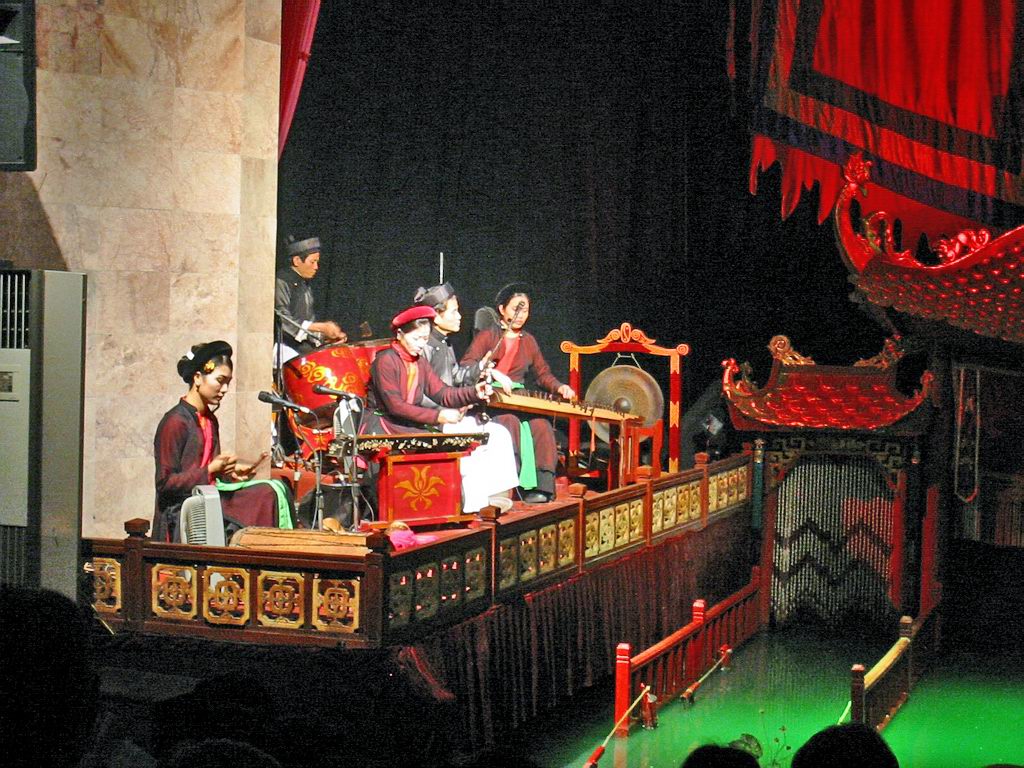 🇻🇳 Hoa Lư, VietnamChèo嘲
Satirical folk musical theatre performed by village troupes across northern VietnamPerformance
🇻🇳 Hoa Lư, VietnamChèo嘲
Satirical folk musical theatre performed by village troupes across northern VietnamPerformance
The same idea elsewhere
All of this kind 🇮🇳 Paithan, IndiaPaithani
A handwoven silk sari from Maharashtra, with a squared border and a peacock palluDress
🇮🇳 Paithan, IndiaPaithani
A handwoven silk sari from Maharashtra, with a squared border and a peacock palluDress
 🇳🇴 Norway and 3 moreGákti
A traditional coat worn by the Sámi people across northern Scandinavia and Russia, signaling origin and status through cDress
🇳🇴 Norway and 3 moreGákti
A traditional coat worn by the Sámi people across northern Scandinavia and Russia, signaling origin and status through cDress
 🇼🇸 Samoa and 1 moreʻIe tōga
Precious woven mats exchanged in Samoan ceremonies to honor family ties and chiefly status.Dress
🇼🇸 Samoa and 1 moreʻIe tōga
Precious woven mats exchanged in Samoan ceremonies to honor family ties and chiefly status.Dress
 🇮🇱 Israel and 1 moreTzitzitצִיצִית
Knotted ritual fringes worn on a four-cornered garment, a reminder of the commandmentsDress
🇮🇱 Israel and 1 moreTzitzitצִיצִית
Knotted ritual fringes worn on a four-cornered garment, a reminder of the commandmentsDress