Customs of food and drinkMiddle EastSecular and civic
Arabic coffee
In its own language: qahwa (Arabic: قهوة)
A bitter, spiced brew served as a gesture of hospitality across the Arab world.

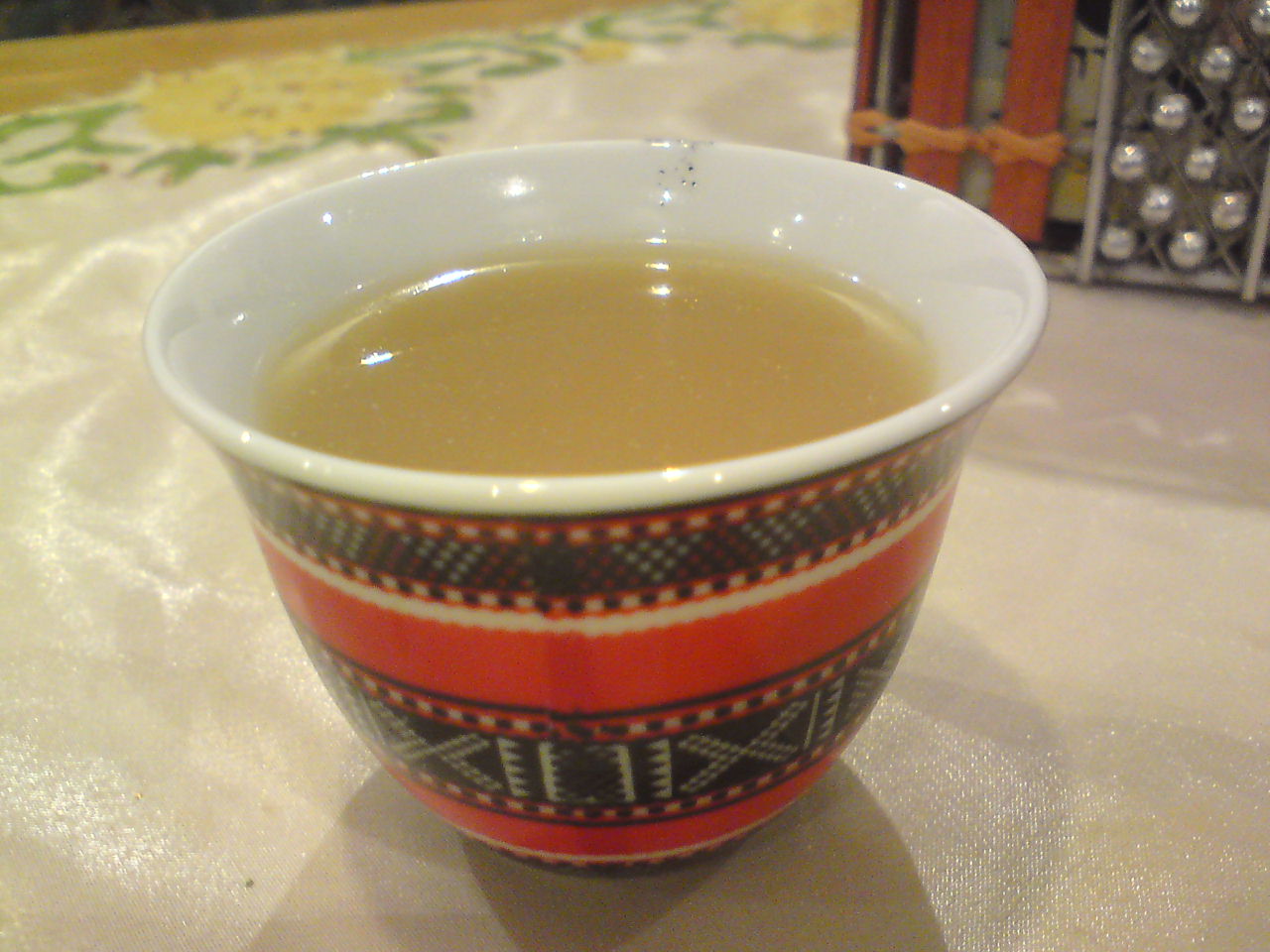
Arabic coffee is a traditional brewed beverage made from roasted Arabica beans, often flavored with cardamom. It originated in Yemen and spread through the Middle East, becoming a central ritual of welcome and social life for Arab communities.
When is Arabic coffee kept?
Arabic coffee is kept on daily, during family gatherings, guest visits, and religious holidays like Ramadan.
Arabic coffee is a bitter, spiced brew that serves as a cornerstone of hospitality in the Arab world. Originating in Yemen, this tradition transforms a simple drink into a ritual of welcome. Hosts serve it to guests to show respect and build community bonds. The preparation involves roasting beans and boiling them with spices, creating a strong, aromatic beverage shared throughout daily life and special occasions.
Origins and history
The tradition began in Greater Yemen during the fifteenth century. Sufi monks first used the drink to stay alert during night prayers. From the port city of Mokha, the practice traveled north to Mecca, then to Egypt and the Levant. By the sixteenth century, it reached Turkey and Europe. UNESCO recognizes Arabic coffee as an Intangible Cultural Heritage of Arab states. In Yemen, March third marks National Coffee Day to celebrate cultivation.
Preparation methods
Beans are lightly or heavily roasted until dark. Artisans crush them using a mortar and pestle. The grounds boil in water without filtering, producing a thick concentrate. Cardamom is the most common spice added, though some recipes include saffron or cloves. The host pours the liquid into small, handleless cups called finjān. The rhythmic sound of crushing beans historically signaled neighbors that guests were arriving.
Serving etiquette
The server holds the pot with the right hand and the cup with the left. Guests receive the cup with their right hand. Priority goes to the oldest or most honored person. The host pours small amounts repeatedly. A guest signals they have finished by shaking the cup slightly. Refusing more than one cup can be seen as polite, but accepting three is customary. The final sip is often followed by a wish for continued hospitality.
Regional variations
Styles differ across regions. Gulf coffee features bright yellow hues from heavy saffron use. Northern varieties roast beans longer for a darker taste. Jordanian hosts offer cardamom-spiced coffee as a sign of welcome. Moroccan families serve it at weddings and business meetings. Bedouin communities prepare bitter versions for special events, sometimes using a fermented starter. Each area adapts the roast and spice blend to local tastes.
Social role
Coffeehouses became centers for intellectual discussion and relaxation. They were known as schools of the wise. Families gather to share the drink during holidays like Eid and Ramadan. At funerals, relatives drink bitter coffee while remembering the deceased. Women often serve other women at these gatherings. The act of sharing coffee strengthens social ties and honors visitors in every community where it is kept.
How Arabic coffee is kept
Hosts roast green Arabica beans until dark, then crush them in a mortar. They boil the grounds with water and cardamom, serving the thick liquid into small cups. The server pours for guests in clockwise order, prioritizing elders. Guests accept the cup with their right hand and signal when they have had enough by shaking the cup. This ritual happens daily in homes and at formal gatherings.
When and where
It is consumed daily, especially during morning hours, afternoon breaks, and evening gatherings. It is also central to religious holidays like Ramadan and Eid al-Fitr. Yemenis specifically celebrate it on March third each year.
It is strongest in Yemen, its place of origin. It is widely practiced across the Arabian Peninsula, including Saudi Arabia and the Gulf states. It remains common in Egypt, Jordan, Morocco, and parts of the Levant. The tradition has influenced coffee culture globally.
What Arabic coffee means
The drink represents generosity, honor, and community connection. Serving it shows respect to visitors and strengthens family bonds. The bitterness reflects the seriousness of social obligations, while the shared experience fosters unity. It acts as a bridge between strangers, turning them into guests.
On the table
- Dates
- Dried fruit
- Nuts
- Candied fruit
- Sweets



Questions people ask about Arabic coffee
When is Arabic coffee kept?
Arabic coffee is kept on daily, during family gatherings, guest visits, and religious holidays like Ramadan.
What is Arabic coffee?
It is a brewed beverage made from roasted Arabica beans, typically flavored with cardamom. It is bitter and usually served unsweetened. The drink is a key part of Arab hospitality traditions across the Middle East and North Africa.
Where did Arabic coffee originate?
It originated in Yemen, specifically in the port city of Mokha, during the fifteenth century. Sufi monks first used it for prayer vigils. It then spread to Mecca, Egypt, and eventually Europe.
How is Arabic coffee served?
It is poured from a tall pot called a dallah into small handleless cups. The host serves guests in a specific order, starting with the eldest. Guests signal they are finished by shaking the cup. It is often accompanied by dates or nuts.
Why is it important in Arab culture?
It is a fundamental gesture of welcome and respect. Offering coffee to a visitor shows hospitality and builds social bonds. It plays a central role in family gatherings, business meetings, and religious celebrations like Ramadan.
See also

Good reading and sources
- Coffee and qahwa: How a drink for Arab mystics went globalBBC, Article
- Coffee and qahwa: How a drink for Arab mystics went globalBBC, Article
- Arabic coffee on WikipediaEncyclopedia
- More photos on Wikimedia CommonsPhotos and video
- Wikidata recordOpen data
The facts on this page come from the Wikipedia article "Arabic coffee", written by its contributors and used under the CC BY-SA 4.0 licence, and from its Wikidata record (CC0). EveryParampara rewrote the text in its own words, with AI assistance, and compares every page with the article to make sure no passage is copied. It may be reused under the same CC BY-SA 4.0 licence with a link back.
It may contain mistakes. Traditions differ from one family, village and community to the next, and the people who keep them know them best. If something is wrong, tell us. Last refreshed 2026-10-04.
More from Yemen
All the traditions of Yemen 🇹🇷 Turkey and 5 moreCoffee culture
The habits and etiquette of drinking coffee, and the cafés built around itTable custom · Tea, coffee and drinking ceremonies
🇹🇷 Turkey and 5 moreCoffee culture
The habits and etiquette of drinking coffee, and the cafés built around itTable custom · Tea, coffee and drinking ceremonies
 🇮🇱 Israel and 3 moreKashrutכַּשְׁרוּת (Hebrew)
The Jewish dietary laws: what may be eaten, and how it is preparedTable custom
🇮🇱 Israel and 3 moreKashrutכַּשְׁרוּת (Hebrew)
The Jewish dietary laws: what may be eaten, and how it is preparedTable custom
 🇸🇦 Riyadh, Saudi Arabia and 4 moreMajlis
A traditional sitting room and community assembly for hospitality and civic counselEtiquette
🇸🇦 Riyadh, Saudi Arabia and 4 moreMajlis
A traditional sitting room and community assembly for hospitality and civic counselEtiquette
 🇮🇷 Iran and 5 moreEid al-Ghadirعید الغدیر
A Shia Muslim festival of prayer, gifts and shared meals, kept on 18 Dhu al-HijjahSpiritual
🇮🇷 Iran and 5 moreEid al-Ghadirعید الغدیر
A Shia Muslim festival of prayer, gifts and shared meals, kept on 18 Dhu al-HijjahSpiritual
The same idea elsewhere
Hospitality and welcome compared 🇬🇷 Greece and 5 moreHandshake
A brief clasp of hands to greet, part or seal a deal, with local rules on how it is doneEtiquette
🇬🇷 Greece and 5 moreHandshake
A brief clasp of hands to greet, part or seal a deal, with local rules on how it is doneEtiquette
 🇳🇿 New Zealand and 2 moreMarae
A cleared, sacred gathering place at the heart of Māori and Polynesian community lifeSpiritual
🇳🇿 New Zealand and 2 moreMarae
A cleared, sacred gathering place at the heart of Māori and Polynesian community lifeSpiritual
 🇳🇿 Auckland, New ZealandWharenui
A Māori carved communal meeting house at the centre of tribal life in New ZealandHome
🇳🇿 Auckland, New ZealandWharenui
A Māori carved communal meeting house at the centre of tribal life in New ZealandHome