Festivals and celebrationsEast AsiaSecular and civic
Boryeong Mud Festival
In its own language: 보령머드축제
A summer festival of mud baths, slides and music on the coast of South Korea

The Boryeong Mud Festival is an annual summer gathering on Daecheon Beach in South Korea. First held in 1998, the two-week event invites locals and international travellers to immerse themselves in mineral-rich mud through slides, pools, games and music.
When is Boryeong Mud Festival kept?
Boryeong Mud Festival is kept on annually in July for about two weeks.
Every July, Daecheon Beach in South Korea fills with visitors covered head to toe in grey sludge. The Boryeong Mud Festival was created in the late 1990s to promote skincare products made from local tidal flats. Today, it brings millions of people together for two weeks of mud slides, pools, body painting and seafront concerts, celebrating the natural minerals of the coast.
Origins and history
In the early 1990s, local coal mines closed and hurt Boryeong's economy. The nearby tidal flats, or getbol, had historically kept beach tourism low. Local officials learned from university research that the mud was rich in bentonite and germanium, minerals beneficial for the skin. After initial attempts to sell mud cosmetics struggled because the products were largely unknown, Pai Chai University professor Jeong Kang-hwan suggested launching a festival focused on mud. The first event took place in July 1998 and proved an immediate success, turning a regional marketing project into a globally known gathering.
Attractions and activities
During the festival, large installations known as Mud Experience Land are built right along the seafront. Attendees can splash in mud pools, ride slides, play in a mud prison or compete in mud skiing. Stalls provide coloured mud for body art, while nearby beauty tents offer acupuncture and massage treatments using the local sediment. A central stage hosts live music, visual shows and contests throughout the day. In 2023, organizers introduced a mud barbecue to the beachfront lineup. The festivities conclude with a large fireworks display over the sea.
International appeal and cosmetics
What began as a municipal campaign has become one of South Korea's most attended warm-weather events. By 2007, the festival drew more than two million visitors. It holds particular appeal on its final weekend in mid-July, which attracts large crowds of expatriates, international travellers and domestic holidaymakers. A dedicated seafront market continues to sell creams, masks and other cosmetic goods made from the local flats, maintaining the festival's original connection to skincare and regional trade.
How Boryeong Mud Festival is kept
Visitors gather at Daecheon Beach, where truckloads of coastal mud are set up in giant play zones. Participants buy tickets to enter pools, glide down mud slides, wrestle and take part in mud skiing contests. People cover themselves in natural grey mud or use coloured varieties for body paint. Along the beachfront, guests browse stalls offering mud cosmetics, sample therapeutic massage treatments, watch live stage performances and view the closing fireworks display.
When and where
The festival takes place every year during the summer month of July. It runs across a span of roughly two weeks, with the second weekend typically marking its busiest and most popular final days.
The event is held along Daecheon Beach in Boryeong, a city in South Korea located approximately 200 kilometres south of Seoul. The mud itself is gathered directly from the nearby Boryeong mud flats.
What Boryeong Mud Festival means
The festival celebrates the natural benefits of South Korea's coastal getbol, or tidal flats. Once considered an obstacle to tourism, the mud became a symbol of economic renewal and self-care. The practice of covering oneself in mud represents playfulness, skin rejuvenation and communal fun, breaking social barriers among participants.


Questions people ask about Boryeong Mud Festival
When is Boryeong Mud Festival kept?
Boryeong Mud Festival is kept on annually in July for about two weeks.
What is the Boryeong Mud Festival?
It is an annual summer festival in South Korea where visitors cover themselves in mineral mud, enjoy mud slides and pools, and watch live music.
Why was the festival created?
It began in 1998 to promote cosmetics made from Boryeong's mineral-rich mud flats following the closure of local coal mines.
Do you need a ticket to take part?
Yes, entry to the main mud attractions is ticketed, with passes available for purchase either online or at the beach venue.
See also
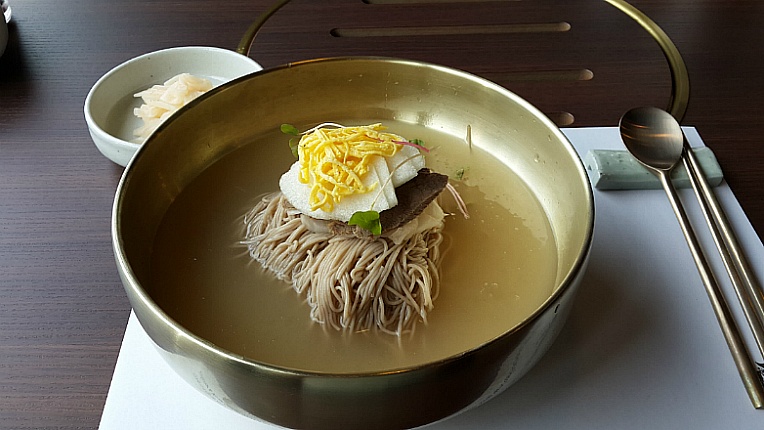 NaengmyeonLong buckwheat noodles in icy broth, born in North Korea and eaten most in summer
 Double Ninth FestivalAn autumn festival of mountain walks, chrysanthemum wine and ancestor remembrance
 DaeboreumA Korean festival of the first lunar full moon, marked by fires, wishes and feasts
 Mid-Autumn FestivalAn annual harvest festival celebrating family reunions, full moons and mooncakes
Good reading and sources
- Boryeong Mud Festival on WikipediaEncyclopedia
- More photos on Wikimedia CommonsPhotos and video
- Wikidata recordOpen data
The facts on this page come from the Wikipedia article "Boryeong Mud Festival", written by its contributors and used under the CC BY-SA 4.0 licence, and from its Wikidata record (CC0). EveryParampara rewrote the text in its own words, with AI assistance, and compares every page with the article to make sure no passage is copied. It may be reused under the same CC BY-SA 4.0 licence with a link back.
It may contain mistakes. Traditions differ from one family, village and community to the next, and the people who keep them know them best. If something is wrong, tell us. Last refreshed 2026-10-04.
More from South Korea
All the traditions of South Korea 🇮🇳 India and 4 moreWater lantern
Small lamps floated on water to honour the dead and ask for good fortuneFestival
🇮🇳 India and 4 moreWater lantern
Small lamps floated on water to honour the dead and ask for good fortuneFestival
 🇮🇳 India and 6 moreBuddha's Birthday佛诞 (Fódàn)
A festival marking the birth of Siddhartha Gautama, observed across Asia with temple rituals and community gatherings.Festival
🇮🇳 India and 6 moreBuddha's Birthday佛诞 (Fódàn)
A festival marking the birth of Siddhartha Gautama, observed across Asia with temple rituals and community gatherings.Festival
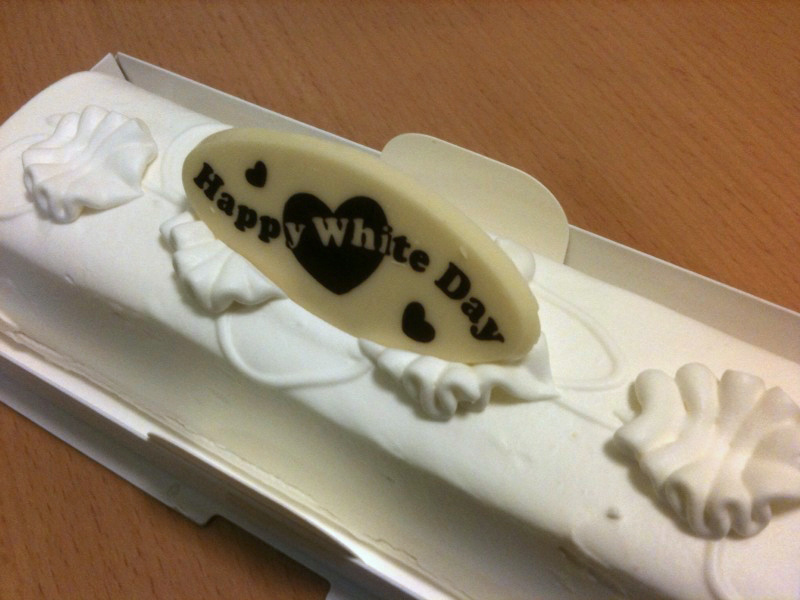 🇯🇵 Fukuoka, Japan and 4 moreWhite Dayホワイトデー
A day on 14 March when men give a return gift to the women who gave them chocolateFestival
🇯🇵 Fukuoka, Japan and 4 moreWhite Dayホワイトデー
A day on 14 March when men give a return gift to the women who gave them chocolateFestival
 🇨🇳 China and 5 moreChinese New Year's Evechúxī
A reunion day for ethnic Chinese families before the Lunar New Year, marked by feasts, rituals, and staying up late.Festival · Dinner
🇨🇳 China and 5 moreChinese New Year's Evechúxī
A reunion day for ethnic Chinese families before the Lunar New Year, marked by feasts, rituals, and staying up late.Festival · Dinner
The same idea elsewhere
Healing, luck and protection compared 🇩🇪 Germany and 5 moreChristmas tree
A decorated evergreen or artificial tree placed indoors to mark the Christmas season.Festival
🇩🇪 Germany and 5 moreChristmas tree
A decorated evergreen or artificial tree placed indoors to mark the Christmas season.Festival
 🇫🇷 France and 5 moreCandlemas
A Christian feast of candle blessings marking the end of the Christmas seasonSpiritual
🇫🇷 France and 5 moreCandlemas
A Christian feast of candle blessings marking the end of the Christmas seasonSpiritual
 🇺🇸 United States and 4 moreFriday the 13th
A Western folk superstition regarding the unluckiness of a Friday falling on the 13th.Folklore
🇺🇸 United States and 4 moreFriday the 13th
A Western folk superstition regarding the unluckiness of a Friday falling on the 13th.Folklore
 🇮🇪 Ireland and 2 moreJack-o'-lantern
A carved pumpkin lantern lit with a candle to brighten and protect Halloween nightsFolklore
🇮🇪 Ireland and 2 moreJack-o'-lantern
A carved pumpkin lantern lit with a candle to brighten and protect Halloween nightsFolklore