Seasons, harvest and the calendarEast AsiaIndigenous and traditionalSecular and civic
Daeboreum
In its own language: 대보름
A Korean festival of the first lunar full moon, marked by fires, wishes and feasts

Daeboreum is a Korean observance marking the initial full moon of the lunar year. Communities across Korea gather to watch the moon rise, light fires along field ridges, crack nuts for strong teeth, and share festive dishes like five-grain rice and sweet yakbap.
When is Daeboreum in 2027?
Daeboreum 2027 is on Sunday, 21 February 2027. Other years: 2026, Tuesday, 3 March 2026; 2028, Wednesday, 9 February 2028.
Daeboreum marks the initial full moon on the lunar Korean calendar. Celebrated across Korea, this day brings families and neighbours together through a wide range of customs meant to invite good fortune, ensure a bountiful harvest, and ward off illness. From lighting fires in the fields and climbing hills at dusk to sharing special grains and cracking nuts, people take part in rituals that prepare them for the coming farming season.
Moonrise and night fires
On the evening of Daeboreum, people in rural areas hike up hills in a ritual known as dalmaji. They brave the winter cold to catch the first glimpse of the rising moon, believing that the earliest observer receives good luck or a granted wish. On the eve of the festival, villagers take part in jwibulnori, setting fire to dried grass along the edges of rice paddies. Children swing perforated cans filled with glowing charcoal, sending sparks across the dark fields to fertilise the soil and destroy insect pests.
Folk rituals for health
Many festival customs focus on vitality and prosperity. At dawn, people crack hard nuts with their teeth, a practice called bureom that is said to keep teeth strong and prevent skin blemishes. Walking across twelve bridges through the night, known as daribalgi, is believed to strengthen the legs for each month ahead. Neighbours greet one another in the morning by trying to sell their summer heat before being greeted back. At the same time, women historically released river life for good fortune, while others gathered well water at first rooster crow.
Festive dishes and sharing
Eating together is central to the holiday. The morning begins with a chilled sip of Guibargi wine, taken in the hope of sharpening one's hearing and receiving only welcome news. Feasts feature ogokbap, a five-grain rice blend, alongside yakbap, a steamed glutinous rice prepared with chestnuts, jujubes, pine nuts, honey, and soy sauce. People also consume boreum namul, dishes of dried vegetables saved from the previous year, and leafy vegetable wraps called bokssam to invite blessing. Meals are prepared early and shared freely among neighbours, ensuring diligent work and communal strength for the year ahead.
Ancient roots and lore
Historical texts connect the festival to early kingdom rituals. According to the Samguk yusa, King Soji of Silla was guided by a crow that exposed a palace conspiracy. In gratitude, the fifteenth of the first lunar month was designated as Ogiil, a day when offerings were made to heaven and crows were honoured with rice. Lantern displays were also recorded during the Silla era and continued through the Joseon dynasty, anchoring the seasonal festivities in centuries of royal and village memory.
How Daeboreum is kept
Festivities begin on the eve with children whirling burning cans of charcoal across field borders while dry grass is burned. People draw water from wells at rooster crow and smear small amounts of earth on their walls. At dawn on Daeboreum, participants crack nuts with their teeth, drink cold wine, and light small straw fires in yards to repel insects. Later, neighbours exchange rice dishes, while local music troupes stage competitions. At dusk, crowds climb nearby peaks to welcome the moonrise before walking across bridges into the night.
When and where
Daeboreum falls on the fifteenth day of the first month of the traditional lunar calendar. It aligns with the first appearance of a full moon in the new lunar year, usually occurring in late winter.
The observance is kept across South Korea and North Korea, in both farming communities and urban neighbourhoods, with outdoor fire rituals and moon-watching outings taking place on hillsides and open riverbanks.
What Daeboreum means
The customs of Daeboreum embody wishes for family health, communal harmony, and farming abundance. Clearing fields with fire cleanses the soil of pests, while eating dried greens and grains protects against future seasonal heat and hardship. Greeting the rising moon represents hope for renewal and good fortune across the twelve months ahead.
On the table
- Ogokbap
- Yakbap
- Guibargi wine
- Boreum namul
- Bokssam
- Bureom nuts


Days Daeboreum is marked
Daeboreum dates: 2026, 2027, 2028
| Year | Daeboreum date |
|---|---|
| 2026 | Tuesday, 3 March 2026 |
| 2027 | Sunday, 21 February 2027 |
| 2028 | Wednesday, 9 February 2028 |
Questions people ask about Daeboreum
When is Daeboreum in 2027?
Daeboreum 2027 is on Sunday, 21 February 2027. Other years: 2026, Tuesday, 3 March 2026; 2028, Wednesday, 9 February 2028.
What is Daeboreum?
Daeboreum is a traditional Korean festival that celebrates the arrival of the first full moon of the lunar new year through community games, fire displays, and symbolic meals.
What is jwibulnori?
Jwibulnori is a traditional pastime played on the eve of the holiday. Children swing pierced cans containing burning embers while farmers set fire to dried field ridges to enrich the soil and destroy crop pests.
Why do people crack nuts on this holiday?
Known as bureom, cracking hard-shelled nuts with one's teeth in the morning is believed to strengthen teeth and protect against boils or illnesses throughout the coming months.
See also
 Double Ninth FestivalAn autumn festival of mountain walks, chrysanthemum wine and ancestor remembrance
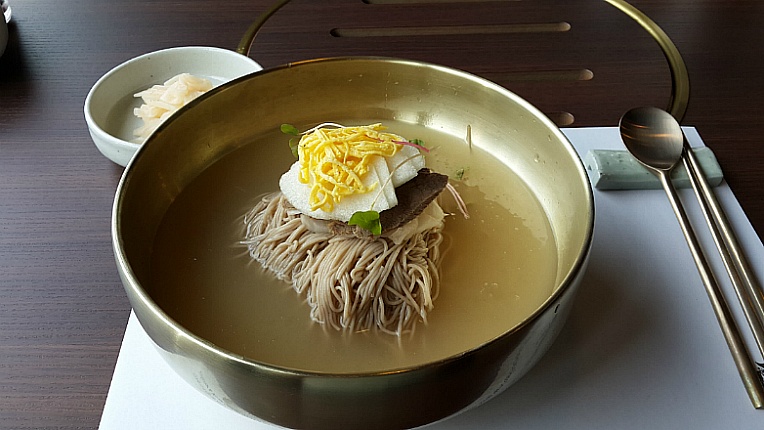 NaengmyeonLong buckwheat noodles in icy broth, born in North Korea and eaten most in summer
 GanggangsullaeA Korean harvest dance where women hold hands and sing in circles under the full moon
 LosarThe Tibetan Buddhist New Year festival of renewal, offerings, and family feasts
Good reading and sources
- Daeboreum on WikipediaEncyclopedia
- More photos on Wikimedia CommonsPhotos and video
- Wikidata recordOpen data
The facts on this page come from the Wikipedia article "Daeboreum", written by its contributors and used under the CC BY-SA 4.0 licence, and from its Wikidata record (CC0). EveryParampara rewrote the text in its own words, with AI assistance, and compares every page with the article to make sure no passage is copied. It may be reused under the same CC BY-SA 4.0 licence with a link back.
It may contain mistakes. Traditions differ from one family, village and community to the next, and the people who keep them know them best. If something is wrong, tell us. Last refreshed 2026-10-04.
More from South Korea
All the traditions of South Korea
🇨🇳 China and 5 moreDouble Ninth Festival重陽節
An autumn festival of mountain walks, chrysanthemum wine and ancestor remembranceSeasonal · Tea-time and snacking customs
 🇰🇷 South Korea and 1 moreKorean New Year설날
A three-day Korean festival celebrating the lunisolar new year with family and feastsSeasonal
🇰🇷 South Korea and 1 moreKorean New Year설날
A three-day Korean festival celebrating the lunisolar new year with family and feastsSeasonal
 🇨🇳 Suzhou, China and 4 moreDongzhi Festival冬至
A winter solstice festival of family reunions, ancestor rites and sweet rice ballsSeasonal · Dinner
🇨🇳 Suzhou, China and 4 moreDongzhi Festival冬至
A winter solstice festival of family reunions, ancestor rites and sweet rice ballsSeasonal · Dinner
 🇰🇷 Busan, South KoreaBusan Sunrise Festival부산해맞이축제
A bell rung in Busan on 31 December, then the year's first sunrise at the beachSeasonal
🇰🇷 Busan, South KoreaBusan Sunrise Festival부산해맞이축제
A bell rung in Busan on 31 December, then the year's first sunrise at the beachSeasonal
The same idea elsewhere
New Year compared 🇵🇪 Cusco, PeruQoyllur Rit'iQuyllurit'i
An Andean mountain pilgrimage uniting indigenous star lore and Catholic devotionSpiritual
🇵🇪 Cusco, PeruQoyllur Rit'iQuyllurit'i
An Andean mountain pilgrimage uniting indigenous star lore and Catholic devotionSpiritual
 🇺🇦 Chernivtsi, Ukraine and 3 moreMalankaМаланка
A Ukrainian folk celebration of masked mummers, feasting and New Year blessingsFestival · Feasts and festival meals
🇺🇦 Chernivtsi, Ukraine and 3 moreMalankaМаланка
A Ukrainian folk celebration of masked mummers, feasting and New Year blessingsFestival · Feasts and festival meals
 🇧🇬 Bulgaria and 4 moreKukeriкукери (kukeri)
Masked and belled figures who tour Bulgarian villages at New Year to drive off harmSpiritual
🇧🇬 Bulgaria and 4 moreKukeriкукери (kukeri)
Masked and belled figures who tour Bulgarian villages at New Year to drive off harmSpiritual
 🇺🇸 United StatesGreen Corn CeremonyPuskita
A Southeastern harvest and new year ceremony of fasting, dancing and renewalSeasonal
🇺🇸 United StatesGreen Corn CeremonyPuskita
A Southeastern harvest and new year ceremony of fasting, dancing and renewalSeasonal