Chinese clothing
Robes, gowns, and suits shaped across dynasties, ranks, and daily life in China
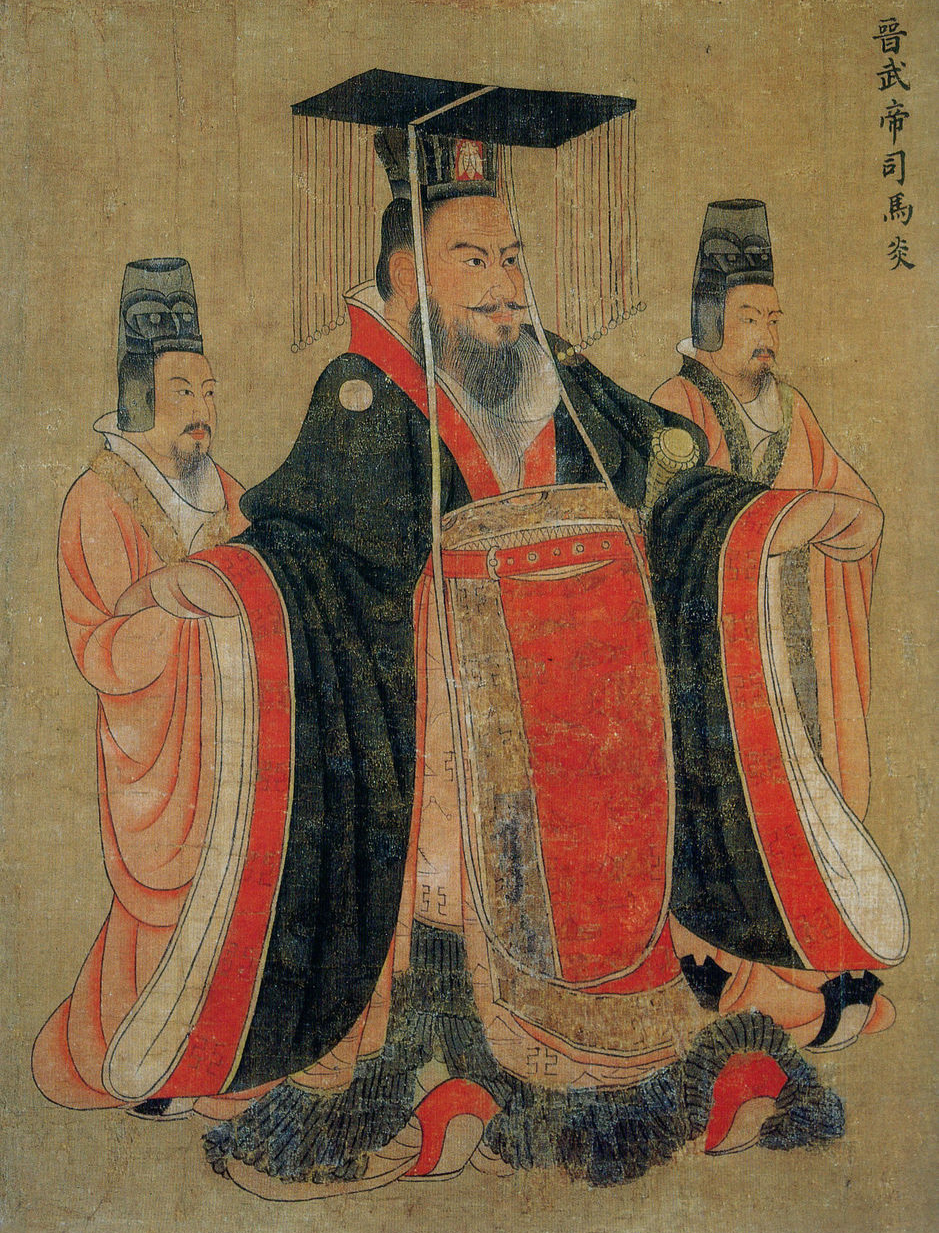
Chinese clothing encompasses distinct garments shaped over thousands of years across dynastic courts and everyday life. From ancient silk robes and official rank badges to modern cheongsams and revived hanfu, these garments express social roles, craftsmanship, and lineage.
Chinese clothing spans thousands of years of woven textiles, dynastic dress codes, and evolving everyday styles. Myth credits its creation to the Yellow Emperor and Leizu, while early evidence dates woven linen and silk to ancient eras. Across centuries, imperial courts regulated colors, sleeves, and embroidered emblems to show social standing. Today, traditional attire lives on through revived historical robes and modern garments worn for celebrations and daily occasions.
Dynastic courts and rank
Clothing in dynastic China was closely bound to hierarchy and imperial order. Rulers established official posts to oversee royal wardrobes, setting rules for colors and forms. Song dynasty officials wore silk robes colored by grade, paired with winged black gauze hats and fish pouches at the waist. Under the Ming dynasty, red became the official court color, matching the imperial surname, while yellow remained exclusive to the ruler. Ming officials wore round-necked robes featuring square embroidered patches on the chest and back: birds for civil administrators and beasts for military commanders. Special robes adorned with four-clawed pythons or horned beasts honored exceptional service.
Textiles and historical styles
Early textile history relied on spinning wheels, warp looms, and natural fibers like hemp, ramie, kudzu, and silk. During the Shang dynasty, common people dressed in plant fibers, while nobility wore dyed silk and leather. Fashion shifted across reigns. Han dynasty noblewomen wore long, loose sleeves, high-heeled clogs, and decorative arm scarves. During the Sui and Tang eras, the half-arm coat became popular among both women and men, paired with painted gauze scarves and floral silk shoes. Later, the Yuan dynasty introduced the zhisun robe with waist pleats, and the Qing dynasty mandated front-shaved queues and narrow horseshoe sleeves.
Twentieth century transformations
The twentieth century brought sweeping changes to Chinese dress. In the 1920s, the cheongsam emerged as a signature women's garment, recognized in national clothing regulations alongside traditional jackets. For men, the Zhongshan suit, designed with four flap pockets and a stand-up lapel, became standard formal wear. Mao Zedong wore a modified version at the founding of the People's Republic in 1949, and women later adopted the double-breasted Lenin suit. Although political campaigns in the 1960s banned traditional garments, recent decades have seen widespread renewal, with hanfu and Tang suits regaining immense popularity among contemporary wearers.
How Chinese clothing is kept
Historically, dress followed strict imperial ordinances, where court officials wore specific robe colors, winged hats, and rank badges according to their grade. Commoners wore plain plant fibers or standard jackets. In modern times, people wear traditional garments such as the cheongsam, Tang suit, and flowing hanfu for celebrations, cultural events, and everyday fashion. Wearers match robes with historic hair accessories, layered sashes, and footwear, preserving ancient silhouettes alongside contemporary adaptations.
When and where
Chinese clothing developed across mainland China, with early archaeological textile sites in places like Yuyao and Zhoukoudian. Today, traditional attire and historic design revivals are worn across China, Hong Kong, and global communities celebrating Chinese heritage.
What Chinese clothing means
Garments long served as visible markers of status, morality, and social order. Imperial regulations used colors such as yellow for the emperor and red for the court to signify authority. Embroidered square patches used birds to represent civil virtue and beasts to signify military prowess. Beyond status, distinct styles like the revival of hanfu represent cultural identity and continuity with ancient heritage.


Questions people ask about Chinese clothing
What is the origin of Chinese clothing?
According to ancient mythology, the Yellow Emperor and Leizu invented clothing. Archaeological finds trace clothing to Paleolithic bone needles and perforated tooth ornaments, with woven linen and silk emerging during the Neolithic period.
How did court officials show their rank through dress?
Officials wore specific robe colors and accessories defined by law. In the Ming dynasty, civil officials wore square embroidered patches depicting birds, military officers wore patches depicting beasts, and high-ranking officials carried jade belts and wore winged hats.
What are the cheongsam and Zhongshan suit?
The cheongsam is a women's dress that arose in the 1920s and was designated as formal attire in 1929. The Zhongshan suit, featuring four pockets and a stand-up collar, became a standard uniform for men throughout the twentieth century.
What traditional garments are popular today?
In recent years, traditional styles such as hanfu, the Tang suit, and the cheongsam have experienced a major revival in popularity across China, worn for both special occasions and modern daily fashion.
See also
 HanfuThe dress of the Han Chinese, named for the Han dynasty and worn again today
 Manchu-Han Imperial FeastA grand multi-day banquet uniting Manchu and Han culinary traditions in China
 Chinese operaA sung, danced and acrobatic theatre from China, in over a hundred regional styles
 CujuAn ancient Chinese kicking game played without hands using a stuffed or air-filled ball
Good reading and sources
- Chinese clothing on WikipediaEncyclopedia
- More photos on Wikimedia CommonsPhotos and video
- Wikidata recordOpen data
The facts on this page come from the Wikipedia article "Chinese clothing", written by its contributors and used under the CC BY-SA 4.0 licence, and from its Wikidata record (CC0). EveryParampara rewrote the text in its own words, with AI assistance, and compares every page with the article to make sure no passage is copied. It may be reused under the same CC BY-SA 4.0 licence with a link back.
It may contain mistakes. Traditions differ from one family, village and community to the next, and the people who keep them know them best. If something is wrong, tell us. Last refreshed 2026-10-06.
More from China
All the traditions of China
🇨🇳 Beijing, ChinaHanfu漢服
The dress of the Han Chinese, named for the Han dynasty and worn again todayDress
 🇨🇳 China and 1 moreDahu褡护 (Dāhù)
A cross-collar jacket worn in the Ming dynasty, blending Chinese and Mongol styles.Dress
🇨🇳 China and 1 moreDahu褡护 (Dāhù)
A cross-collar jacket worn in the Ming dynasty, blending Chinese and Mongol styles.Dress
 🇨🇳 ChinaHuadian花鈿
A forehead ornament of Chinese women, painted or fixed on, still worn with hanfuDress
🇨🇳 ChinaHuadian花鈿
A forehead ornament of Chinese women, painted or fixed on, still worn with hanfuDress
 🇪🇬 Egypt and 5 moreTraditional tattooing
The ancient custom of marking the skin for protection, healing, status and sacred ritesDress
🇪🇬 Egypt and 5 moreTraditional tattooing
The ancient custom of marking the skin for protection, healing, status and sacred ritesDress
The same idea elsewhere
Royalty and coronation compared 🇮🇱 IsraelRosh Hashanahרֹאשׁ הַשָּׁנָה
The Jewish New Year marked by shofar horn blasts, prayer and sweet foodsSpiritual
🇮🇱 IsraelRosh Hashanahרֹאשׁ הַשָּׁנָה
The Jewish New Year marked by shofar horn blasts, prayer and sweet foodsSpiritual
 🇸🇪 Mora, SwedenVasaloppet
A 90 km cross-country ski race from Sälen to Mora, run every March since 1922Game
🇸🇪 Mora, SwedenVasaloppet
A 90 km cross-country ski race from Sälen to Mora, run every March since 1922Game
 🇵🇪 Cusco, Peru and 4 moreIntiinti (Quechua)
The Inca sun deity, honoured with temples, offerings and the June festival Inti RaymiSpiritual
🇹🇭 ThailandThai solar calendarปฏิทินสุริยคติไทย
The official solar calendar of Thailand, numbered in the Buddhist EraSeasonal
🇵🇪 Cusco, Peru and 4 moreIntiinti (Quechua)
The Inca sun deity, honoured with temples, offerings and the June festival Inti RaymiSpiritual
🇹🇭 ThailandThai solar calendarปฏิทินสุริยคติไทย
The official solar calendar of Thailand, numbered in the Buddhist EraSeasonal