Festivals and celebrationsEurope
Dragobete
A Romanian festival of young love and spring, celebrated with early flowers and courtship
Dragobete is a Romanian lovers' holiday celebrated every year on February 24 to mark the arrival of spring. Young people gather early flowers, chase and kiss their partners, and keep playful folk beliefs meant to bring good luck and guard against illness throughout the year.
When is Dragobete kept?
Dragobete is kept every year on February 24.
Observed across Romania on February 24, Dragobete is a festive day devoted to love and the arrival of spring. Drawing on local folklore about the character Dragobete, the holiday celebrates courtship, the mating season of wild birds, and the end of winter cold. Young people mark the occasion by singing, walking into forests to find early blossoms, and sharing kisses to secure good fortune in relationships.
Myth and meaning
Dragobete is the son of Baba Dochia, a key figure in stories about the change of seasons from harsh winter to spring. Known for his immense gentleness, folk stories recount that he was selected, according to some accounts by the Virgin Mary, to serve as the Guardian of Love. Locals view this date as the true start of spring. It is also remembered as the time when birds choose their mates and start building nests. People link the observance with protection, believing that those who join the festivities stay free from fevers and other sicknesses for the rest of the year.
Courtship and forest gatherings
In rural communities, young men and women head out together into nearby woods to gather the earliest blossoms of the year, including snowdrops when weather permits. As they return toward the village, a lively chase takes place: boys run after the girls they admire to ask for a kiss. If a girl feels affection for her pursuer, she stops and allows him to kiss her, giving rise to the local saying that Dragobete kisses the girls. Meeting the person one admires on this day is thought essential, as failing to do so brings poor luck.
Village customs and beliefs
Practices surrounding the holiday differ across various parts of the country. In many villages, young unmarried women once collected leftover winter snow from the ground. They melted this snow to keep the liquid for magical preparations over the coming months. Another widespread belief involves couples stepping on each other's feet during the celebration: the person who succeeds in stepping on their partner's foot is thought to take the leading role in their relationship. Through these customs, the holiday blends romantic affection, fun rivalry, and hopes for health in the coming year.
How Dragobete is kept
On February 24, young people venture into the countryside or woods to search for snowdrops and other early spring flowers while singing together. Courting pairs exchange flowers and playfully chase one another so boys can kiss the girls they fancy. In some places, partners try to step on each other's feet to determine who will lead the relationship. Girls in traditional villages historically collected and melted fresh snow for year-round remedies, and participants celebrate together to ensure good health and avoid fevers.
When and where
The holiday is celebrated every year on February 24. Locally regarded as the opening day of spring, it coincides with the period when wild birds begin nesting and choosing mates.
Dragobete is kept throughout Romania, particularly in rural village settings and countryside forests where early spring blossoms can be gathered, with customs differing slightly from one region to another.
What Dragobete means
Dragobete embodies the shift from winter to spring, symbolized through the character of Dragobete, son of Baba Dochia. Celebrated as the Guardian of Love, he represents kindness, romantic courtship, and renewed vitality. The day signifies nature's awakening, mirrored in the mating of birds and the gathering of early blooms, while customs also promise safety from illness.
Questions people ask about Dragobete
When is Dragobete kept?
Dragobete is kept every year on February 24.
What is Dragobete?
Dragobete is a traditional Romanian holiday celebrated as a day for lovers and the arrival of spring, featuring courtship games, singing, and the gathering of early flowers.
Where is Dragobete observed?
The celebration is observed across Romania, especially in countryside areas and villages where young people visit nearby woods to gather vernal blossoms and celebrate romance.
What are some traditional customs of the day?
Young people pick flowers, boys chase girls to kiss them, and partners might step on each other's feet for relationship dominance. Villagers also historically collected snow to melt for magical potions.
See also
 CălușariAn acrobatic Romanian spring dance and ritual brotherhood tied to folklore and healing
 NowruzThe Iranian new year at the March equinox, kept with fire, greenery and picnics
 Mid-Autumn FestivalAn annual harvest festival celebrating family reunions, full moons and mooncakes
Good reading and sources
- Dragobete on WikipediaEncyclopedia
- More photos on Wikimedia CommonsPhotos and video
- Wikidata recordOpen data
The facts on this page come from the Wikipedia article "Dragobete", written by its contributors and used under the CC BY-SA 4.0 licence, and from its Wikidata record (CC0). EveryParampara rewrote the text in its own words, with AI assistance, and compares every page with the article to make sure no passage is copied. It may be reused under the same CC BY-SA 4.0 licence with a link back.
It may contain mistakes. Traditions differ from one family, village and community to the next, and the people who keep them know them best. If something is wrong, tell us. Last refreshed 2026-10-04.
More from Romania
All the traditions of Romania 🇺🇦 Chernivtsi, Ukraine and 3 moreMalankaМаланка
A Ukrainian folk celebration of masked mummers, feasting and New Year blessingsFestival · Feasts and festival meals
🇺🇦 Chernivtsi, Ukraine and 3 moreMalankaМаланка
A Ukrainian folk celebration of masked mummers, feasting and New Year blessingsFestival · Feasts and festival meals
 🇧🇬 Bulgaria and 5 moreMartenitsaмартеница
Red and white yarn dolls worn from 1 March until spring shows itselfFestival
🇧🇬 Bulgaria and 5 moreMartenitsaмартеница
Red and white yarn dolls worn from 1 March until spring shows itselfFestival
 🇧🇬 Bulgaria and 5 moreKoledariколядники
A Slavic winter caroling custom of visiting homes with songs, masks and blessingsFestival
🇧🇬 Bulgaria and 5 moreKoledariколядники
A Slavic winter caroling custom of visiting homes with songs, masks and blessingsFestival
The same idea elsewhere
Spring and renewal compared 🇰🇷 Jeju, South KoreaGut굿
Sacred rites of song, dance, and spirit communion performed by Korean shamansSpiritual
🇰🇷 Jeju, South KoreaGut굿
Sacred rites of song, dance, and spirit communion performed by Korean shamansSpiritual
 🇯🇵 JapanChildren's Dayこどもの日
A Japanese holiday on May fifth celebrating the happiness and growth of childrenFestival
🇯🇵 JapanChildren's Dayこどもの日
A Japanese holiday on May fifth celebrating the happiness and growth of childrenFestival
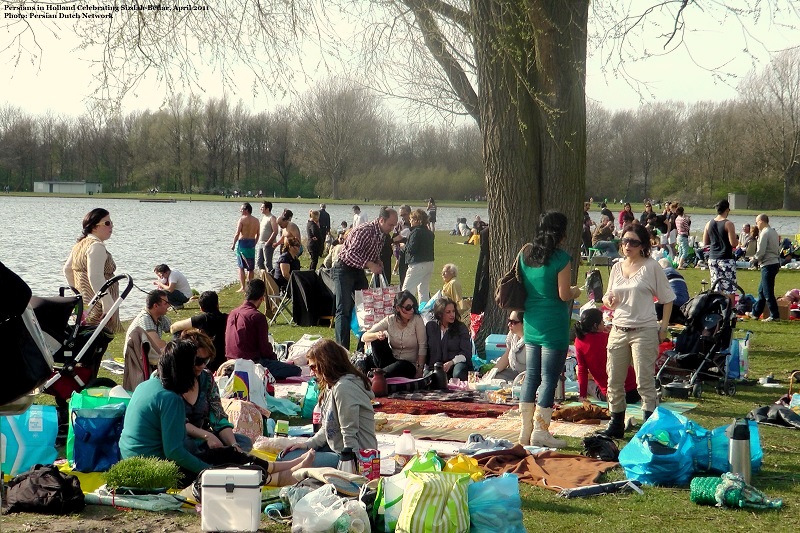 🇮🇷 Iran and 4 moreSizdah Bedarسیزدهبدر
An open-air picnic holiday concluding the Iranian New Year celebrationsFestival
🇮🇷 Iran and 4 moreSizdah Bedarسیزدهبدر
An open-air picnic holiday concluding the Iranian New Year celebrationsFestival
 🇯🇵 Kyoto, JapanAoi Matsuri葵祭
A classical Kyoto festival with an imperial procession and ancient shrine ritualsFestival
🇯🇵 Kyoto, JapanAoi Matsuri葵祭
A classical Kyoto festival with an imperial procession and ancient shrine ritualsFestival