Spiritual and religiousEast AsiaShinto, Taoist and folk ChineseBuddhist
Ema
In its own language: 絵馬
Small wooden plaques left at Japanese shrines and temples for prayers and wishes.

Ema are small wooden plaques used in Japan to convey prayers or wishes to kami. Worshippers write their requests on the plaque and hang it at a shrine until it is ritually burned. The practice evolved from offering live horses to substitute wooden effigies during times of hardship.
When is Ema kept?
Ema is kept on year-round at shrines and temples.
Ema are small wooden plaques found at Shinto shrines and Buddhist temples in Japan. People write their wishes on them and hang them up for the gods to receive. This custom began as a way to offer horses to deities but shifted to wooden substitutes when live animals were too costly.
Origins and history
In early Japanese folk traditions, horses were believed to carry messages between humans and the kami. Because living horses were expensive, people began offering clay or wooden figures instead. Archaeological finds from the Nara period show these early substitutes. By 1013, written records mention paper horse offerings at Kitano Tenjin shrine. During the Kamakura period, this practice spread to Buddhist temples. Artists later created distinct styles, turning ema production into a professional craft.
How they are kept
Worshippers inscribe their wishes on one side of the plaque. They then hang the ema at a shrine or temple. The public display signals to the community that a prayer has been made. Eventually, the plaques are ritually burned at special events. This burning symbolizes the liberation of the wish from the writer. Some people take the ema home to burn later in private ceremonies.
Symbols and meanings
Historically, ema featured specific images to convey complex wishes. Fertility prayers might show breasts or phalluses. Cures for warts were represented by octopuses. Sandals indicated requests for foot remedies. Nettles between two figures signified a desire for divorce. In Yamagata Prefecture, larger mukasari ema symbolize marriage, sometimes honoring deceased relatives. Modern plaques rely more on text than imagery due to rising literacy rates.
Modern variations
Today, many shrines produce their own ema. Some face criticism for selling them purely for profit. A notable case involved shrines selling exam-success plaques, which led to scholarship funds after public outcry. Pop-culture tourism has introduced ita-ema, featuring manga and video game characters. These are often hung at shrines linked to specific series, such as Kanda Shrine near Akihabara.
How Ema is kept
A person writes a wish on a wooden plaque. They hang it at a shrine or temple. The plaque stays there until a ritual burning releases the wish. People may also take the plaque home to burn later.
When and where
Kept year-round at shrines and temples across Japan. Dates vary by location and specific shrine practices.
Found throughout Japan at Shinto shrines and Buddhist temples. Notable concentrations exist in areas like Yamagata Prefecture and near Akihabara.
What Ema means
The ema serves as a bridge between the human and divine realms. Burning the plaque symbolizes freeing the spirit of the wish. It also publicly shares personal hopes with the community. Specific images historically conveyed detailed requests without words.


Questions people ask about Ema
When is Ema kept?
Ema is kept on year-round at shrines and temples.
Where is Ema kept?
Ema belongs to the traditions of Japan.
Who keeps Ema?
As our sources describe it, Ema is kept by Shinto and Buddhist worshippers in Japan. Many other communities and families now share it too.
See also
 ToriiA traditional Japanese gate marking the entrance to a Shinto shrine and separating the sacred from the mundane.
 PretaOfferings and rites for spirits enduring deep hunger across Asian traditions.
 HiganA Japanese Buddhist week of reflection and ancestor remembrance at the equinoxes
 Gozan no OkuribiFive giant bonfires lit across Kyoto's hills to bid farewell to ancestor spirits.
Good reading and sources
- Ema (Shinto) on WikipediaEncyclopedia
- More photos on Wikimedia CommonsPhotos and video
- Wikidata recordOpen data
The facts on this page come from the Wikipedia article "Ema (Shinto)", written by its contributors and used under the CC BY-SA 4.0 licence, and from its Wikidata record (CC0). EveryParampara rewrote the text in its own words, with AI assistance, and compares every page with the article to make sure no passage is copied. It may be reused under the same CC BY-SA 4.0 licence with a link back.
It may contain mistakes. Traditions differ from one family, village and community to the next, and the people who keep them know them best. If something is wrong, tell us. Last refreshed 2026-10-05.
More from Japan
All the traditions of Japan
🇯🇵 Kyoto, JapanTorii鳥居
A traditional Japanese gate marking the entrance to a Shinto shrine and separating the sacred from the mundane.Spiritual
 🇯🇵 JapanOmamori御守 (omamori)
Japanese protective amulets sold at shrines and temples for luck and safety.Spiritual
🇮🇳 India and 5 morePretaप्रेत
Offerings and rites for spirits enduring deep hunger across Asian traditions.Spiritual
🇯🇵 JapanHigan彼岸
A Japanese Buddhist week of reflection and ancestor remembrance at the equinoxesSpiritual
🇯🇵 JapanOmamori御守 (omamori)
Japanese protective amulets sold at shrines and temples for luck and safety.Spiritual
🇮🇳 India and 5 morePretaप्रेत
Offerings and rites for spirits enduring deep hunger across Asian traditions.Spiritual
🇯🇵 JapanHigan彼岸
A Japanese Buddhist week of reflection and ancestor remembrance at the equinoxesSpiritual
The same idea elsewhere
Remembering the ancestors compared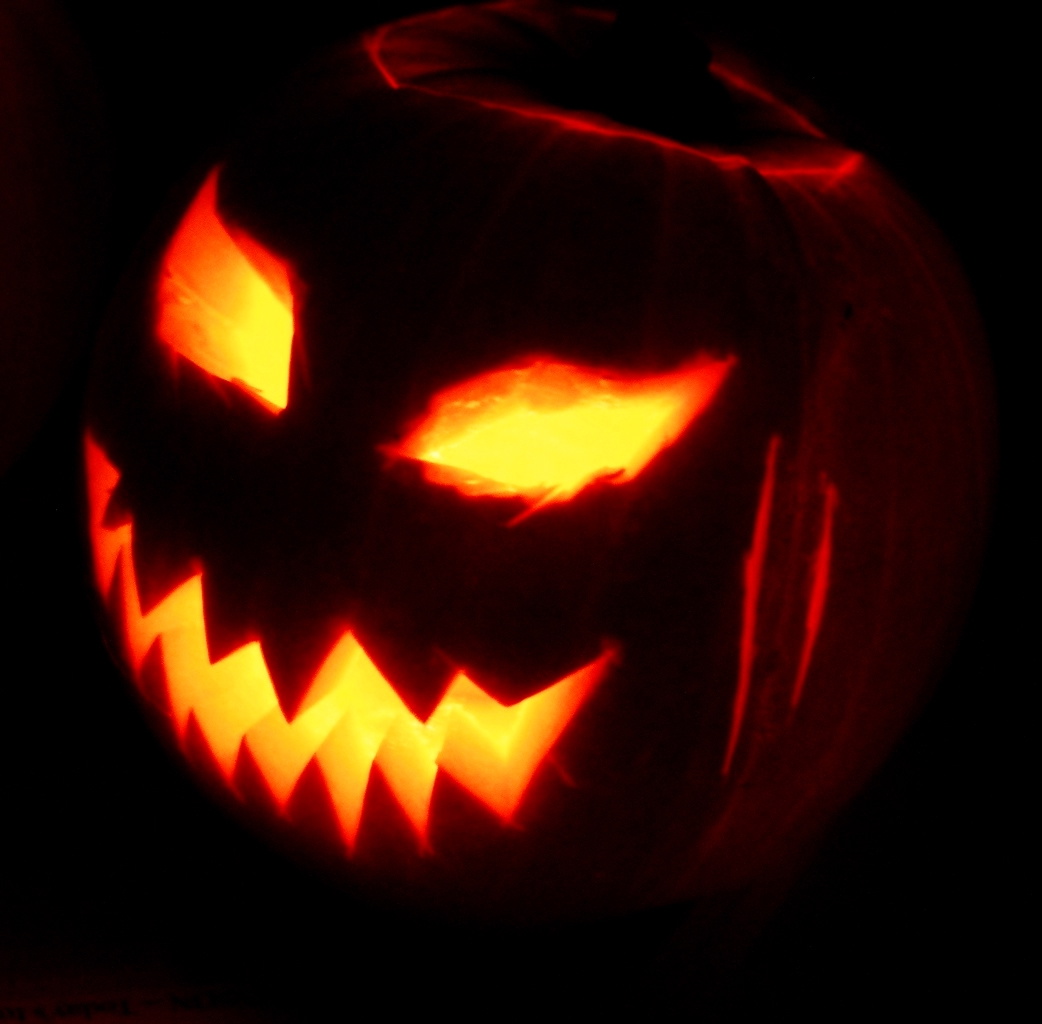 🇮🇪 Ireland and 5 moreHalloween
An annual observance on 31 October marking the eve of All Saints' Day, rooted in Christian tradition and Celtic heritageFestival · Sweets given and shared
🇮🇪 Ireland and 5 moreHalloween
An annual observance on 31 October marking the eve of All Saints' Day, rooted in Christian tradition and Celtic heritageFestival · Sweets given and shared
 🇮🇳 Ayodhya, India and 7 moreDiwaliदीपावली (Dīpāvalī)
A five-day festival of lights celebrated across India and its diaspora to mark the victory of light over darkness.Festival · Feasts and festival meals
🇮🇳 Ayodhya, India and 7 moreDiwaliदीपावली (Dīpāvalī)
A five-day festival of lights celebrated across India and its diaspora to mark the victory of light over darkness.Festival · Feasts and festival meals
 🇮🇷 Iran and 7 moreNowruzنوروز
The Iranian new year at the March equinox, kept with fire, greenery and picnicsSeasonal
🇮🇷 Iran and 7 moreNowruzنوروز
The Iranian new year at the March equinox, kept with fire, greenery and picnicsSeasonal
 🇮🇱 Jerusalem, Israel and 1 moreHanukkahחֲנֻכָּה
An eight-day Jewish festival marking the rededication of the Second Temple in Jerusalem and the miracle of a single day'Festival
🇮🇱 Jerusalem, Israel and 1 moreHanukkahחֲנֻכָּה
An eight-day Jewish festival marking the rededication of the Second Temple in Jerusalem and the miracle of a single day'Festival