Spiritual and religiousEast AsiaBuddhist
Higan
In its own language: 彼岸
A Japanese Buddhist week of reflection and ancestor remembrance at the equinoxes

Higan is a week-long Japanese Buddhist observance held twice each year around the spring and autumn equinoxes. People return to their home communities to honour departed ancestors, attend temple rites, and reflect on spiritual practice.
When is Higan kept?
Higan is kept on twice a year for seven days around the spring and autumn equinoxes.
Higan is a seven-day Buddhist period observed across Japan during both the vernal and autumnal equinoxes. Marked three days before and three days after each equinox, the observance offers time for people to pause from regular labour, remember family forebears, and focus on the path toward enlightenment. Temples host special services, while families travel back to their hometowns to honour departed relatives.
Meaning and symbolism
The name Higan draws on Buddhist teachings about leaving behind this shore of worldly rebirth to reach the far bank of nirvana. Pure Land traditions teach that Amida Buddha resides in the west. When the sun sets directly west during an equinox, practitioners face the setting sun to contemplate the western paradise. Folklorists note that the observance also blends early domestic beliefs regarding ancestral spirits and solar prayers for bountiful harvests. As night and day achieve equal length, believers reflect on shifting seasons as an encouragement to change their own conduct.
Imperial origins and development
The roots of the observance go back to Emperor Shōmu in the eighth century. In the year 806, the imperial court decreed that monastic communities throughout provincial districts chant Buddhist scripture during the seven-day equinox windows to calm Prince Sawara's unsettled spirit, establishing regular temple ceremonies known as Higan-e. Later, in 1260, Emperor Kameyama banned the taking of life during the equinoxes alongside other days of religious austerity. Over the centuries, the occasion broadened from court-mandated protection rites into a widespread community period focused on remembering family forebears.
Observing the season today
Modern observance centres on family gatherings and temple rituals. Because the equinoxes bring public holidays, many people travel to their ancestral hometowns to tend graves and show gratitude to deceased relatives. Monasteries and temples across various Buddhist traditions conduct dedicated services both within Japan and in communities overseas. The mild weather of the equinoxes provides a quiet interlude away from field work and daily routines. The season is also tied to nature, with the red spider lily blooming at this time and taking its local name from the holiday.
How Higan is kept
During the seven days surrounding each equinox, people visit their ancestral family plots to clean gravesites and offer prayers. Buddhist temples hold specialized services according to their individual lineage, in Japan and in overseas Japanese temples. Because the dates align with official holidays, workers pause their daily tasks, return to their hometowns, and spend time reflecting on Buddhist principles and showing gratitude to deceased forebears.
When and where
Higan takes place twice annually for seven continuous days. Each period starts three days prior to either the vernal or autumnal equinox and ends three days afterwards, coinciding with the exact points when day and night are equal.
The tradition is kept across Japan in homes, cemeteries, and temples of almost all domestic Buddhist schools. Japanese Buddhist temples established abroad also organize ceremonies for their local congregations during the equinox periods.
What Higan means
Higan means the other shore, representing nirvana as opposed to the realm of recurring rebirth. As the sun sets due west at the equinox, practitioners meditate on the western Pure Land. Equal day and night symbolize balance, while the transition between seasons serves as an encouragement for practitioners to reform their lives toward spiritual awakening.
Questions people ask about Higan
When is Higan kept?
Higan is kept on twice a year for seven days around the spring and autumn equinoxes.
What is Higan?
Higan is a Japanese Buddhist period lasting seven days at each equinox. It combines memorial rites for family ancestors with personal spiritual reflection and temple ceremonies.
Why is it celebrated at the equinox?
At the equinox, the sun sets due west where the Pure Land of Amida Buddha is believed to lie. The alignment between day and night symbolizes a gateway to the other world.
How do families take part in the observance?
Many people take advantage of the public holiday to return to their hometowns, pay their respects at ancestral graves, and attend dedicated memorial services at local Buddhist temples.
See also
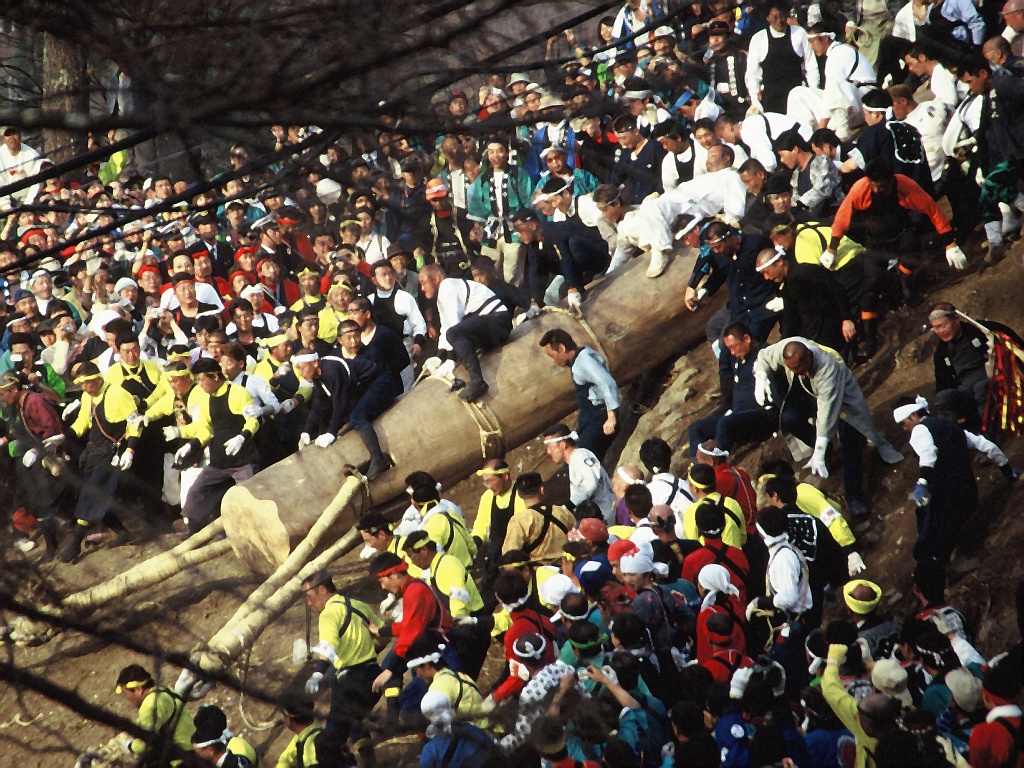 Onbashira FestivalA rite in Nagano where massive fir logs are dragged down mountains and raised at shrines
 HalloweenAn annual observance on 31 October marking the eve of All Saints' Day, rooted in Christian tradition and Celtic heritage
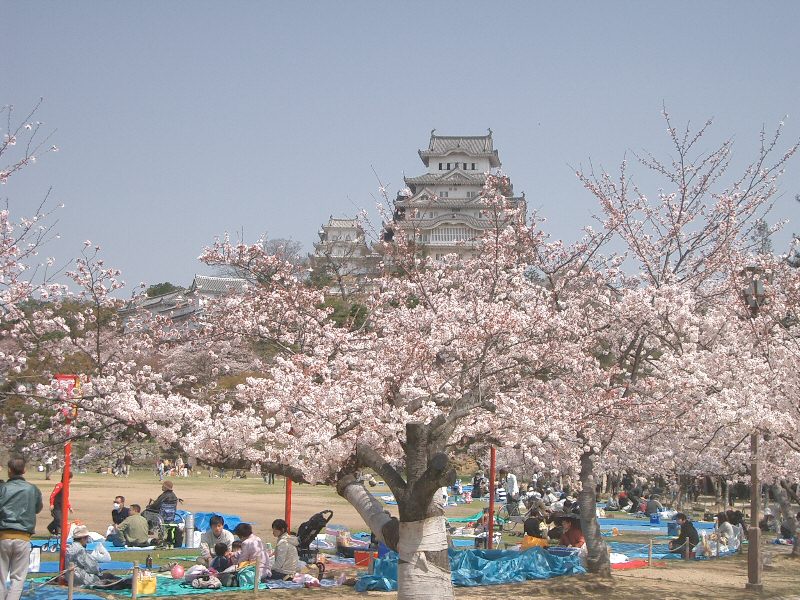 HanamiA Japanese spring custom of gathering under blooming cherry trees to eat, drink, and celebrate the fleeting beauty of th
 Buddha's BirthdayA festival marking the birth of Siddhartha Gautama, observed across Asia with temple rituals and community gatherings.
Good reading and sources
The facts on this page come from the Wikipedia article "Higan", written by its contributors and used under the CC BY-SA 4.0 licence, and from its Wikidata record (CC0). EveryParampara rewrote the text in its own words, with AI assistance, and compares every page with the article to make sure no passage is copied. It may be reused under the same CC BY-SA 4.0 licence with a link back.
It may contain mistakes. Traditions differ from one family, village and community to the next, and the people who keep them know them best. If something is wrong, tell us. Last refreshed 2026-10-04.
More from Japan
All the traditions of Japan 🇯🇵 Kyoto, JapanTorii鳥居
A traditional Japanese gate marking the entrance to a Shinto shrine and separating the sacred from the mundane.Spiritual
🇯🇵 Kyoto, JapanTorii鳥居
A traditional Japanese gate marking the entrance to a Shinto shrine and separating the sacred from the mundane.Spiritual
 🇯🇵 JapanEma絵馬
Small wooden plaques left at Japanese shrines and temples for prayers and wishes.Spiritual
🇯🇵 JapanEma絵馬
Small wooden plaques left at Japanese shrines and temples for prayers and wishes.Spiritual
 🇮🇳 India and 5 morePretaप्रेत
Offerings and rites for spirits enduring deep hunger across Asian traditions.Spiritual
🇮🇳 India and 5 morePretaप्रेत
Offerings and rites for spirits enduring deep hunger across Asian traditions.Spiritual
 🇯🇵 JapanOmamori御守 (omamori)
Japanese protective amulets sold at shrines and temples for luck and safety.Spiritual
🇯🇵 JapanOmamori御守 (omamori)
Japanese protective amulets sold at shrines and temples for luck and safety.Spiritual
The same idea elsewhere
Remembering the ancestors compared 🇮🇷 Iran and 7 moreNowruzنوروز
The Iranian new year at the March equinox, kept with fire, greenery and picnicsSeasonal
🇮🇷 Iran and 7 moreNowruzنوروز
The Iranian new year at the March equinox, kept with fire, greenery and picnicsSeasonal
 🇮🇳 Mathura, India and 5 moreHoliहोली (Hindi)
A spring festival of colours and bonfires that marks the end of winter and the triumph of good over evil.Festival
🇮🇳 Mathura, India and 5 moreHoliहोली (Hindi)
A spring festival of colours and bonfires that marks the end of winter and the triumph of good over evil.Festival
 🇮🇳 Guwahati, IndiaBihu dance
A folk dance from Assam that celebrates spring, fertility and the new year with energetic movement and music.Performance
🇮🇳 Guwahati, IndiaBihu dance
A folk dance from Assam that celebrates spring, fertility and the new year with energetic movement and music.Performance
 🇺🇦 Ukraine and 5 moreKupala Night
A summer solstice folk festival marked by bonfires, water rituals and herbal gatherings across Eastern Europe.Festival
🇺🇦 Ukraine and 5 moreKupala Night
A summer solstice folk festival marked by bonfires, water rituals and herbal gatherings across Eastern Europe.Festival