Folklore and beliefEast AsiaShinto, Taoist and folk Chinese
Court feng shui
How Chinese emperors used geomancy to site palaces, tombs and capitals
Feng shui at the Chinese imperial court was geomancy run by the state: emperors, officials and the Qintianjian, the Imperial Astronomical Bureau, chose sites and dates for palaces, tombs and capitals. Court practice ran from the Shang and Zhou dynasties until the Qing fell in 1912, and popular feng shui persisted after the state framework was dismantled.
When is Court feng shui kept?
Court feng shui is kept on across successive dynasties, until the Qing fell in 1912.
Feng shui is Chinese geomancy, the reading of land, water and direction to find good sites and times. At the imperial court it became a state affair. Emperors kept officials who assessed ground, set auspicious dates from the calendar, and guarded texts the wider public could not read. Palaces, tombs and city walls were laid out with their advice.
What it is
Feng shui is geomancy: reading landforms, water and direction to judge where to build and when to act. In the Chinese imperial court it was not left to families or village specialists. The state ran it. A designated bureau held officials trained in astronomy, the calendar and geomantic method, and their work shaped capitals, palaces, dynastic tombs and the timing of ceremonies. Court practice stood out for that official oversight, for texts kept out of general circulation, for its use of the same calculations as the official calendar, and for the sheer size of the projects it guided.
Origins and history
Siting and orientation mattered in China long before the empire. Evidence from the Shang and Zhou dynasties shows attention to landscape, water and the cardinal directions, and the Zhouli, or Rites of Zhou, describes officials who judged whether a place suited settlement and building. Under the Han, yinyang thought and the Five Phases gave the practice a fuller framework, and the scholar Wang Chong both described and criticised it. The Tang court set up the Taishiju to watch the sky, make the calendar and assess geomantic conditions. Song rulers favoured calculation-heavy methods for state work. Mongol, Ming and Qing courts kept the apparatus going until 1912.
The astronomical bureau
The Qintianjian, the Imperial Astronomical Bureau, was the administrative centre of court feng shui. Its staff came from the educated elite and were expected to know astronomy, calendrical science, the Yijing, the Book of Changes, and geomantic methods. They surveyed sites for imperial buildings, tombs and infrastructure, and they advised the emperor on cosmological questions that touched on government. Access to certain texts was restricted. Qimen Dunjia, a system joining cosmology, divination and strategic planning, is traditionally said to have been a state secret, and advanced Flying Star methods were linked to court work, though modern scholars debate how strictly this was enforced. Court compasses were more elaborate than those in popular use.
Land, water and qi
Court feng shui shared the principles of ordinary practice but applied them on a vast scale. Imperial complexes were aligned with the cardinal directions, usually on a north to south axis, because the emperor was linked to the Pole Star at the fixed centre of the sky. The ideal setting put raised ground to the north for protection, water or open space to the south, and flanking features east and west, matching the Four Celestial Animals. Planners moved qi, the vital energy of a place, by placing gates, walls, waterways and open ground so that good influence could flow and harmful influence, called sha qi, was blocked. The Jinshui River before the Forbidden City and the waterways of the Summer Palace show this.
Today and change
The imperial framework was dismantled after the Qing fell in 1912. Later modernisation campaigns, including the New Culture Movement and, later, the People's Republic, called feng shui superstition, though people went on using it in daily life. Historians have since studied the court version closely. The anthropologist Stephan Feuchtwang published an influential analysis in 1974, Ole Bruun's 2003 work looked at state-endorsed and popular practice together, and Nancy Shatzman Steinhardt has documented geomantic principles in imperial city planning. Bruun described Chinese feng shui as running along a line between state orthodoxy and popular religion. From the late twentieth century, some commercial practitioners in Singapore, Malaysia, Hong Kong and beyond began selling what they call imperial feng shui.
How Court feng shui is kept
Court geomancers worked inside a state bureau, not as independent specialists. Staff trained in astronomy, the calendar, the Yijing and geomantic method were sent to a proposed site, where they read its landforms, water and direction and reported back. The same bureau named the days that were favourable and the days that were not, for ceremonies, building work, campaigns and the emperor's journeys, using the Four Pillars of Destiny and the sixty-year cycle. After floods, defeats or other shocks, the bureau assessed conditions again. Advanced texts were kept from general circulation, and court compasses carried extra rings listing stems, branches and lunar mansions.
When and where
The work was continuous rather than seasonal. Dates for ceremonies and building were fixed by the official calendar, using the sexagenary cycle and the Four Pillars of Destiny, so timing was calculated rather than tied to one month of the year. The practice ran through successive dynasties until the Qing fell in 1912.
It belongs to China, and its strongest traces are in the imperial capitals and tomb landscapes. The Tang court planned Chang'an and mausolea in Shaanxi. Ming and Qing rulers worked from Beijing, where the Forbidden City still shows the axis, with Jingshan to the north and the Jinshui River before the southern gate. The Summer Palace grounds near Beijing and the Qing tombs also reflect it.
What Court feng shui means
For those who kept it, the lay of the land echoed the sky. The emperor was tied to the Pole Star, the fixed centre around which the realm turned, so his city ran north to south on a single axis. Raised ground to the north and water or open space to the south gave protection, matching the Four Celestial Animals. Court feng shui also carried the idea that heaven and earth answer each other, the thinking behind the Mandate of Heaven.
Questions people ask about Court feng shui
When is Court feng shui kept?
Court feng shui is kept on across successive dynasties, until the Qing fell in 1912.
What is feng shui at the Chinese imperial court?
It is Chinese geomancy practised and managed by the state. Emperors, officials and the Qintianjian, or Imperial Astronomical Bureau, judged sites and dates for palaces, capitals, tombs and ceremonies. It differed from everyday feng shui by official oversight, restricted texts, links to the official calendar and use on a monumental scale.
Where is it still visible?
In China, above all in Beijing. The Forbidden City follows a north to south axis, with Jingshan to the north and the Jinshui River before its southern gate. Tang planners laid out Chang'an and mausolea in Shaanxi, and the Summer Palace and the Qing tombs were sited with geomantic surveys.
Was any of it secret?
Some methods were. Qimen Dunjia, said to combine cosmology, divination and strategic planning, is traditionally described as a state secret kept for the emperor and senior officials, and advanced Flying Star methods were linked to the court. Modern scholars debate how strictly this restriction was enforced.
Is it the same as feng shui today?
No. The imperial framework was dismantled after 1912, and later modernisation campaigns in China called feng shui superstition, though popular practice persisted. Since the late twentieth century some commercial practitioners in Singapore, Malaysia, Hong Kong and elsewhere have marketed services as imperial feng shui, a term scholars treat separately from the court's own records.
See also
 Feng shuiThe Chinese spatial practice of aligning homes and graves with natural energy
 Yin and yangTwo opposite but complementary forces that Chinese thought sees in all thingsSymbolic starsHelpful and harmful influences read from the Chinese calendar's stems and branches
 Maneki-nekoA lucky cat figurine, paw raised, kept by shop doors and in homes across Japan
Good reading and sources
The facts on this page come from the Wikipedia article "Feng Shui in the Chinese Imperial Court", written by its contributors and used under the CC BY-SA 4.0 licence, and from its Wikidata record (CC0). EveryParampara rewrote the text in its own words, with AI assistance, and compares every page with the article to make sure no passage is copied. It may be reused under the same CC BY-SA 4.0 licence with a link back.
It may contain mistakes. Traditions differ from one family, village and community to the next, and the people who keep them know them best. If something is wrong, tell us. Last refreshed 2026-10-12.
More from China
All the traditions of China
🇨🇳 Puyang, ChinaFeng shui風水
The Chinese spatial practice of aligning homes and graves with natural energyFolklore
🇯🇵 Tokyo, Japan and 2 moreManeki-neko招き猫
A lucky cat figurine, paw raised, kept by shop doors and in homes across JapanFolklore
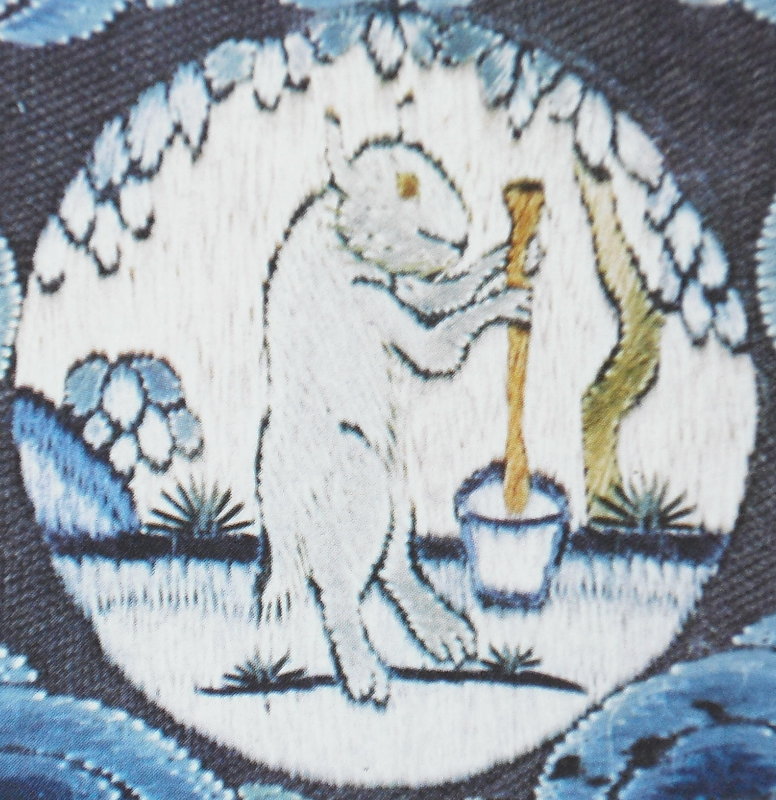 🇨🇳 China and 5 moreMoon rabbit月兔
A hare seen in the Moon's dark patches, pounding rice cakes or the elixir of lifeFolklore
🇨🇳 ChinaSymbolic stars神煞
Helpful and harmful influences read from the Chinese calendar's stems and branchesFolklore
🇨🇳 China and 5 moreMoon rabbit月兔
A hare seen in the Moon's dark patches, pounding rice cakes or the elixir of lifeFolklore
🇨🇳 ChinaSymbolic stars神煞
Helpful and harmful influences read from the Chinese calendar's stems and branchesFolklore
The same idea elsewhere
Royalty and coronation compared 🇱🇰 Kandy, Sri LankaKandyan danceඋඩරට නැටුම්
The sacred dance of Sri Lanka's hill country, kept in temple and on the stagePerformance
🇱🇰 Kandy, Sri LankaKandyan danceඋඩරට නැටුම්
The sacred dance of Sri Lanka's hill country, kept in temple and on the stagePerformance
 🇮🇳 IndiaKambala
An annual traditional buffalo race across muddy paddy fields in southwestern IndiaGame
🇮🇳 IndiaKambala
An annual traditional buffalo race across muddy paddy fields in southwestern IndiaGame
 🇬🇧 United Kingdom and 5 moreTwelfth Night
The closing evening of the Christmas season, kept with cake, carols and wassailSpiritual · Feasts and festival meals
🇬🇧 United Kingdom and 5 moreTwelfth Night
The closing evening of the Christmas season, kept with cake, carols and wassailSpiritual · Feasts and festival meals
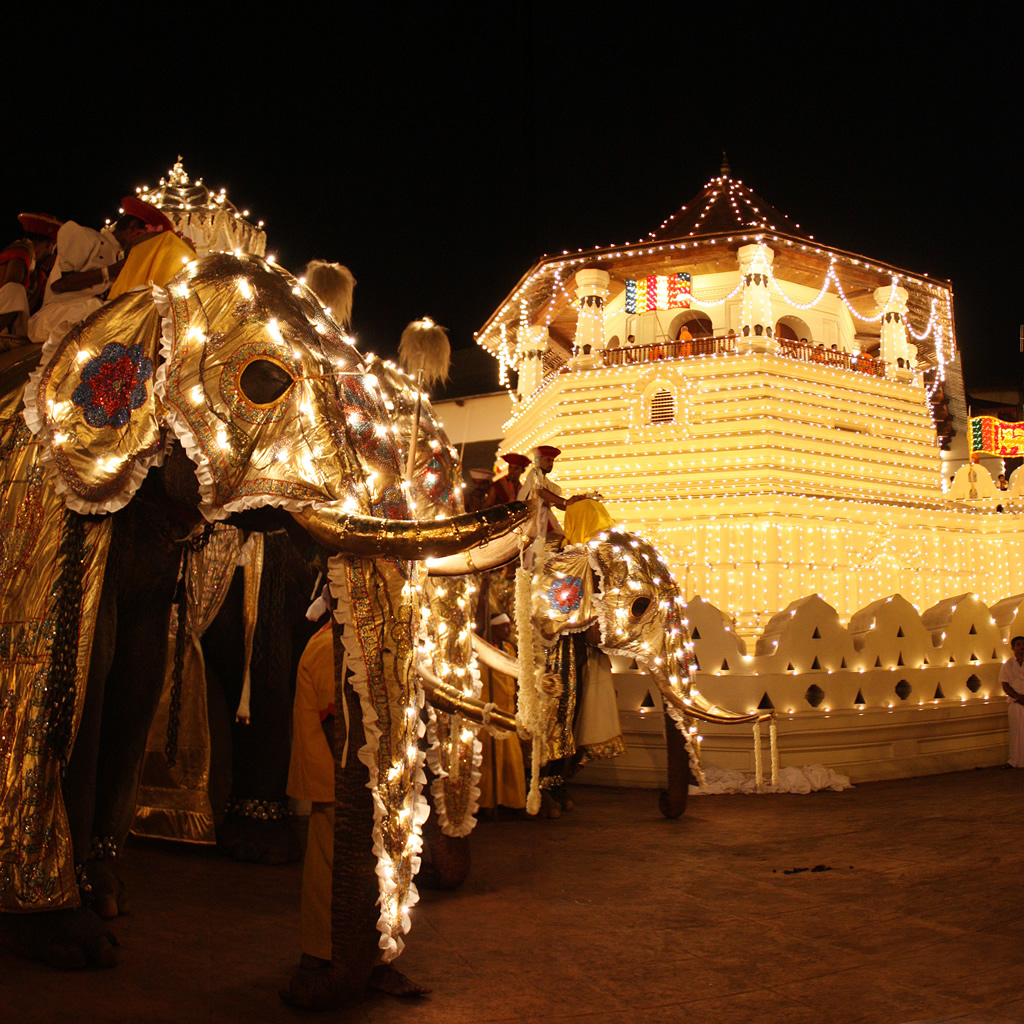 🇱🇰 Kandy, Sri LankaEsala Perahera
A Sri Lankan procession of sacred relics, drummers and elephants honouring the BuddhaSpiritual
🇱🇰 Kandy, Sri LankaEsala Perahera
A Sri Lankan procession of sacred relics, drummers and elephants honouring the BuddhaSpiritual