Festivals and celebrationsEuropeChristian
Festival of Lights
In its own language: Fête des lumières
A four-day festival in Lyon marking December 8 with illuminated windows and light art

The Festival of Lights is an annual winter celebration in Lyon, France, held over four days around December 8. Residents place candles in their windows to honour the Virgin Mary, while public squares, monuments, and historic façades across the city become stages for large light shows.
When is Festival of Lights kept?
Festival of Lights is kept on annually for four days around 8 December.
The Festival of Lights in Lyon began as a Marian devotional observance and has grown into one of France's largest public gatherings. Each December, residents place small candles along their window ledges to illuminate the city streets. At the same time, contemporary light projections and artistic displays transform major public plazas, parks, and historic buildings across the urban centre.
Vows and stormy beginnings
The festival traces its roots to 1643, when plague threatened Lyon. City leaders promised to pay tribute to the Virgin Mary if the town was spared from the epidemic. Residents continued this pledge by holding an annual procession on December 8, the feast of the Immaculate Conception. In 1852, sculptor Joseph-Hugues Fabisch created a statue of Mary for Fourvière Hill. Floods along the Saône River delayed its planned September dedication until December. When severe storms threatened the rescheduled event, organizers called off the official celebration. As the sky cleared that evening, local residents spontaneously placed candles on outside windowsills, lit flares, and walked the streets singing together.
Candles on window sills
At the heart of the festival is a domestic ritual shared across Lyon. Near the end of November, shops begin selling stout, fluted candles. Families set aside collections of clear and coloured glass holders, keeping them alongside their holiday ornaments. On the night of December 8, households across the city place these lighted glasses along exterior windowsills. The collective glow creates rows of flickering light down residential streets. While modern visitors often associate the event with large public spectacles, this simple act of domestic lighting remains the central custom that connects local households to the 1852 celebration.
Public shows and plazas
Over four December evenings, central Lyon turns into a pedestrian zone filled with outdoor light installations, live performances, and food stalls. The festival culminates on December 8, when public attendance peaks. Two primary focal points anchor the displays: Place des Terreaux, which presents an original light show each year, and the Basilica of Fourvière, which is bathed in colourful lighting high above the city. Projections cover monumental façades, while luminous sculptures sit in parks and public squares. Between three and four million people travel through the city centre during the four-day event.
Adaptations and security
Security concerns have shaped the festival in recent years. Following national emergency measures in late 2015, municipal authorities cancelled the main public art installations. Lyon instead marked the date solely with traditional window candles and a light display along river quays bearing the names of attack victims. The following year, the city introduced strict entry checkpoints, shortened the schedule to three days, and contained the exhibits within a tighter perimeter under heightened security. Despite adjustments to scale and organization, the festival continues as a major civic gathering that blends private remembrance with public spectacle.
How Festival of Lights is kept
Families prepare by buying fluted candles and arranging glass holders along their outside window ledges. On December 8, people light these candles at dusk to illuminate their homes. Meanwhile, a church procession travels to the Basilica of Notre-Dame de Fourvière to present offerings and prayers. Throughout four consecutive evenings, pedestrian streets open across central Lyon. Crowds walk between illuminated public squares, viewing architectural video projections, glowing art installations, and musical performances, while buying snacks from outdoor street stalls.
When and where
The festival takes place every year in December for four days, scheduled around the feast of the Immaculate Conception on December 8. The peak of public activity and traditional window lighting happens on the evening of the 8th.
The event is held throughout Lyon in south-eastern France. Major activities centre on Fourvière Hill, Place des Terreaux, public parks, and the pedestrianised streets of the city centre.
What Festival of Lights means
The tradition originated as an expression of thanksgiving to Mary for protecting Lyon from disease and disaster. The candles lit on windowsills recall the spontaneous community illumination of 1852, when citizens celebrated their shared civic and religious heritage despite cancelled municipal plans. For modern Lyonnais, the lights represent civic unity, local identity, and the formal start of the winter holiday season.


Questions people ask about Festival of Lights
When is Festival of Lights kept?
Festival of Lights is kept on annually for four days around 8 December.
What is the Festival of Lights in Lyon?
The Festival of Lights is a four-day December festival in Lyon, France. It combines a historic local tradition of lighting candles on residential windowsills with large modern public light projections across the city's historic monuments, squares, and streets.
Why do people place candles in their windows?
In 1852, bad weather cancelled the official inauguration of a Virgin Mary statue on Fourvière Hill. When skies cleared, residents spontaneously lit candles along their window ledges to celebrate. Families continue this custom each year on December 8 using fluted candles in glass holders.
What are the main places to see light displays in Lyon?
Key focal points include the Basilica of Notre-Dame de Fourvière, which is illuminated in colours above the city, and the Place des Terreaux, which features a new projection show every year. Light installations also fill city parks and major public squares.
See also
 CandlemasA Christian feast of candle blessings marking the end of the Christmas seasonRéveillonA luxurious late-night feast that stretches until dawn across the winter holidays
 ChristmasA festival of Jesus's birth, kept on 25 December with gifts, lights and shared meals
 Christmas marketA seasonal street market held during Advent in German-speaking regions and beyond, featuring stalls, food, and crafts.
Good reading and sources
- Festival of Lights (Lyon) on WikipediaEncyclopedia
- More photos on Wikimedia CommonsPhotos and video
- Wikidata recordOpen data
The facts on this page come from the Wikipedia article "Festival of Lights (Lyon)", written by its contributors and used under the CC BY-SA 4.0 licence, and from its Wikidata record (CC0). EveryParampara rewrote the text in its own words, with AI assistance, and compares every page with the article to make sure no passage is copied. It may be reused under the same CC BY-SA 4.0 licence with a link back.
It may contain mistakes. Traditions differ from one family, village and community to the next, and the people who keep them know them best. If something is wrong, tell us. Last refreshed 2026-10-04.
More from France
All the traditions of France 🇸🇪 Sweden and 3 moreAdventadventus
A four-week Christian season of waiting and preparation for Christmas and the Second Coming.Festival
🇸🇪 Sweden and 3 moreAdventadventus
A four-week Christian season of waiting and preparation for Christmas and the Second Coming.Festival
 🇫🇷 Paris, France and 3 moreFête de la Musique
An annual celebration where people play music in public spaces on the summer solstice.Festival
🇫🇷 Paris, France and 3 moreFête de la Musique
An annual celebration where people play music in public spaces on the summer solstice.Festival
 🇬🇧 United Kingdom and 5 moreApril Fools' Day
An annual day of lighthearted pranks, hoaxes and teasing kept on the first of AprilFestival
🇬🇧 United Kingdom and 5 moreApril Fools' Day
An annual day of lighthearted pranks, hoaxes and teasing kept on the first of AprilFestival
 🇫🇷 France and 4 morePicnic
A meal taken outdoors in a park or scenic spot, often shared with friends and family.Festival · Lunch
🇫🇷 France and 4 morePicnic
A meal taken outdoors in a park or scenic spot, often shared with friends and family.Festival · Lunch
The same idea elsewhere
Midwinter and the longest night compared 🇵🇪 Cusco, Peru and 4 moreIntiinti (Quechua)
The Inca sun deity, honoured with temples, offerings and the June festival Inti RaymiSpiritual
🇵🇪 Cusco, Peru and 4 moreIntiinti (Quechua)
The Inca sun deity, honoured with temples, offerings and the June festival Inti RaymiSpiritual
 🇮🇷 Iran and 5 moreYaldā Nightشب یلدا
A solstice night of poetry, fruit and family, kept from Iran through Central AsiaFestival · Dinner
🇮🇷 Iran and 5 moreYaldā Nightشب یلدا
A solstice night of poetry, fruit and family, kept from Iran through Central AsiaFestival · Dinner
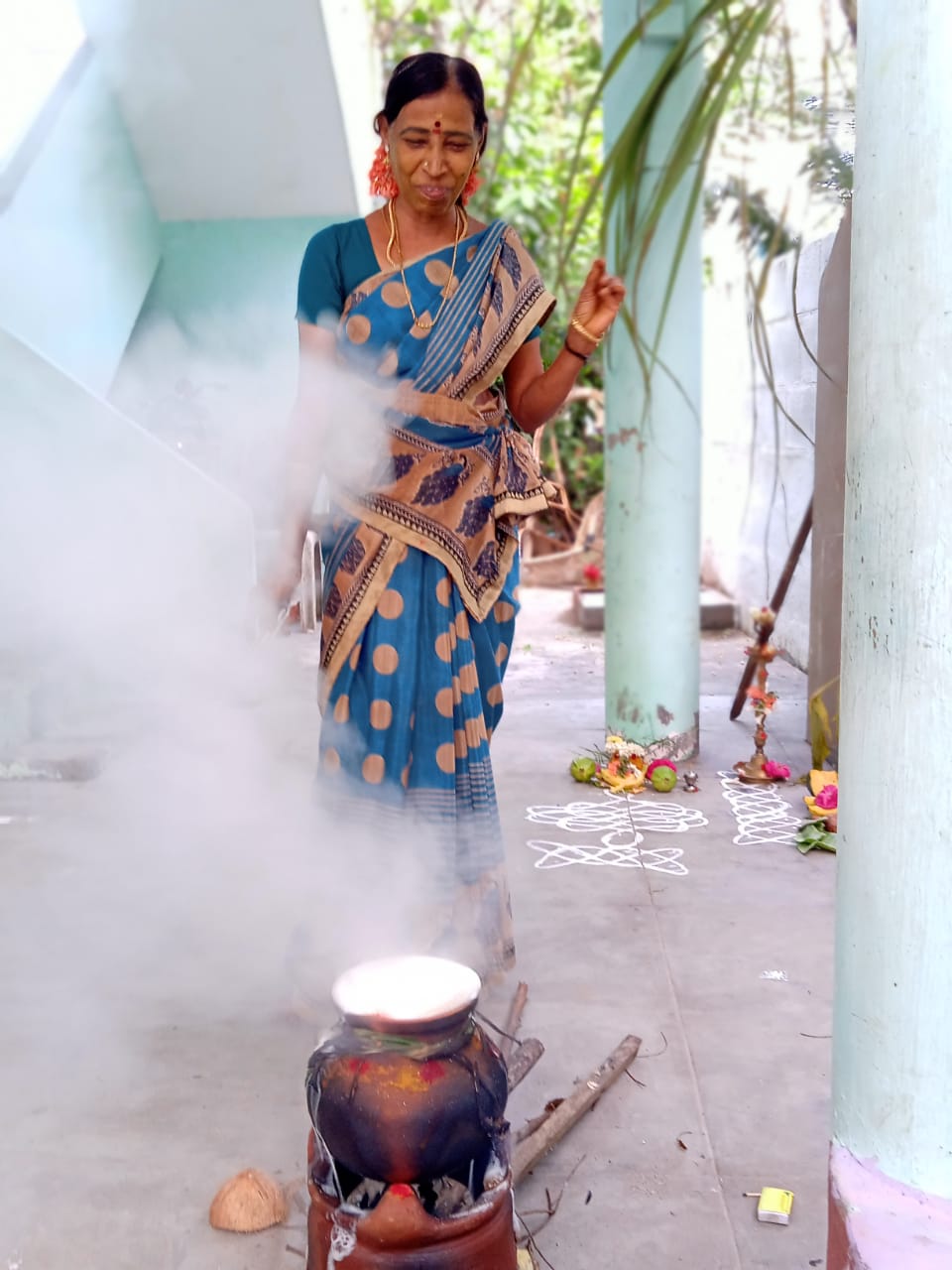 🇮🇳 India and 5 morePongal
Three or four days of boiling rice, garlanded cattle and thanks to the sunSeasonal · Sweets given and shared
🇮🇳 India and 5 morePongal
Three or four days of boiling rice, garlanded cattle and thanks to the sunSeasonal · Sweets given and shared
 🇨🇳 Shanghai, China and 1 moreJiaozi餃子
Crescent Chinese dumplings filled with meat or vegetables, eaten for fortune and feastsTable custom · Breakfast
🇨🇳 Shanghai, China and 1 moreJiaozi餃子
Crescent Chinese dumplings filled with meat or vegetables, eaten for fortune and feastsTable custom · Breakfast