Customs of food and drinkEuropeChristianSecular and civic
Réveillon
A luxurious late-night feast that stretches until dawn across the winter holidays
Réveillon is a feast of lavish dishes served late at night during French and Francophone winter holidays. Rooted in eighteenth-century aristocratic banquets, families and friends gather around tables laden with seafood, poultry, and sweets, staying awake together until the early morning.
When is Réveillon marked?
Réveillon is kept as part of Christmas Eve, which is on Thursday, 24 December 2026.
Réveillon is an elaborate night-time banquet enjoyed across the French-speaking world and parts of the Americas. Its name comes from the act of waking, as guests sit together until dawn to share abundant plates. Marked on both Christmas and New Year's nights, the meal brings loved ones together over multiple rich courses, fine wines, and seasonal pastries to greet the coming morning.
Origins and history
The custom first appeared among French nobles during the eighteenth century as an all-night banquet. Aristocratic households hosted lavish dining events that continued until dawn. In time, the fashion travelled to foreign royal courts, including the nobility of Portugal. After the upheaval of the French Revolution, the concept shifted from courtly privilege into a widespread civic custom, eventually becoming a common way to welcome the arrival of the new calendar year.
The festive table
Banquets for réveillon feature prized and luxurious ingredients. Diners frequently begin with plates of oysters, escargots, foie gras, or lobster. Traditional main courses often showcase roast turkey paired with chestnuts, while regional variations include savoury meat pies known as tourtière in Quebec. Desserts conclude the meal, notably the rolled Yule log known as bûche de Noël. In Provence, hosts lay out thirteen individual sweet items, which feature dates alongside flavoured bread called pompe à l'huile. Fine wines accompany the meal, culminating with sparkling wines or champagne.
Two holiday nights
The celebration takes on distinct tones depending on the occasion. At Christmas, the dinner retains its historical Christian grounding and centres primarily on family gatherings at home, a custom followed by religious and non-religious people alike. By contrast, the New Year gathering, often linked to Saint-Sylvestre, functions as a lively party shared with friends. Many people spend that evening going out to cabaret performances or gathering in living rooms to watch entertainment broadcasts on television before toasting the new year.
Global customs
Beyond France and Belgium, the custom thrives across diverse regions. French-Creole traditions maintain a presence in New Orleans, where local restaurants offer dedicated seasonal menus, and Franco-American families in New England observe similar gatherings. In Brazil and Portugal, winter feasts carry names like Ceia de Natal, while the wider New Year festivities in Brazil are widely referred to as réveillon or virada do ano. Similar holiday meals appear in Romanian dining customs and in Canadian provinces like Manitoba, Ontario, New Brunswick, Alberta, and Quebec.
How Réveillon is kept
Participants gather late in the evening around a lavishly prepared dining table. The meal begins with decadent starters such as shellfish, snails, or foie gras, followed by substantial courses like turkey with chestnuts or savoury tourtière. Conversation and wine flow continuously as diners stay awake through the night. After midnight, tables are cleared for special desserts such as the bûche de Noël or thirteen sweets. The night concludes in the early morning with toasts of sparkling wine or champagne.
When and where
The meal takes place overnight on two distinct dates: the evening leading into Christmas Day on December 24, and the final night of the calendar year on December 31, known also as Saint-Sylvestre.
The tradition is observed across France, Belgium, and Romania, as well as several Canadian provinces including Quebec and Ontario. In the Americas, it remains strong among New England Franco-Americans, in New Orleans, and throughout Brazil and Portugal.
What Réveillon means
The term itself derives from the French word for waking, reflecting the deliberate act of remaining alert until dawn. Staying awake together transforms the evening into an endurance of fellowship. While the Christmas meal celebrates domestic togetherness and family ties, the New Year feast represents joy, hospitality, and communal renewal as friends welcome another year.
On the table
- Lobster
- Oysters
- Escargots
- Foie gras
- Turkey with chestnuts
- Tourtière
- Bûche de Noël
- Pompe à l'huile
Days Réveillon is marked
Questions people ask about Réveillon
When is Réveillon marked?
Réveillon is kept as part of Christmas Eve, which is on Thursday, 24 December 2026.
What is a réveillon?
It is a long, indulgent night-time feast eaten across Francophone and Lusophone cultures. The name refers to staying awake until dawn while enjoying multiple courses of celebratory food and drink with loved ones.
What dishes are traditionally served?
Hosts serve upscale items including oysters, lobster, snails, foie gras, and turkey with chestnuts. Desserts often include a Yule log cake or the Provençal thirteen desserts, accompanied by wine and champagne.
How do the Christmas and New Year meals differ?
The Christmas meal is an intimate family affair rooted in religious tradition, maintained even by secular households. The New Year gathering is a festive social party with friends, sometimes involving cabaret shows or television viewing.
See also
 ChristmasA festival of Jesus's birth, kept on 25 December with gifts, lights and shared meals
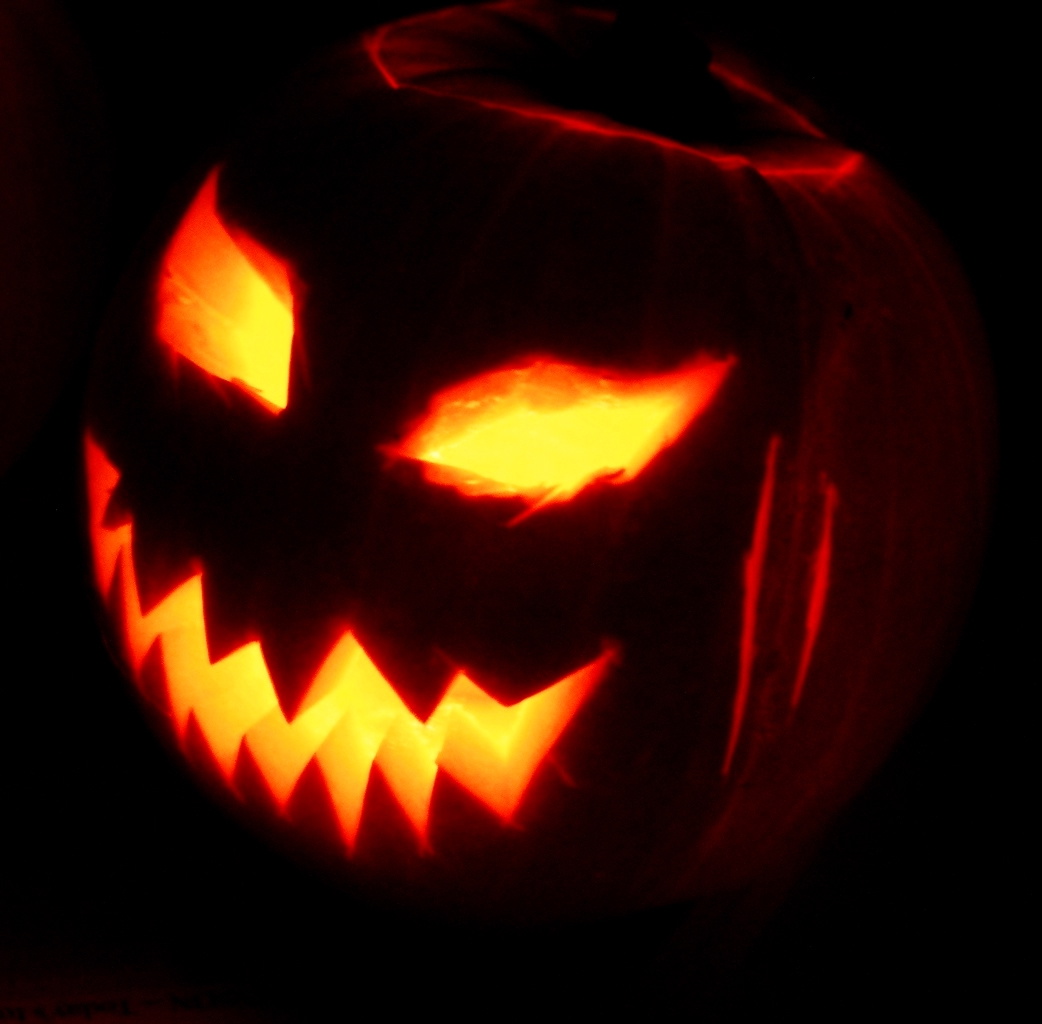 HalloweenAn annual observance on 31 October marking the eve of All Saints' Day, rooted in Christian tradition and Celtic heritage
 Christmas treeA decorated evergreen or artificial tree placed indoors to mark the Christmas season.
 HanukkahAn eight-day Jewish festival marking the rededication of the Second Temple in Jerusalem and the miracle of a single day'
Good reading and sources
- Ano Novo: a raiz africana dos rituais de Réveillon do BrasilBBC, Article
- Ano Novo: a raiz africana dos rituais de Réveillon do BrasilBBC, Article
- Réveillon on WikipediaEncyclopedia
- More photos on Wikimedia CommonsPhotos and video
- Wikidata recordOpen data
The facts on this page come from the Wikipedia article "Réveillon", written by its contributors and used under the CC BY-SA 4.0 licence, and from its Wikidata record (CC0). EveryParampara rewrote the text in its own words, with AI assistance, and compares every page with the article to make sure no passage is copied. It may be reused under the same CC BY-SA 4.0 licence with a link back.
It may contain mistakes. Traditions differ from one family, village and community to the next, and the people who keep them know them best. If something is wrong, tell us. Last refreshed 2026-10-04.
More from France
All the traditions of France 🇻🇳 Saigon, Vietnam and 5 moreBánh mì
A Vietnamese baguette sandwich filled with meats, pickles, herbs, and condiments.Table custom · Breakfast
🇻🇳 Saigon, Vietnam and 5 moreBánh mì
A Vietnamese baguette sandwich filled with meats, pickles, herbs, and condiments.Table custom · Breakfast
 🇫🇷 France and 5 moreCandlemas
A Christian feast of candle blessings marking the end of the Christmas seasonSpiritual
🇫🇷 France and 5 moreCandlemas
A Christian feast of candle blessings marking the end of the Christmas seasonSpiritual
 🇬🇧 United Kingdom and 5 moreChristmas carol
Festive songs and hymns sung during the Christmas season and door to doorPerformance
🇬🇧 United Kingdom and 5 moreChristmas carol
Festive songs and hymns sung during the Christmas season and door to doorPerformance
 🇬🇧 United Kingdom and 5 moreApril Fools' Day
An annual day of lighthearted pranks, hoaxes and teasing kept on the first of AprilFestival
🇬🇧 United Kingdom and 5 moreApril Fools' Day
An annual day of lighthearted pranks, hoaxes and teasing kept on the first of AprilFestival
The same idea elsewhere
New Year compared 🇨🇳 Shanghai, China and 1 moreJiaozi餃子
Crescent Chinese dumplings filled with meat or vegetables, eaten for fortune and feastsTable custom · Breakfast
🇨🇳 Shanghai, China and 1 moreJiaozi餃子
Crescent Chinese dumplings filled with meat or vegetables, eaten for fortune and feastsTable custom · Breakfast
 🇳🇿 New ZealandMatariki
The Māori New Year marked by the midwinter rising of the Pleiades clusterSeasonal
🇳🇿 New ZealandMatariki
The Māori New Year marked by the midwinter rising of the Pleiades clusterSeasonal
 🇮🇷 Yazd, Iran and 1 moreSadehسده
An ancient midwinter festival of fire, light, and the approach of springFestival · Feasts and festival meals
🇮🇷 Yazd, Iran and 1 moreSadehسده
An ancient midwinter festival of fire, light, and the approach of springFestival · Feasts and festival meals
 🇵🇪 Cusco, PeruQoyllur Rit'iQuyllurit'i
An Andean mountain pilgrimage uniting indigenous star lore and Catholic devotionSpiritual
🇵🇪 Cusco, PeruQoyllur Rit'iQuyllurit'i
An Andean mountain pilgrimage uniting indigenous star lore and Catholic devotionSpiritual