Seasons, harvest and the calendarSoutheast AsiaIndigenous and traditional
Gawai Dayak
In its own language: Ari Gawai
An annual harvest and thanksgiving festival of the Dayak peoples in Borneo

Gawai Dayak is an annual harvest festival celebrated on 1 and 2 June by the Dayak peoples of Sarawak and West Kalimantan. Marked by longhouse feasts, dances, and home-brewed rice wine, it gives thanks for the rice harvest and welcomes good fortune.
When is Gawai Dayak kept?
Gawai Dayak is kept on annually on 1 and 2 June, with events throughout June.
Gawai Dayak is a harvest festival celebrated by the Dayak peoples of Borneo, centered in Sarawak, Malaysia, and West Kalimantan, Indonesia. Held at the beginning of June, the holiday marks the completion of the rice harvest. Families and neighbours gather to express gratitude for sustenance, wellness, and fortune received over the year, sharing home-brewed rice wine, festive meals, music, and ceremonies in longhouses.
Origins and recognition
During the rule of the Brooke dynasty and subsequent British administration, Dayak communities marked the harvest according to their own local customs without official government recognition. In the 1950s and 1960s, community leaders and radio broadcasters urged the government to establish a shared holiday. Politician Tra Zehnder championed the cause in the state assembly. The first unofficial gathering took place at Michael Buma's home in 1963. Sarawak formally gazetted the holiday in 1964 under Chief Minister Stephen Kalong Ningkan, and the first official state observance took place on 1 June 1965, creating a unified celebration of Dayak heritage.
Longhouse preparations and crafts
Preparations begin weeks before the holiday with deep cleaning, building repairs, and visiting ancestral graves. Longhouses, the communal wooden residences shared by multiple families, are spruced up and decorated. Residents hang woven ceremonial cloths called Pua Kumbu and paint nature motifs along the gallery walls. Elaborate woven mats made of rattan, reed, or bark are laid out along the communal hallway in a ceremony called beranchau, which officially signals that the longhouse is ready to welcome guests. Carved shields, brass items, and heirloom pieces are polished and put on display.
Traditional foods and drinks
Festive meals feature poultry, pork, fish, and jungle produce such as bamboo shoots, palm hearts, and wild ferns. A signature dish is ayam pansuh, chicken pieces seasoned with lemongrass, ginger, garlic, and wild herbs, stuffed inside fresh bamboo stalks and roasted over an open wood fire. Glutinous rice is cooked inside bamboo nodes or wrapped in leaves before steaming. A central part of the feast is tuak, a sweet fermented rice wine brewed weeks ahead of time using yeast and newly harvested rice. Distilling tuak over heat produces a much stronger liquor known as langkau.
Music attire and contests
Celebrants often put on traditional dress called ngepan to receive guests. Men wear loincloths, woven sashes, hornbill feathers, and animal skin vests, while women wear beaded collars and woven skirts. Communal events feature cultural displays, including the graceful Ngajat dance, Pencha sword routines, and Kuntau martial arts demonstrations. Communities also organise beauty and cultural pageants for both men and women, such as the Pekit Kumang and Pekit Keling contests. These public events, alongside street food stalls and open-house hospitality, continue throughout the entire month of June.
How Gawai Dayak is kept
Before the festival begins, families clean their homes, harvest and dry paddy, visit graves, and prepare traditional delicacies. When Gawai arrives, the communal gallery of the longhouse is opened with the spreading of ceremonial mats. Guests are welcomed with glasses of home-brewed tuak and offerings of roasted meat cooked in bamboo. Celebrations continue with shared feasts, music, traditional dances like the Ngajat, martial arts demonstrations, and local pageants. Families host open houses throughout June, allowing friends and relatives from different communities to visit, dine, and exchange blessings.
When and where
Gawai Dayak is officially observed on 1 and 2 June each year in Sarawak. Preparations begin in May, and celebratory gatherings, dinners, and cultural pageants often continue throughout the entire month of June.
The festival is celebrated primarily across the Malaysian state of Sarawak on the island of Borneo. It is also celebrated by Dayak communities in neighbouring West Kalimantan, Indonesia, and among the Dayak diaspora living elsewhere.
What Gawai Dayak means
For Dayak communities, Gawai Dayak expresses thanksgiving for a bountiful harvest and asks for continued health, prosperity, and luck in the coming farming cycle. The festival serves as an important occasion to maintain ancestral customs, showcase textile and craft arts, and strengthen solidarity across different Dayak groups.
On the table
- Tuak
- Ayam pansuh
- Langkau
- Pangkang
- Kuih sarang semut
- Kuih kapit
- Penganan iri
- Upa aping
Flavours: Ginger Garlic Lemongrass


Questions people ask about Gawai Dayak
When is Gawai Dayak kept?
Gawai Dayak is kept on annually on 1 and 2 June, with events throughout June.
What is Gawai Dayak?
Gawai Dayak is an annual harvest and thanksgiving festival celebrated by the Dayak indigenous peoples of Borneo. It marks the conclusion of the rice harvesting season with shared feasts, music, dancing, and rituals.
What dishes and drinks are traditional for Gawai?
Celebrants prepare ayam pansuh, which is chicken cooked inside bamboo stalks over an open fire. They also brew tuak, a sweet rice wine made from newly harvested glutinous rice, and make deep-fried treats like kuih kapit.
What activities take place during the celebration?
Longhouse residents spread ceremonial mats to welcome visitors, host feasts, perform the Ngajat dance, showcase sword dances and martial arts, and hold cultural pageants such as the Pekit Kumang and Pekit Keling.
See also
 KaamatanAn annual May harvest celebration of thanksgiving and community across Sabah, Malaysia
 MawlidAn annual festival marking the birth of the Prophet Muhammad, marked by poetry, processions and feasts.
 Mid-Autumn FestivalAn annual harvest festival celebrating family reunions, full moons and mooncakes
 Ganesh ChaturthiA Hindu festival celebrating the arrival of Ganesha, marked by clay idols, sweets, and public processions.
Good reading and sources
- Gawai Dayak on WikipediaEncyclopedia
- More photos on Wikimedia CommonsPhotos and video
- Wikidata recordOpen data
The facts on this page come from the Wikipedia article "Gawai Dayak", written by its contributors and used under the CC BY-SA 4.0 licence, and from its Wikidata record (CC0). EveryParampara rewrote the text in its own words, with AI assistance, and compares every page with the article to make sure no passage is copied. It may be reused under the same CC BY-SA 4.0 licence with a link back.
It may contain mistakes. Traditions differ from one family, village and community to the next, and the people who keep them know them best. If something is wrong, tell us. Last refreshed 2026-10-04.
More from Malaysia
All the traditions of Malaysia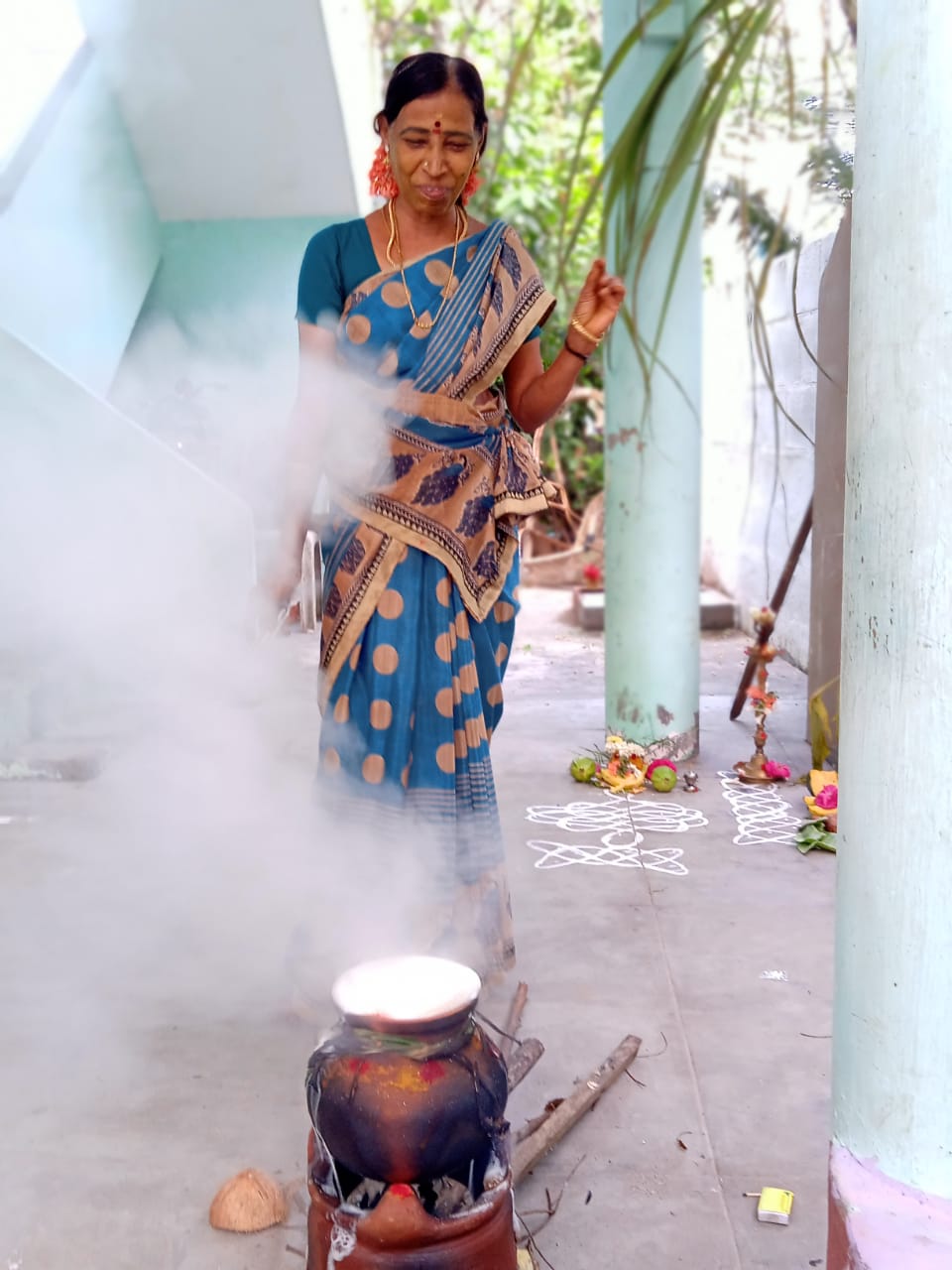 🇮🇳 India and 5 morePongal
Three or four days of boiling rice, garlanded cattle and thanks to the sunSeasonal · Sweets given and shared
🇲🇾 Penampang, MalaysiaKaamatanTadau Kaamatan
An annual May harvest celebration of thanksgiving and community across Sabah, MalaysiaSeasonal
🇮🇳 India and 5 morePongal
Three or four days of boiling rice, garlanded cattle and thanks to the sunSeasonal · Sweets given and shared
🇲🇾 Penampang, MalaysiaKaamatanTadau Kaamatan
An annual May harvest celebration of thanksgiving and community across Sabah, MalaysiaSeasonal
 🇹🇷 Turkey and 5 moreEid al-Fitrعيد الفطر
The feast that ends Ramadan, opened with morning prayers, sweets and visits homeFestival · Feasts and festival meals
🇹🇷 Turkey and 5 moreEid al-Fitrعيد الفطر
The feast that ends Ramadan, opened with morning prayers, sweets and visits homeFestival · Feasts and festival meals
 🇨🇳 China and 5 moreLion dance舞獅
A dynamic ritual dance featuring costumed lions, drums and martial acrobaticsPerformance
🇨🇳 China and 5 moreLion dance舞獅
A dynamic ritual dance featuring costumed lions, drums and martial acrobaticsPerformance
The same idea elsewhere
Harvest and thanksgiving compared 🇮🇱 Jerusalem, IsraelSukkotסוכות
A seven-day autumn Jewish festival of temporary booths, harvest prayers and hospitalitySpiritual
🇮🇱 Jerusalem, IsraelSukkotסוכות
A seven-day autumn Jewish festival of temporary booths, harvest prayers and hospitalitySpiritual
 🇮🇳 Guwahati, IndiaBohag Bihu
A multi-day Assamese New Year festival of cattle rites, music, gifts and feastsSeasonal · Feasts and festival meals
🇮🇳 Guwahati, IndiaBohag Bihu
A multi-day Assamese New Year festival of cattle rites, music, gifts and feastsSeasonal · Feasts and festival meals
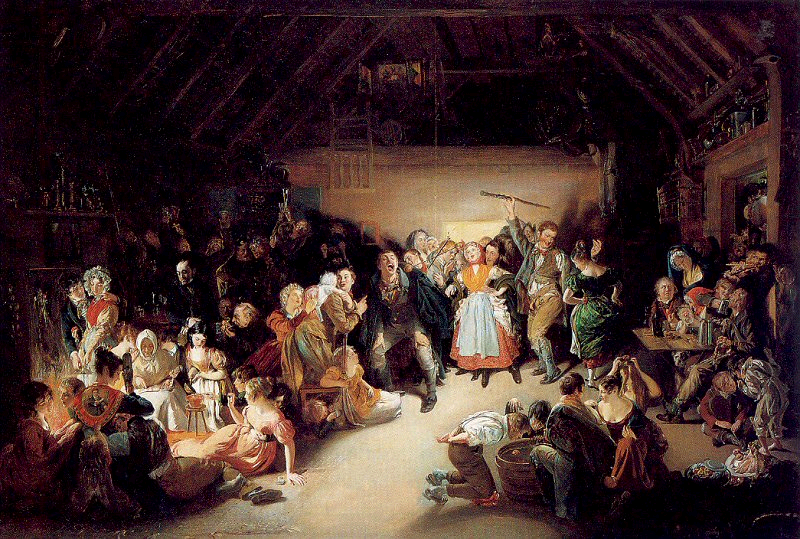 🇮🇪 Ireland and 1 moreSamhain
A Gaelic festival marking the start of winter with bonfires and ancestor feastsSeasonal · Feasts and festival meals
🇮🇪 Ireland and 1 moreSamhain
A Gaelic festival marking the start of winter with bonfires and ancestor feastsSeasonal · Feasts and festival meals
 🇮🇱 Israel and 2 moreSukkahסוכה
A temporary hut with a branch roof, lived in for the seven days of SukkotSpiritual
🇮🇱 Israel and 2 moreSukkahסוכה
A temporary hut with a branch roof, lived in for the seven days of SukkotSpiritual