Royal, civic and national ceremonyEuropeSecular and civic
Internet Day
In its own language: Día de Internet
An annual May observance dedicated to digital access, education and online community.
Internet Day is an annual observance held on May 17 to highlight digital access and the responsible use of online networks. First established in Spain in 2005, it is now marked across several Latin American countries through educational forums, community workshops, debates and digital awards ceremonies.
When is Internet Day kept?
Internet Day is kept on annually on May 17.
Internet Day is an annual civic observance held on May 17 across Spain and numerous Spanish-speaking countries. Conceived in 2005 by the Spanish Association of Internet Users, the day raises awareness about the benefits of online technology and aims to narrow the digital divide. Civic groups, schools and public institutions take part by holding community gatherings, discussions, award presentations and workshops that encourage open and informed access for all citizens.
Origins and history
The observance originated in Spain through a proposal by the Association of Internet Users. Its first edition took place on October 25, 2005, featuring hundreds of events across thirty-one provinces and more than eight thousand locations. Later that year, the World Summit on the Information Society met in Tunis and recommended a global celebration to the United Nations. In March 2006, the United Nations General Assembly officially designated May 17 as World Telecommunication and Information Society Day. Since then, the date has united grassroots organizers and international institutions every year.
Activities and awards
In Spain, the observance involves a network of organizing bodies, sponsor groups and social promoters. A central debate takes place annually in the Spanish Senate, bringing together digital specialists to examine current technological themes. Organizers also present the Internet Prizes to acknowledge outstanding contributors and innovative online projects. In Latin America, regional user associations host virtual forums and interactive sessions. For instance, in Chile, the Internauta group presents awards for social technology initiatives and coordinates geek cinema screenings, digital correspondent training and volunteer academies.
Regional reach and impact
Participation quickly expanded across the Americas after 2005. Chile became the first Latin American country to establish its own national programme. In Argentina, participants join both live and virtual gatherings featuring panels with local and global specialists. Bolivian groups host discussions regarding digital achievements, especially in the context of high connectivity costs and lower network speeds. Coordinated efforts also take place in Colombia, Mexico, Peru, Ecuador, El Salvador and Venezuela, where non-profit bodies and civic groups organise events to promote broader public knowledge of telecommunications.
How Internet Day is kept
On May 17, government bodies, non-profit associations, schools and enterprises organize independent public activities. To participate officially, events must promote access to the information society and register on the central initiative website. Activities include policy debates in public chambers, expert live chats, technical workshops and film screenings. Organizations in several countries also hold ceremonies to confer awards on individuals and organizations that have created noteworthy digital tools or advanced online literacy.
When and where
The observance takes place annually on May 17. While the initial Spanish event occurred in late October 2005, organizers aligned subsequent dates with the United Nations declaration for World Telecommunication and Information Society Day.
Internet Day is celebrated across Spain and throughout Latin America, including Chile, Colombia, Argentina, Bolivia, Peru, Ecuador, Mexico, El Salvador, Uruguay, Paraguay and Venezuela. It is also observed through virtual events open to international participants.
What Internet Day means
The day represents the civic idea that digital technology should serve society and enhance living standards for everyone. It emphasizes overcoming the digital divide, making communications accessible to all social groups, and fostering a responsible, collaborative online environment where people can share knowledge and participate freely.
Questions people ask about Internet Day
When is Internet Day kept?
Internet Day is kept on annually on May 17.
What is Internet Day?
Internet Day is an annual civic observance created to promote the benefits of communication technologies, encourage digital literacy, and widen public access to the internet.
Where did the tradition start?
It was launched in Spain in 2005 by the Association of Internet Users. Chile soon became the first country in Latin America to adopt the observance.
What events take place on the day?
Institutions host debates, expert conferences, student workshops and award presentations that honour positive online initiatives, with major events held in civic venues and online.
See also
 Arbor DayAn annual secular observance dedicated to planting and caring for trees around the world
 Workers' Memorial DayAn annual day remembering people killed, injured, or made ill by their work
 Water Tribunal of the plain of ValenciaA weekly outdoor gathering of Valencian farmers settling irrigation disputes by word of mouth
 Armed Forces DayA civic holiday honouring national military services, their history and active personnel
Good reading and sources
- Internet Day on WikipediaEncyclopedia
- More photos on Wikimedia CommonsPhotos and video
- Wikidata recordOpen data
The facts on this page come from the Wikipedia article "Internet Day", written by its contributors and used under the CC BY-SA 4.0 licence, and from its Wikidata record (CC0). EveryParampara rewrote the text in its own words, with AI assistance, and compares every page with the article to make sure no passage is copied. It may be reused under the same CC BY-SA 4.0 licence with a link back.
It may contain mistakes. Traditions differ from one family, village and community to the next, and the people who keep them know them best. If something is wrong, tell us. Last refreshed 2026-10-06.
More from Spain
All the traditions of Spain
🇪🇸 Spain and 5 moreArbor Day
An annual secular observance dedicated to planting and caring for trees around the worldCeremony
🇪🇸 Valencia, SpainWater Tribunal of the plain of ValenciaTribunal de les Aigües de la Vega de València
A weekly outdoor gathering of Valencian farmers settling irrigation disputes by word of mouthCeremony
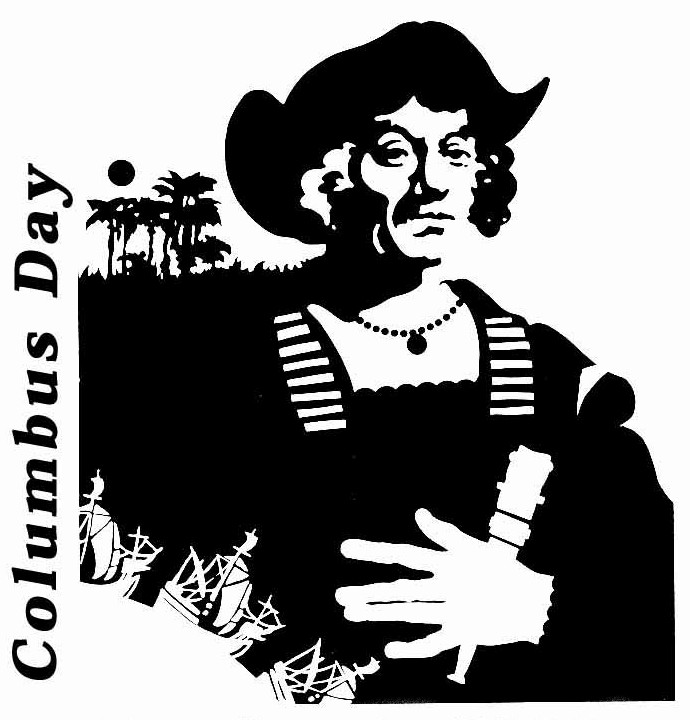 🇺🇸 United States and 5 moreColumbus Day
An annual autumn holiday marking the 1492 arrival of Christopher Columbus in the AmericasCeremony
🇨🇦 Canada and 5 moreWorkers' Memorial Day
An annual day remembering people killed, injured, or made ill by their workCeremony
🇺🇸 United States and 5 moreColumbus Day
An annual autumn holiday marking the 1492 arrival of Christopher Columbus in the AmericasCeremony
🇨🇦 Canada and 5 moreWorkers' Memorial Day
An annual day remembering people killed, injured, or made ill by their workCeremony
The same idea elsewhere
All of this kind 🇺🇸 Philadelphia, United States and 1 moreIndependence Day
The United States' national day of parades, barbecues and fireworks, kept each July 4Ceremony
🇺🇸 Philadelphia, United States and 1 moreIndependence Day
The United States' national day of parades, barbecues and fireworks, kept each July 4Ceremony
 🇺🇸 Washington, United StatesState of the Union address
The US president's yearly report to Congress and the nation, given in the House chamberCeremony
🇺🇸 Washington, United StatesState of the Union address
The US president's yearly report to Congress and the nation, given in the House chamberCeremony
 🇮🇳 Kolkata, IndiaJana Gana Mana
India's national anthem, from a Bengali hymn of 1911, sung at civic occasionsCeremony
🇮🇳 Kolkata, IndiaJana Gana Mana
India's national anthem, from a Bengali hymn of 1911, sung at civic occasionsCeremony
 🇺🇸 United StatesTalking stick
A carved staff that shows who may speak at a Northwest Coast gatheringCeremony
🇺🇸 United StatesTalking stick
A carved staff that shows who may speak at a Northwest Coast gatheringCeremony