🇧🇴 Traditions of Bolivia
21 traditions from Bolivia, best known first, across 9 cities and towns.
Bolivian traditions blend ancient Andean roots with colonial influences, creating a unique cultural identity. People mark the year through vibrant festivals that mix pagan rites and Catholic observances. Daily life revolves around staple foods like maize and potatoes, while music and dance express both indigenous heritage and mestizo history.
In Bolivia, living traditions weave together pre-Columbian ancestry and Spanish colonial history. Indigenous communities maintain ancient rituals alongside Catholic feast days, preserving a distinct cultural fabric. The arts reflect this fusion, from baroque architecture to folk dances that celebrate both native and European roots. Food centers on local staples, while clothing signals pride in ancestral identity across the highlands and lowlands.
The year and its festivals
Indigenous Bolivians observe religious festivals that incorporate pagan rites from the pre-Columbian era. These celebrations often feature clothing reminiscent of ancient ancestors and sixteenth-century Spaniards. The annual carnival of Oruro stands as one of South America's great folkloric events. Other significant gatherings include the Anata Andina and the Pujllay carnival at Tarabuco. Fertility rites known as Tinku take place in Macha every third of May. Communities also honor Dia de los Muertos, blending remembrance with local customs to mark the passage of time.
Faith and ritual
Religious practice in Bolivia merges indigenous beliefs with Catholic traditions brought by colonizers. Many festivals retain elements of pre-Columbian spirituality, reflecting a deep connection to the land and ancestors. Artisans create sacred objects using techniques passed down through generations. Colonial religious art evolved into a distinctive Mestizo Baroque style, combining European forms with local craftsmanship. This synthesis appears in sculptures, paintings, and architectural details found throughout the country, serving as focal points for community worship and celebration.
Dress and identity
Andean women of indigenous descent wear the pollera, a pleated skirt, along with a bowler hat and a silky manta shawl. This attire, called de pollera, was once imposed by colonial authorities but is now worn with pride. Women who dress this way are known as mujeres de pollera. Highland men typically wear ponchos and sandals, maintaining traditional garments. In contrast, non-indigenous people and those in the lowlands adopt globalized Western clothing like jeans and t-shirts. Dress choices thus signal cultural affiliation and regional belonging within Bolivian society.
Music and dance
Bolivian folk music and dance combine native and European elements, creating distinctive regional styles. Caporales has become the most popular dance, spreading from the Highlands to the Lowlands and beyond. Traditional instruments include the sicus, tarka, pinkillo, zampoña, charango, and quena. Music accompanies festivals and dances, often featuring strong Spanish influences alongside indigenous rhythms. Colonial religious music has also been recovered and performed internationally, showcasing the depth of this artistic heritage. These performances keep historical narratives alive through movement and sound.
The table and what is eaten
Bolivian cuisine combines Spanish ingredients with native staples like maize, potatoes, and beans. Immigrants from Germany, Italy, and other regions added further layers to the culinary tradition. Meat such as beef, pork, and chicken joins rice and wheat in many dishes. A well-known specialty is the salteña, a type of empanada enjoyed widely. Meals reflect the country's agricultural base and historical exchanges, offering a taste of both ancient Andean farming and colonial introductions.
The facts in this overview come from the Wikipedia article "Culture of Bolivia", written by its contributors and used under the CC BY-SA 4.0 licence. EveryParampara rewrote the text in its own words, with AI assistance, and compares every page with the article to make sure no passage is copied. It may be reused under the same CC BY-SA 4.0 licence with a link back.
The table in Bolivia
Foods and drinks by the moment they belong to.
| Tea, coffee and drinking ceremonies | Tereré |
|---|
Cities, towns and villages of Bolivia
 🇧🇴 Oruro, Bolivia and 3 moreMorenada
A Bolivian folk dance featuring heavy masks and rattling instruments, performed in festivals across the Andes.Performance
🇧🇴 Oruro, Bolivia and 3 moreMorenada
A Bolivian folk dance featuring heavy masks and rattling instruments, performed in festivals across the Andes.Performance
 🇦🇷 Santiago del Estero, Argentina and 1 moreChacarera
A partner dance and folk music genre from Argentina's north-west, known for its distinctive rhythm and courtship steps.Performance
🇦🇷 Santiago del Estero, Argentina and 1 moreChacarera
A partner dance and folk music genre from Argentina's north-west, known for its distinctive rhythm and courtship steps.Performance
 🇵🇪 Cusco, Peru and 4 moreIntiinti (Quechua)
The Inca sun deity, honoured with temples, offerings and the June festival Inti RaymiSpiritual
🇵🇪 Cusco, Peru and 4 moreIntiinti (Quechua)
The Inca sun deity, honoured with temples, offerings and the June festival Inti RaymiSpiritual
 🇵🇪 Peru and 2 moreAyniAyni (Quechua and Aymara)
Giving and receiving as a duty, kept by Andean communitiesEtiquette
🇦🇷 Salta, Argentina and 3 moreZamba
A graceful Argentine couple dance of circling steps and fluttering white handkerchiefsPerformance
🇵🇪 Peru and 2 moreAyniAyni (Quechua and Aymara)
Giving and receiving as a duty, kept by Andean communitiesEtiquette
🇦🇷 Salta, Argentina and 3 moreZamba
A graceful Argentine couple dance of circling steps and fluttering white handkerchiefsPerformance
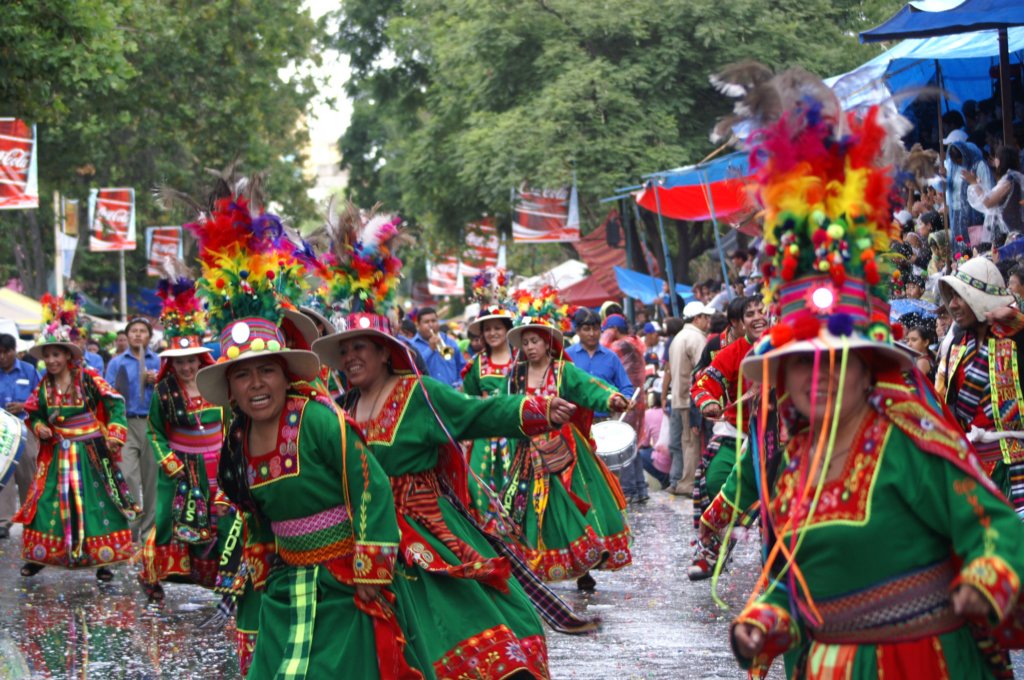 🇧🇴 Potosí, BoliviaTinku
A ritual combat and dance from northern Potosí, Bolivia, honoring Pachamama through ceremonial fighting and performance.Festival
🇧🇴 Potosí, BoliviaTinku
A ritual combat and dance from northern Potosí, Bolivia, honoring Pachamama through ceremonial fighting and performance.Festival
 🇨🇱 Santiago, Chile and 3 moreCueca
A courtship dance of Chile and the Andes where partners trace circles with handkerchiefs to mimic a rooster and hen.Performance
🇨🇱 Santiago, Chile and 3 moreCueca
A courtship dance of Chile and the Andes where partners trace circles with handkerchiefs to mimic a rooster and hen.Performance
 🇪🇸 Spain and 5 moreMidnight MassMissa in nocte
The first service of Christmas, kept late on Christmas Eve in many Western churchesSpiritual
🇪🇸 Spain and 5 moreMidnight MassMissa in nocte
The first service of Christmas, kept late on Christmas Eve in many Western churchesSpiritual
 🇧🇴 Oruro, BoliviaCarnival of OruroEl carnaval de Oruro
A Bolivian festival of masked pilgrimage dances honoring the Virgin of the MineshaftFestival
🇧🇴 Oruro, BoliviaCarnival of OruroEl carnaval de Oruro
A Bolivian festival of masked pilgrimage dances honoring the Virgin of the MineshaftFestival
 🇵🇪 Peru and 1 moreChulloch'ullu
An earflapped Andean hat in alpaca or llama wool, worn against the coldDress
🇵🇪 Peru and 1 moreChulloch'ullu
An earflapped Andean hat in alpaca or llama wool, worn against the coldDress
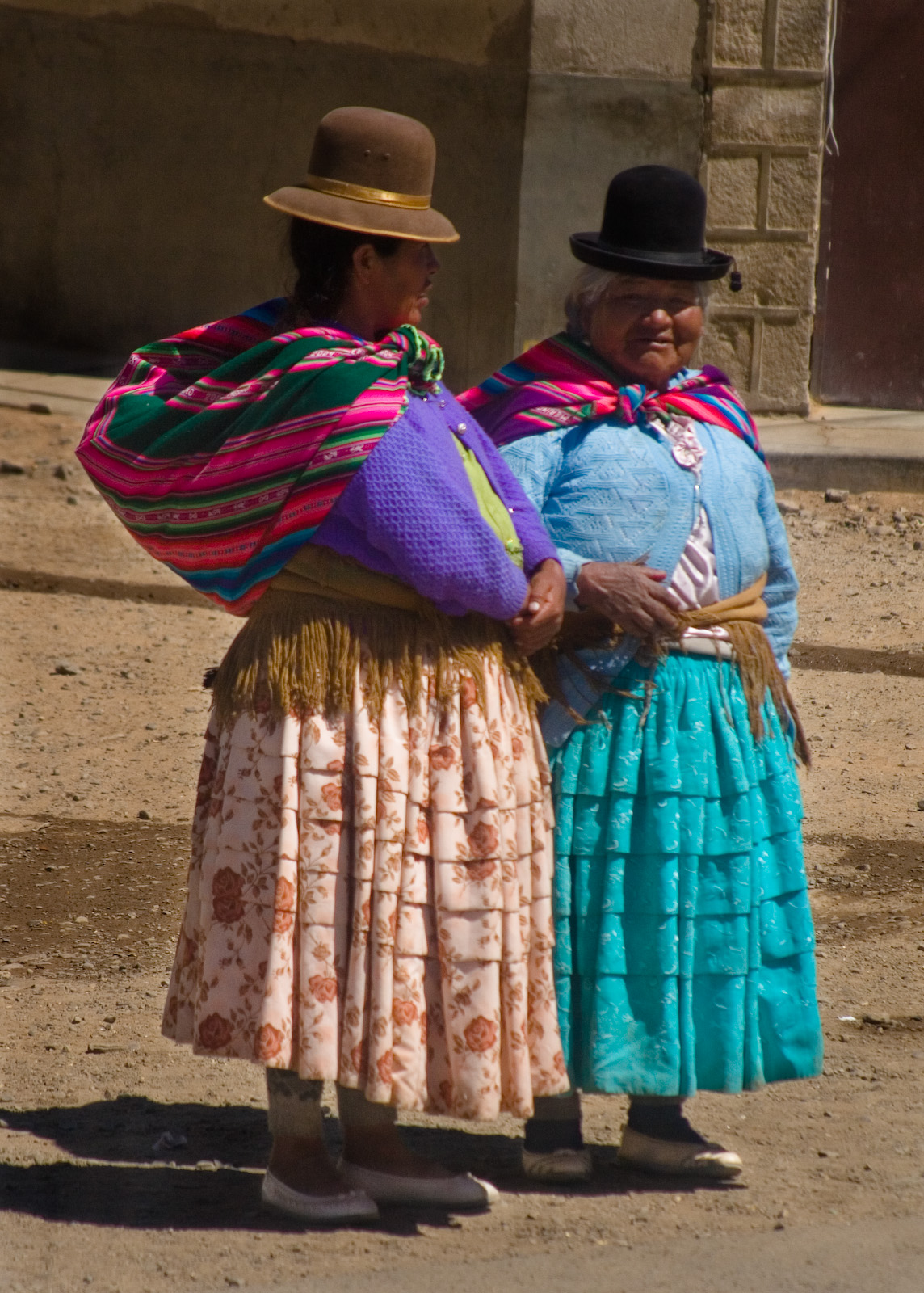 🇵🇦 Las Tablas, Panama and 2 morePollera
A handmade skirt and outfit worn in Panama, Bolivia and Peru, and a marker of identityDress
🇵🇦 Las Tablas, Panama and 2 morePollera
A handmade skirt and outfit worn in Panama, Bolivia and Peru, and a marker of identityDress
 🇧🇴 La Paz, Bolivia and 1 moreAlasitasFeria de la Alasita
A month-long Bolivian fair where people exchange miniatures to invite good fortuneFestival
🇧🇴 La Paz, Bolivia and 1 moreAlasitasFeria de la Alasita
A month-long Bolivian fair where people exchange miniatures to invite good fortuneFestival
 🇧🇴 Oruro, Bolivia and 3 moreDiabladaDanza de los Diablos
An Andean masked dance depicting a battle between devils and the Archangel MichaelPerformance
🇧🇴 Oruro, Bolivia and 3 moreDiabladaDanza de los Diablos
An Andean masked dance depicting a battle between devils and the Archangel MichaelPerformance
 🇧🇴 Tiwanaku, Bolivia and 2 moreWillkakuti
An Aymara new year at the June solstice, marking the sun's returnSeasonal
🇧🇴 Tiwanaku, Bolivia and 2 moreWillkakuti
An Aymara new year at the June solstice, marking the sun's returnSeasonal
 🇧🇴 La Paz, Bolivia and 1 moreEkekoIqiqu
A small figurine of abundance kept in Andean homes and carried at the Alasitas fair to invite prosperity.Spiritual
🇧🇴 La Paz, Bolivia and 1 moreEkekoIqiqu
A small figurine of abundance kept in Andean homes and carried at the Alasitas fair to invite prosperity.Spiritual
 🇵🇾 Paraguay and 3 moreTereré
Paraguay's cold yerba mate drink, passed around in one cup with a metal strawTable custom · Tea, coffee and drinking ceremonies
🇺🇸 New York, United States and 5 moreWorld Religion Day
An annual day in January dedicated to spiritual unity and harmony across all faiths.Spiritual
🇪🇸 Spain and 5 moreInternet DayDía de Internet
An annual May observance dedicated to digital access, education and online community.Ceremony
🇵🇾 Paraguay and 3 moreTereré
Paraguay's cold yerba mate drink, passed around in one cup with a metal strawTable custom · Tea, coffee and drinking ceremonies
🇺🇸 New York, United States and 5 moreWorld Religion Day
An annual day in January dedicated to spiritual unity and harmony across all faiths.Spiritual
🇪🇸 Spain and 5 moreInternet DayDía de Internet
An annual May observance dedicated to digital access, education and online community.Ceremony
 🇧🇴 San Ignacio de Moxos, BoliviaIchapekene Piesta
A four-day festival of dance, feathers and procession in San Ignacio de Moxos, BoliviaFestival
🇧🇴 San Ignacio de Moxos, BoliviaIchapekene Piesta
A four-day festival of dance, feathers and procession in San Ignacio de Moxos, BoliviaFestival
 🇵🇪 Peru and 5 moreMinka
Shared unpaid work for community projects and for families who need many handsCeremony
🇵🇪 Peru and 5 moreMinka
Shared unpaid work for community projects and for families who need many handsCeremony
 🇵🇾 Ypacaraí, Paraguay and 5 moreFestival of the Lake YpacaraíFestival del Lago Ypacaraí
A Paraguayan folk festival celebrating national music, dance and poetry at the shores of Lake Ypacaraí.Festival
🇵🇾 Ypacaraí, Paraguay and 5 moreFestival of the Lake YpacaraíFestival del Lago Ypacaraí
A Paraguayan folk festival celebrating national music, dance and poetry at the shores of Lake Ypacaraí.Festival
Photo credits on this page
The small pictures above come from Wikimedia Commons under free licences. Some are cropped to fit.
- Inti: Felipe Guaman Poma de Ayala, Public domain, source
- Carnival of Oruro: Pame82s, CC BY-SA 4.0, source
- Alasitas: Ener6, CC BY-SA 4.0, source
- Ayni: Sr raleigh, CC BY-SA 4.0, source
- Diablada: Elemaki, CC BY 3.0, source
- Cueca: Manuel Antonio Caro, Public domain, source
- Midnight Mass: Atleett, CC0, source
- Tinku: CassandraW1, CC BY 2.0, source
- Chullo: El archivo fue elegido de manera aleatoria sin uso necesario de su lic, Public domain, source
- Morenada: Alfredobi, CC BY 3.0, source
- Chacarera: Pflatau, CC BY-SA 4.0, source
- Pollera: Pedro Szekely, CC BY 2.0, source
- Willkakuti: Tuco Quispe, CC BY-SA 3.0, source
- Ekeko: Ciudades, CC BY-SA 4.0, source
- Tereré: Genialnico, CC BY-SA 4.0, source
- Ichapekene Piesta: Viaje al corazón de Bolivia, CC BY 2.0, source
- Minka: Tobias Deml, CC BY-SA 4.0, source
- Festival of the Lake Ypacaraí: Level4, CC BY-SA 3.0, source