Crafts and makingEuropeChristian
Saint Casimir's Fair
In its own language: Kaziuko mugė
A spring craft market and folk celebration across the historic streets of Vilnius

Saint Casimir's Fair is an annual Lithuanian gathering of makers, musicians and merchants dating back to the early seventeenth century. Held in Vilnius around the fourth of March, the three-day street market fills historic squares with traditional woodcrafts, woven palms, gingerbread hearts and festive foods.
When is Saint Casimir's Fair marked?
Saint Casimir's Fair is kept as part of Palm Sunday, which is on Sunday, 21 March 2027.
Saint Casimir's Fair is an annual craft and cultural festival held in Lithuania at the start of March. Originating in the seventeenth century to honor the patron saint of Lithuania, the event fills the streets of Vilnius with hundreds of makers, musicians, and performers. Visitors explore stalls offering hand-carved wood, pottery, woven goods, decorated gingerbreads, and colourful dried-flower palms.
Origins across centuries
St. Casimir was canonized in 1602. Local merchants established a market alongside celebrations for his feast day. In 1827, city authorities granted permission to gather in Vilnius Cathedral Square. The market relocated several times, including moves to Lukiškės Square in 1901 and Kalvarijos Market during Soviet rule. In 1991, the event returned to the Old Town. It has since grown across Gediminas Avenue, Cathedral Square, Pilies Street, and along the Vilnia River toward the Tymas Quarter. Except for pauses during World War II and a temporary digital format during the pandemic, the gathering has taken place continuously.
Easter palms and sweet hearts
Two handcrafted items define the fair: decorated palms and gingerbread hearts. Known as verbos, the tall rods are tightly bound with up to one hundred and fifty varieties of dried wild plants and flowers. Traditionally blessed on Palm Sunday, they serve as enduring symbols of spring. Making verbos requires painstaking effort, and locating suitable herbs or vibrant dyes has become increasingly rare. Alongside these florals, bakers present the Casimir's Heart. These heart-shaped gingerbread biscuits are decorated with sugary names, birds, and floral patterns. Buyers often gift them to relatives or bring them home to friends who could not attend the festivities.
Artisans, food, and music
The three-day fair gathers thousands of regional woodcarvers, potters, blacksmiths, knitters, and wicker weavers from across Lithuania and neighbouring Baltic countries. Beside handmade utensils, footwear, toys, and textiles, open-air vendors offer traditional Lithuanian foods. Visitors snack on crusty rye bread, ring-shaped bubliks, raw honey, and bright sweets, washed down with beer or fermented gira. Throughout the city streets, live musical ensembles, folk dancers, and theatrical acts perform for the crowds. The tradition has also expanded beyond Vilnius to towns such as Kaunas, Alytus, and Klaipėda, as well as Polish and Belarusian cities.
How Saint Casimir's Fair is kept
Over a three-day weekend from Friday to Sunday, artisans and merchants set up stalls across the streets of central Vilnius. Woodworkers, potters, and weavers present handmade wares alongside rows of traditional foods like rye loaves, honey, and gira. Shoppers browse colourful verbos woven from dried flowers and purchase decorated gingerbread hearts for loved ones. Meanwhile, street musicians, folk dance groups, and theatrical troupes stage performances along the market routes, drawing hundreds of thousands of visitors through the historic avenues.
When and where
The fair takes place every year during the weekend nearest to 4 March, which marks the feast day of Saint Casimir and the anniversary of his death. Celebrations begin on Friday and conclude on Sunday.
The main fair takes place across the Old Town and central avenues of Vilnius, Lithuania. Similar gatherings are held in other Lithuanian cities like Kaunas, Klaipėda, and Alytus, as well as in Poland, Belarus, and overseas community halls.
What Saint Casimir's Fair means
The fair began as a civic and religious observance honoring Saint Casimir following his canonization. Over time, items sold at the market took on their own meanings. The dried-flower verbos carry religious significance for Palm Sunday while welcoming the return of spring. The Casimir's Heart gingerbread expresses affection between family and friends, acting as a warm token for those unable to visit the fair in person.
On the table
- Rye bread
- Bubliks
- Gingerbread
- Honey
- Beer
- Gira
- Hard candy

Days Saint Casimir's Fair is marked
Questions people ask about Saint Casimir's Fair
When is Saint Casimir's Fair marked?
Saint Casimir's Fair is kept as part of Palm Sunday, which is on Sunday, 21 March 2027.
What is Saint Casimir's Fair?
Saint Casimir's Fair, known locally as Kaziuko mugė, is an annual Lithuanian folk arts and crafts festival. Originating in the seventeenth century, it brings thousands of artisans, performers, and food vendors together for a lively three-day street market.
What is a verba?
A verba is a traditional Easter palm made by weaving colourful dried herbs and wild flowers around a wooden stick. Traditionally brought to church on Palm Sunday, it has become a cherished symbol of spring at the fair.
What is the significance of the gingerbread heart?
The Casimir's Heart is a signature gingerbread cookie iced with names, zigzags, and floral motifs. Fairgoers buy these sweet treats to give to loved ones or to bring home for family members who could not attend.
See also
 Mother's DayA worldwide annual celebration dedicated to mothers, maternal bonds and family care
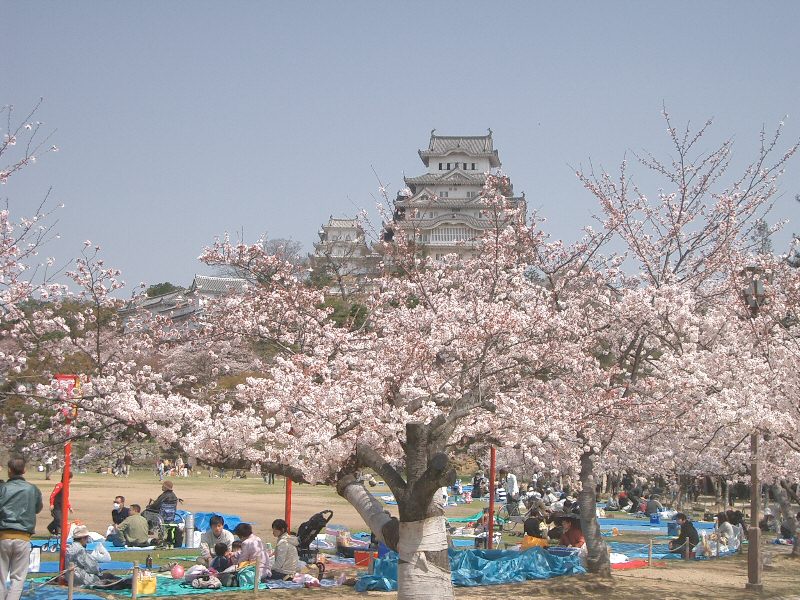 HanamiA Japanese spring custom of gathering under blooming cherry trees to eat, drink, and celebrate the fleeting beauty of th
 Groundhog DayA February ritual where communities watch a groundhog emerge to predict the length of winter.
 LosarThe Tibetan Buddhist New Year festival of renewal, offerings, and family feasts
Good reading and sources
- Kaziuko mugė on WikipediaEncyclopedia
- More photos on Wikimedia CommonsPhotos and video
- Wikidata recordOpen data
The facts on this page come from the Wikipedia article "Kaziuko mugė", written by its contributors and used under the CC BY-SA 4.0 licence, and from its Wikidata record (CC0). EveryParampara rewrote the text in its own words, with AI assistance, and compares every page with the article to make sure no passage is copied. It may be reused under the same CC BY-SA 4.0 licence with a link back.
It may contain mistakes. Traditions differ from one family, village and community to the next, and the people who keep them know them best. If something is wrong, tell us. Last refreshed 2026-10-04.
More from Lithuania
All the traditions of Lithuania 🇱🇹 LithuaniaLithuanian cross craftingLietuvos kryždirbystė
A Lithuanian folk art of carving wooden crosses that blend Christian faith with ancient Baltic symbols.Craft
🇱🇹 LithuaniaLithuanian cross craftingLietuvos kryždirbystė
A Lithuanian folk art of carving wooden crosses that blend Christian faith with ancient Baltic symbols.Craft
 🇬🇧 United Kingdom and 5 moreEgg rolling
A spring game of rolling decorated hard-boiled eggs down hills or along lawnsGame
🇬🇧 United Kingdom and 5 moreEgg rolling
A spring game of rolling decorated hard-boiled eggs down hills or along lawnsGame
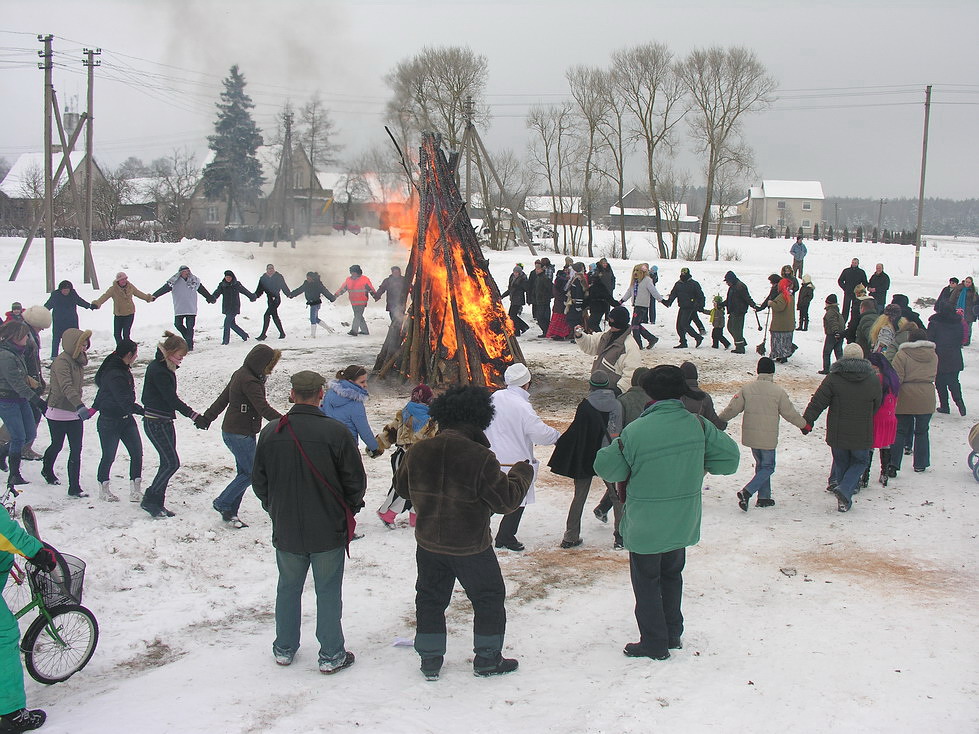 🇱🇹 LithuaniaUžgavėnės
A Lithuanian winter-ending festival of masks, mock battles and pancakesFestival
🇱🇹 LithuaniaUžgavėnės
A Lithuanian winter-ending festival of masks, mock battles and pancakesFestival
 🇱🇹 Lithuania and 5 moreNativity of John the Baptist
A Christian feast day on June 24 that marks the birth of John the Baptist and anticipates Christmas.Festival
🇱🇹 Lithuania and 5 moreNativity of John the Baptist
A Christian feast day on June 24 that marks the birth of John the Baptist and anticipates Christmas.Festival
The same idea elsewhere
Spring and renewal compared
🇺🇸 United States and 5 moreMother's Day
A worldwide annual celebration dedicated to mothers, maternal bonds and family careHome
 🇮🇷 Iran and 7 moreNowruzنوروز
The Iranian new year at the March equinox, kept with fire, greenery and picnicsSeasonal
🇮🇷 Iran and 7 moreNowruzنوروز
The Iranian new year at the March equinox, kept with fire, greenery and picnicsSeasonal
 🇮🇱 Jerusalem, IsraelPassoverפסח
A Jewish spring festival celebrating freedom from slavery with ritual mealsSpiritual · Dinner
🇮🇱 Jerusalem, IsraelPassoverפסח
A Jewish spring festival celebrating freedom from slavery with ritual mealsSpiritual · Dinner
 🇮🇳 Mathura, India and 5 moreHoliहोली (Hindi)
A spring festival of colours and bonfires that marks the end of winter and the triumph of good over evil.Festival
🇮🇳 Mathura, India and 5 moreHoliहोली (Hindi)
A spring festival of colours and bonfires that marks the end of winter and the triumph of good over evil.Festival