Lacemaking in Croatia
In its own language: Čipkarstvo u Hrvatskoj
Hand-worked lace in three styles, kept in Croatian towns from the coast to the north

A Croatian hand craft in which thread becomes lace: worked with a needle in Pag, with bobbins in Lepoglava, and with fibre pulled from agave leaves on Hvar. The tradition goes back to the Renaissance, and UNESCO listed it as intangible cultural heritage in 2009.
When is Lacemaking in Croatia kept?
Lacemaking in Croatia is kept on the craft is worked all year round, and there is no season attached to it. Its one fixed date in the calendar is the international lace fest.
Lacemaking in Croatia is a living craft, worked by hand in a few towns and villages along the coast and inland. Needle, bobbin and agave-thread laces each grew up in their own place, with patterns passed from one maker to the next. UNESCO listed the practice in 2009 as intangible cultural heritage, honouring skills that makers have kept going for generations.
What it is
Croatian lacemaking covers three separate hand techniques, each tied to one place. In Pag, a needle draws thread into geometric motifs and web-like filling. In Lepoglava, bobbins are used to work thread into a tight, close fabric of stylised flowers, animals and shapes. On Hvar, the thread itself is unusual: it is drawn from agave leaves grown on the island. Makers use white flax or cotton for the northern lace, and the pieces come in many sizes and shapes. Croatian lace is known for patterns that belong to its own tradition rather than copied from elsewhere, and the craft is passed on by teaching, one maker to the next.
Origins and history
Lacemaking arrived in this region in the Renaissance, a period when the craft was spreading around the Mediterranean and through continental Europe. Over the following centuries, work from Croatia became known for patterns and designs of its own. Lepoglava is the youngest of the three traditions: bobbin lace production there began near the end of the 19th century. The years between the two World Wars are remembered as its golden age, when pieces were sent to international exhibitions and did well, winning a gold medal in Paris in 1937 and a bronze in Berlin two years afterwards. UNESCO added lacemaking in Croatia to its intangible cultural heritage list in 2009.
Pag and Hvar lace
Pag lace is worked with a needle. The maker builds geometric patterns and filling that looks like a spider's web, and the finished piece is firm. Unlike other Croatian laces it can be washed. In Pag the craft is still worked in the old way, and a school has been opened there so the method continues. Hvar lace is also called aloe lace. Its thread comes from agave leaves that grow on the island. The leaves are cut at a particular point in the year and then treated to give a thin white thread. Only one group makes Hvar lace: the Benedictine nuns of the town.
Bobbin lace in Lepoglava
Lepoglava lace is bobbin lace, worked closely so the pattern holds together. Its motifs are stylised, mixing geometry with plants and animals. The thread is flax or cotton and always white, and the pieces are made in a range of sizes and shapes. The town's lacemaking began in the late 19th century. Its best years came between the two world wars, when entries were sent to international exhibitions: a gold medal in Paris in 1937, then a bronze in Berlin two years later. Since then Lepoglava has held an international lace festival every September, a gathering in honour of the town's lacemaking culture.
Today and change
Four places carry the craft now. Alongside Pag, Hvar and Lepoglava, lace is made in Sveta Marija, a village in Međimurje County. Each centre keeps its own technique, and teaching continues: Pag's school is one example, and the Lepoglava festival gives makers a date in the year to meet and show work. UNESCO's 2009 decision, taken at the fourth session of its committee, added Croatian lacemaking to the representative list of intangible cultural heritage. The listing records skills that people still practise and pass on.
How Lacemaking in Croatia is kept
Pag lace is worked with a needle, building geometric motifs and web-like filling into a piece that stays firm and can be washed. Lepoglava lace is bobbin lace, tightly worked in white flax or cotton, with shapes taken from plants, animals and geometry. Hvar lace uses thread from agave leaves, and only one group makes it: the Benedictine nuns of the town. Teaching is part of the practice, with a school in Pag, and Lepoglava's September festival brings makers together every year.
When and where
Lace is made through the year, so there is no single date. Every September, though, Lepoglava holds an international lace festival, the annual gathering point for the craft. Agave leaves for Hvar lace are cut at a particular time of year before being processed into thread.
Croatia is the home of this craft, and four places are named as its centres. Pag and Hvar are Adriatic towns. Lepoglava lies in the northern part of the country. Sveta Marija is a village in Međimurje County. Each centre works in its own method and has its own look.
What Lacemaking in Croatia means
Lace carries the mark of a place and the hands that work it. Pag patterns are geometric and web-like. Lepoglava pieces show stylised plants and animals. Hvar's white thread comes from plants growing on the island itself. The 2009 UNESCO listing names the practice as intangible cultural heritage of humanity, which records the knowledge held by the makers.


Questions people ask about Lacemaking in Croatia
When is Lacemaking in Croatia kept?
Lacemaking in Croatia is kept on the craft is worked all year round, and there is no season attached to it. Its one fixed date in the calendar is the international lace fest.
What is lacemaking in Croatia?
It is the hand work of making lace, listed by UNESCO in 2009 as intangible cultural heritage of humanity. Three techniques are involved: needle lace in Pag, bobbin lace in Lepoglava, and lace made from agave thread on Hvar. Croatia is the country where the tradition belongs.
Where is the craft kept today?
In four places: Pag and Hvar, both coastal towns, Lepoglava in the north, and the village of Sveta Marija in Međimurje County. Pag has a school that teaches the needle technique. On Hvar, the makers are the town's Benedictine nuns.
What makes Croatian lace notable?
The sources note its own patterns and designs, worked by hand in white thread. Pag's lace is firm and can be washed, which is not true of other Croatian laces. Lepoglava lace won prizes abroad, a gold medal in Paris in 1937 and a bronze in Berlin two years later.
How old is the tradition?
Lacemaking spread around the Mediterranean and through continental Europe from the Renaissance onward, and the Croatian tradition dates from that time. Lepoglava's bobbin lace is later, beginning in the late 19th century. UNESCO recognition came in 2009.
See also
 LicitarA hand-painted honey biscuit given as a gift at weddings and on Valentine's Day
 Feast of Corpus ChristiA Christian feast celebrating the presence of Christ in the bread and wine of the Eucharist
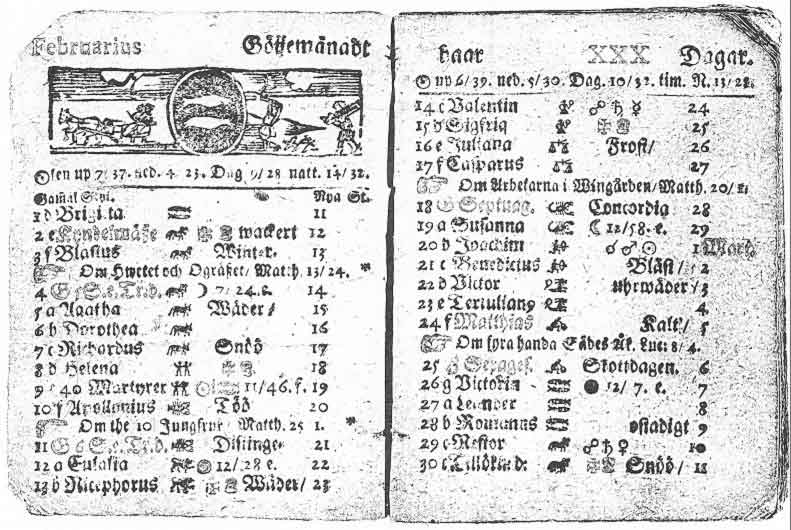 Name dayA calendar tradition where people celebrate the feast day of the saint after whom they are named.
 LinđoA circle dance from Dubrovnik played to the lijerica, where a leader sets the rhythm and calls the steps.
Good reading and sources
- Lacemaking in Croatia on WikipediaEncyclopedia
- More photos on Wikimedia CommonsPhotos and video
- Wikidata recordOpen data
The facts on this page come from the Wikipedia article "Lacemaking in Croatia", written by its contributors and used under the CC BY-SA 4.0 licence, and from its Wikidata record (CC0). EveryParampara rewrote the text in its own words, with AI assistance, and compares every page with the article to make sure no passage is copied. It may be reused under the same CC BY-SA 4.0 licence with a link back.
It may contain mistakes. Traditions differ from one family, village and community to the next, and the people who keep them know them best. If something is wrong, tell us. Last refreshed 2026-10-05.
More from Croatia
All the traditions of Croatia
🇭🇷 Zagreb, Croatia and 1 moreLicitarlicitarska srca
A hand-painted honey biscuit given as a gift at weddings and on Valentine's DayCraft · Sweets given and shared
 🇭🇷 Marija Bistrica, CroatiaWooden toys of Hrvatsko ZagorjeDrvene igračke Hrvatskog zagorja
Hand-carved wooden toys from the Zagorje hills of Croatia, painted bright by the families who make themCraft
🇪🇸 Valencia, Spain and 5 moreFeast of Corpus ChristiCorpus Domini
A Christian feast celebrating the presence of Christ in the bread and wine of the EucharistSpiritual
🇭🇷 Dubrovnik, CroatiaLinđo
A circle dance from Dubrovnik played to the lijerica, where a leader sets the rhythm and calls the steps.Performance
🇭🇷 Marija Bistrica, CroatiaWooden toys of Hrvatsko ZagorjeDrvene igračke Hrvatskog zagorja
Hand-carved wooden toys from the Zagorje hills of Croatia, painted bright by the families who make themCraft
🇪🇸 Valencia, Spain and 5 moreFeast of Corpus ChristiCorpus Domini
A Christian feast celebrating the presence of Christ in the bread and wine of the EucharistSpiritual
🇭🇷 Dubrovnik, CroatiaLinđo
A circle dance from Dubrovnik played to the lijerica, where a leader sets the rhythm and calls the steps.Performance
The same idea elsewhere
All of this kind 🇮🇷 Shiraz, Iran and 1 moreKhatamخاتم
A Persian inlay craft that builds geometric patterns from thousands of tiny cut piecesCraft
🇮🇷 Shiraz, Iran and 1 moreKhatamخاتم
A Persian inlay craft that builds geometric patterns from thousands of tiny cut piecesCraft
 🇺🇸 United States and 1 moreDreamcatcherᐊᓴᐱᑫᔒᓐᐦ (asabikeshiinh)
A hand-woven hoop from Anishinaabe tradition, hung above a cradle to protect a childCraft
🇺🇸 United States and 1 moreDreamcatcherᐊᓴᐱᑫᔒᓐᐦ (asabikeshiinh)
A hand-woven hoop from Anishinaabe tradition, hung above a cradle to protect a childCraft
 🇦🇺 AustraliaBark painting
Ochre pictures on flattened tree bark, an Aboriginal art form of northern AustraliaCraft
🇦🇺 AustraliaBark painting
Ochre pictures on flattened tree bark, an Aboriginal art form of northern AustraliaCraft
 🇯🇵 Tokyo, Japan and 1 moreBonsai盆栽
A Japanese craft of keeping small trees in shallow pots, shaped for contemplationCraft
🇯🇵 Tokyo, Japan and 1 moreBonsai盆栽
A Japanese craft of keeping small trees in shallow pots, shaped for contemplationCraft