Licitar
In its own language: licitarska srca
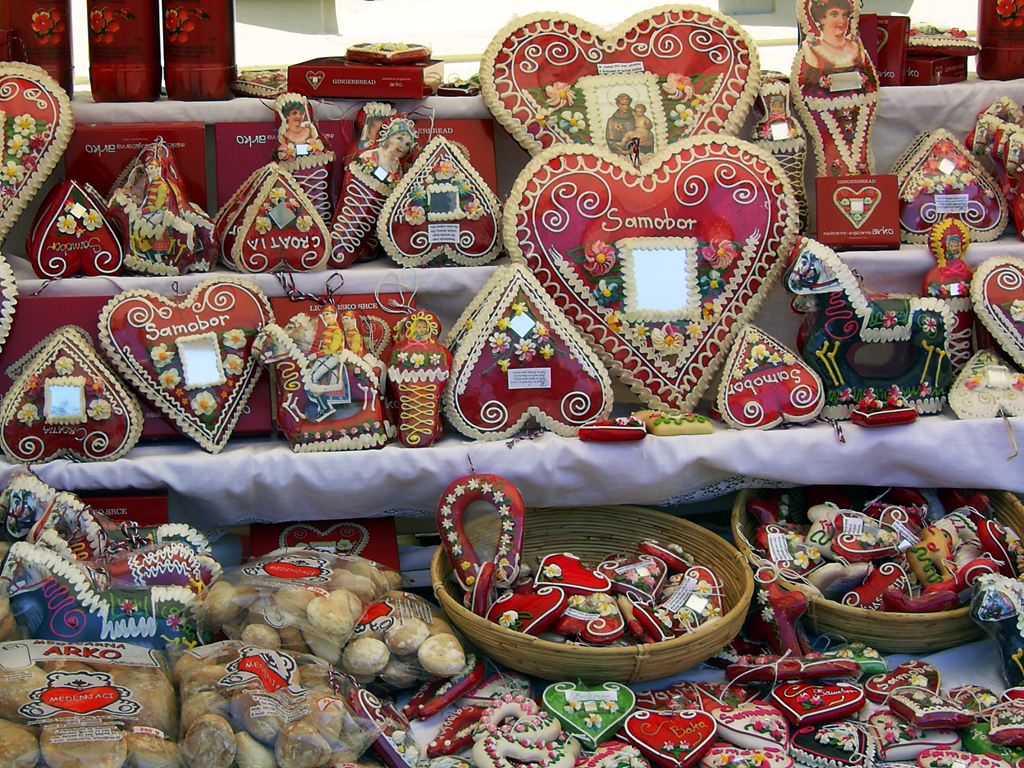
A hand-painted honey biscuit given as a gift at weddings and on Valentine's Day

Licitars are colourfully decorated biscuits made from sweet honey dough, shaped and painted by hand in northern Croatia and Slovenia. They are given as ornamental gifts, especially at weddings and on Valentine's Day, and the gingerbread craft behind them was added to UNESCO's intangible heritage list in 2010.
When is Licitar marked?
Licitar is kept as part of Valentine's Day, which is on Sunday, 14 February 2027.
A licitar is a small honey biscuit from Croatia and Slovenia, shaped by hand and painted in bright colours. It is not made to be eaten straight away but to be given: as a wedding favour, a Valentine's gift, a Christmas tree ornament or a souvenir of a pilgrimage. Bakers called Medičari have kept the craft inside families since the sixteenth century.
What it is
A licitar is a biscuit of sweet honey dough, shaped by hand and painted in bright colours and patterns. It belongs to the cultural heritage of Croatia and Slovenia and is the traditional symbol of Zagreb, the Croatian capital. What makes it unusual is its purpose. It is not brought out for a meal as a dessert is. It is an ornamental gift, offered to mark love and friendship, especially at weddings and on Valentine's Day. In 2010 UNESCO added the northern Croatian craft of gingerbread making to its list of intangible cultural heritage.
Origins and history
The craft goes back at least to the sixteenth century. Licitars were made by bakers whom society called Medičari, and their work was held in high regard. A licitar was a gift that carried weight: giving one was thought more sentimental than giving roses, and the biscuits were much sought after. The trade kept its knowledge close, and a few families still guard their methods as secrets. Licitars became widely known through the pilgrimage shrine at Marija Bistrica, near Zagreb. Pilgrims went there for the Assumption or for St Margaret's Day, and they took the biscuits home as a reminder of a long and sometimes hard journey.
Making a licitar
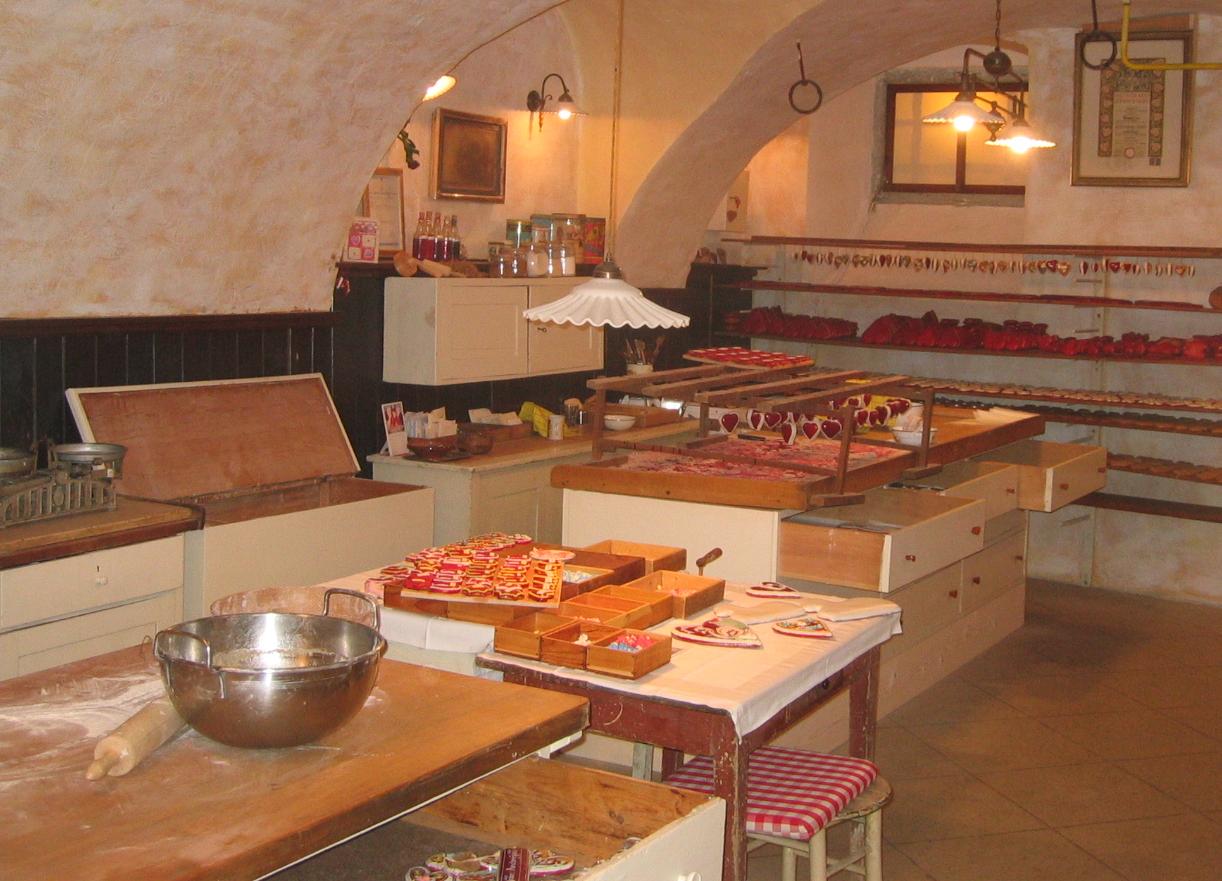
The dough itself is plain: honey, flour, water, eggs and natural colours. The waiting is what takes the time. Once mixed, the dough rests and matures for a few days. It is shaped and baked next, then left to dry for about two weeks. Painting comes after that, followed by another two weeks of drying. The decoration goes on last, and the finished biscuits dry for a final week. Every licitar is made by hand. The usual ornament is a painted line that swirls, with small flowers beside it and now and then a little mirror set in. Honey dough means the biscuit stays edible up to a certain point in the work.
Licitars today
Most licitars sold now are souvenirs. They turn up in the airports of Croatia and Slovenia and in tourist gift shops, and they hang on Christmas trees, go to wedding guests as presents, and are handed out by businesses as gifts. Occasionally they are still given as a sign of affection, though that is less common than it was. Outside the region people often call the biscuits gingerbread, even though there is no ginger in them at all. The UNESCO listing of 2010 honoured the craft rather than the biscuit, and it is the handwork of the Medičari that keeps the tradition going.
How Licitar is kept
The tradition has two halves. A few families of makers, the Medičari, keep the work by hand: the honey dough rests, is shaped and baked, dries, is painted, dries again, and is finally decorated. Then the licitars are given away. Guests at a wedding may take one home, a sweetheart may receive a heart, a Christmas tree may carry one, and travellers once bought them at a shrine to show the family what they had seen.
When and where
Licitars have no single feast day. They are made and sold through the year and come out for weddings, Valentine's Day and Christmas, when some are hung on trees. Pilgrims once bought them at the pilgrimage shrine at Marija Bistrica, which they visited for the Assumption or for St Margaret's Day.
The heart of the craft is northern Croatia, and Zagreb counts the licitar as its own symbol. Makers also work in Slovenia, where the biscuits are called lectova srca. In the past they were sold at the shrine of Marija Bistrica near Zagreb, and today they appear in airports and tourist gift shops in both countries.
What Licitar means
A licitar is a token more than a treat. In the past, giving one was thought to carry more feeling than giving roses, and at times they are still a sign of affection between people. Because they were bought at a shrine and carried home, they also held the memory of a long journey, shown to family and neighbours on return. The bright colour and simple shape do much of the work: the gift says what the giver may not.
Days Licitar is marked
Questions people ask about Licitar
When is Licitar marked?
Licitar is kept as part of Valentine's Day, which is on Sunday, 14 February 2027.
What is a licitar?
A licitar is a biscuit of sweet honey dough, shaped by hand and painted in bright colours. It comes from Croatia and Slovenia, and it is made to be given rather than eaten at a meal: an ornament, a wedding favour or a small token of affection.
Where does the tradition belong?
To northern Croatia and to Slovenia. The licitar is a symbol of Zagreb, and the craft has been practised in the region since at least the sixteenth century. UNESCO listed it in 2010 under the name Gingerbread craft from Northern Croatia.
Is a licitar the same as gingerbread?
No. People often call it gingerbread, but there is no ginger in it. The dough is made from honey, flour, eggs, water and food colouring. Its character comes from the honey and from the painted decoration, not from a spice.
Can you eat a licitar?
Sometimes. The honey dough stays edible until a certain stage of the decoration, and after that the biscuit is kept as an ornament. Many are hung on Christmas trees or kept for years rather than eaten.
See also
 KoloA South Slavic circle dance of linked hands, kept at weddings and gatherings
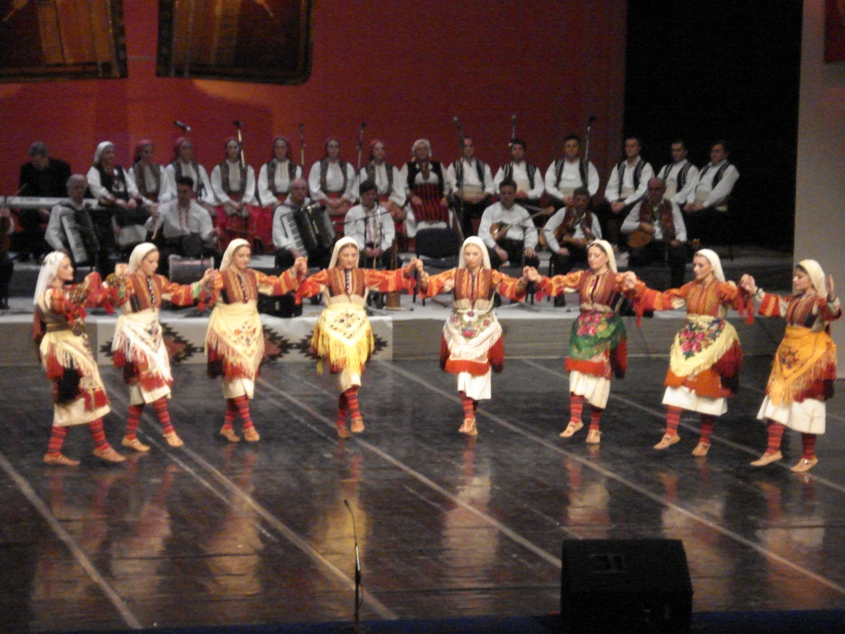 HoraA circle dance from Southeast Europe, danced at weddings and festivals
 IkatA resist-dyeing craft from Southeast Asia, where yarns are tied and dyed before weaving
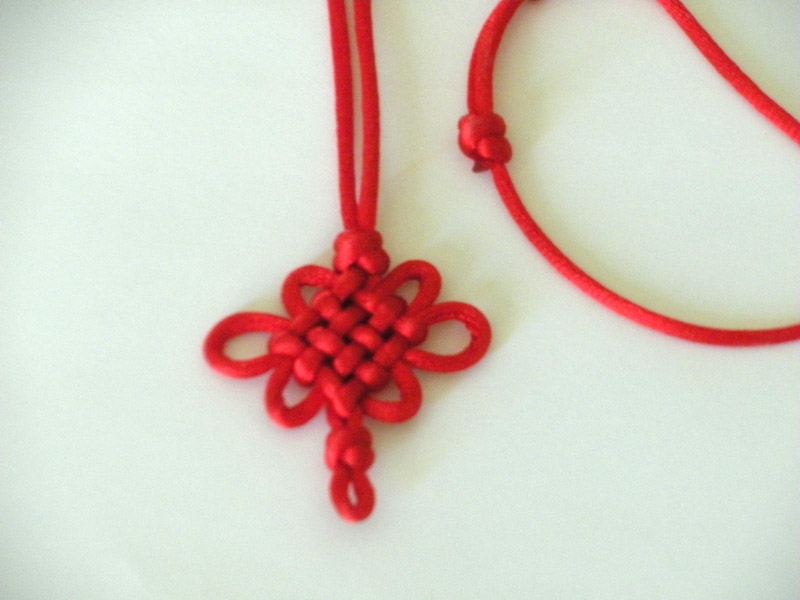 Chinese knottingA folk craft of cord tied into lucky shapes, made in China and given as charms
Good reading and sources
- Licitar on WikipediaEncyclopedia
- More photos on Wikimedia CommonsPhotos and video
- Wikidata recordOpen data
The facts on this page come from the Wikipedia article "Licitar", written by its contributors and used under the CC BY-SA 4.0 licence, and from its Wikidata record (CC0). EveryParampara rewrote the text in its own words, with AI assistance, and compares every page with the article to make sure no passage is copied. It may be reused under the same CC BY-SA 4.0 licence with a link back.
It may contain mistakes. Traditions differ from one family, village and community to the next, and the people who keep them know them best. If something is wrong, tell us. Last refreshed 2026-10-05.
More from Croatia
All the traditions of Croatia 🇭🇷 CroatiaLacemaking in CroatiaČipkarstvo u Hrvatskoj
Hand-worked lace in three styles, kept in Croatian towns from the coast to the northCraft
🇷🇴 Bucharest, Romania and 7 moreHorahoră (Romanian), хоро (Bulgarian), оро (Macedonian), הורה (Hebrew)
A circle dance from Southeast Europe, danced at weddings and festivalsPerformance
🇷🇸 Serbia and 3 moreKoloКоло
A South Slavic circle dance of linked hands, kept at weddings and gatheringsPerformance
🇭🇷 CroatiaLacemaking in CroatiaČipkarstvo u Hrvatskoj
Hand-worked lace in three styles, kept in Croatian towns from the coast to the northCraft
🇷🇴 Bucharest, Romania and 7 moreHorahoră (Romanian), хоро (Bulgarian), оро (Macedonian), הורה (Hebrew)
A circle dance from Southeast Europe, danced at weddings and festivalsPerformance
🇷🇸 Serbia and 3 moreKoloКоло
A South Slavic circle dance of linked hands, kept at weddings and gatheringsPerformance
 🇦🇱 Albania and 5 moreDodolaДодoла / Dodola
A Balkan rainmaking ritual where children dressed in greenery lead processions to call for summer showers.Festival
🇦🇱 Albania and 5 moreDodolaДодoла / Dodola
A Balkan rainmaking ritual where children dressed in greenery lead processions to call for summer showers.Festival
The same idea elsewhere
Weddings compared 🇮🇳 Kanchipuram, IndiaPanguni UthiramPaṅkuṉi Uttiram
A Tamil Hindu festival celebrating divine weddings and the virtues of married lifeSpiritual
🇮🇳 Kanchipuram, IndiaPanguni UthiramPaṅkuṉi Uttiram
A Tamil Hindu festival celebrating divine weddings and the virtues of married lifeSpiritual
 🇲🇦 Rabat, Morocco and 5 moreFantasiaالفانتازيا
A North African equestrian display of synchronized charging and simultaneous rifle fireGame
🇲🇦 Rabat, Morocco and 5 moreFantasiaالفانتازيا
A North African equestrian display of synchronized charging and simultaneous rifle fireGame
 🇧🇩 Dhaka, Bangladesh and 1 moreBaul traditionবাউল
A Bengali devotional minstrel path uniting mystic poetry, music and dancePerformance
🇧🇩 Dhaka, Bangladesh and 1 moreBaul traditionবাউল
A Bengali devotional minstrel path uniting mystic poetry, music and dancePerformance
 🇨🇳 ChinaKowtow叩頭
A traditional Chinese prostration of deep respect by kneeling and bowing to the groundEtiquette
🇨🇳 ChinaKowtow叩頭
A traditional Chinese prostration of deep respect by kneeling and bowing to the groundEtiquette