Life-cycle ritesSub-Saharan AfricaIndigenous and traditional
Dipo
An annual Ghanaian coming-of-age ceremony welcoming Krobo girls into womanhood

Dipo is an annual coming-of-age rite held every April by the Krobo people of eastern Ghana. Through sacred tests, practical schooling in domestic life, and ceremonial dances, young women mark their formal entrance into adulthood.
When is Dipo kept?
Dipo is kept on annually in April.
Dipo is a traditional rite of passage observed among the Krobo people in eastern Ghana. Held every April, the ceremony transitions young women from childhood into adulthood, confirming their maturity and readiness for marriage. Established originally by the priestess Klowεki, the custom combines spiritual cleansing, ancestral blessings, tests of chastity, and a week of practical instruction, culminating in public music, bead adornment, and celebratory dancing.
Steps of the ceremony
Messengers announce the start of the season, prompting families to bring daughters aged fifteen to twenty-five before the priests. Initiates, known as dipo-yo, have their hair shaved and wear special waist cloths. The chief priest administers a ritual bath, offers libations, and purifies their feet with goat blood to ward off infertility. Candidates must then sit upon a sacred stone to confirm their chastity, an essential requirement for remaining in the rite.
Seclusion and traditional schooling
Following the opening rites, the young women spend a week in seclusion under the guidance of elder ritual mothers. During this time, they receive detailed instruction in domestic duties, culinary skills, childcare, and sexual etiquette. Mentors also coach them in social expectations and teach them the movements of the Klama dance. This period of training aims to prepare each initiate for marital life, family management, and communal responsibilities.
Public celebration and adornment
At the end of their week of training, the initiates emerge before the whole community. They dress in fine kente fabric and layer colourful glass beads around their necks, waists, and arms. These ornaments serve as visible proof of their adult standing and readiness for courtship. Accompanied by communal drumming and singing, the young women perform the Klama dance, while prospective suitors and their relatives observe and begin customary family inquiries.
History and modern perspectives
During the nineteenth century, Basel Christian missionaries tried unsuccessfully to halt Dipo, deeming it incompatible with Christian faith. Today, Krobo society continues to discuss the rite. Some Christian members avoid it on religious grounds, while others view it as an essential cultural inheritance. Contemporary discussions also address personal privacy and traditional gender roles. In response, certain communities have adapted the practice, allowing initiates to cover their upper bodies during the public rites.
How Dipo is kept
Girls between fifteen and twenty-five gather after the season is announced. On the opening day, ritual mothers shave their heads and dress them in knee-length cloths. The chief priest pours libations, offers a cleansing bath, and touches their feet with goat blood before they sit on the sacred stone. A week of secluded education in homemaking, childrearing, and dance follows. Finally, the initiates return wearing kente cloth and waist beads to perform the Klama dance before the gathering.
When and where
The ceremony takes place every year in April. The timing is formally announced when messengers from the Dipo chief travel throughout the local communities to open the season.
Dipo is held in the Eastern Region of Ghana, primarily within Krobo communities in Odumase Krobo and the surrounding Shai areas. It gathers local families as well as large numbers of visitors.
What Dipo means
For the Krobo, Dipo marks the formal transition from girlhood into responsible adult life. The sacred stone and blood rites signify purity and protection against barrenness. The waist beads and kente cloth represent maturity, social status, and marital readiness, communicating that an initiate has gained the respect and recognition of her community.


Questions people ask about Dipo
When is Dipo kept?
Dipo is kept on annually in April.
What is the Dipo ceremony?
Dipo is an annual puberty and coming-of-age rite practised by the Krobo people in Ghana. It formally introduces young women between fifteen and twenty-five into adulthood and readiness for marriage.
Who instituted the Dipo rite?
According to Krobo tradition, the Dipo puberty rite was originally instituted by a priestess named Klowεki to spiritually cleanse young women and prepare them for adult life.
What happens during the week of seclusion?
Elder women teach the young initiates practical household management, cooking, childcare, sex education, and marital expectations. The girls also learn the traditional Klama dance during this time.
See also
 Coming of Age DayA Japanese public holiday welcoming new adults with municipal rites and celebrations
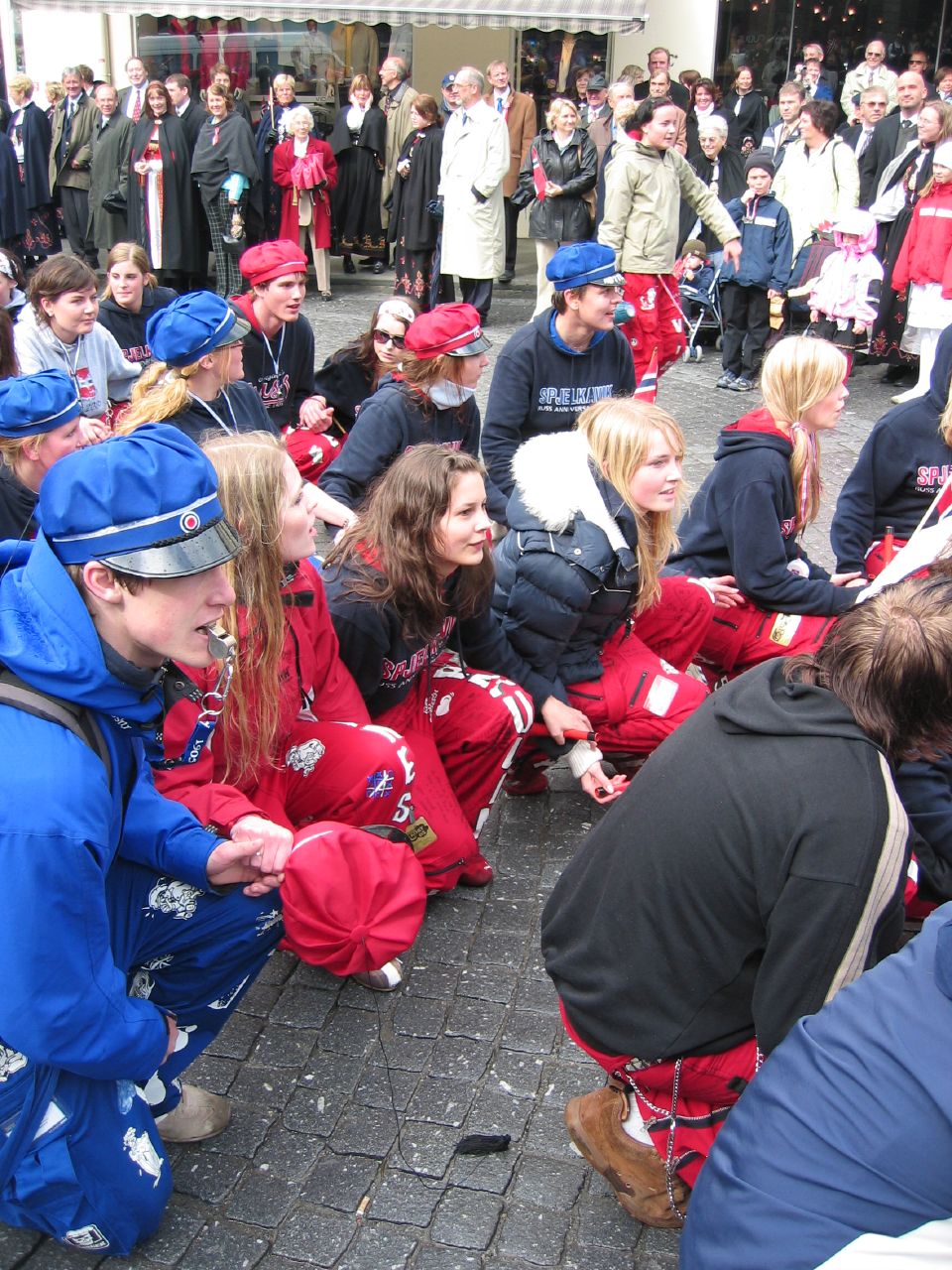 RussefeiringA spring graduation rite of passage for Norwegian secondary school studentsWalkaboutA rite of passage involving travel through the Australian landscape to learn ancestral lore.
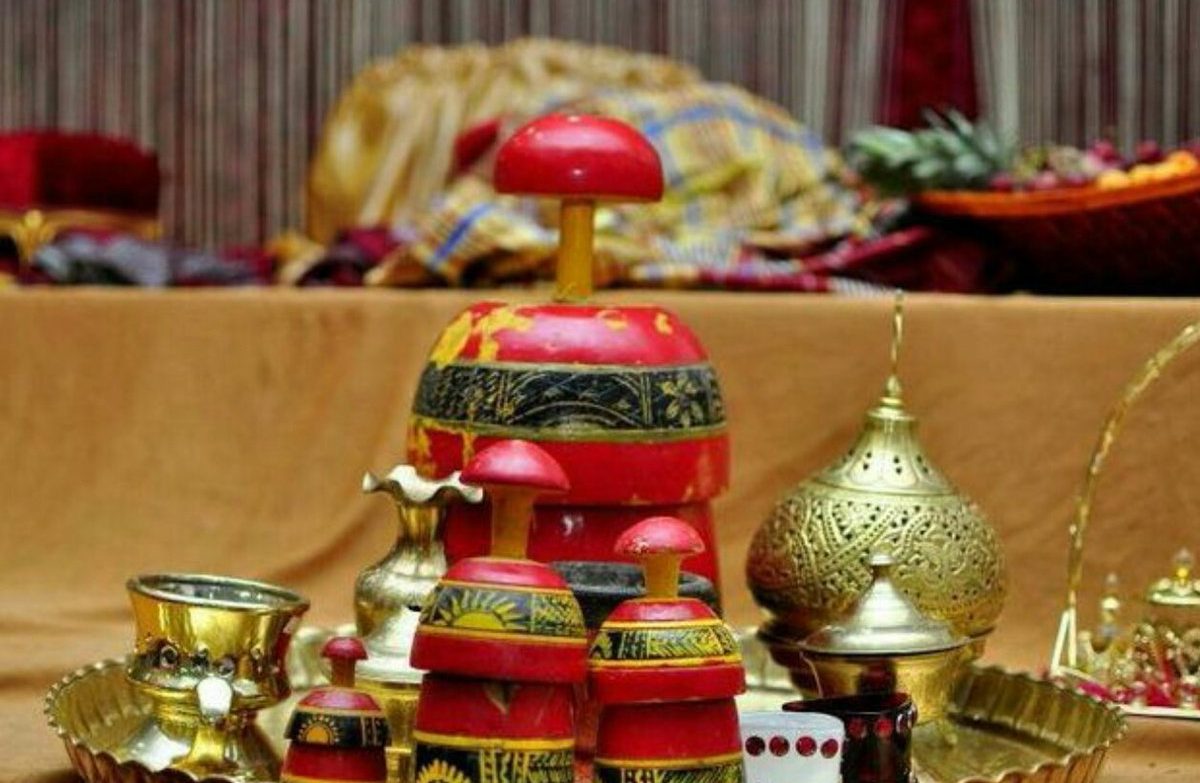 JirtigA Sudanese wedding ritual of regal adornment, protection, and blessings of fertility
Good reading and sources
The facts on this page come from the Wikipedia article "Dipo", written by its contributors and used under the CC BY-SA 4.0 licence, and from its Wikidata record (CC0). EveryParampara rewrote the text in its own words, with AI assistance, and compares every page with the article to make sure no passage is copied. It may be reused under the same CC BY-SA 4.0 licence with a link back.
It may contain mistakes. Traditions differ from one family, village and community to the next, and the people who keep them know them best. If something is wrong, tell us. Last refreshed 2026-10-04.
More from Ghana
All the traditions of Ghana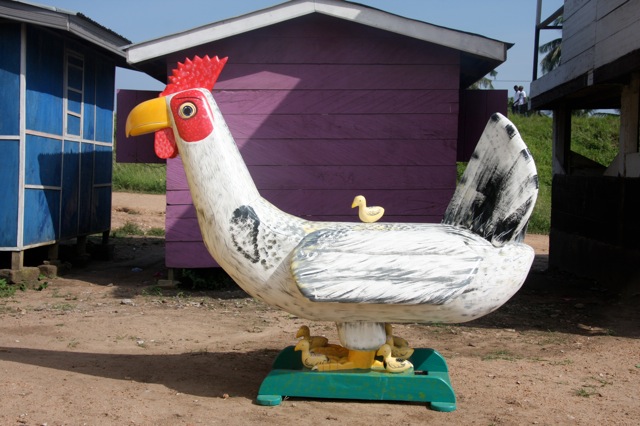 🇬🇭 Accra, GhanaFantasy coffinsAbebuu adekai
Custom hand-carved burial caskets shaped as animals, tools and symbols in southern GhanaRite of passage
🇬🇭 GhanaOutdooringkpojiemɔ (Ga), abadinto (Akan), vihehedego (Ewe)
A Ghanaian ceremony eight days after birth, when a baby is brought outdoors and namedRite of passage · Feasts and festival meals
🇬🇭 Accra, GhanaFantasy coffinsAbebuu adekai
Custom hand-carved burial caskets shaped as animals, tools and symbols in southern GhanaRite of passage
🇬🇭 GhanaOutdooringkpojiemɔ (Ga), abadinto (Akan), vihehedego (Ewe)
A Ghanaian ceremony eight days after birth, when a baby is brought outdoors and namedRite of passage · Feasts and festival meals
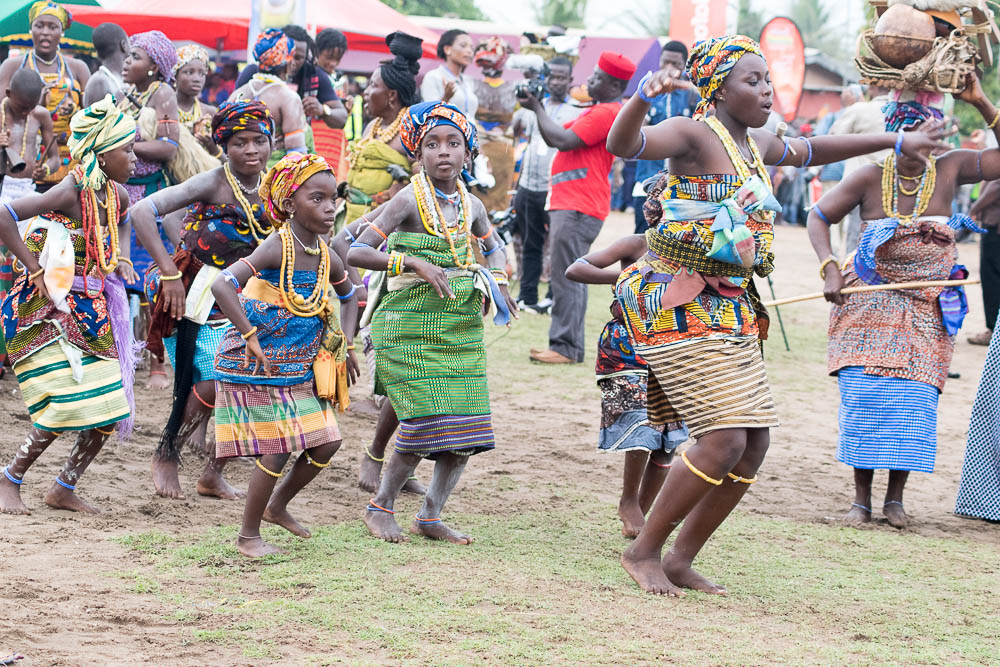 🇬🇭 Ghana and 2 moreAgbadza
An Ewe music and dance, born of war songs and kept for funerals, weddings and festivalsPerformance
🇬🇭 Ghana and 2 moreAgbadza
An Ewe music and dance, born of war songs and kept for funerals, weddings and festivalsPerformance
 🇦🇴 Luanda, Angola and 4 moreKizomba
A close, slow couple dance from Angola, named after a Kimbundu word for partyPerformance
🇦🇴 Luanda, Angola and 4 moreKizomba
A close, slow couple dance from Angola, named after a Kimbundu word for partyPerformance
The same idea elsewhere
Coming of age compared 🇮🇱 IsraelTallitטלית
A four-cornered Jewish prayer shawl with ritual fringes worn during worshipSpiritual
🇮🇱 IsraelTallitטלית
A four-cornered Jewish prayer shawl with ritual fringes worn during worshipSpiritual
 🇺🇸 United States and 5 moreRite of passage
A ceremony that marks leaving one group and entering another, with a new statusRite of passage
🇺🇸 United States and 5 moreRite of passage
A ceremony that marks leaving one group and entering another, with a new statusRite of passage
 🇮🇩 IndonesiaSlametan
A short communal meal on Java where neighbours share food, prayer and a wish for peaceSpiritual · Feasts and festival meals
🇮🇩 IndonesiaSlametan
A short communal meal on Java where neighbours share food, prayer and a wish for peaceSpiritual · Feasts and festival meals
 🇮🇳 Ahmedabad, India and 1 moreGarbaगर्भ
A Gujarati circle dance performed around a sacred flame during the festival of NavratriPerformance
🇮🇳 Ahmedabad, India and 1 moreGarbaगर्भ
A Gujarati circle dance performed around a sacred flame during the festival of NavratriPerformance