Life-cycle ritesSoutheast AsiaChristianHindu
Filipino wedding customs
In its own language: Kasalan
A blend of indigenous rituals and Christian traditions marking the union of two families in the Philippines.

Filipino weddings combine pre-colonial rites with Spanish colonial influences. The process begins with a formal family meeting to secure consent. The ceremony itself involves religious services and symbolic exchanges that bind the couple and their clans together.
When is Filipino wedding customs kept?
Filipino wedding customs is kept on commonly in June, or when dates are agreed upon by families.
Marriage in the Philippines represents a joining of extended families rather than just individuals. Modern practices mix ancient tribal rites with Catholic and Protestant elements introduced during colonial periods. The process starts with parental approval and ends with ceremonies that symbolize eternal fidelity and shared faith.
Historical roots
Before Spanish arrival, tribal priests called babaylan officiated three-day ceremonies. Couples joined hands over rice and drank water mixed with blood drawn from their chests. Elders bound their necks or hair to seal the union. These rituals emphasized community bonds and spiritual protection against negative omens. Colonial missionaries later replaced many indigenous steps with Christian frameworks, though some folk beliefs persist in rural areas today.
Family proposals
The groom’s family visits the bride’s home for pamamanhikan. This formal meeting seeks parental consent and discusses wedding logistics. Extended relatives often attend to strengthen clan alliances. Families may also observe paninilbihan, a dowry practice linked to Hindu influences. After approval, couples visit relatives for pa-alam announcements. They deliver invitations personally to mark their engagement publicly.
Ceremonial symbols
The arrhae consists of thirteen coins given by the groom to represent his commitment to provide for the family. A cord shaped like an eight is draped over both shoulders to signify endless loyalty. Veils are pinned to show unity as one body. Candles lit by sponsors reflect divine presence. Guests avoid white or black attire to respect the bride’s dress and festive mood.
Attire and roles
Grooms wear barong tagalog shirts made from pineapple fibers. Brides choose white gowns or traditional baro’t saya dresses. Sponsors include godparents who guide the couple legally and spiritually. Secondary attendants handle candles, veils, and rings. The ceremony typically lasts an hour and includes a mass followed by a reception celebrating the new alliance between clans.
How Filipino wedding customs is kept
Families meet formally to agree on marriage terms. Couples announce their engagement to relatives. A priest or civil officer solemnizes the union with religious rites. Sponsors exchange symbolic items like coins and cords. Guests celebrate with feasts and music. The event highlights family unity and spiritual commitment.
When and where
Weddings often occur in June. Dates are set after parental consent is granted. Ceremonies follow legal requirements under the Family Code. Religious services align with church schedules.
Practiced throughout the Philippines. Urban centers adopt more Christian styles. Rural areas retain older tribal elements. Filipino communities abroad maintain these customs locally.
What Filipino wedding customs means
Coins represent financial support. The infinity cord shows lasting love. Veils indicate becoming one entity. Candles reflect God’s presence. Blood rituals historically ensured spiritual bonding. Modern versions focus on mutual care and family integration.
Questions people ask about Filipino wedding customs
When is Filipino wedding customs kept?
Filipino wedding customs is kept on commonly in June, or when dates are agreed upon by families.
Where is Filipino wedding customs kept?
Filipino wedding customs belongs to the traditions of Philippines.
Who keeps Filipino wedding customs?
As our sources describe it, Filipino wedding customs is kept by Filipino people. Many other communities and families now share it too.
See also
 SaptapadiThe seven-step ritual that finalizes a Hindu marriage, observed across India.
 Islamic marriageThe sacred contract, agreement and wedding celebration forming an Islamic marriageKwanjulaA formal marriage introduction ritual of the Baganda people in Uganda, where families meet to exchange gifts and seek bl
 LoboloA customary practice in Southern Africa where the groom's family provides assets to the bride's family.
Good reading and sources
The facts on this page come from the Wikipedia article "Marriage and wedding customs in the Philippines", written by its contributors and used under the CC BY-SA 4.0 licence, and from its Wikidata record (CC0). EveryParampara rewrote the text in its own words, with AI assistance, and compares every page with the article to make sure no passage is copied. It may be reused under the same CC BY-SA 4.0 licence with a link back.
It may contain mistakes. Traditions differ from one family, village and community to the next, and the people who keep them know them best. If something is wrong, tell us. Last refreshed 2026-10-05.
More from the Philippines
All the traditions of the Philippines 🇲🇽 Mexico and 2 moreWedding cord
A loop of white cord laid over a kneeling bride and groom in Catholic weddingsRite of passage
🇲🇽 Mexico and 2 moreWedding cord
A loop of white cord laid over a kneeling bride and groom in Catholic weddingsRite of passage
 🇪🇸 Spain and 2 moreLas arras
Thirteen gold coins, blessed at a wedding and given by the groom to the brideRite of passage
🇪🇸 Spain and 2 moreLas arras
Thirteen gold coins, blessed at a wedding and given by the groom to the brideRite of passage
 🇵🇭 Philippines and 5 moreFirst Communion
A Christian rite of passage marking a person's initial reception of the Eucharist.Rite of passage
🇵🇭 Philippines and 5 moreFirst Communion
A Christian rite of passage marking a person's initial reception of the Eucharist.Rite of passage
 🇯🇵 Kyoto, Japan and 5 moreTeeth blackening
A custom of dyeing teeth black to mark adulthood and beauty in parts of Asia and Oceania.Rite of passage
🇯🇵 Kyoto, Japan and 5 moreTeeth blackening
A custom of dyeing teeth black to mark adulthood and beauty in parts of Asia and Oceania.Rite of passage
The same idea elsewhere
Weddings compared 🇳🇪 In-Gall, NigerCure Salée
A yearly gathering of Tuareg and Wodaabe nomads in In-Gall to mark the end of the rainy season.Festival
🇺🇬 UgandaKwanjula
A formal marriage introduction ritual of the Baganda people in Uganda, where families meet to exchange gifts and seek blRite of passage
🇳🇪 In-Gall, NigerCure Salée
A yearly gathering of Tuareg and Wodaabe nomads in In-Gall to mark the end of the rainy season.Festival
🇺🇬 UgandaKwanjula
A formal marriage introduction ritual of the Baganda people in Uganda, where families meet to exchange gifts and seek blRite of passage
 🇼🇸 Samoa and 1 moreʻIe tōga
Precious woven mats exchanged in Samoan ceremonies to honor family ties and chiefly status.Dress
🇼🇸 Samoa and 1 moreʻIe tōga
Precious woven mats exchanged in Samoan ceremonies to honor family ties and chiefly status.Dress
 🇬🇭 Ghana and 2 moreAgbadza
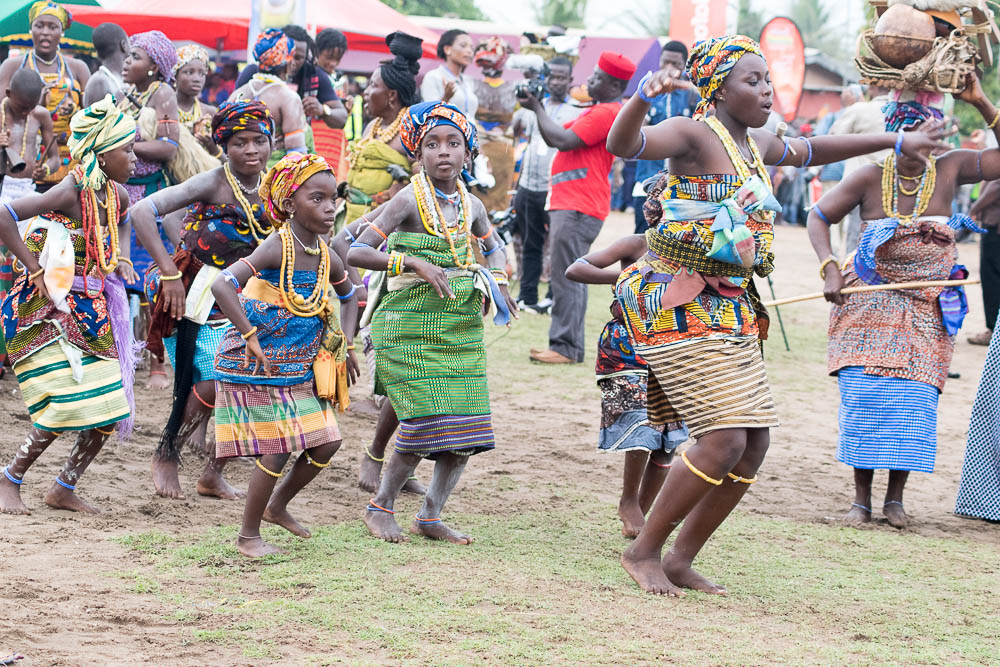
An Ewe music and dance, born of war songs and kept for funerals, weddings and festivalsPerformance
🇬🇭 Ghana and 2 moreAgbadza
An Ewe music and dance, born of war songs and kept for funerals, weddings and festivalsPerformance