Music, dance and storytellingSoutheast AsiaIndigenous and traditionalHindu
Mak yong
In its own language: Tarian Mak Yong (Jawi: مق يوڠ)
A dance-drama of Kelantan and Patani, told in song, music and improvised speech
Mak yong is a dance-drama from northern Malaysia, above all the state of Kelantan, with roots in the old Pattani Kingdom that is now part of Thailand. Its largely female cast, small orchestra and long story cycles were once used for healing and harvest; today a few village troupes in Kelantan and Terengganu keep it.
When is Mak yong kept?
Mak yong is kept on traditionally over several nights; today only rarely, at state events and in a few villages.
Mak yong is a traditional dance-drama of northern Malaysia, kept above all in the state of Kelantan and rooted in the old Pattani Kingdom, now part of Thailand. Performers sing, dance and act out stories over several nights, once to honour spirits, give thanks for the harvest or cure illness. UNESCO listed the theatre as a masterpiece of oral and intangible heritage in 2005.
What it is
Mak yong brings dance, song, acting and improvised speech into one theatre. Its singing and musical repertoire belong to the Malayan-Thai region alone, unlike most Malay dances, which borrowed from India, Java and elsewhere in Southeast Asia. Most of the stories come from Kelantan and Patani mythology. A few once came from further away and have since vanished at home, such as Anak Raja Gondang, from the Buddhist Jataka tales and now almost unknown in India. UNESCO listed mak yong theatre as a masterpiece of oral and intangible heritage in 2005, naming Malaysia as the state party.
Origins and history
Mak yong began as folk theatre bound up with rituals of propitiation, which means winning the favour of spirits, and with healing. It is thought to have started in the Pattani Kingdom, which is now a Thai province. Villagers passed it down by word of mouth, so nobody knows exactly how old it is. Because it carries so little outside influence, it must be at least 800 years old, and probably older. Legend credits it to a rice spirit, Mak Hiang. Some observers tied it to the palace, particularly in Patani, but there is no evidence for that. It was patronised by every level of society, to honour spirits, to give thanks when the harvest came in, or to cure illness.
Stage and music
The lead dancer is the Pak Yong, dressed as a king. A queen takes the second lead, and the cast usually has palace girls and jesters. Traditionally women played all the parts except the clowns, who were always men. The group Jong Dongdang sings and dances between chapters and at the story's end. The orchestra itself is small. Its main instruments are a three-stringed spiked lute, a drum called gendang and a pair of gongs, and it may add a serunai flute, keduk drums and small kesi cymbals. Stories were told in three-hour sittings spread across several nights.
Healing and ritual
Mak yong was once used to heal, as other old Malay theatre forms were. There is a healing form, mak yong mak puteri, built on trance dancing and spirit possession within a ritual known as main puteri. Such rites still happen in villages and in some more traditional towns, though many people now frown on them. Ritual versions are longer and more demanding than shows mounted simply to entertain, bringing together shamanism, the feasting of spirits and dance theatre. They are held to heal, to honour a teacher, and when a performer completes training. Here the stories and dances carry their deepest meaning, since the aim was to open a way to the spirit world.
Today and change
Fewer than ten veteran mak yong performers remain. After PAS took charge of Kelantan in 1991, the party banned the art in the state, calling its elements un-Islamic and objecting to clothing that does not cover women's heads and arms. Many older performers defied the ban, but it could no longer be shown in public, and some feared the tradition would die. UNESCO's listing brought efforts to preserve it, and the ban was lifted in 2019. A few troupes still perform in the villages of Kelantan and Terengganu, though interest among the young is weak, and seasoned performers say the shortened city versions differ from the movement they know in the countryside.
How Mak yong is kept
A performance opens with semah kumpung, an offering made to the spirits. Then come dancing, acting and improvised dialogue. The lead dancer, the Pak Yong, is costumed as a king; a queen takes second lead, with palace girls and jesters around them. Women filled the parts, except the clowns, who were always men. Between chapters and again at the close, the group Jong Dongdang sings and dances. A small orchestra plays throughout, led by a three-stringed spiked lute, gendang drums and gongs, sometimes with serunai flute, keduk drums and kesi cymbals. Stories were told across three-hour performances over several nights.
When and where
There is no fixed date. In the past a run of mak yong was staged over several nights, often when spirits needed to be honoured, when thanks were due for a harvest, or when someone was ill. Today performances are few and are mostly held for state occasions, for visitors, or in the villages where troupes remain.
Mak yong belongs to northern Malaysia and is strongest in Kelantan, with a few troupes also in Terengganu. It took shape in the Pattani Kingdom, now a province of Thailand, and is still practised in places such as Yala. In Indonesia it is found in Riau and North Sumatra, including Batam and Bintan in the Riau Islands.
What Mak yong means
For those who keep it, mak yong is more than entertainment. Its stories and dances are a way of nearing the spirit world, and its oldest purpose was to heal: to respect spirits, to thank them for a harvest, or to free a sick person from what troubled them. Respect for spirits and for teachers runs through the ritual form, which is used to honour a teacher and to mark the end of a performer's training. The trance dancing at its centre is seen as the moment when spirits come near.
Questions people ask about Mak yong
When is Mak yong kept?
Mak yong is kept on traditionally over several nights; today only rarely, at state events and in a few villages.
What is mak yong?
It is a traditional dance-drama from northern Malaysia, especially the state of Kelantan. Performers sing, dance and act, with improvised speech, in stories drawn mostly from Kelantan and Patani mythology. A small orchestra plays, and the lead dancer, the Pak Yong, is costumed as a king.
Where is it kept?
Chiefly in Kelantan and Terengganu in Malaysia. It began in the Pattani Kingdom, now part of Thailand, where it is still practised in places such as Yala. It also travelled to Riau and North Sumatra in Indonesia by way of Singapore.
Why was it banned?
The Pan-Malaysian Islamic Party, which took control of Kelantan in 1991, banned it in the state, citing un-Islamic elements and clothing that does not cover women's heads and arms. Many older performers defied the ban, but public shows stopped. The ban was lifted in 2019.
Who performs it?
Traditionally all performers were women, except the clowns, who were always men. The lead, the Pak Yong, dresses as a king. Fewer than ten veteran performers remain today, and not many young people are willing to take on the demanding apprenticeship.
See also
 NgajatA traditional folk dance of the Iban people in Sarawak and Borneo, mimicking birds and warriors.
 BarongA sacred Balinese masked dance drama depicting the eternal struggle of good and evil
 Lion danceA dynamic ritual dance featuring costumed lions, drums and martial acrobatics
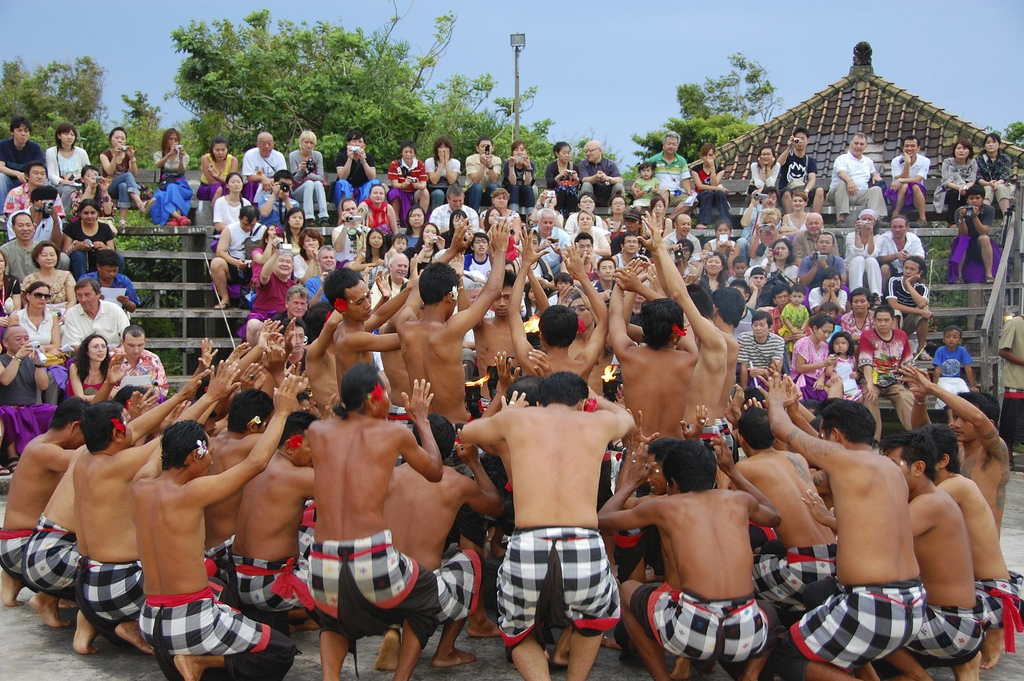 KecakA circle of men chanting chak as they dance the Ramayana epic in Bali
Good reading and sources
- Encyclopaedia BritannicaArticle
- Mak Yong theatreUNESCO, Heritage listing
- Mak Yong theatreUNESCO, Article
- Mak yong on WikipediaEncyclopedia
- More photos on Wikimedia CommonsPhotos and video
- Wikidata recordOpen data
The facts on this page come from the Wikipedia article "Mak yong", written by its contributors and used under the CC BY-SA 4.0 licence, and from its Wikidata record (CC0). EveryParampara rewrote the text in its own words, with AI assistance, and compares every page with the article to make sure no passage is copied. It may be reused under the same CC BY-SA 4.0 licence with a link back.
It may contain mistakes. Traditions differ from one family, village and community to the next, and the people who keep them know them best. If something is wrong, tell us. Last refreshed 2026-10-05.
More from Malaysia
All the traditions of Malaysia
🇲🇾 Malaysia and 2 moreNgajatTanda Ngajat
A traditional folk dance of the Iban people in Sarawak and Borneo, mimicking birds and warriors.Performance
🇨🇳 China and 5 moreLion dance舞獅
A dynamic ritual dance featuring costumed lions, drums and martial acrobaticsPerformance
 🇹🇼 Yilan, Taiwan and 4 moreTaiwanese opera歌仔戲
A Taiwanese theatrical art of Hokkien balladry, stylized staging, and expressive song.Performance
🇹🇼 Yilan, Taiwan and 4 moreTaiwanese opera歌仔戲
A Taiwanese theatrical art of Hokkien balladry, stylized staging, and expressive song.Performance
 🇨🇳 Quanzhou, China and 3 moreGlove puppetry布袋戲
A traditional theatre of cloth-bodied puppets with carved wooden heads and live musicPerformance
🇨🇳 Quanzhou, China and 3 moreGlove puppetry布袋戲
A traditional theatre of cloth-bodied puppets with carved wooden heads and live musicPerformance
The same idea elsewhere
Healing, luck and protection compared 🇪🇪 EstoniaJaanipäev
Estonia's midsummer night of bonfires, song and fortune-telling, on 23 and 24 JuneFestival
🇪🇪 EstoniaJaanipäev
Estonia's midsummer night of bonfires, song and fortune-telling, on 23 and 24 JuneFestival
 🇮🇪 Galway, Ireland and 1 moreBrigid's crossCros Bhríde
A cross of woven rushes or straw, made for Saint Brigid's Day on the first of FebruaryCraft
🇮🇪 Galway, Ireland and 1 moreBrigid's crossCros Bhríde
A cross of woven rushes or straw, made for Saint Brigid's Day on the first of FebruaryCraft
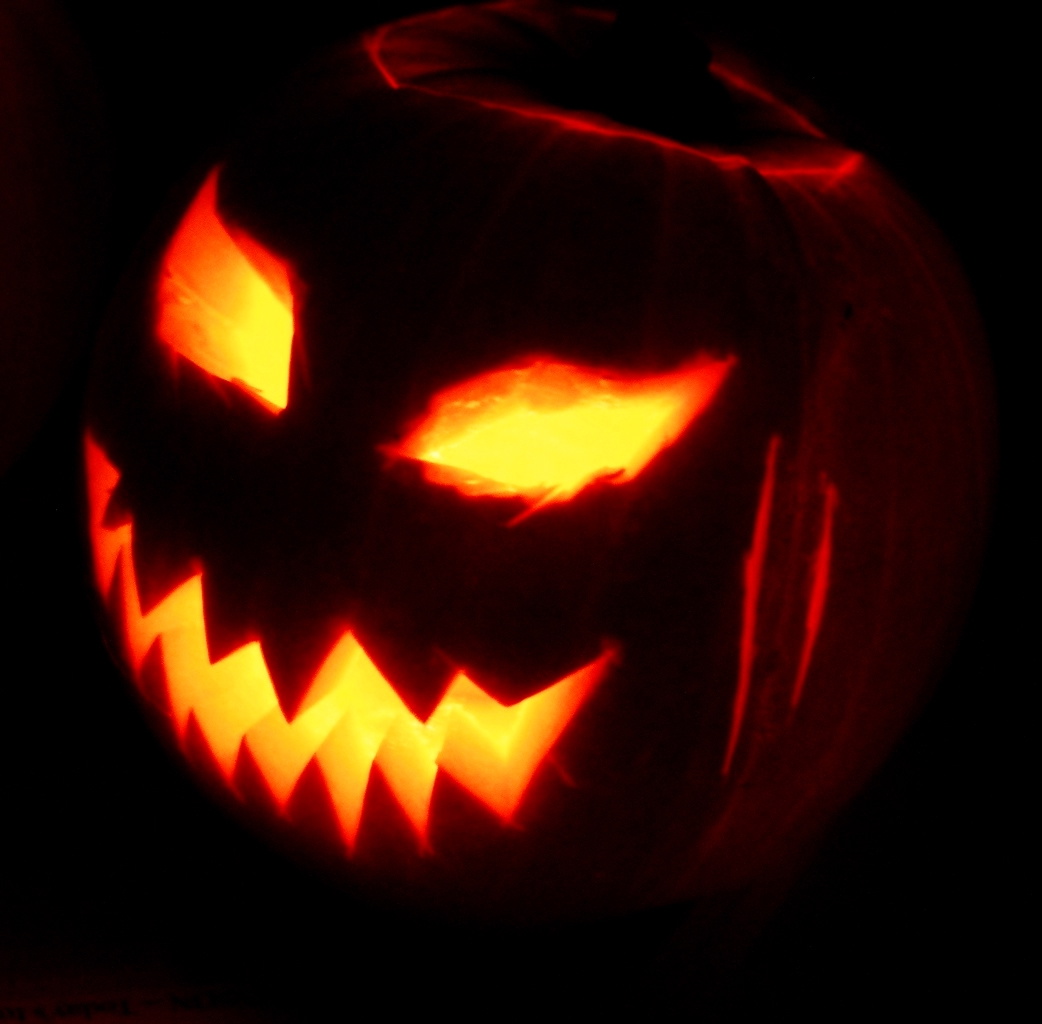 🇮🇪 Ireland and 2 moreJack-o'-lantern
A carved pumpkin lantern lit with a candle to brighten and protect Halloween nightsFolklore
🇮🇪 Ireland and 2 moreJack-o'-lantern
A carved pumpkin lantern lit with a candle to brighten and protect Halloween nightsFolklore
 🇨🇱 ChileNgillatun
A communal Mapuche rite of prayer, sacrifice and dance to maintain cosmic balanceSpiritual
🇨🇱 ChileNgillatun
A communal Mapuche rite of prayer, sacrifice and dance to maintain cosmic balanceSpiritual