Spiritual and religiousSouth AsiaHinduBuddhist
Mha Puja
In its own language: म्हपुजा
A Newar New Year ritual of self-worship, mandalas and renewal in Nepal
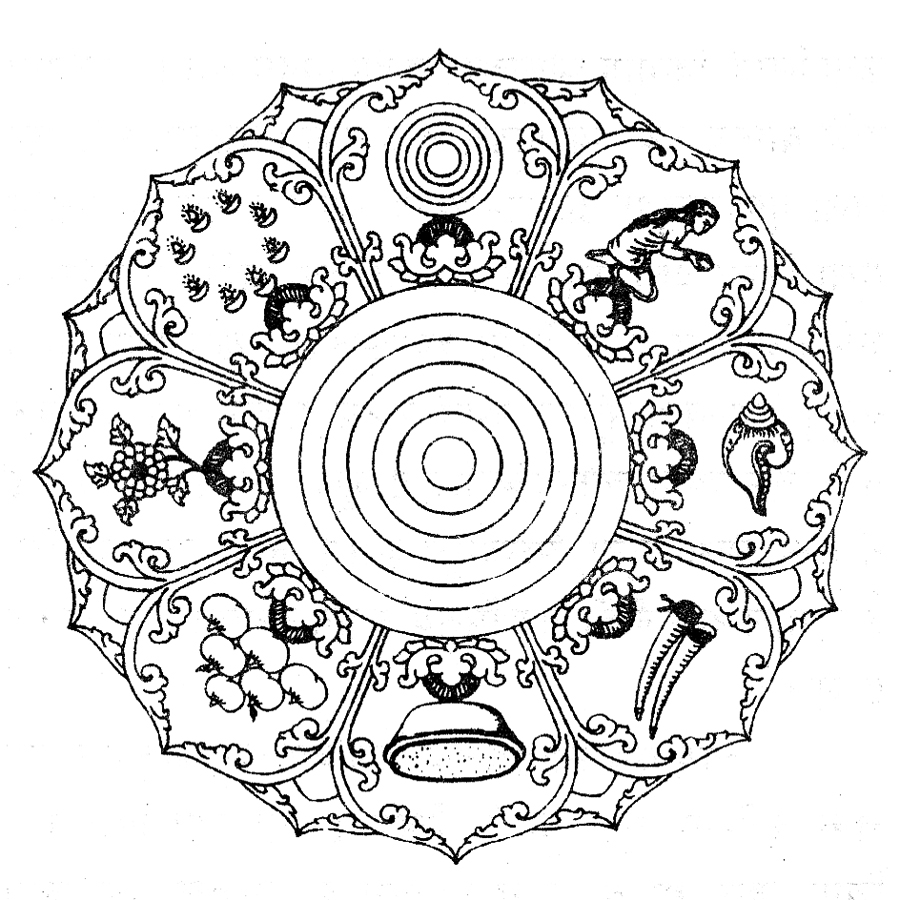
Mha Puja is an annual ritual observed by the Newar people of Nepal on the New Year of the Nepal Sambat calendar. Family members draw individual mandalas, offer blessings for health and long life, and worship the divine spirit within themselves before sharing a ceremonial feast.
When is Mha Puja kept?
Mha Puja is kept on annually on New Year's Day of the Nepal Sambat calendar, during the Swanti festival.
Mha Puja means the worship of the self in the Newar language. Kept by Newar communities across Nepal and abroad, this domestic ceremony takes place on New Year's Day of the Nepal Sambat lunar calendar. Families gather to cleanse and strengthen their inner spirits, pray for good health and longevity, and welcome the turning year through painted floor mandalas, sacred offerings and a shared meal.
Worshipping the inner spirit
The name Mha Puja translates to honoring the body or the self. Instead of directing devotion entirely outward to temple deities, participants celebrate the divine presence residing within every human soul. The ritual is designed to cleanse and invigorate the spirit for the upcoming year, asking for prosperity, good fortune and freedom from harm. Lighted wicks and incense sticks lit during the ceremony carry a reminder that each person should share warmth, clarity and fragrance with the surrounding world.
Drawing the mandalas
Households create a line of sacred circular floor designs made from powdered limestone, forming an eight-petalled lotus inside a water circle. Every family member receives their own mandala, alongside additional diagrams for the messengers of death and essential home tools such as the water jug, winnowing tray and broom. The center of each figure is marked with mustard oil and ringed with grains including unhusked rice, red rice, black soybeans, lentils and puffed rice according to household tradition.
Blessings and gifts
Participants sit cross-legged before their designated floor art. The senior woman of the home moves along the row, placing a mark of colored paste on each forehead and presenting long burning wicks, sacred threads and baskets of fruit with citron. During the Sagan Biyegu portion, she carries a clay vessel of yogurt, offering a dab for each person's temple. Everyone then receives boiled eggs, smoked fish and bowls of rice wine, which must be refilled three times before being put down.
The feast of eight dishes
To conclude the night, family members eat together directly over their mandalas. Placing heavy bronze dishes onto the sand art deliberately destroys the intricate patterns, reminding everyone of the fleeting nature of worldly things. A mound of beaten rice sits in the middle of each plate, ringed by eight distinct side dishes. These eight foods represent the Astha Matrika, the protective grandmother goddesses known as Ajima. The dinner plates remain untouched until the following morning, when the room is swept.
How Mha Puja is kept
Family members sit in a row before individual limestone mandalas drawn on the floor. The lady of the house applies a paste mark to each person's forehead, then gifts burning wicks, protective threads and baskets of fruit. In the Sagan Biyegu ceremony, each participant takes a dab of yogurt for the temple and receives ritual food of boiled eggs, smoked fish and three pourings of rice wine. The night concludes with a communal feast, where plates are placed directly on the mandalas to break the designs.
When and where
Mha Puja occurs once a year on the first day of the Nepal Sambat lunar calendar, during the multi-day Swanti festival. Because the date follows the traditional lunar cycle, it falls in either October or November in the solar calendar.
The tradition is practiced inside homes throughout Nepal, predominantly among Newar households. Newar families living abroad also observe the rite to mark the start of the Nepal Sambat year.
What Mha Puja means
The mandala represents the universe and acts as a mirror of the individual self. Items adorning the artwork invoke long life, fortune and safety. Lighting wicks and incense encourages each person to spread light and goodness to others. Finally, intentionally destroying the powder patterns under dinner plates serves as a reminder of impermanence in worldly existence.
On the table
- beaten rice
- boiled egg
- smoked fish
- rice wine
- dhau (yogurt)
- citron
- black lentil
- puffed rice
Flavours: Mustard

Questions people ask about Mha Puja
When is Mha Puja kept?
Mha Puja is kept on annually on New Year's Day of the Nepal Sambat calendar, during the Swanti festival.
What is Mha Puja?
Mha Puja is an annual Newar ritual in Nepal where individuals worship their own inner spirit. It purifies the soul, invokes prosperity and marks the beginning of the Nepal Sambat New Year.
Why are mandalas drawn on the floor?
Each family member receives an eight-petalled lotus mandala made of limestone and grains. The design represents the universe and the self, offering protection, health and good fortune for the year ahead.
Why is the mandala destroyed during dinner?
Placing the bronze feast plate onto the mandala deliberately ruins the powder design. This symbolic act reminds the participants of the impermanence of all worldly things.
See also
 Chhath PujaA four-day Hindu festival honouring the sun and Chhathi Maiya along riverbanks
 DiwaliA five-day festival of lights celebrated across India and its diaspora to mark the victory of light over darkness.
 HoliA spring festival of colours and bonfires that marks the end of winter and the triumph of good over evil.
 LosarThe Tibetan Buddhist New Year festival of renewal, offerings, and family feasts
Good reading and sources
The facts on this page come from the Wikipedia article "Mha Puja", written by its contributors and used under the CC BY-SA 4.0 licence, and from its Wikidata record (CC0). EveryParampara rewrote the text in its own words, with AI assistance, and compares every page with the article to make sure no passage is copied. It may be reused under the same CC BY-SA 4.0 licence with a link back.
It may contain mistakes. Traditions differ from one family, village and community to the next, and the people who keep them know them best. If something is wrong, tell us. Last refreshed 2026-10-04.
More from Nepal
All the traditions of Nepal
🇮🇳 Varanasi, India and 1 moreChhath Pujaछठ पूजा
A four-day Hindu festival honouring the sun and Chhathi Maiya along riverbanksSpiritual · Fasting and breaking the fast
 🇮🇳 India and 2 moreRudrakshaरुद्राक्ष
Seeds of the Elaeocarpus tree, worn as prayer beads by devotees of ShivaSpiritual
🇮🇳 India and 2 moreRudrakshaरुद्राक्ष
Seeds of the Elaeocarpus tree, worn as prayer beads by devotees of ShivaSpiritual
 🇳🇵 Kathmandu, NepalKumariकुमारी
A living goddess tradition in Nepal where a young girl embodies the divine feminine.Spiritual
🇳🇵 Kathmandu, NepalKumariकुमारी
A living goddess tradition in Nepal where a young girl embodies the divine feminine.Spiritual
 🇳🇵 Nepal and 1 moreTibetan prayer flagLung ta / Darchog
Colorful cloth banners printed with mantras, hung in high places to spread blessings on the wind.Spiritual
🇳🇵 Nepal and 1 moreTibetan prayer flagLung ta / Darchog
Colorful cloth banners printed with mantras, hung in high places to spread blessings on the wind.Spiritual
The same idea elsewhere
New Year compared 🇮🇩 IndonesiaOgoh-ogohᬳᭀᬕᭀᬄᬳᭀᬕᭀᬄ
Giant handcrafted statues paraded and burned on the eve of the Balinese Saka New YearFestival
🇮🇩 IndonesiaOgoh-ogohᬳᭀᬕᭀᬄᬳᭀᬕᭀᬄ
Giant handcrafted statues paraded and burned on the eve of the Balinese Saka New YearFestival
 🇰🇷 Jeju, South KoreaGut굿
Sacred rites of song, dance, and spirit communion performed by Korean shamansSpiritual
🇰🇷 Jeju, South KoreaGut굿
Sacred rites of song, dance, and spirit communion performed by Korean shamansSpiritual
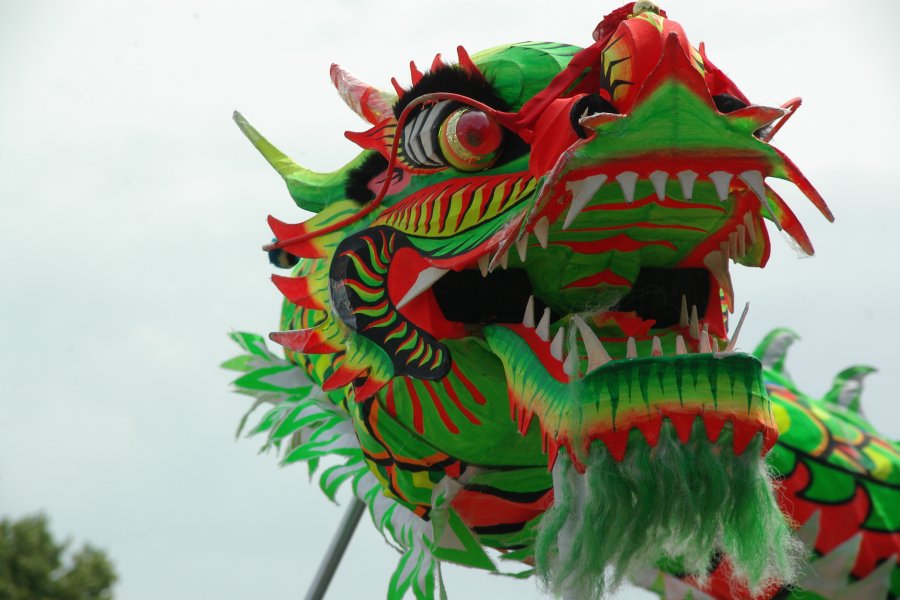 🇨🇳 China and 3 moreDragon dance舞龍 / 舞龙
A long dragon puppet on poles, danced by a team at Chinese New Year and other festivalsPerformance
🇨🇳 China and 3 moreDragon dance舞龍 / 舞龙
A long dragon puppet on poles, danced by a team at Chinese New Year and other festivalsPerformance
 🇨🇳 China and 5 moreLion dance舞獅
A dynamic ritual dance featuring costumed lions, drums and martial acrobaticsPerformance
🇨🇳 China and 5 moreLion dance舞獅
A dynamic ritual dance featuring costumed lions, drums and martial acrobaticsPerformance