🇰🇭 Traditions of Cambodia
23 traditions from Cambodia, best known first, across 3 cities and towns.
Cambodian culture is built on the syncretic blend of Theravada Buddhism, Hindu cosmology, and local animist spirit reverence. Distinctive customs include stilt-house architecture, lunisolar calendar festivals, and artistic traditions shaped by ancient Angkorian heritage.
Cambodian traditions rest on a long dialogue between Theravada Buddhist practice, Hindu cosmology and indigenous spirit beliefs. From ancient temple layouts to wooden stilt houses in rural villages, daily life reflects a close connection to the seasons, religious festivals and community labor. Ceremonial calendars follow the moon, while stories from the Ramayana and Buddhist ethics guide art, dance and family gatherings across generations.
Faith and spirit beliefs
Theravada Buddhism shapes everyday life and holds state status across the country. Most followers belong to either the Maha Nikaya or Dhammayuttika Nikaya monastic orders. Alongside Buddhist practice, older animist traditions remain strong. In the highland regions, Khmer Loeu communities honor a world populated by unseen spirits known as yang, who can bring help or harm. Ancient Indian ideas blended with local beliefs over two millennia, creating a layered religious life. Hindu figures and stories, such as the epic Ramayana, still inform traditional arts, court ceremonies and classical dance.
Village homes and community
In rural areas, families usually live in rectangular wooden houses built on high stilts. Raising the living space up to three meters protects against seasonal floods and leaves room beneath the floor for farm animals. Woven bamboo forms the outer walls and interior dividers, while a steep thatch roof keeps out monsoon rains. A typical home has a front room for welcoming guests, a bedroom for the parents, and a room for unmarried daughters, with sons sleeping wherever there is space. When someone builds a new home, relatives and neighbors gather to do the heavy labor, marking the finished frame with a communal house-raising celebration.
Sacred stone and architecture
The enduring monuments of the Angkor era reflected a sacred geography. Stone builders designed sanctuaries to represent the universe, enclosing central shrines with moats, courtyards and protective perimeter walls. Because stone was reserved exclusively for holy sanctuaries, secular palaces and domestic quarters from that era have vanished. Stone carvers covered walls with mythological beings from Buddhist and Hindu lore, including the winged garuda figure that still appears on the Royal Palace in Phnom Penh. This architectural tradition flourished between the ninth and fifteenth centuries, leaving a lasting stylistic influence across Southeast Asia that shaped royal court culture in neighboring lands.
Diverse religious communities
Beyond the Theravada majority, several other religious traditions maintain deep roots. Most members of the Cham and Malay minorities follow Sunni Islam of the Shafi'i school, organized into traditionalist and orthodox groups. Christian traditions date back to Catholic missionaries in the seventeenth century, later joined by Protestant congregations. Small Catholic communities continue to worship under regional prefectures and a vicariate rather than standard dioceses. In addition, many Cambodians of Chinese or Vietnamese heritage follow Mahayana Buddhism. Different ethnic groups also keep distinct domestic customs: while Khmer homes stand on stilts, Chinese and Vietnamese families in towns usually build directly on the ground with earthen, cement or tiled floors.
The traditional calendar
Cambodian public celebrations and religious observances follow the Chântôkôtĕ, a traditional lunisolar calendar. Although the name translates literally as a lunar calendar, the system carefully tracks both the phases of the moon and the solar year. Reconciling the moon cycles with the sun ensures that seasonal markers do not drift over time. Because Buddhist observances and annual festivals are pegged to this counting system, many holiday dates shift from one year to the next on the civil solar calendar. Communities observe these dates with temple gatherings, commemorative ceremonies and seasonal festivities that align social life with the natural rhythms of the earth and the heavens.
The facts in this overview come from the Wikipedia article "Culture of Cambodia", written by its contributors and used under the CC BY-SA 4.0 licence. EveryParampara rewrote the text in its own words, with AI assistance, and compares every page with the article to make sure no passage is copied. It may be reused under the same CC BY-SA 4.0 licence with a link back.
The table in Cambodia
Foods and drinks by the moment they belong to.
| Tea-time and snacking customs | Bon Om Touk |
|---|---|
| Sweets given and shared | Mid-Autumn Festival, Bon Om Touk |
| Feasts and festival meals | Mid-Autumn Festival, Bon Om Touk |
| Fasting and breaking the fast | Māgha Pūjā |
Cities, towns and villages of Cambodia
 🇨🇳 China and 5 moreShadow play
A storytelling art using flat puppets and light to cast moving silhouettes on a screen.Performance
🇨🇳 China and 5 moreShadow play
A storytelling art using flat puppets and light to cast moving silhouettes on a screen.Performance
 🇮🇳 India and 5 morePretaप्रेत
Offerings and rites for spirits enduring deep hunger across Asian traditions.Spiritual
🇮🇳 India and 5 morePretaप्रेत
Offerings and rites for spirits enduring deep hunger across Asian traditions.Spiritual
 🇰🇭 CambodiaApsara Danceរបាំទេពអប្សរា
A classical Cambodian court dance inspired by the stone carvings of AngkorPerformance
🇰🇭 CambodiaApsara Danceរបាំទេពអប្សរា
A classical Cambodian court dance inspired by the stone carvings of AngkorPerformance
 🇹🇭 Thailand and 7 moreSpirit house
A small roofed shrine on a pillar, kept in homes and villages across Southeast Asia to honour protective spirits.Spiritual
🇹🇭 Thailand and 7 moreSpirit house
A small roofed shrine on a pillar, kept in homes and villages across Southeast Asia to honour protective spirits.Spiritual
 🇨🇳 China and 5 moreMid-Autumn Festival中秋節
An annual harvest festival celebrating family reunions, full moons and mooncakesFestival · Sweets given and shared
🇨🇳 China and 5 moreMid-Autumn Festival中秋節
An annual harvest festival celebrating family reunions, full moons and mooncakesFestival · Sweets given and shared
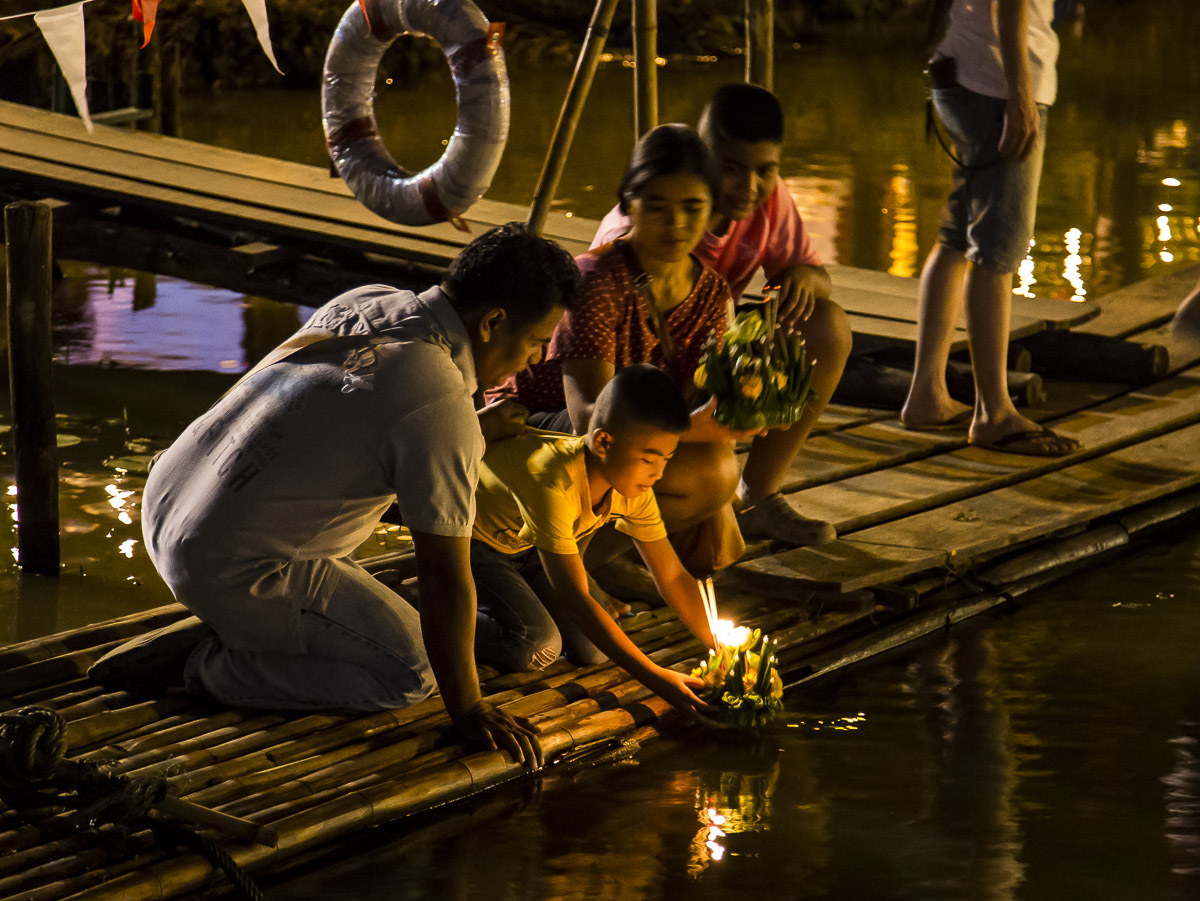 🇹🇭 Chiang Mai, Thailand and 5 moreLoy Krathongลอยกระทง
A Thai festival of floating leaf baskets on rivers to honor water and release negativity.Festival
🇹🇭 Chiang Mai, Thailand and 5 moreLoy Krathongลอยกระทง
A Thai festival of floating leaf baskets on rivers to honor water and release negativity.Festival
 🇨🇳 China and 5 moreGhost Festival中元節 / 中元节 (Zhōngyuán jié)
A full-moon night in the seventh lunar month for feeding ghosts and guiding souls homeSpiritual
🇨🇳 China and 5 moreGhost Festival中元節 / 中元节 (Zhōngyuán jié)
A full-moon night in the seventh lunar month for feeding ghosts and guiding souls homeSpiritual
 🇹🇭 Thailand and 5 moreMāgha Pūjāមាឃបូជា
A Buddhist holy day honoring monastic unity, moral guidance and spiritual fellowshipSpiritual · Fasting and breaking the fast
🇹🇭 Thailand and 5 moreMāgha Pūjāមាឃបូជា
A Buddhist holy day honoring monastic unity, moral guidance and spiritual fellowshipSpiritual · Fasting and breaking the fast
 🇹🇭 Thailand and 5 moreKathina
A Buddhist season of offering new robes and gifts to monks after the rains retreatSpiritual
🇹🇭 Thailand and 5 moreKathina
A Buddhist season of offering new robes and gifts to monks after the rains retreatSpiritual
 🇰🇭 Cambodia and 4 moreRoyal Ploughing Ceremonyព្រះរាជពិធីបុណ្យច្រត់ព្រះនង្គ័ល
A royal agricultural rite opening the rice season across mainland Southeast AsiaCeremony
🇰🇭 Cambodia and 4 moreRoyal Ploughing Ceremonyព្រះរាជពិធីបុណ្យច្រត់ព្រះនង្គ័ល
A royal agricultural rite opening the rice season across mainland Southeast AsiaCeremony
 🇰🇭 Siem Reap, CambodiaCambodian New Yearបុណ្យចូលឆ្នាំថ្មី ប្រពៃណីជាតិ
A three-day harvest festival marking the traditional solar new year across CambodiaSeasonal
🇰🇭 Siem Reap, CambodiaCambodian New Yearបុណ្យចូលឆ្នាំថ្មី ប្រពៃណីជាតិ
A three-day harvest festival marking the traditional solar new year across CambodiaSeasonal
 🇰🇭 Phnom Penh, Cambodia and 1 moreBon Om Toukបុណ្យអុំទូក
A three-day Cambodian festival of dragon boat races, floating lanterns and moon offeringsFestival · Tea-time and snacking customs
🇰🇭 Phnom Penh, Cambodia and 1 moreBon Om Toukបុណ្យអុំទូក
A three-day Cambodian festival of dragon boat races, floating lanterns and moon offeringsFestival · Tea-time and snacking customs
 🇨🇳 China and 5 moreAncestor veneration
Honouring dead relatives with offerings, meals and prayers, kept in cultures worldwideSpiritual
🇨🇳 China and 5 moreAncestor veneration
Honouring dead relatives with offerings, meals and prayers, kept in cultures worldwideSpiritual
 🇨🇳 China and 6 moreRed envelope紅包 / 红包 (hóngbāo)
Money in a red packet, given at Lunar New Year, weddings and other big daysEtiquette
🇨🇳 China and 6 moreRed envelope紅包 / 红包 (hóngbāo)
Money in a red packet, given at Lunar New Year, weddings and other big daysEtiquette
 🇰🇭 CambodiaPchum Benភ្ជុំបិណ្ឌ
A fifteen-day Cambodian Buddhist festival honouring ancestors with food and prayersSpiritual
🇰🇭 CambodiaPchum Benភ្ជុំបិណ្ឌ
A fifteen-day Cambodian Buddhist festival honouring ancestors with food and prayersSpiritual
 🇹🇭 Thailand and 5 moreAsalha Pujaอาสาฬหบูชา
A Theravada festival marking the Buddha's first sermon and the monastic orderSpiritual
🇹🇭 Thailand and 5 moreAsalha Pujaอาสาฬหบูชา
A Theravada festival marking the Buddha's first sermon and the monastic orderSpiritual
 🇨🇳 China and 5 moreAncestor worship
Honouring dead relatives with offerings and prayers, kept in many cultures worldwideSpiritual
🇨🇳 China and 5 moreAncestor worship
Honouring dead relatives with offerings and prayers, kept in many cultures worldwideSpiritual
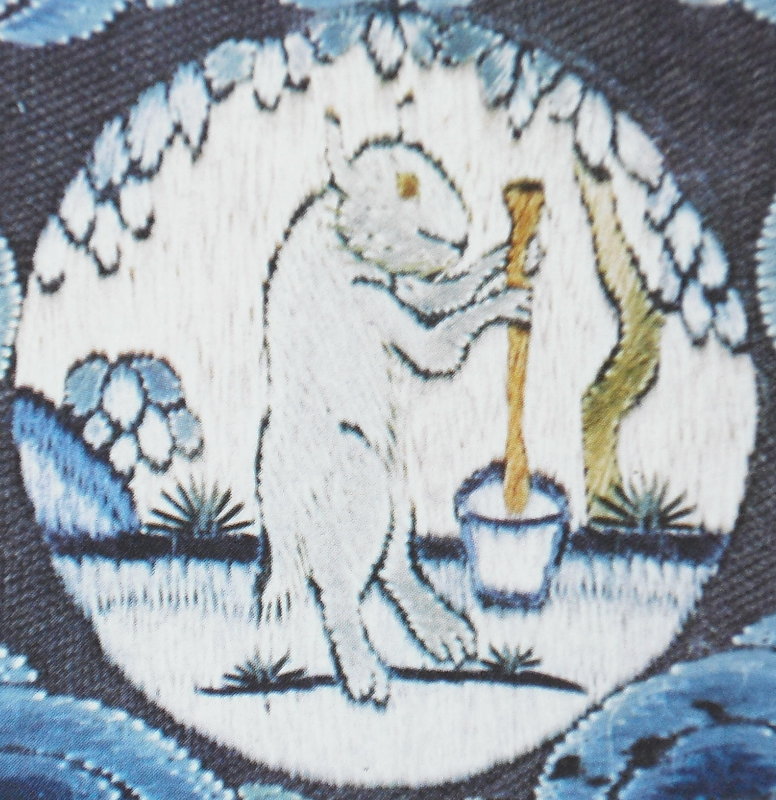 🇨🇳 China and 5 moreMoon rabbit月兔
A hare seen in the Moon's dark patches, pounding rice cakes or the elixir of lifeFolklore
🇨🇳 China and 5 moreMoon rabbit月兔
A hare seen in the Moon's dark patches, pounding rice cakes or the elixir of lifeFolklore
 🇰🇭 Cambodia and 2 moreSampotសំពត់
A length of cloth wrapped at the waist, the everyday and ceremonial dress of CambodiaDress
🇰🇭 Cambodia and 2 moreSampotសំពត់
A length of cloth wrapped at the waist, the everyday and ceremonial dress of CambodiaDress
 🇰🇭 Phnom Penh, Cambodia and 3 moreBokatorល្បុក្កតោ (lbŏkkâtaô)
Cambodia's battlefield martial art of strikes, locks and weapons, now a ring sportGame
🇰🇭 Phnom Penh, Cambodia and 3 moreBokatorល្បុក្កតោ (lbŏkkâtaô)
Cambodia's battlefield martial art of strikes, locks and weapons, now a ring sportGame
 🇹🇭 Thailand and 4 moreVessantara JatakaVessantara Jātaka
A Buddhist festival celebrating the last life of the Buddha as a generous prince.Festival
🇹🇭 Thailand and 4 moreVessantara JatakaVessantara Jātaka
A Buddhist festival celebrating the last life of the Buddha as a generous prince.Festival
 🇰🇭 CambodiaAv pakអាវប៉ាក់
A Cambodian women's shirt in silk or cotton, embroidered or laced, for festivalsDress
🇰🇭 CambodiaAv pakអាវប៉ាក់
A Cambodian women's shirt in silk or cotton, embroidered or laced, for festivalsDress
 🇨🇳 China and 5 moreLife release放生
A Buddhist practice of freeing captive animals to spare their lives and gain meritSpiritual
🇨🇳 China and 5 moreLife release放生
A Buddhist practice of freeing captive animals to spare their lives and gain meritSpiritual
Photo credits on this page
The small pictures above come from Wikimedia Commons under free licences. Some are cropped to fit.
- Bon Om Touk: Codas, CC BY-SA 4.0, source
- Loy Krathong: John Shedrick, CC BY 2.0, source
- Ghost Festival: Chong Fat, CC BY-SA 3.0, source
- Mid-Autumn Festival: Shizhao, CC BY-SA 2.5, source
- Kathina: Thai Government, CC BY 2.0, source
- Māgha Pūjā: myself, CC BY-SA 3.0, source
- Royal Ploughing Ceremony: Xiengyod, CC BY-SA 3.0, source
- Cambodian New Year: Sam Sith, CC BY 2.0, source
- Pchum Ben: Saphabodi, CC0, source
- Asalha Puja: Chainwit., CC BY 4.0, source
- Preta: Temple, Richard Carnac, Sir, Public domain, source
- Apsara Dance: Remi Jouan, CC BY-SA 3.0, source
- Spirit house: Chainwit., CC BY-SA 4.0, source
- Shadow play: Museu Valencià d'Etnologia, CC BY-SA 2.0, source
- Moon rabbit: An artist, Public domain, source
- Sampot: George Groslier (1887–1945), Public domain, source
- Av pak: Puppetcreator, CC BY-SA 3.0, source
- Red envelope: Oldie~commonswiki, Public domain, source
- Ancestor veneration: Thang Nguyen, CC BY-SA 2.0, source
- Life release: Wonderlane, CC BY 2.0, source
- Ancestor worship: Lyn Gateley, CC BY 2.0, source
- Bokator: Gary Todd, CC0, source
- Vessantara Jataka: Adam Jones, CC BY-SA 2.0, source