Spiritual and religiousSouth AsiaHindu
Nabakalebara
In its own language: ନବ କଳେବର (Navakalevara)
A rare ritual in Puri where the wooden idols of four Hindu deities are replaced with new carvings every twelve to ninete

Nabakalebara is a sacred ceremony at the Jagannath Temple in Puri, India. It involves replacing the ancient wooden statues of Jagannath, Balabhadra, Subhadra, and Sudarshana with newly carved figures. This event marks the symbolic death and rebirth of the deities and occurs only when a specific lunar month appears twice in the Hindu calendar.
When is Nabakalebara kept?
Nabakalebara is kept every 8, 12, or 19 years during an Adhikmasa year.
Nabakalebara is a profound spiritual renewal held at the Jagannath Temple in Puri, India. Devotees gather to witness the replacement of the temple's wooden deity idols with new ones carved from sacred neem wood. This ritual signifies the transition of the divine soul into a fresh physical form, ensuring the eternal vitality of the gods.
Meaning and origins
The name translates to 'new body' in the local Odia language. The practice began in 1575 under King Ramachandra Deva. It reflects the belief that just as humans outgrow old clothes, the divine spirit must move to a new vessel. The ceremony follows ancient scriptures that require wooden idols to be changed periodically to maintain their spiritual power. Stone or metal images do not require this transformation.
Finding the sacred wood
Carvers search for specific neem trees marked by unique natural signs. Each deity requires a tree with distinct features. For example, the tree for Jagannath must have four main branches and bear impressions of a conch shell. The tree for Balabhadra needs seven branches and a mark resembling a plow. These signs ensure the wood carries the correct divine energy for the new idols.
The carving process
Once the trees are cut, the logs are transported to the temple grounds. Master carvers work in strict secrecy within an enclosed space. They sleep on the temple floor and eat only sacred food offered at the altar. No one else, including high priests, may enter the workshop. The carving takes twenty-one days to complete, creating life-sized statues of the four deities.
Ritual transfer and burial
At midnight, the spiritual essence is transferred from the old idols to the new ones. Only a few senior servants and royal representatives are present for this secret rite. After the transfer, the old wooden statues are considered empty shells. They are ritually buried in a designated area called Koili Baikuntha. The new idols are then installed in the inner sanctum for public worship.
How Nabakalebara is kept
The ritual begins with the identification of sacred neem trees bearing specific natural markings. Once found, the logs are brought to Puri. Master artisans carve the new idols in secret over three weeks. At midnight, the divine spirit is transferred from the old statues to the new ones. The old idols are then buried in the temple precincts, and the new ones are installed for public veneration.
When and where
It occurs every eight, twelve, or nineteen years. The timing depends on the appearance of an extra lunar month called Adhikmasa in the Hindu calendar. Preparations start in the month of Chaitra, and the main rituals happen during Ashadha.
The ceremony takes place exclusively at the Jagannath Temple in Puri, Odisha, India. Millions of pilgrims travel to this coastal city to witness the event. The burial of old idols happens in a specific sacred ground within the temple complex known as Koili Baikuntha.
What Nabakalebara means
The ritual represents the cyclical nature of existence and the renewal of divine energy. It symbolizes the shedding of old forms and the acceptance of new bodies. The community believes this ensures the continued protection and presence of the deities. It reinforces the connection between the physical world and the spiritual realm through sacred craftsmanship.

Questions people ask about Nabakalebara
When is Nabakalebara kept?
Nabakalebara is kept every 8, 12, or 19 years during an Adhikmasa year.
What is Nabakalebara?
It is a rare ceremony at the Jagannath Temple in Puri where the wooden idols of four Hindu deities are replaced with new carvings. The ritual marks the symbolic death and rebirth of the gods, transferring their spiritual essence to fresh neem wood statues.
How often does it happen?
The event occurs every eight, twelve, or nineteen years. It is timed to coincide with an Adhikmasa, which is an extra lunar month that appears in the Hindu calendar roughly every three years.
Where is it kept?
The tradition is centered entirely at the Jagannath Temple in Puri, India. Pilgrims from across the country and around the world visit this coastal town in Odisha to participate in the ceremonies and witness the installation of the new idols.
Why is neem wood used?
Sacred neem trees are selected because they bear specific natural signs linked to each deity. The wood is believed to hold the correct divine energy. The trees must show unique features like specific branch counts or natural markings on the bark to be deemed suitable.
See also
 PretaOfferings and rites for spirits enduring deep hunger across Asian traditions.
 Krishna JanmashtamiA Hindu festival celebrating the birth of Krishna with fasting, singing and night vigils
 Naga PanchamiA day of worship for serpent deities and cobras, observed by Hindus, Jains, and Buddhists across South Asia.
 ThaipusamA Tamil Hindu festival honoring Murugan through devotional burdens and pilgrimage
Good reading and sources
The facts on this page come from the Wikipedia article "Nabakalebara", written by its contributors and used under the CC BY-SA 4.0 licence, and from its Wikidata record (CC0). EveryParampara rewrote the text in its own words, with AI assistance, and compares every page with the article to make sure no passage is copied. It may be reused under the same CC BY-SA 4.0 licence with a link back.
It may contain mistakes. Traditions differ from one family, village and community to the next, and the people who keep them know them best. If something is wrong, tell us. Last refreshed 2026-10-04.
More from India
All the traditions of India 🇮🇳 IndiaTheyyam
A sacred ritual dance and divine invocation from North Malabar in IndiaSpiritual
🇮🇳 IndiaTheyyam
A sacred ritual dance and divine invocation from North Malabar in IndiaSpiritual
 🇮🇳 India and 1 moreKailash Mansarovar Yatraकैलाश मानसरोवर यात्रा (Hindi); ཀཱའི་ལ་ཤ་མན་ས་རོ་ཝར་ཡ་ཏྲ། (Tibetan)
A high-altitude pilgrimage to Mount Kailash and Lake Manasarovar in TibetSpiritual
🇮🇳 India and 5 morePretaप्रेत
Offerings and rites for spirits enduring deep hunger across Asian traditions.Spiritual
🇮🇳 India and 1 moreKailash Mansarovar Yatraकैलाश मानसरोवर यात्रा (Hindi); ཀཱའི་ལ་ཤ་མན་ས་རོ་ཝར་ཡ་ཏྲ། (Tibetan)
A high-altitude pilgrimage to Mount Kailash and Lake Manasarovar in TibetSpiritual
🇮🇳 India and 5 morePretaप्रेत
Offerings and rites for spirits enduring deep hunger across Asian traditions.Spiritual
The same idea elsewhere
Remembering the ancestors compared 🇮🇱 Jerusalem, IsraelSukkotסוכות
A seven-day autumn Jewish festival of temporary booths, harvest prayers and hospitalitySpiritual
🇮🇱 Jerusalem, IsraelSukkotסוכות
A seven-day autumn Jewish festival of temporary booths, harvest prayers and hospitalitySpiritual
 🇯🇵 Kyoto, JapanTorii鳥居
A traditional Japanese gate marking the entrance to a Shinto shrine and separating the sacred from the mundane.Spiritual
🇯🇵 Kyoto, JapanTorii鳥居
A traditional Japanese gate marking the entrance to a Shinto shrine and separating the sacred from the mundane.Spiritual
 🇲🇲 Bagan, MyanmarNat worshipနတ်
Veneration of guardian spirits and nature deities alongside Buddhism in MyanmarSpiritual
🇲🇲 Bagan, MyanmarNat worshipနတ်
Veneration of guardian spirits and nature deities alongside Buddhism in MyanmarSpiritual
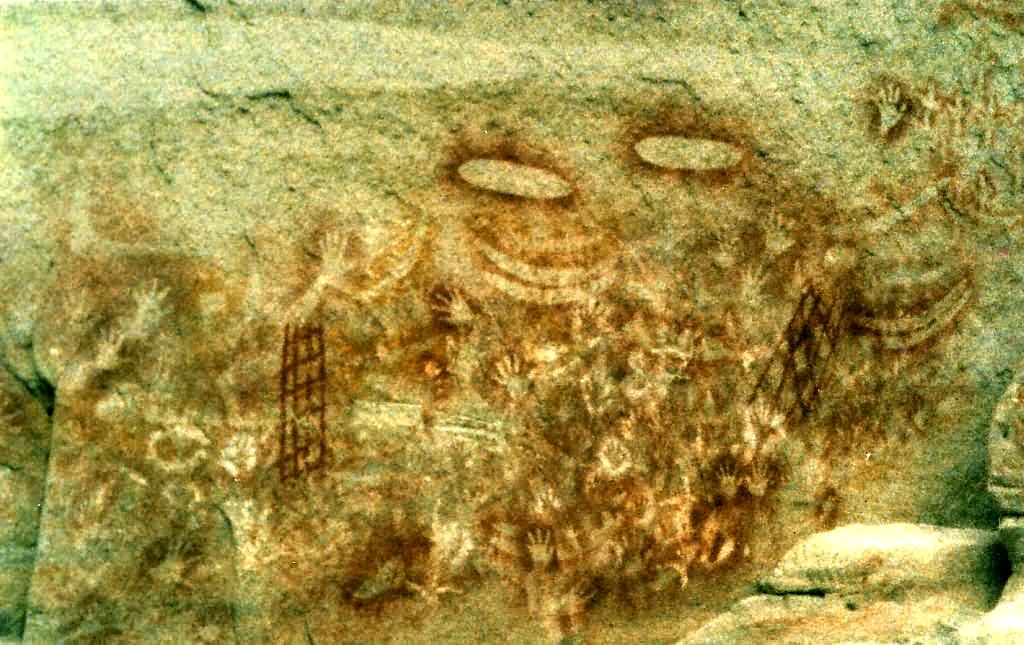 🇦🇺 AustraliaThe Dreaming
A living spiritual worldview and law connecting Aboriginal Australians to ancestors, land, and community.Spiritual
🇦🇺 AustraliaThe Dreaming
A living spiritual worldview and law connecting Aboriginal Australians to ancestors, land, and community.Spiritual