Seasons, harvest and the calendarEuropeSecular and civic
Name days in the Czech Republic
In its own language: Svátek
A daily custom where people celebrate on the calendar date assigned to their given name.
In the Czech Republic, every day of the year is linked to one or more personal names. People mark their svátek on that specific date. This tradition evolved from the Roman Catholic calendar of saints into a secular list reflecting modern naming habits.
When is Name days in the Czech Republic kept?
Name days in the Czech Republic is kept on the specific calendar date assigned to a person's given name throughout the year.
The Czech Republic observes a unique annual cycle where each day corresponds to specific personal names. Individuals celebrate their svátek on the date linked to their own name. This practice originated from religious saint calendars but has adapted to reflect contemporary naming trends and secular usage across the country.
How it works
Every date in the calendar, excluding national holidays, is paired with one or more names. When a person reaches that date, they observe their svátek. The term svátek is the common word for this occasion. The formal term jmeniny exists but sees little use in daily conversation. The system covers all twelve months, ensuring that nearly everyone has a designated day for recognition.
Origins and changes
The tradition began with the Roman Catholic calendar of saints. Over time, the list underwent significant revisions. These updates aimed to align the calendar with current naming practices rather than strict religious observance. While parents once faced restrictions on choosing names, rules have relaxed. Unusual names still require approval from a special office, but many families now select names directly from the popular svátek calendar.
Social significance
For most Czech people, the svátek holds less weight than a birthday. It serves as a secondary occasion for social interaction and acknowledgment. Friends and colleagues may offer brief greetings or small tokens on this day. The celebration remains a gentle part of daily life rather than a major event. It provides a regular rhythm to the year without demanding extensive preparation or travel.
How Name days in the Czech Republic is kept
People check a calendar to find the date assigned to their given name. On that day, friends, family, and coworkers may offer congratulations. The observation is informal and does not involve large gatherings or specific rituals. It functions as a light social marker within the annual cycle.
When and where
It occurs on the specific calendar date assigned to an individual's name throughout the entire year, excluding national holidays.
This custom is practiced throughout the Czech Republic. It is a nationwide tradition observed by the general population.
What Name days in the Czech Republic means
The svátek connects individuals to a shared cultural timeline. It reflects a shift from religious devotion to secular identity. The calendar acts as a bridge between historical saint lists and modern personal naming choices.
Questions people ask about Name days in the Czech Republic
When is Name days in the Czech Republic kept?
Name days in the Czech Republic is kept on the specific calendar date assigned to a person's given name throughout the year.
What is a svátek?
A svátek is the day in the Czech calendar assigned to a specific personal name. People celebrate this date when it matches their own given name.
Is it important like a birthday?
No, the svátek is generally considered less significant than a birthday. It is a lighter social occasion for greetings rather than a major celebration.
Where did this tradition come from?
It originated from the Roman Catholic calendar of saints. The list was later updated to include modern names and reflect secular usage.
See also
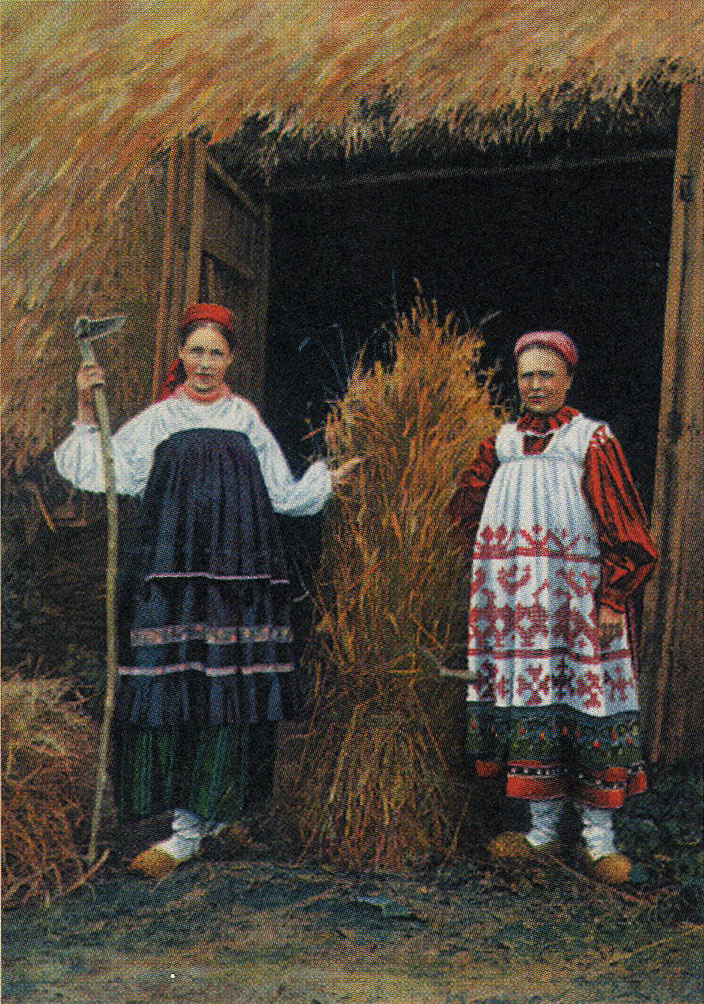 DozhinkiA Slavic harvest festival of the last sheaf, a woven wreath and a shared meal
 Easter whippingAn Easter Monday custom of tapping women with braided willow switches for vitality
 St. Martin's DayA November feast of lantern walks, bonfires, roast goose and new wine
 Saint Andrew's DayThe feast of Andrew the Apostle, kept on 30 November and Scotland's national day
Good reading and sources
The facts on this page come from the Wikipedia article "Name days in the Czech Republic", written by its contributors and used under the CC BY-SA 4.0 licence, and from its Wikidata record (CC0). EveryParampara rewrote the text in its own words, with AI assistance, and compares every page with the article to make sure no passage is copied. It may be reused under the same CC BY-SA 4.0 licence with a link back.
It may contain mistakes. Traditions differ from one family, village and community to the next, and the people who keep them know them best. If something is wrong, tell us. Last refreshed 2026-10-07.
More from Czechia
All the traditions of Czechia
🇨🇿 Czechia and 2 moreEaster whippingpomlázka
An Easter Monday custom of tapping women with braided willow switches for vitalitySeasonal
🇵🇱 Kraków, Poland and 5 moreDozhinkiDożynki
A Slavic harvest festival of the last sheaf, a woven wreath and a shared mealSeasonal
🇩🇪 Germany and 7 moreSt. Martin's DayMartinstag
A November feast of lantern walks, bonfires, roast goose and new wineSpiritual
 🇩🇪 Nuremberg, Germany and 5 moreChristkind
The traditional Christmas Eve gift-bringer across Central Europe and Latin AmericaFestival
🇩🇪 Nuremberg, Germany and 5 moreChristkind
The traditional Christmas Eve gift-bringer across Central Europe and Latin AmericaFestival
The same idea elsewhere
All of this kind 🇮🇷 Iran and 7 moreNowruzنوروز
The Iranian new year at the March equinox, kept with fire, greenery and picnicsSeasonal
🇮🇷 Iran and 7 moreNowruzنوروز
The Iranian new year at the March equinox, kept with fire, greenery and picnicsSeasonal
 🇯🇵 JapanKadomatsu門松
A Japanese New Year gateway decoration of pine and bamboo where a visiting deity can restSeasonal
🇹🇭 ThailandThai solar calendarปฏิทินสุริยคติไทย
The official solar calendar of Thailand, numbered in the Buddhist EraSeasonal
🇯🇵 JapanKadomatsu門松
A Japanese New Year gateway decoration of pine and bamboo where a visiting deity can restSeasonal
🇹🇭 ThailandThai solar calendarปฏิทินสุริยคติไทย
The official solar calendar of Thailand, numbered in the Buddhist EraSeasonal
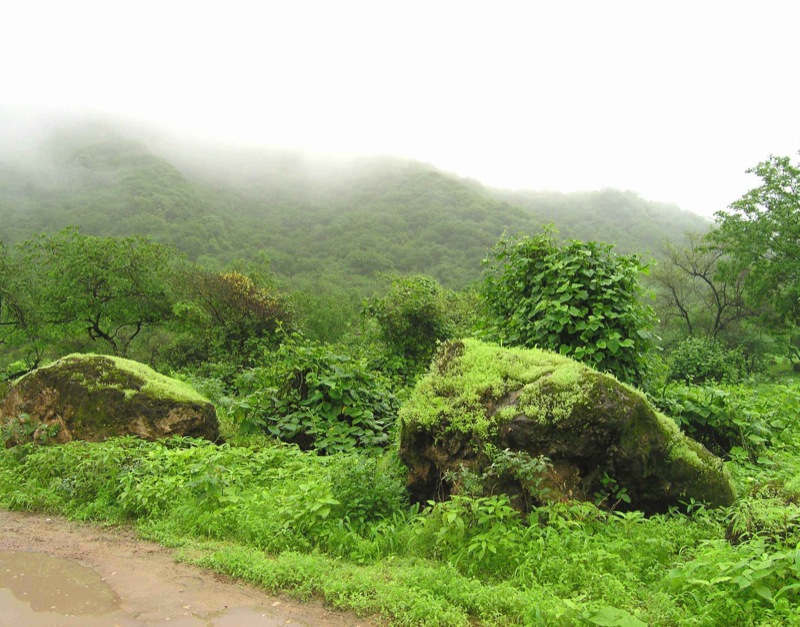 🇴🇲 Salalah, Oman and 3 moreKhareefخَرِيْف
The monsoon season of Dhofar and Al Mahrah, welcomed with a festival in SalalahSeasonal
🇴🇲 Salalah, Oman and 3 moreKhareefخَرِيْف
The monsoon season of Dhofar and Al Mahrah, welcomed with a festival in SalalahSeasonal