Spiritual and religiousMiddle EastJewishChristian
Profession of Faith
A public declaration of religious belief across Jewish, Christian and Islamic traditions

A profession of faith is an open declaration of religious belief. Practised across Judaism, Christianity, and Islam, it marks key moments such as baptism, confirmation, joining a religious community, or daily spiritual devotion.
When is Profession of Faith kept?
Profession of Faith is kept during initiation, baptism, confirmation, or daily prayer.
A profession of faith is an open, personal affirmation of religious belief. Found across Judaism, Christianity, and Islam, this statement declares what a believer holds to be true before God and the community. People speak these affirmations during crucial milestones, such as receiving baptism, entering a new denomination, taking up religious office, or maintaining daily spiritual commitments.
Jewish and Islamic declarations
In Judaism, the fundamental statement is the Shema Israel, drawn from the biblical text of Deuteronomy. Reciting this passage affirms the core principle that the Lord is God and the Lord is one. Within Islam, the spoken testimony is known as the shahada, which translates from Arabic as testimony. This declaration stands as the most important of the five primary duties required of every Muslim, defining their core devotion.
Biblical roots and the early church
Christian professions of faith trace back to the New Testament scriptures. Early converts, including Cornelius, proclaimed their belief in Jesus Christ during baptismal rites. In his first letter to Timothy, Paul of Tarsus highlighted how Timothy had declared his convictions in the presence of witnesses. The Early Church condensed its central message into the kerygma, a core proclamation announcing Jesus Christ as the Son of God and Messiah who died and was raised.
Varieties across Christian churches
Different denominations use specific formulas when welcoming members. In the Catholic Church, baptized entrants recite the Nicene Creed followed by an affirmation of church teachings, moving away from older historical customs that required explicit renunciations of prior beliefs. Lutheran communities welcome baptized newcomers through personal declarations. The Church of England employs the Apostles' Creed at baptisms, and those appointed as bishops also deliver formal statements. United Methodists use confessions during infant baptisms, confirmations, and adult receptions. In Baptist, Pentecostal, and nondenominational traditions, older youths and adults openly testify to their conversion prior to receiving believer's baptism.
How Profession of Faith is kept
The ceremony varies depending on the religious tradition and occasion. In some churches, parents or godparents recite traditional creeds like the Apostles' Creed on behalf of an infant. In Baptist and Pentecostal traditions, older candidates personally testify about their spiritual conversion before undergoing baptism. Adults entering the Catholic Church join in reciting the Nicene Creed before declaring their acceptance of church teaching. In Judaism and Islam, standard sacred phrases are spoken to affirm core theological truths.
When and where
A profession of faith takes place at significant spiritual moments. These include baptisms, confirmations, joining a congregation, being appointed as a bishop, or entering adulthood within traditions that practice believer's baptism.
These declarations are spoken publicly within places of worship, before congregations, or privately in pastoral settings like confessionals, depending on denominational rules and personal circumstances.
What Profession of Faith means
Making a profession signifies personal commitment and unity with a spiritual community. It marks the transition of an individual into active membership or religious office. By speaking established texts aloud, believers link their personal convictions to the shared history and theological foundations of their faith.
Questions people ask about Profession of Faith
When is Profession of Faith kept?
Profession of Faith is kept during initiation, baptism, confirmation, or daily prayer.
What is a profession of faith?
A profession of faith is a personal, open statement where an individual declares their religious beliefs. It is used across Judaism, Christianity, and Islam to affirm personal devotion or formal membership.
How is it expressed in Judaism and Islam?
Jewish believers recite the Shema Israel from Deuteronomy, affirming that God is one. In Islam, believers speak the shahada, meaning testimony, which is the most essential of the five Islamic obligations.
How do Baptist and Pentecostal traditions approach this rite?
These communities practice believer's baptism for adolescents and adults, requiring individuals to give personal testimony about their conversion and faith in Jesus before they are baptized.
See also
 TallitA four-cornered Jewish prayer shawl with ritual fringes worn during worship
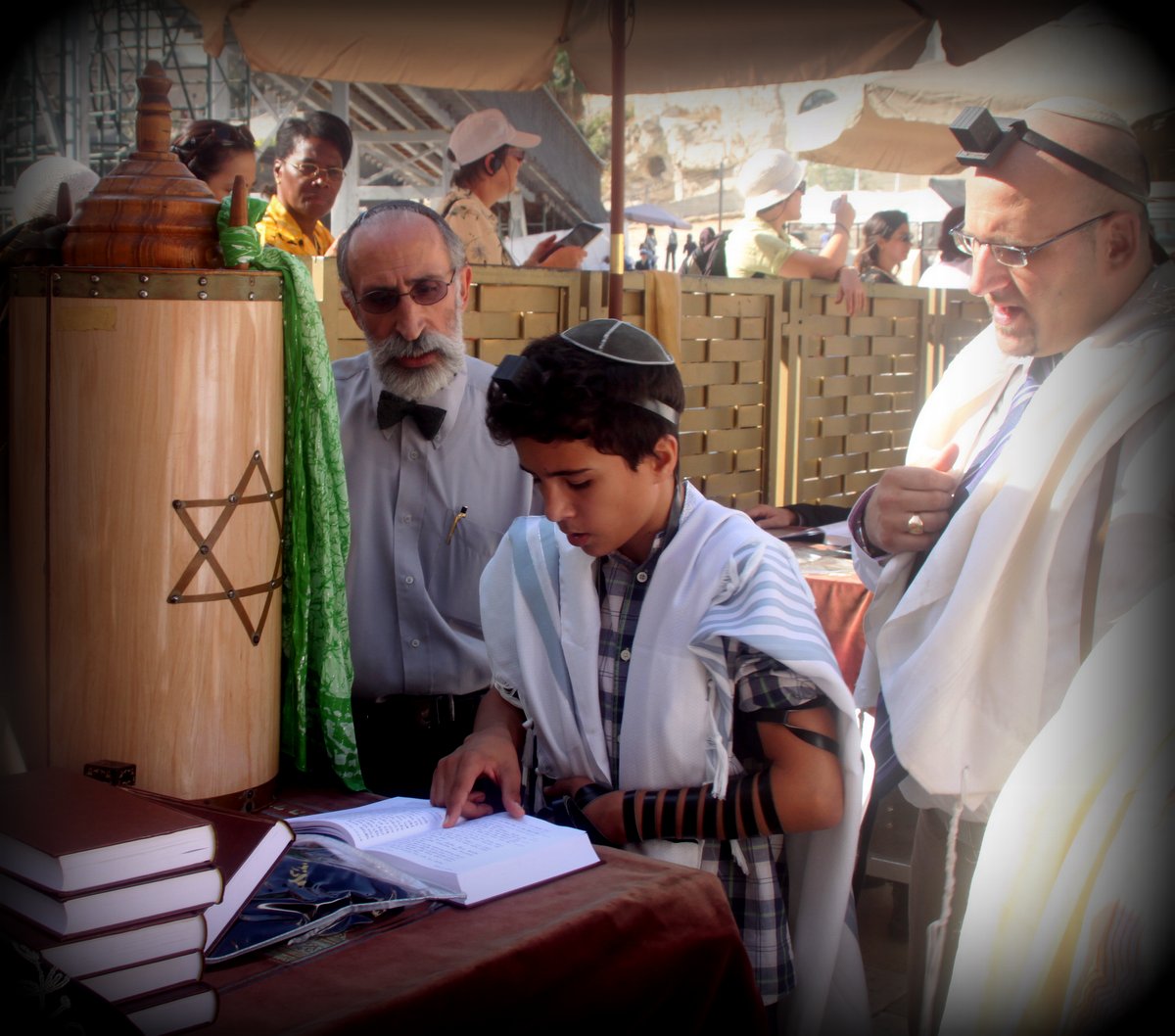 Bar and bat mitzvahA Jewish rite of passage marking when youth reach adulthood and take responsibility for their own actions.
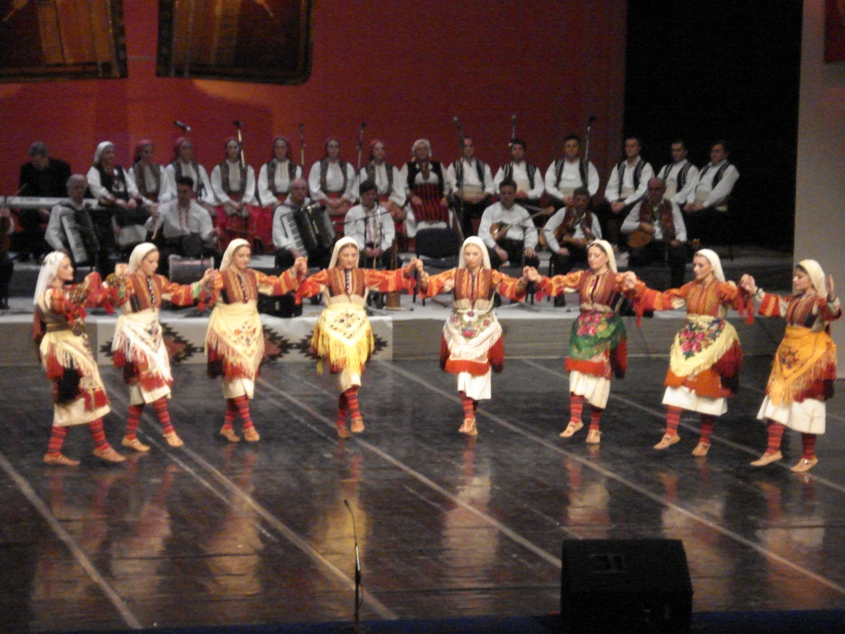 HoraA circle dance from Southeast Europe, danced at weddings and festivals
 PassoverA Jewish spring festival celebrating freedom from slavery with ritual meals
Good reading and sources
The facts on this page come from the Wikipedia article "Profession of faith", written by its contributors and used under the CC BY-SA 4.0 licence, and from its Wikidata record (CC0). EveryParampara rewrote the text in its own words, with AI assistance, and compares every page with the article to make sure no passage is copied. It may be reused under the same CC BY-SA 4.0 licence with a link back.
It may contain mistakes. Traditions differ from one family, village and community to the next, and the people who keep them know them best. If something is wrong, tell us. Last refreshed 2026-10-06.
More from Israel
All the traditions of Israel
🇮🇱 IsraelTallitטלית
A four-cornered Jewish prayer shawl with ritual fringes worn during worshipSpiritual
🇮🇱 Jerusalem, IsraelPassoverפסח
A Jewish spring festival celebrating freedom from slavery with ritual mealsSpiritual · Dinner
 🇮🇱 Jerusalem, IsraelYom Kippurיוֹם כִּפּוּר
The holiest day in Judaism, dedicated to fasting, prayer and atonementSpiritual · Fasting and breaking the fast
🇮🇱 Jerusalem, IsraelYom Kippurיוֹם כִּפּוּר
The holiest day in Judaism, dedicated to fasting, prayer and atonementSpiritual · Fasting and breaking the fast
 🇮🇱 IsraelRosh Hashanahרֹאשׁ הַשָּׁנָה
The Jewish New Year marked by shofar horn blasts, prayer and sweet foodsSpiritual
🇮🇱 IsraelRosh Hashanahרֹאשׁ הַשָּׁנָה
The Jewish New Year marked by shofar horn blasts, prayer and sweet foodsSpiritual
The same idea elsewhere
Coming of age compared 🇵🇬 Maprik, Papua New GuineaHaus Tambaran
A sacred house of the Sepik peoples, used for ancestor worship and male initiationSpiritual
🇵🇬 Maprik, Papua New GuineaHaus Tambaran
A sacred house of the Sepik peoples, used for ancestor worship and male initiationSpiritual
 🇪🇬 Egypt and 5 moreTraditional tattooing
The ancient custom of marking the skin for protection, healing, status and sacred ritesDress
🇪🇬 Egypt and 5 moreTraditional tattooing
The ancient custom of marking the skin for protection, healing, status and sacred ritesDress
 🇼🇸 Samoa and 1 morePeʻa
The traditional Samoan rite of full-body tattooing for men, tapped by master artistsRite of passage
🇼🇸 Samoa and 1 morePeʻa
The traditional Samoan rite of full-body tattooing for men, tapped by master artistsRite of passage
 🇯🇵 Japan and 2 moreKyūdō弓道
The Japanese martial art of archery, practiced with an asymmetrical longbowGame
🇯🇵 Japan and 2 moreKyūdō弓道
The Japanese martial art of archery, practiced with an asymmetrical longbowGame