Spiritual and religiousSouth AsiaHindu
Pushkaram
A river worship festival rotating across twelve sacred Indian rivers over twelve years

Pushkaram is an Indian festival honouring sacred rivers, celebrated on a rotating twelve-year cycle at different watercourses across the country. Pilgrims gather at riverside shrines to bathe, offer prayers for ancestors, recite mantras, and listen to religious discourses as the planet Jupiter moves between zodiac signs.
When is Pushkaram kept?
Pushkaram is kept on annually for twelve days during the transit of Jupiter, cycling every twelve years per river.
Pushkaram is a Hindu river festival observed across India to honour sacred waters. It takes place along twelve major rivers on a rotating twelve-year cycle determined by astrological movements. Pilgrims visit riverside temples to take holy baths, perform rites for their ancestors, give to charity, and chant sacred verses. The gathering serves as both a spiritual renewal and a celebration of life-giving waters.
Origins and astrological lore
According to medieval astrological writings such as the fifteenth-century Jataka Parijata, the tradition stems from a boon granted by the deity Shiva. A devout Brahmin earned the ability to purify all sacred waters and became known as Pushkara, the nourisher. At the request of Brihaspati, associated with the planet Jupiter, Pushkara agreed to enter one of twelve holy waterways whenever the planet transitioned into a new zodiac sign. This astrological foundation links each major river system with a specific constellation in the sky.
The twelve-year cycle
The festival moves from river to river each year as Jupiter enters a new astrological house. Although the planetary transit lasts roughly twelve months, the primary religious activity occurs during the initial twelve days, known as Adi Pushkaram. Devotees also celebrate the final twelve days of the transit, called Anthya Pushkaram. If Jupiter enters retrograde motion and crosses the same zodiac house twice in one year, the second entry sets the start of the observances. Each river hosts the festival once every twelve years.
Rituals and devotion
During the festival days, devotees perform several sacred acts along the riverbanks. The central practice is snana, a ritual bath in the flowing water believed to cleanse accumulated sins. Worshippers also perform archana with temple offerings, engage in dhyana or meditation, and practice japa through repetitive mantra recitation. Remembering departed forebears is an essential part of the rites, accompanied by dāna, the practice of giving food, goods, or money to those in need. Spiritual teachers offer talks alongside musical and cultural events.
Regional traditions and rivers
Because the festival developed through regional lore rather than early texts, local traditions sometimes link different rivers to the same zodiac sign. In Telugu-speaking regions, large crowds gather along the Godavari, Krishna, Tungabhadra, Pranahita, and Bhima rivers. Pilgrimage centres like Rajahmundry, Bhadrachalam, Mantralayam, and Vijayawada become bustling hubs of activity. In Tamil Nadu, worshippers observe the festival along the Tamraparni River, particularly at shrines where the river bends to flow northward, such as Papanasam, Banathirtham, Thirupudaimaruthur, and Suthamalli.
How Pushkaram is kept
Devotees travel to sacred sites along the designated river when Jupiter enters its assigned zodiac sign. Pilgrims begin by taking a ritual bath in the holy water. Families then conduct offerings to honour their ancestors. On the riverbanks, participants sit for silent meditation, chant mantras, and attend spiritual discourses delivered by religious teachers. Giving charity to others is customary throughout the days of worship. Cultural programmes and devotional musical performances run alongside the temple rituals, particularly during the first twelve auspicious days of the gathering.
When and where
The festival occurs every year for a specific river, returning to the same waterway every twelve years. Dates are set by the movement of Jupiter into a zodiac constellation. The most active window spans the first twelve days, known as Adi Pushkaram, along with the final twelve days of the planetary transit.
Pushkaram is observed at sacred riverbanks and pilgrimage shrines across India. Major gatherings take place in Andhra Pradesh and Telangana along rivers like the Godavari and Krishna, as well as along the Tamraparni River in Tamil Nadu and the Bhima in Maharashtra.
What Pushkaram means
Pushkaram centres on the purifying power of water and planetary alignment. The figure of Pushkara embodies nourishment and spiritual cleansing. Immersing oneself in the river during this time is believed to remove past wrongdoing. Honouring ancestors through riverside rituals shows gratitude to past generations while sharing charity affirms care for the living community.

Questions people ask about Pushkaram
When is Pushkaram kept?
Pushkaram is kept on annually for twelve days during the transit of Jupiter, cycling every twelve years per river.
What is Pushkaram?
Pushkaram is an Indian festival dedicated to the worship of sacred rivers. Devotees gather at river shrines to bathe in the water, honour their ancestors, give charity, chant mantras, and listen to devotional music and religious talks.
How often is the festival celebrated?
The festival takes place annually, but it rotates among twelve major rivers. Each individual river hosts the celebrations once every twelve years, following the astrological transit of the planet Jupiter through the zodiac.
Why is bathing in the river significant during Pushkaram?
According to Hindu astrological belief, a purifying presence known as Pushkara enters the river alongside Jupiter. Taking a ritual bath during the festival is believed to cleanse away all sins.
Which days of the festival are considered most auspicious?
The first twelve days of Jupiter's entry into a zodiac sign, called Adi Pushkaram, and the last twelve days before it leaves, called Anthya Pushkaram, are considered the most auspicious periods for pilgrimage.
See also
 PretaOfferings and rites for spirits enduring deep hunger across Asian traditions.
 Krishna JanmashtamiA Hindu festival celebrating the birth of Krishna with fasting, singing and night vigils
 Naga PanchamiA day of worship for serpent deities and cobras, observed by Hindus, Jains, and Buddhists across South Asia.
 ThaipusamA Tamil Hindu festival honoring Murugan through devotional burdens and pilgrimage
Good reading and sources
- Pushkaram on WikipediaEncyclopedia
- More photos on Wikimedia CommonsPhotos and video
- Wikidata recordOpen data
The facts on this page come from the Wikipedia article "Pushkaram", written by its contributors and used under the CC BY-SA 4.0 licence, and from its Wikidata record (CC0). EveryParampara rewrote the text in its own words, with AI assistance, and compares every page with the article to make sure no passage is copied. It may be reused under the same CC BY-SA 4.0 licence with a link back.
It may contain mistakes. Traditions differ from one family, village and community to the next, and the people who keep them know them best. If something is wrong, tell us. Last refreshed 2026-10-04.
More from India
All the traditions of India 🇮🇳 IndiaTheyyam
A sacred ritual dance and divine invocation from North Malabar in IndiaSpiritual
🇮🇳 IndiaTheyyam
A sacred ritual dance and divine invocation from North Malabar in IndiaSpiritual
 🇮🇳 India and 1 moreKailash Mansarovar Yatraकैलाश मानसरोवर यात्रा (Hindi); ཀཱའི་ལ་ཤ་མན་ས་རོ་ཝར་ཡ་ཏྲ། (Tibetan)
A high-altitude pilgrimage to Mount Kailash and Lake Manasarovar in TibetSpiritual
🇮🇳 India and 5 morePretaप्रेत
Offerings and rites for spirits enduring deep hunger across Asian traditions.Spiritual
🇮🇳 India and 1 moreKailash Mansarovar Yatraकैलाश मानसरोवर यात्रा (Hindi); ཀཱའི་ལ་ཤ་མན་ས་རོ་ཝར་ཡ་ཏྲ། (Tibetan)
A high-altitude pilgrimage to Mount Kailash and Lake Manasarovar in TibetSpiritual
🇮🇳 India and 5 morePretaप्रेत
Offerings and rites for spirits enduring deep hunger across Asian traditions.Spiritual
The same idea elsewhere
Pilgrimage compared 🇮🇱 Jerusalem, IsraelSukkotסוכות
A seven-day autumn Jewish festival of temporary booths, harvest prayers and hospitalitySpiritual
🇮🇱 Jerusalem, IsraelSukkotסוכות
A seven-day autumn Jewish festival of temporary booths, harvest prayers and hospitalitySpiritual
 🇯🇵 Kyoto, JapanTorii鳥居
A traditional Japanese gate marking the entrance to a Shinto shrine and separating the sacred from the mundane.Spiritual
🇯🇵 Kyoto, JapanTorii鳥居
A traditional Japanese gate marking the entrance to a Shinto shrine and separating the sacred from the mundane.Spiritual
 🇲🇲 Bagan, MyanmarNat worshipနတ်
Veneration of guardian spirits and nature deities alongside Buddhism in MyanmarSpiritual
🇲🇲 Bagan, MyanmarNat worshipနတ်
Veneration of guardian spirits and nature deities alongside Buddhism in MyanmarSpiritual
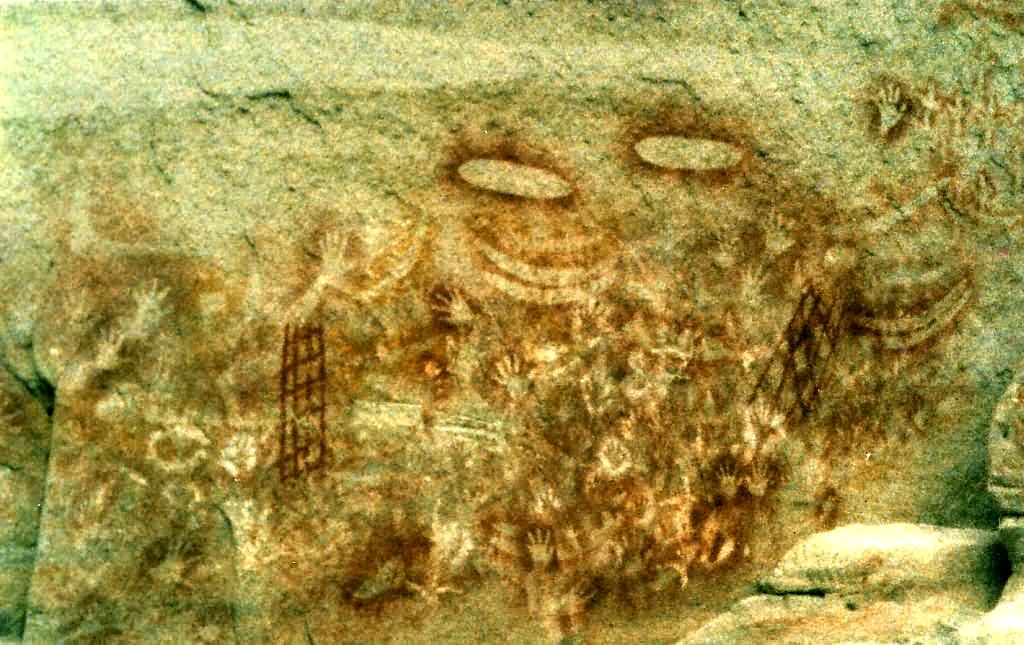 🇦🇺 AustraliaThe Dreaming
A living spiritual worldview and law connecting Aboriginal Australians to ancestors, land, and community.Spiritual
🇦🇺 AustraliaThe Dreaming
A living spiritual worldview and law connecting Aboriginal Australians to ancestors, land, and community.Spiritual