Life-cycle ritesEast AsiaShinto, Taoist and folk Chinese
Shichi-Go-San
In its own language: 七五三
A Japanese festival celebrating the growth of three-year-old girls, five-year-old boys, and seven-year-old girls.

Families in Japan mark this rite of passage on November 15 to honor young children. Parents dress their kids in special clothes and visit a shrine to pray for health and good fortune as they grow.
When is Shichi-Go-San in 2026?
Shichi-Go-San 2026 is on Sunday, 15 November 2026. Other years: 2027, Monday, 15 November 2027; 2028, Wednesday, 15 November 2028.
Shichi-Go-San is a cherished Japanese tradition that honors the development of young children. Families celebrate when girls reach ages three and seven, and boys turn five or sometimes three. The day focuses on gratitude for past health and prayers for future well-being. It remains a key moment for many households to acknowledge these early milestones.
Origins and history
The custom began among court nobles during the Heian era to mark childhood transitions. Some historians link its roots to the Muromachi period, noting high infant mortality rates made survival a cause for celebration. Odd numbers hold lucky significance in East Asian numerology. The date settled on November 15 after Shogun Tsunayoshi held rites for his son on that day. Samurai classes later adopted the practice, adding specific rituals for each age group.
Rituals and attire
Children wear formal kimono for the first time during these visits. Three-year-old girls typically add a padded vest called hifu. Five-year-old boys don hakama trousers and haori jackets, symbolizing new responsibilities. Seven-year-old girls tie an obi sash, marking a shift toward womanhood. Modern families also take photographs to capture the occasion. While older hair-shaving customs have faded, the shrine visit remains central for blessing the child's path ahead.
Sweets and symbols
Families give chitose ame, or thousand-year candy, to the honored children. These long, thin sweets come in red and white wrappers. They represent wishes for a long and healthy life. The treats are often packaged in bags decorated with cranes and turtles. Both animals are traditional symbols of longevity in Japanese culture. Sharing this candy reinforces the community's hope for the child's future prosperity and safety.
How Shichi-Go-San is kept
Parents dress their children in formal kimono and visit a local shrine. Three-year-old girls wear a hifu vest, while five-year-old boys wear hakama and haori. Seven-year-old girls tie an obi sash. Families receive chitose ame for good health. Many take photos to remember the milestone. The event usually happens on the weekend closest to November 15.
When and where
The festival falls on November 15 each year. Since it is not a public holiday, most families attend on the nearest Saturday or Sunday. Some use traditional age counting methods, shifting the celebration to different calendar years.
This tradition is practiced throughout Japan. Major cities like Tokyo host many celebrations at local shrines. The custom originated in the imperial court before spreading to samurai and commoners across the country.
What Shichi-Go-San means
The ages three, five, and seven reflect beliefs about lucky odd numbers. The clothing marks significant developmental steps. The hakama shows a boy's readiness for duty. The obi signals a girl's growing maturity. The candy and animal imagery express deep hopes for longevity and protection from illness.
On the table
- Chitose ame


Shichi-Go-San dates: 2026, 2027, 2028
| Year | Shichi-Go-San date |
|---|---|
| 2026 | Sunday, 15 November 2026 |
| 2027 | Monday, 15 November 2027 |
| 2028 | Wednesday, 15 November 2028 |
Questions people ask about Shichi-Go-San
When is Shichi-Go-San in 2026?
Shichi-Go-San 2026 is on Sunday, 15 November 2026. Other years: 2027, Monday, 15 November 2027; 2028, Wednesday, 15 November 2028.
What is Shichi-Go-San?
It is a Japanese rite of passage for three-year-old girls and five-year-old boys. Seven-year-old girls also participate. Families celebrate their growth and pray for continued health and happiness at a shrine.
What do children wear?
Kids wear their first formal kimono. Girls aged three wear a hifu vest. Boys aged five wear hakama pants. Girls aged seven wear an obi sash. These outfits mark important stages of childhood development.
What is chitose ame?
It is a long, thin red and white candy given to children. The sweet symbolizes a wish for a thousand years of life. It comes in decorative bags featuring cranes and turtles, which represent longevity.
See also
 HinamatsuriA March festival in Japan where families display ornamental dolls to pray for the health and happiness of young girls.
 HalloweenAn annual observance on 31 October marking the eve of All Saints' Day, rooted in Christian tradition and Celtic heritage
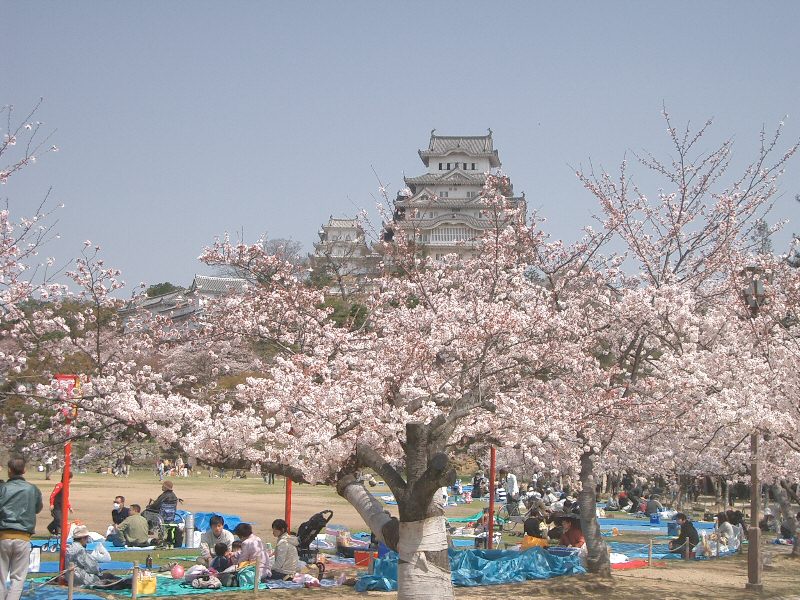 HanamiA Japanese spring custom of gathering under blooming cherry trees to eat, drink, and celebrate the fleeting beauty of th
 Krishna JanmashtamiA Hindu festival celebrating the birth of Krishna with fasting, singing and night vigils
Good reading and sources
- Shichi-Go-San on WikipediaEncyclopedia
- More photos on Wikimedia CommonsPhotos and video
- Wikidata recordOpen data
The facts on this page come from the Wikipedia article "Shichi-Go-San", written by its contributors and used under the CC BY-SA 4.0 licence, and from its Wikidata record (CC0). EveryParampara rewrote the text in its own words, with AI assistance, and compares every page with the article to make sure no passage is copied. It may be reused under the same CC BY-SA 4.0 licence with a link back.
It may contain mistakes. Traditions differ from one family, village and community to the next, and the people who keep them know them best. If something is wrong, tell us. Last refreshed 2026-10-04.
More from Japan
All the traditions of Japan 🇨🇳 China and 5 morePostpartum confinement
A period of rest, nourishment, and seclusion for mothers after giving birth.Rite of passage
🇨🇳 China and 5 morePostpartum confinement
A period of rest, nourishment, and seclusion for mothers after giving birth.Rite of passage
 🇺🇸 United States and 5 moreRite of passage
A ceremony that marks leaving one group and entering another, with a new statusRite of passage
🇺🇸 United States and 5 moreRite of passage
A ceremony that marks leaving one group and entering another, with a new statusRite of passage
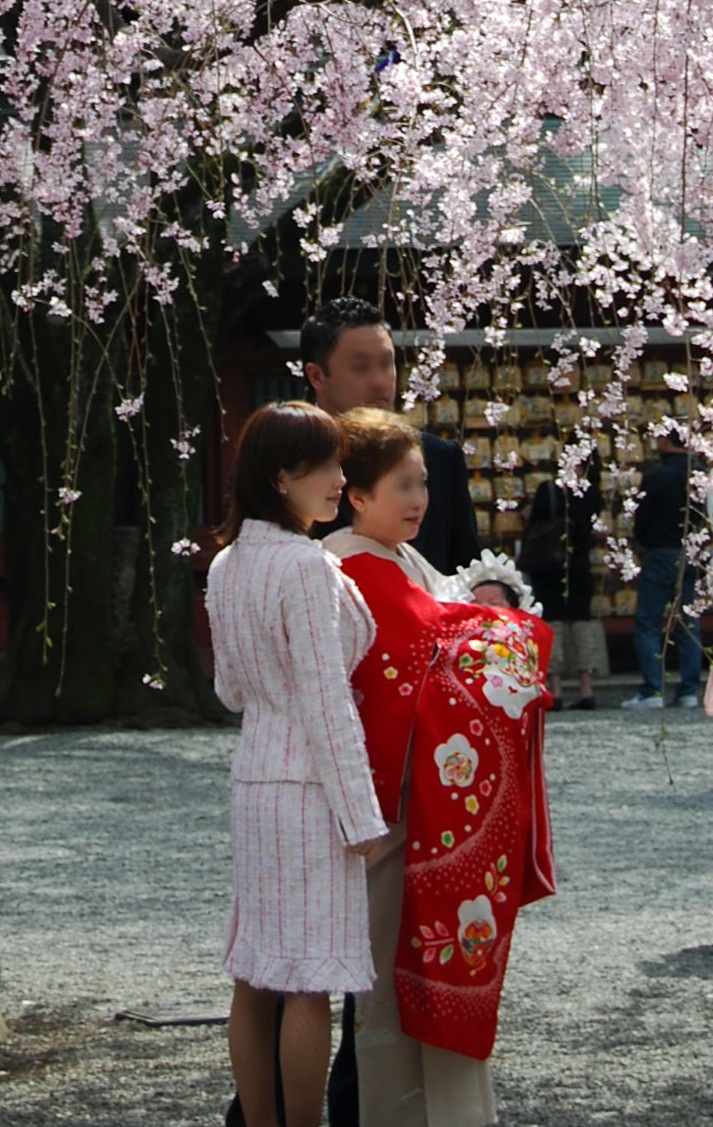 🇯🇵 JapanMiyamairi宮参り
A first visit to a Shinto shrine, about a month after a baby is bornRite of passage
🇯🇵 JapanMiyamairi宮参り
A first visit to a Shinto shrine, about a month after a baby is bornRite of passage
 🇮🇪 Ireland and 2 moreWake
A gathering before a funeral, where family and friends keep watch over the deadRite of passage
🇮🇪 Ireland and 2 moreWake
A gathering before a funeral, where family and friends keep watch over the deadRite of passage
The same idea elsewhere
Birth and new babies compared 🇮🇩 Indonesia and 2 moreKenduri
A communal prayer meal and gathering shared across Indonesia, Malaysia and BruneiSpiritual · Feasts and festival meals
🇮🇩 Indonesia and 2 moreKenduri
A communal prayer meal and gathering shared across Indonesia, Malaysia and BruneiSpiritual · Feasts and festival meals
 🇹🇱 Timor-LesteUma Lulik
Sacred ancestral clan houses and ritual shrines in East TimorSpiritual
🇹🇱 Timor-LesteUma Lulik
Sacred ancestral clan houses and ritual shrines in East TimorSpiritual
 🇺🇸 United States and 1 moreDreamcatcherᐊᓴᐱᑫᔒᓐᐦ (asabikeshiinh)
A hand-woven hoop from Anishinaabe tradition, hung above a cradle to protect a childCraft
🇺🇸 United States and 1 moreDreamcatcherᐊᓴᐱᑫᔒᓐᐦ (asabikeshiinh)
A hand-woven hoop from Anishinaabe tradition, hung above a cradle to protect a childCraft